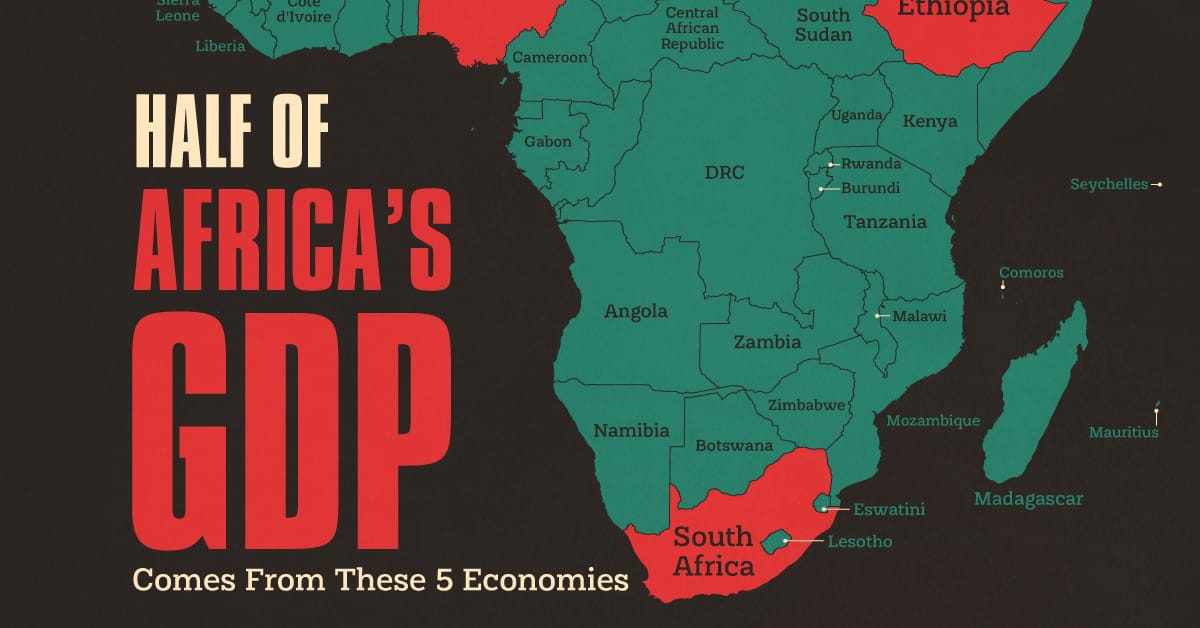
In October the IMF described a “two-track growth pattern” in sub-Saharan Africa. On one track are most of the 23 countries with sizeable exports of non-renewable commodities such as oil, gold or diamonds. These include Angola, Nigeria and South Africa. As prices for their exports sagged, their GDPs per person have dropped in the past decade. Most resource-rich countries have also been focused more on dividing the spoils of the boom years than on using the proceeds to build resilient economies.
Tag: Russia
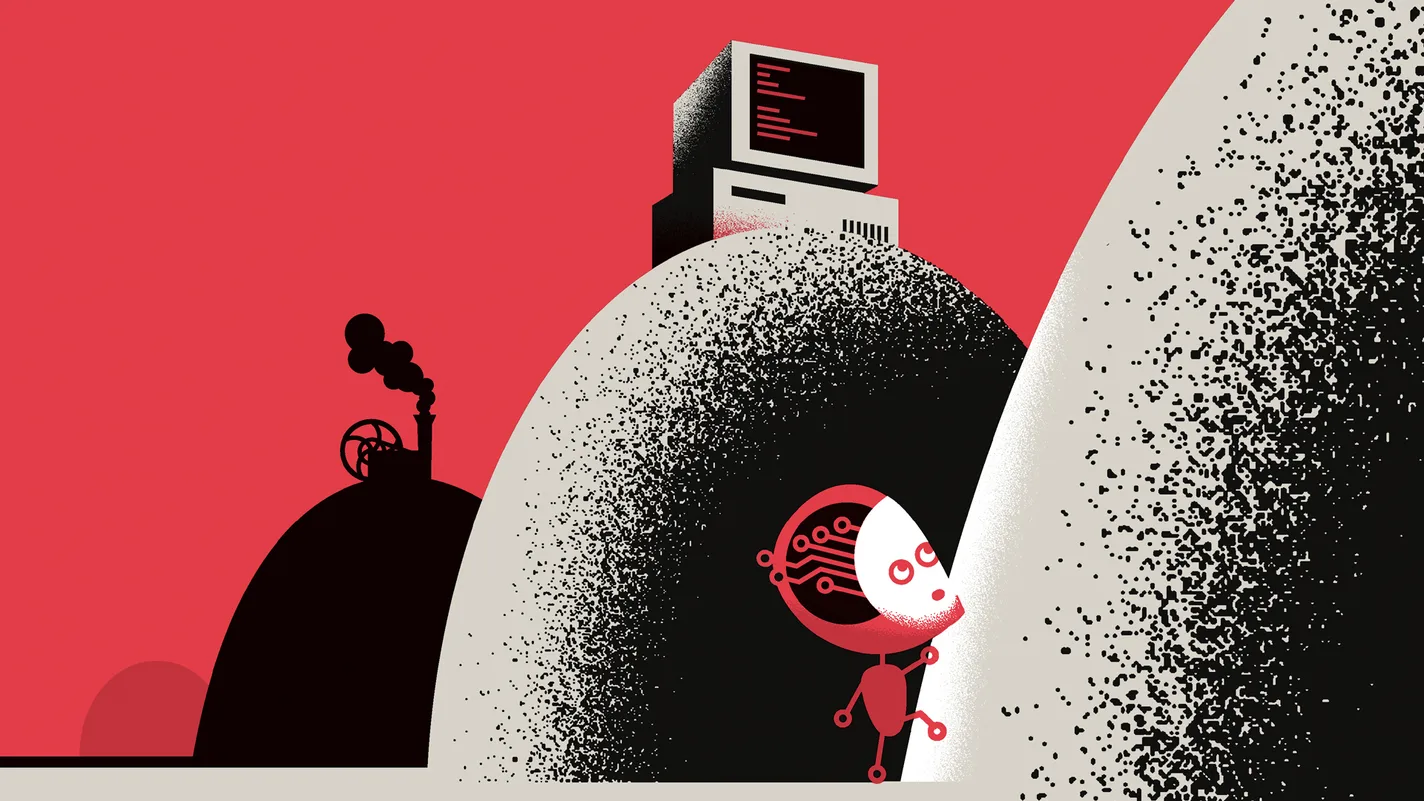
Artificial Intelligence: Thriving or Teetering?
The artificial intelligence (AI) industry was caught between euphoria and caution. Alphabet (Google), Amazon, Meta and Microsoft raced to invest, spending nearly $200 billion on AI infrastructure. Nvidia, the leader in AI-chip production, reaped gigantic rewards. Sales of such chips are expected to have doubled in 2024, driving its valuation to nearly $3.4 trillion. Demand for AI servers surged: firms such as Dell and HPE reportedly doubled their sales. But cracks began to show. The soaring energy costs of training and running generative AI models raise questions about long-term economic viability.
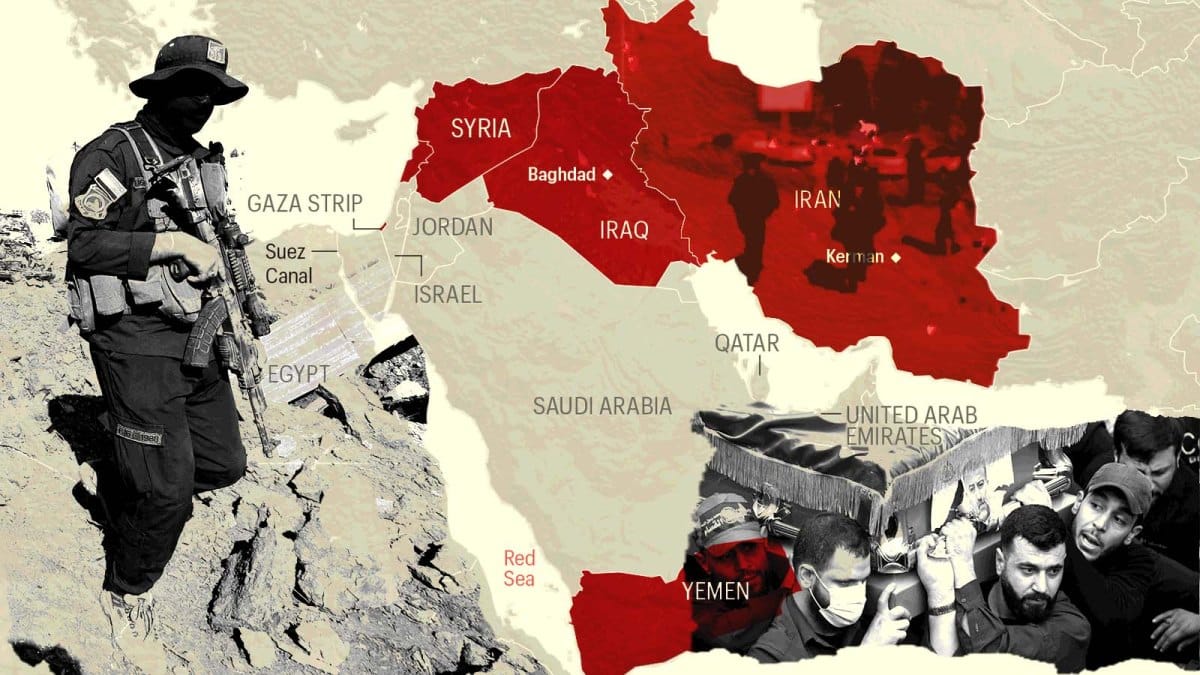
Israel’s Ceasefire in Lebanon and Iran’s Next Move
Iran analysts live by two core assumptions: that the country wants to fight Israel through proxies, rather than directly, and that it doesn’t want all-out war. Both now look fragile. Iran launched missiles at Israel in April and October, both in retaliation for Israeli attacks. Most of the missiles were intercepted. But now Iran appears weaker: Israeli strikes on Iranian military facilities on October 26th struck a blow to its defences and its strategy. And the killing of Hizbollah’s top ranks dealt a blow to the “axis of resistance”, a group of militias backed by Iran.
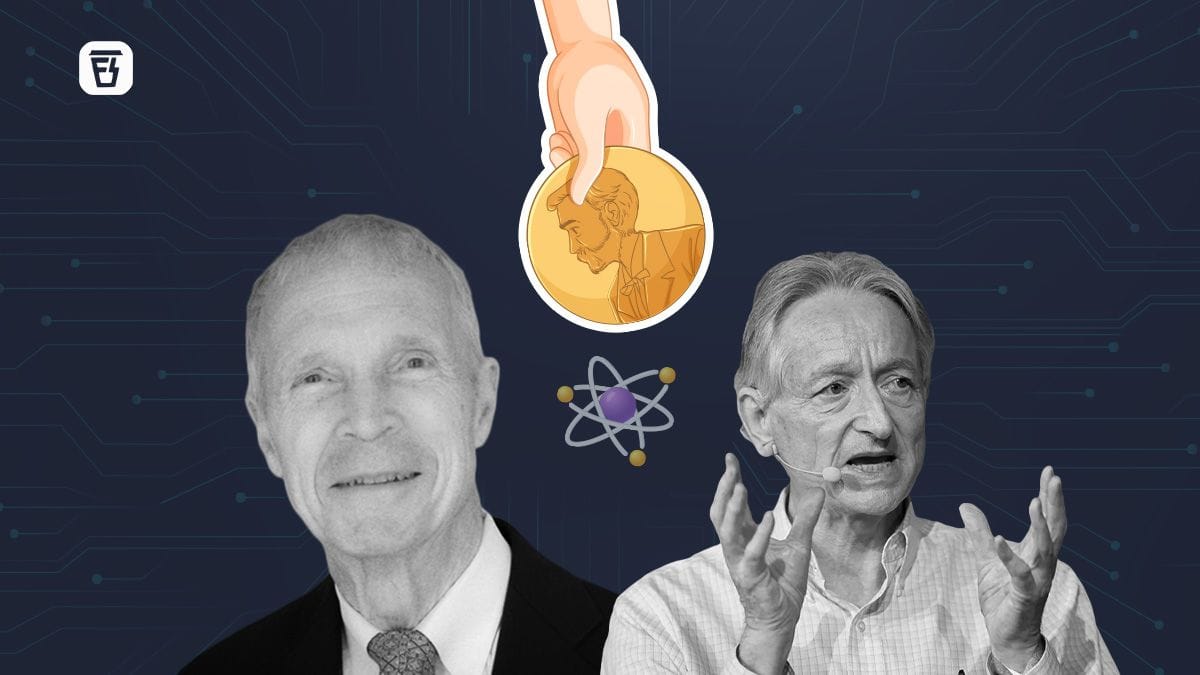
AI earn its Developers a Nobel Prize in Chemistry
It has been a big year for artificial intelligence models. For the first time ever, insights enabled by an AI model were deemed sufficiently significant to earn its developers one of the highest accolades in science: the Nobel prize in chemistry. The award jointly honoured the use of AI for protein-structure prediction and protein design. Innovations that underpin machine learning, meanwhile, were awarded the physics prize. Geoffrey Hinton, one of the winners, mused that by assisting mental labour, generative AI might have as big an effect on society as the industrial revolution did by assisting physical labour.
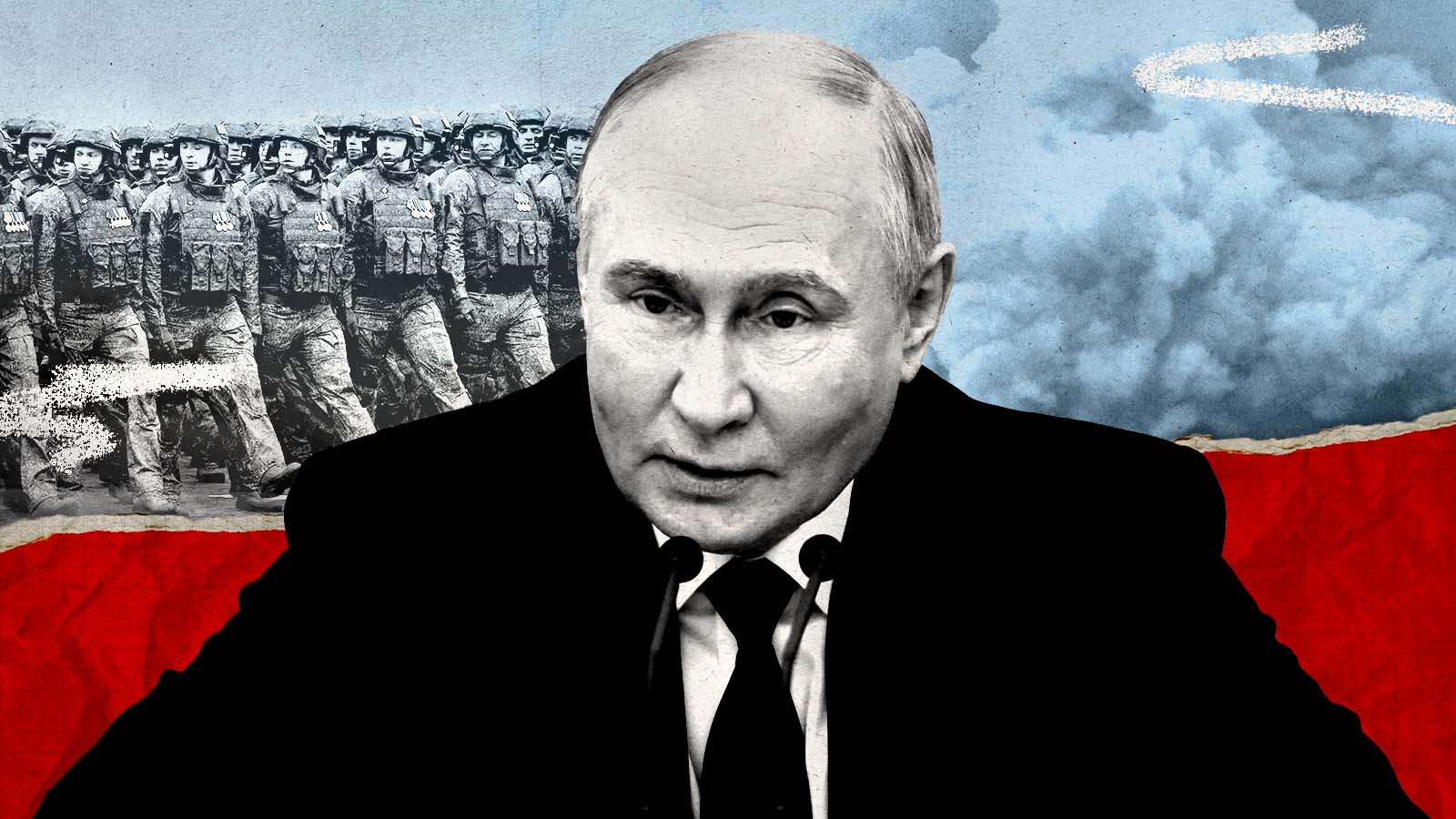
This Year, Putin’s Way
On Thursday Vladimir Putin hosts his annual press conference, in which he answers softball questions about the year’s achivements at great length. Russia’s president may be cheerful. His forces continue to progress in eastern Ukraine, albeit at a cost of many men. And Donald Trump’s victory might provide a boon. Many people think he will keep his promise to end the war swiftly by imposing a bad deal on Ukraine. Still, the Russian president has plenty of problems.
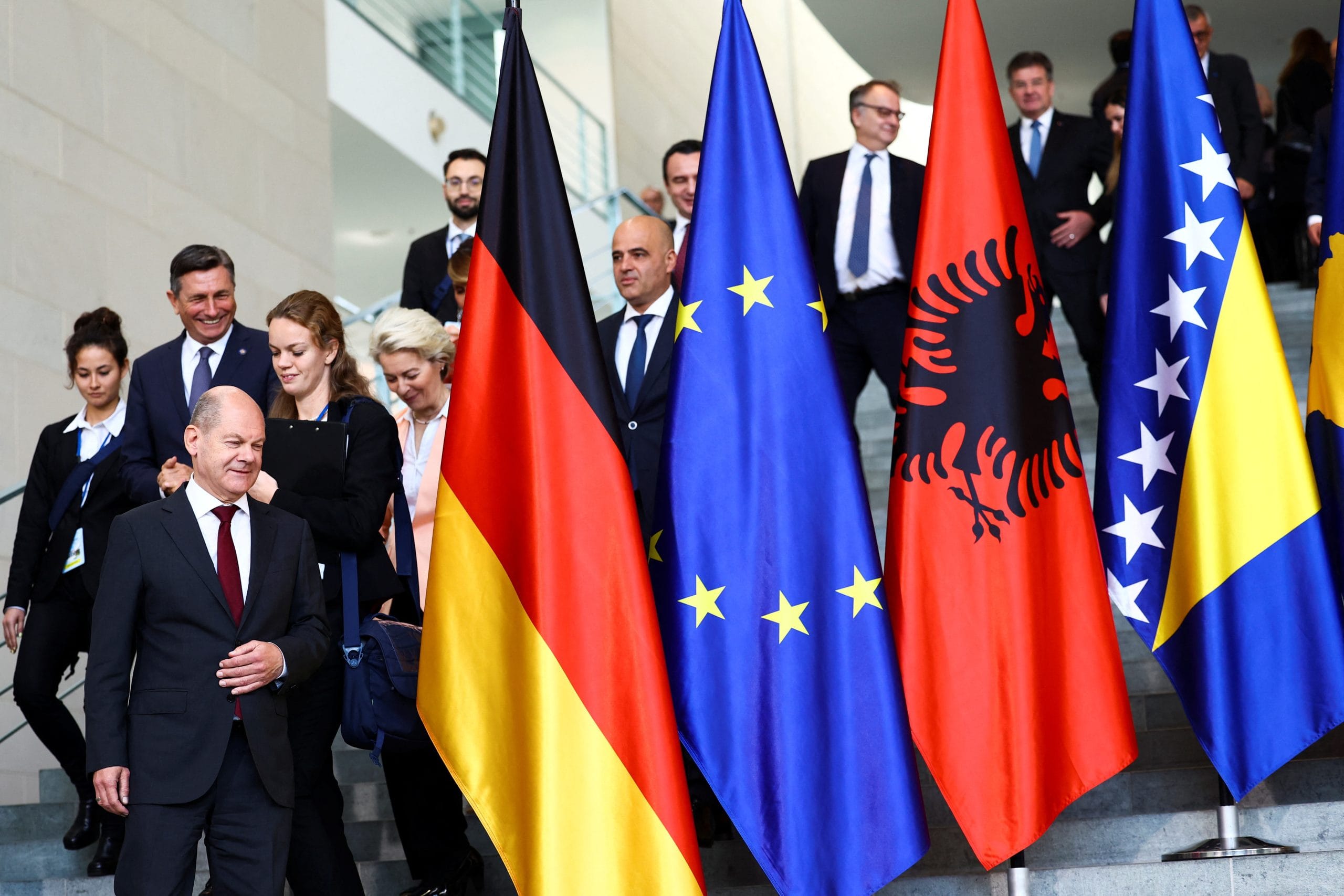
EU Ambitions in the Western Balkans
On Wednesday leaders from the six western Balkan countries hoping to join the European Union meet their counterparts from the bloc’s member states. They will discuss the EU’s “growth plan”, which aims to absorb the countries into individual aspects of the union, such as its single market, before they become full members. The region’s accession process began in 2003 but has generally slowed. Bulgaria, already an EU member, is blocking North Macedonia; Serbia’s dispute with Kosovo, its former province, hampers the accession of both; and Bosnia’s Serb leadership is more interested in destroying Bosnia-Herzegovina as a state than joining the EU.
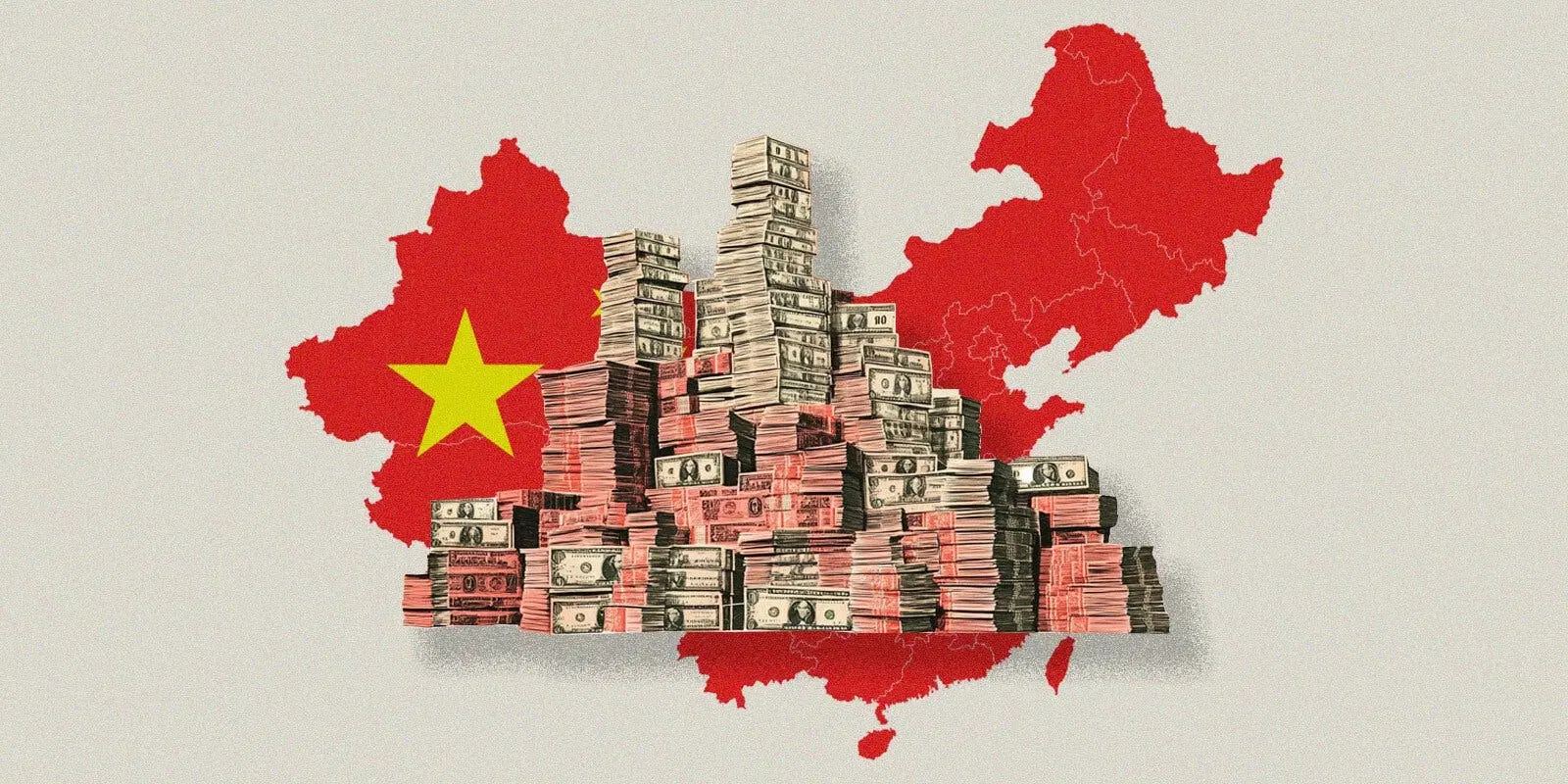
China Promised to Vigourously Boost Consumption
After their annual Central Economic Work Conference, which finished on Thursday, China’s leaders promised to “vigourously” boost consumption. New economic figures released on Monday will illustrate the size of the task ahead of them. Retail sales probably grew by about 4.5 percent in nominal terms in November, compared with a year earlier. That would be slower than the previous month, which was boosted by an early start to the “Singles’ Day” shopping festival. Consumer-price inflation, which has already been released, was only 0.2 percent, another symptom of weak spending.
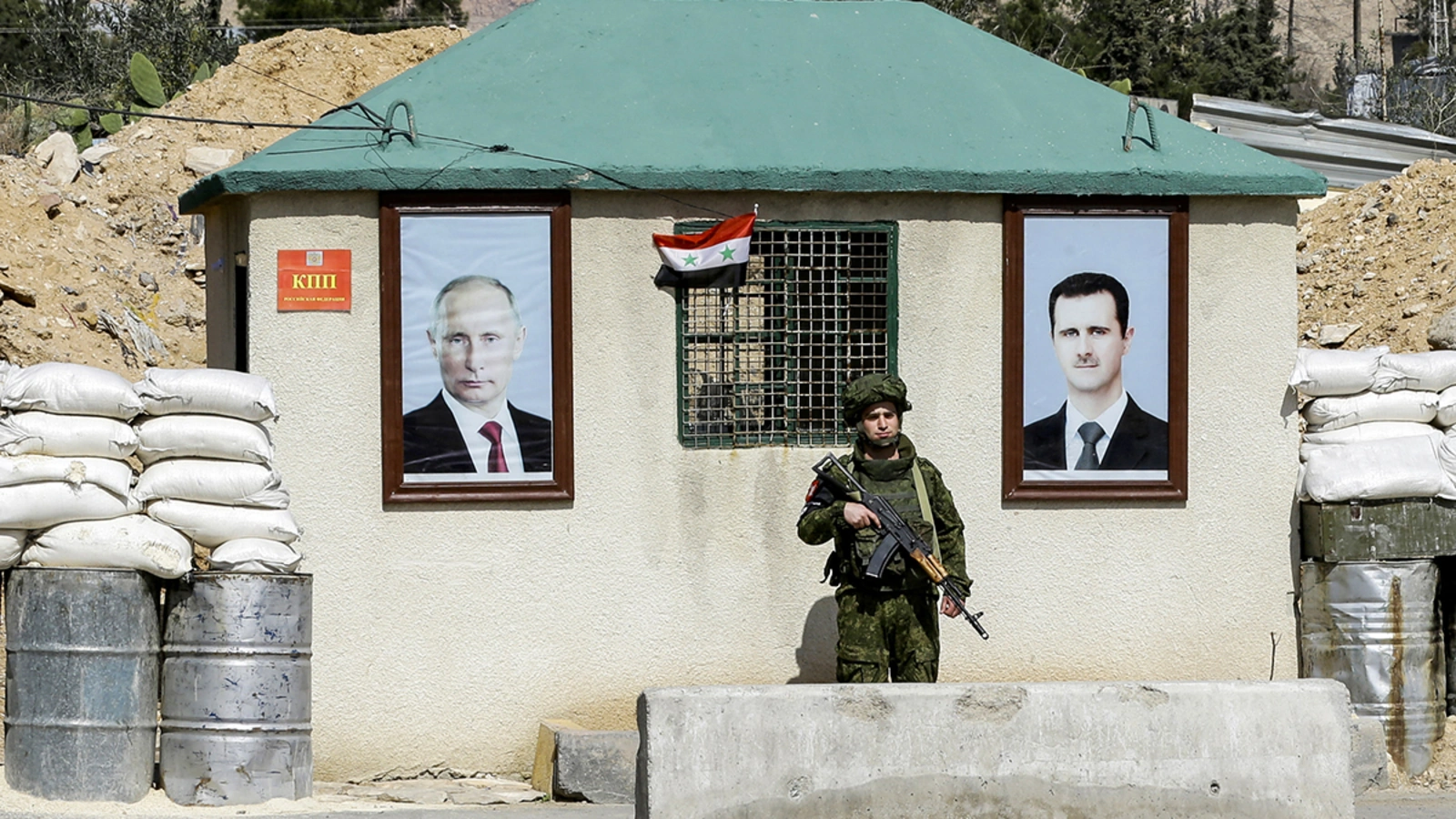
Assad’s Fall: An Outcome of the US-Russia Extended Cold War
Iraq, Libya, Afghanistan, Bangladesh and now Syria, the list of nations now in chaos after the fall of its governments is growing. There is a common pattern to the beginning of political storms in all these nations, which is the external interference in their domestic affairs by the United States. This model of toppling governments and replacing it with friendly options have failed everywhere. But the US is not reluctant to meddle with the affairs of other nations and especially when it comes to Asia, where they have geopolitical interests.

The Caretaker Prime Minister of Syria
On 8 December 2024, the Syrian Arab Republic under Bashar al-Assad collapsed amid major offensives by the Syrian opposition (led by Hayat Tahrir al-Sham – HTS and supported by other rebel groups, including the Turkish backed Syrian National Army) as part of the Syrian civil war which began in 2011. The fall of Damascus marked the end of the Assad’s regime, which had ruled Syria as a totalitarian hereditary dictatorship since 1971.

Decoding the Economy of an Isolationist Country
Being one of the most isolated, secretive, dark and censored countries in the world, North Korea continues to baffle audiences and surpass trends of journalistic opportunity. It has one of the largest militaries in the world, a staggering domestic infrastructure and much speculation as to what goes on inside the closed-to-exhibition country. The citizens aren’t allowed to venture outside and no official economic data has been published since 1965, which is both scary and bold at the same time.