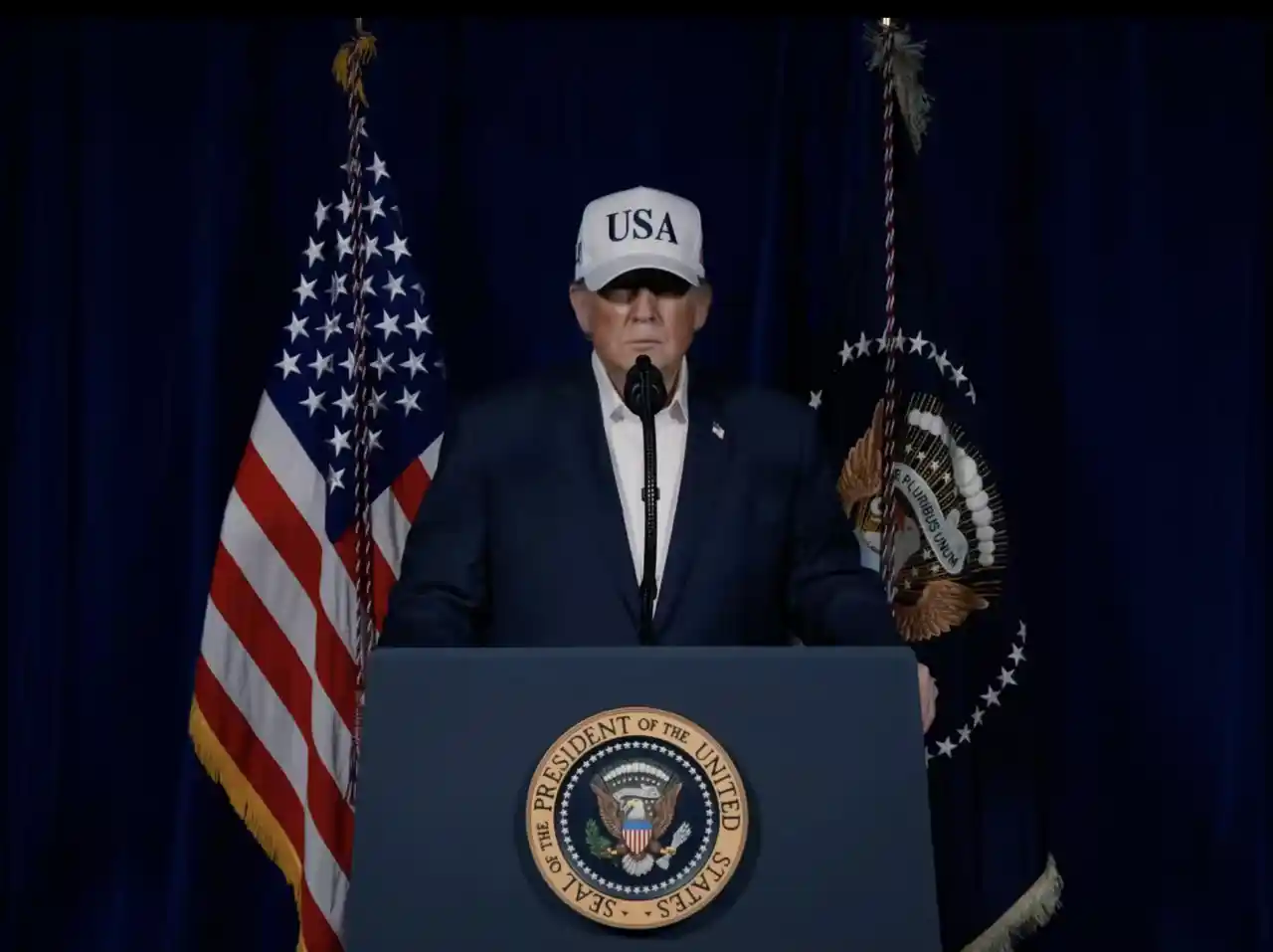
On 28 February 2026, the United States and Israel initiated coordinated large-scale strikes against targets in Iran, marking a significant escalation in the longstanding tensions over Iran’s nuclear programme, ballistic missile capabilities, and regional influence. The operation, designated “Operation Epic Fury” by the United States and “Operation Roaring Lion” by Israel, commenced in the early hours local time with explosions reported across multiple Iranian cities, including the capital Tehran
Tag: Iran
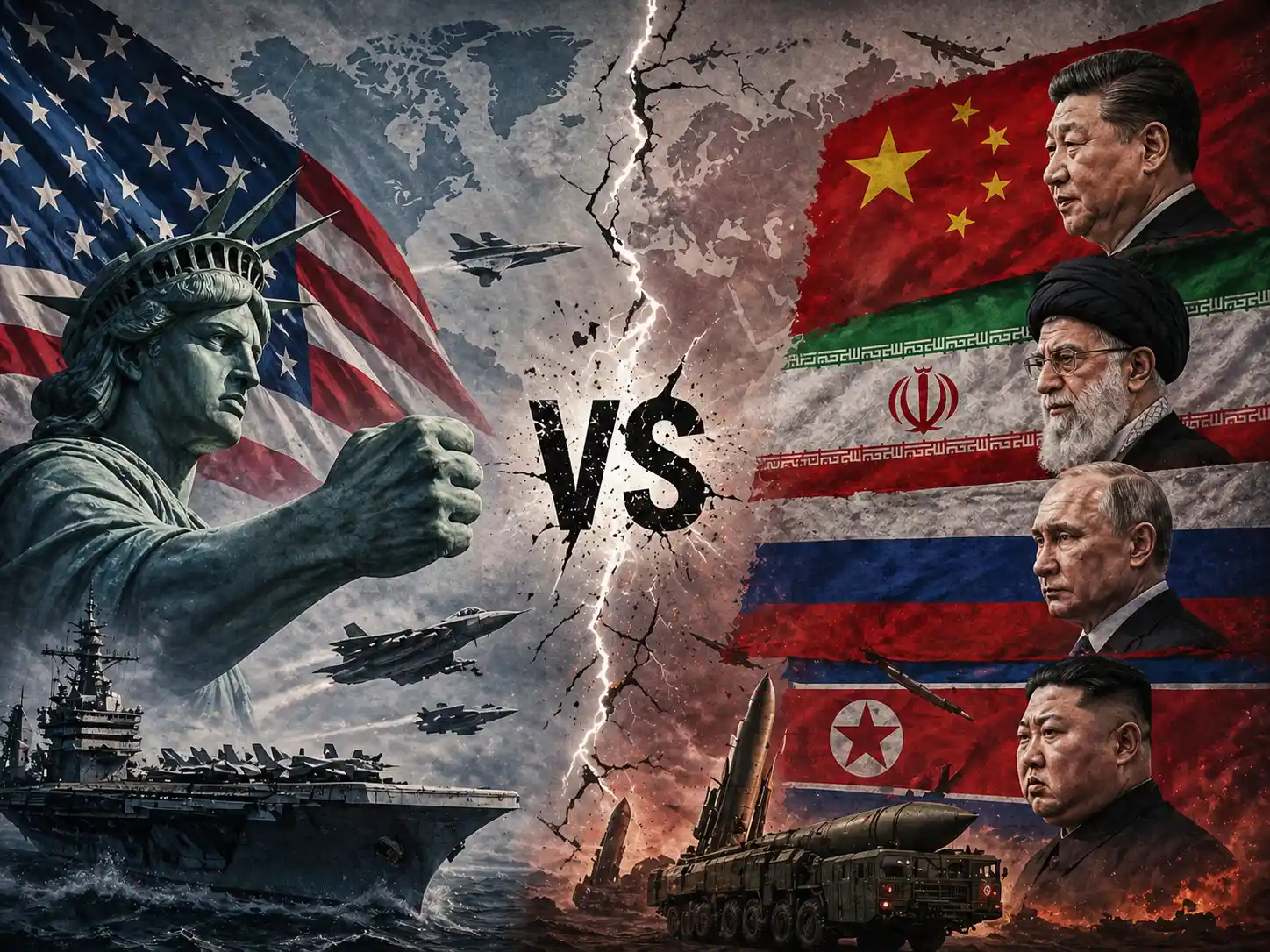
How CRINK Actors Weaponised the Venezuelan Raid against the United States
China and Russia have moved swiftly to co-opt the Venezuelan narrative within multilateral forums, particularly the UN Security Council. Both nations backed Venezuela’s request for an urgent Security Council meeting, with China’s UN ambassador having previously stated at a December session that Beijing opposed all acts of unilateralism and bullying, urging Washington to refrain from interfering in Venezuela’s internal affairs. During the January 5 emergency session, Chinese and Russian representatives demanded Maduro’s immediate release while framing the raid as a violation of the UN Charter
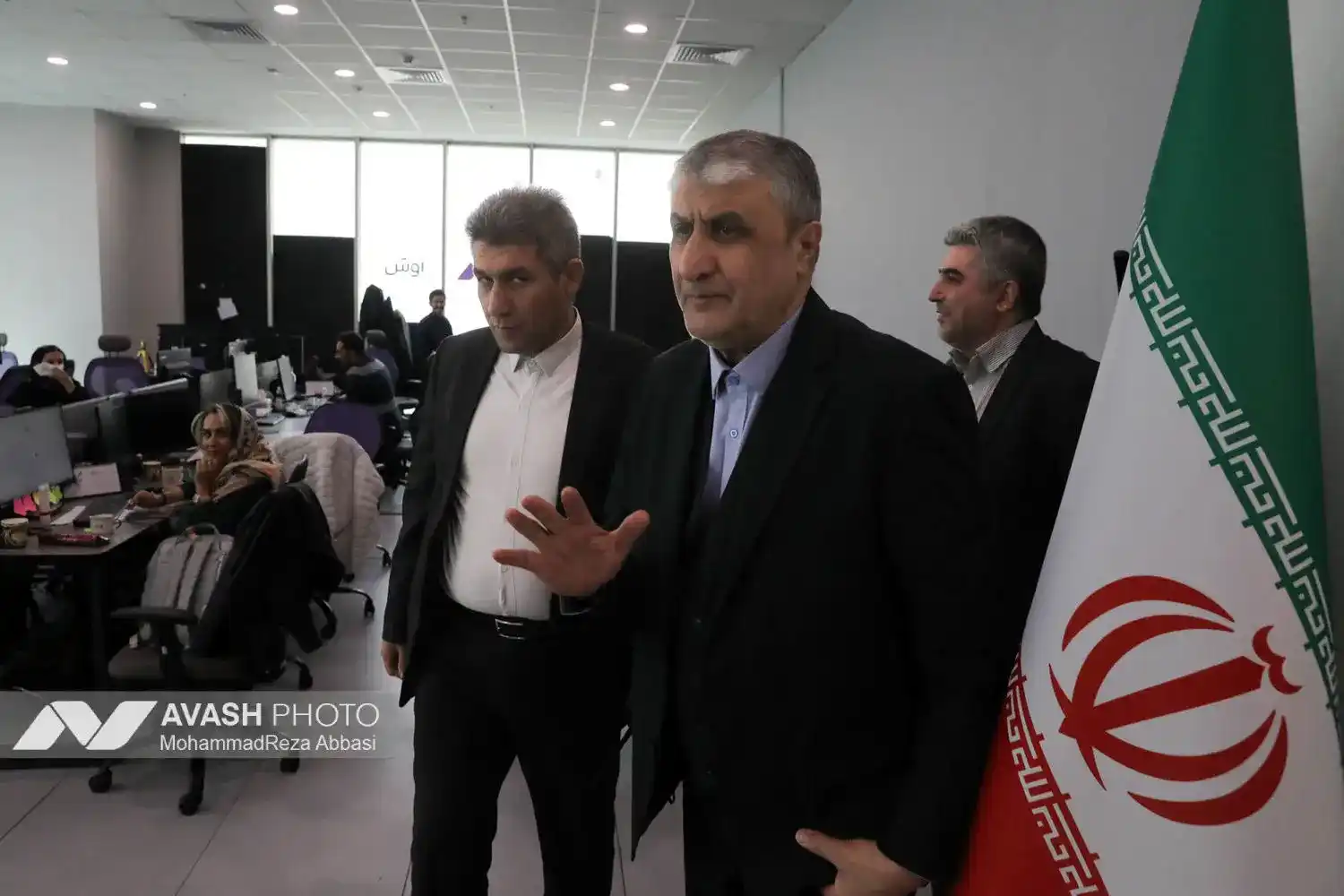
Strategic Dynamics and Stakes in the Iran-U.S. Nuclear Talks
For twenty years, Iran’s nuclear program has been a key point of contention in U.S.–Iran relations. After the U.S. exited the 2015 Joint Comprehensive Plan of Action (JCPOA), Tehran gradually increased its enrichment levels beyond the established limits. Diplomatic attempts in 2025 led to indirect talks facilitated by Oman and Italy, but these efforts fell apart due to escalating tensions, particularly following a 12-day conflict involving U.S. and Israeli attacks on Iranian nuclear and military facilities in June 2025.
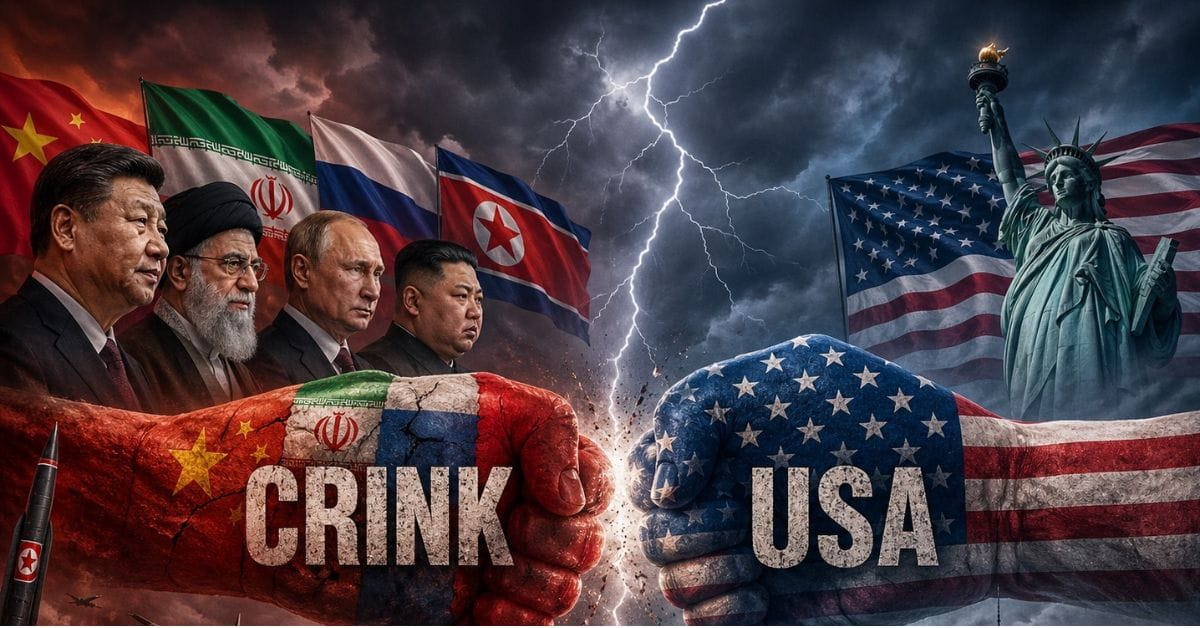
How CRINK Actors are using the Venezuelan Raid to Legitimise Anti-U.S. Norms
On January 3, 2026, United States forces executed Operation Absolute Resolve, a predawn military strike on Caracas that resulted in the capture of Venezuelan President Nicolás Maduro and his wife, Cilia Flores. The operation, which involved suppressing Venezuela’s air defences and extracting Maduro from his compound within hours, sent shockwaves across the international system. The response from China, Russia, Iran, and North Korea, the adversary coalition often termed CRINK or the Adversary Entente was swift and coordinated. Beijing condemned the move as deeply shocking hegemonic aggression.
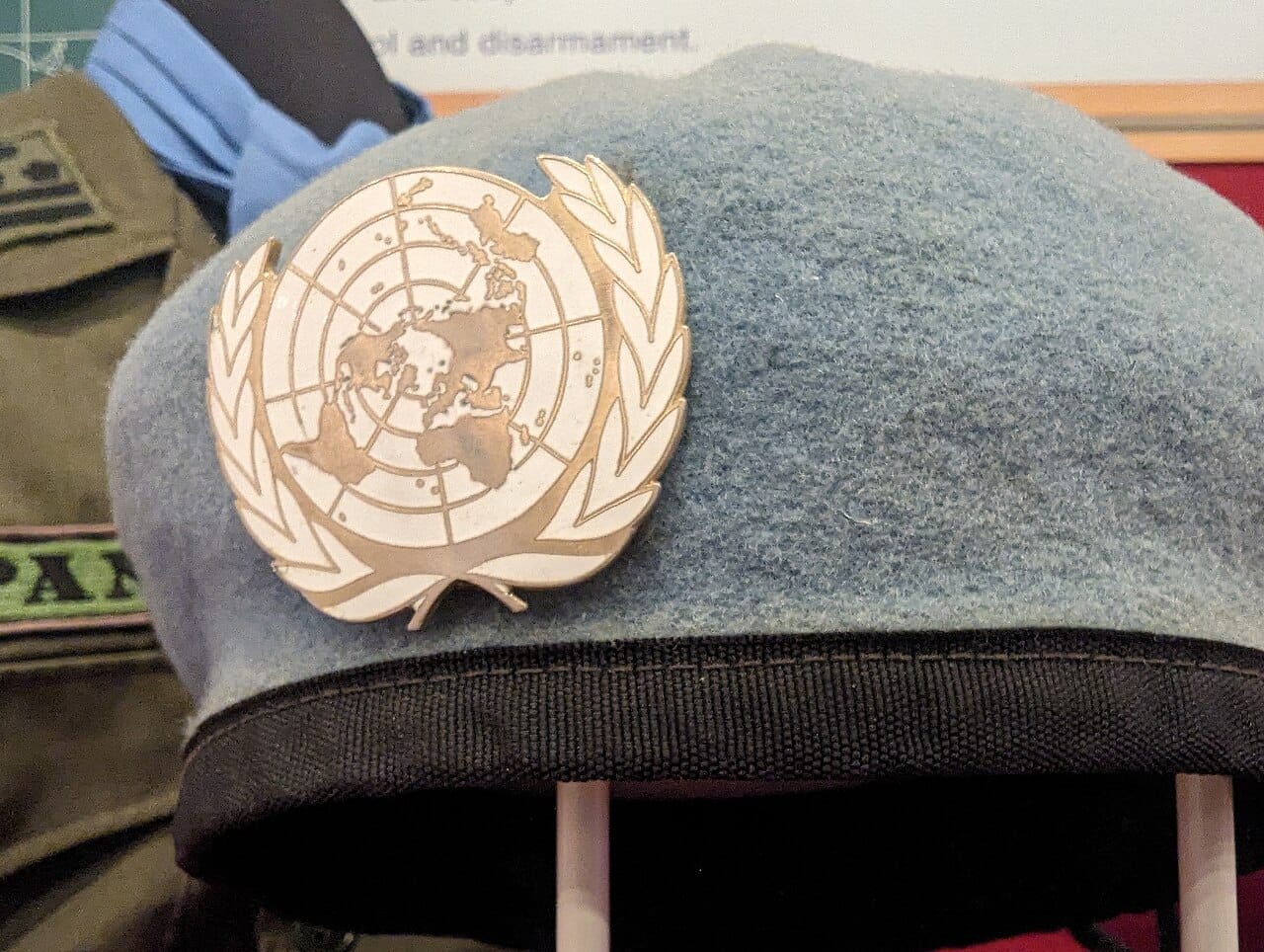
10 Conflicts to Watch in 2026
As we moved into 2026, the world is no longer merely “watching” conflicts – it is living with them. Civil war in Sudan has deepened into a regional humanitarian catastrophe, Ukraine remains locked in a war of attrition with global consequences, India-Pakistan tensions continue to cast a long shadow over South Asia and multiple theatres across Central Africa are sliding into protracted violence. This special newsletter revisits the evolving conflict landscape and examine what these wars reveal about power, governance and the fragility of the current global order and why their trajectories in 2026 matter far beyond their immediate borders.
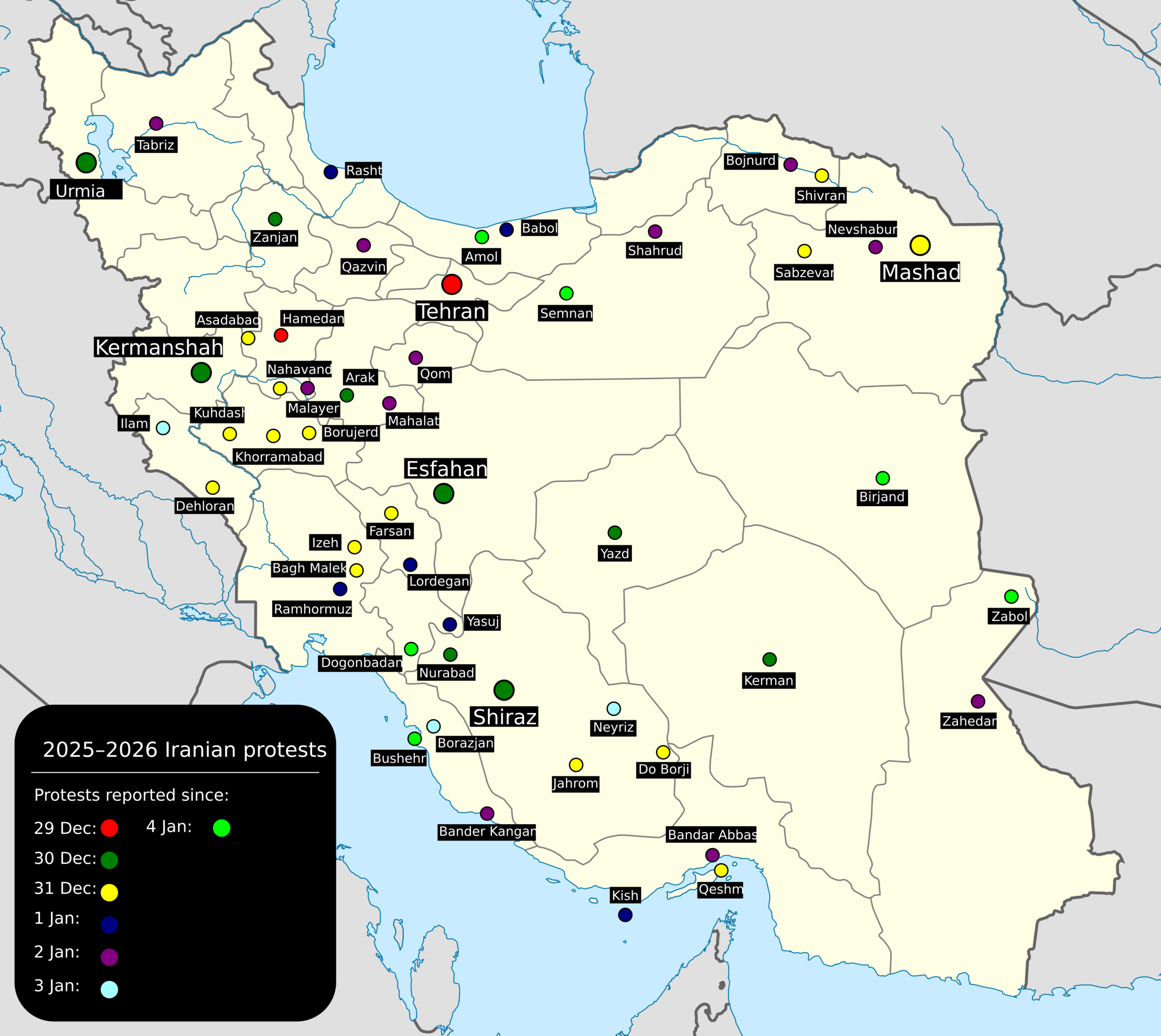
Economic Collapse and Political Revolt: Iran on the Edge
Since the last week of December 2025, Iran has seen its largest uprising in years. The immediate cause was the collapse of the national currency, the rial. Shopkeepers in Tehran’s Grand Bazaar shut their stores in protest, sparking a nationwide demand for political change. What started as an economic complaint quickly escalated into a direct challenge to the theocracy. The unrest spread to at least 78 cities and over 200 locations by early January 2026. This movement, met with harsh repression, has tested the regime’s stability.
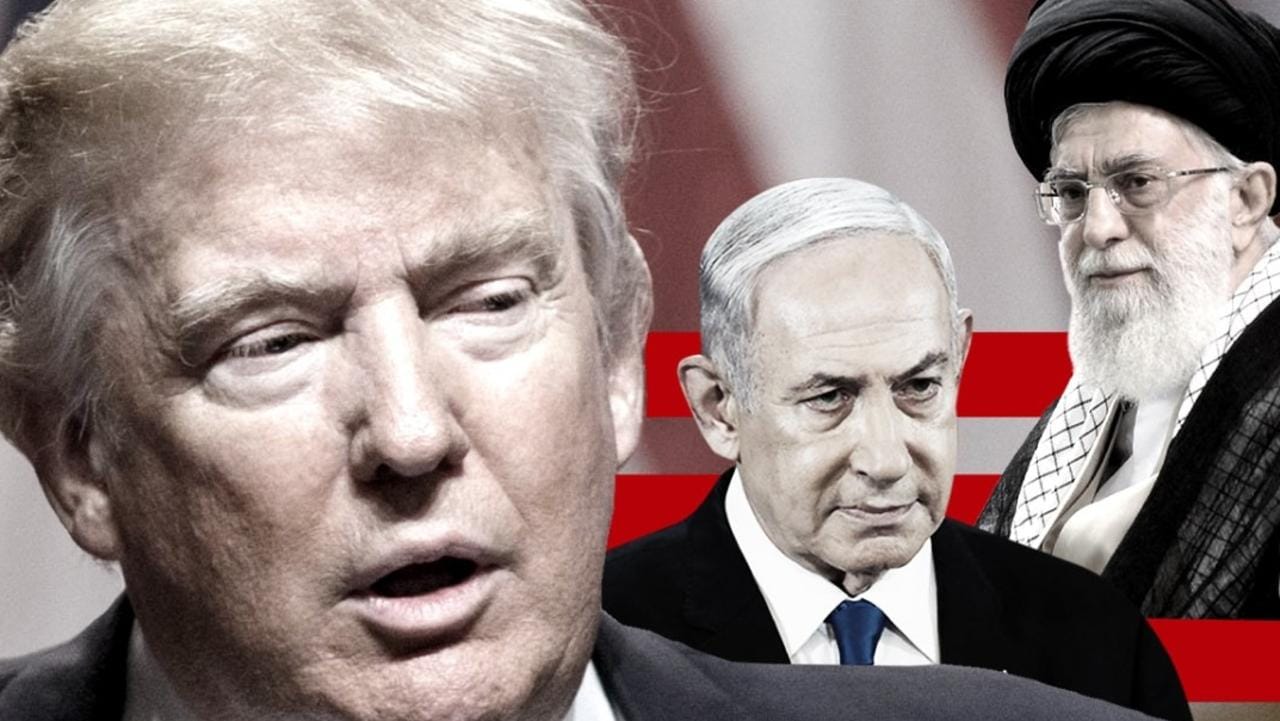
Trump’s Middle East Gamble
Since President Donald Trump’s inauguration for his second term in January 2025, the geopolitical landscape in the Middle East has undergone profound changes. The administration’s renewed assertiveness has reignited longstanding disputes and strategic rivalries, most notably among Iran, Israel, and the United States. This article provides a comprehensive, practical analysis of these developments—detailing U.S. military engagements, Iran’s nuclear ambitions, Israel’s strategic recalculations, and the broader regional and international ramifications.

Balochistan Terror Attack: A New Phase in Insurgency?
Balochistan, Pakistan’s largest yet most underdeveloped province, has been a hotspot for insurgency, terrorism, and geopolitical contestation. The recent terror attack in Balochistan, which targeted security forces, infrastructure, and civilians, has once again underscored the province’s precarious security situation. Beyond its domestic impact, the attack carries significant regional and international implications, particularly for Pakistan’s relations with India, China, Iran, and Western powers. This article provides an in-depth analysis of the attack’s origins, the regional and global responses, and the effectiveness of counterterrorism efforts.
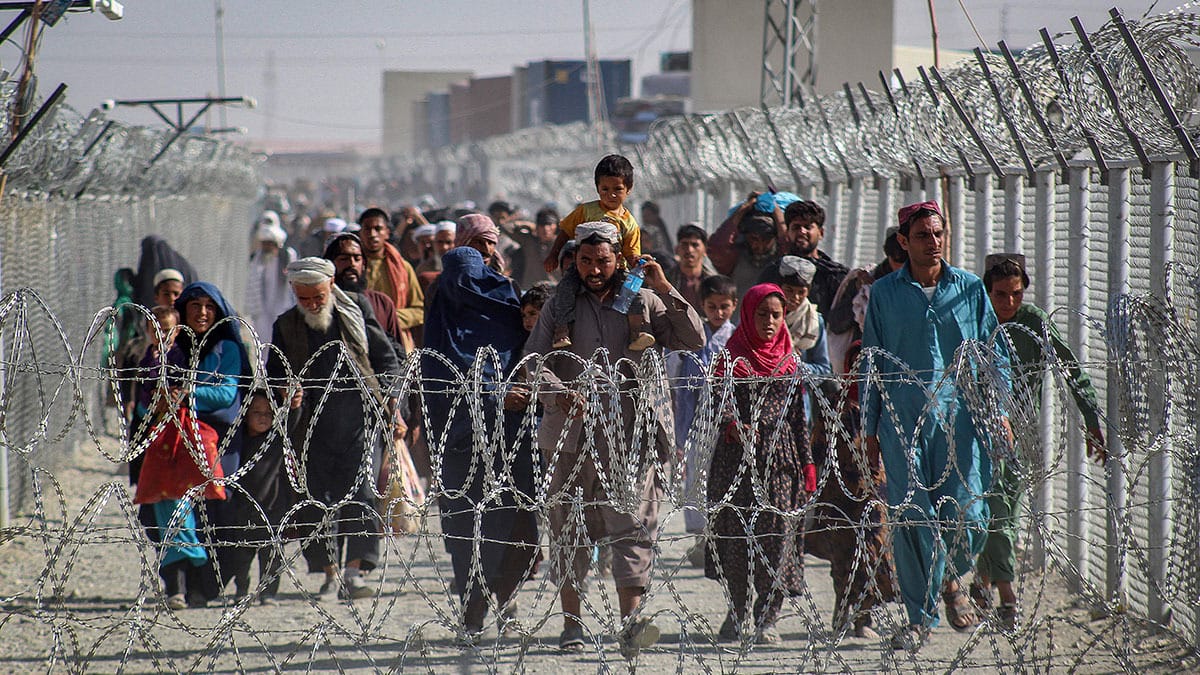
Afghan Refugee Crisis: Assessing Pakistan’s Shifting Policies
Least-developed countries host the largest number of refugees, according to UNHCR. In Asia and the Pacific, 90% of all refugees are concentrated in three nations: Iran (3.4 million), Pakistan (1.7 million), and Bangladesh (952,400), with Iran and Pakistan sheltering one of the largest Afghan refugee populations. Once a safe haven for Afghans fleeing persecution, Pakistan’s stance has now drastically shifted. The Pakistan Interior Ministry has advised all Afghan nationals to leave by March 31, 2025, with Afghan Citizen Card (ACC) holders required to depart voluntarily before the deadline or face deportation from April 1, 2025. This directive falls under Pakistan’s Illegal Foreigners Repatriation Program (IFRP), in effect since November 1, 2023.
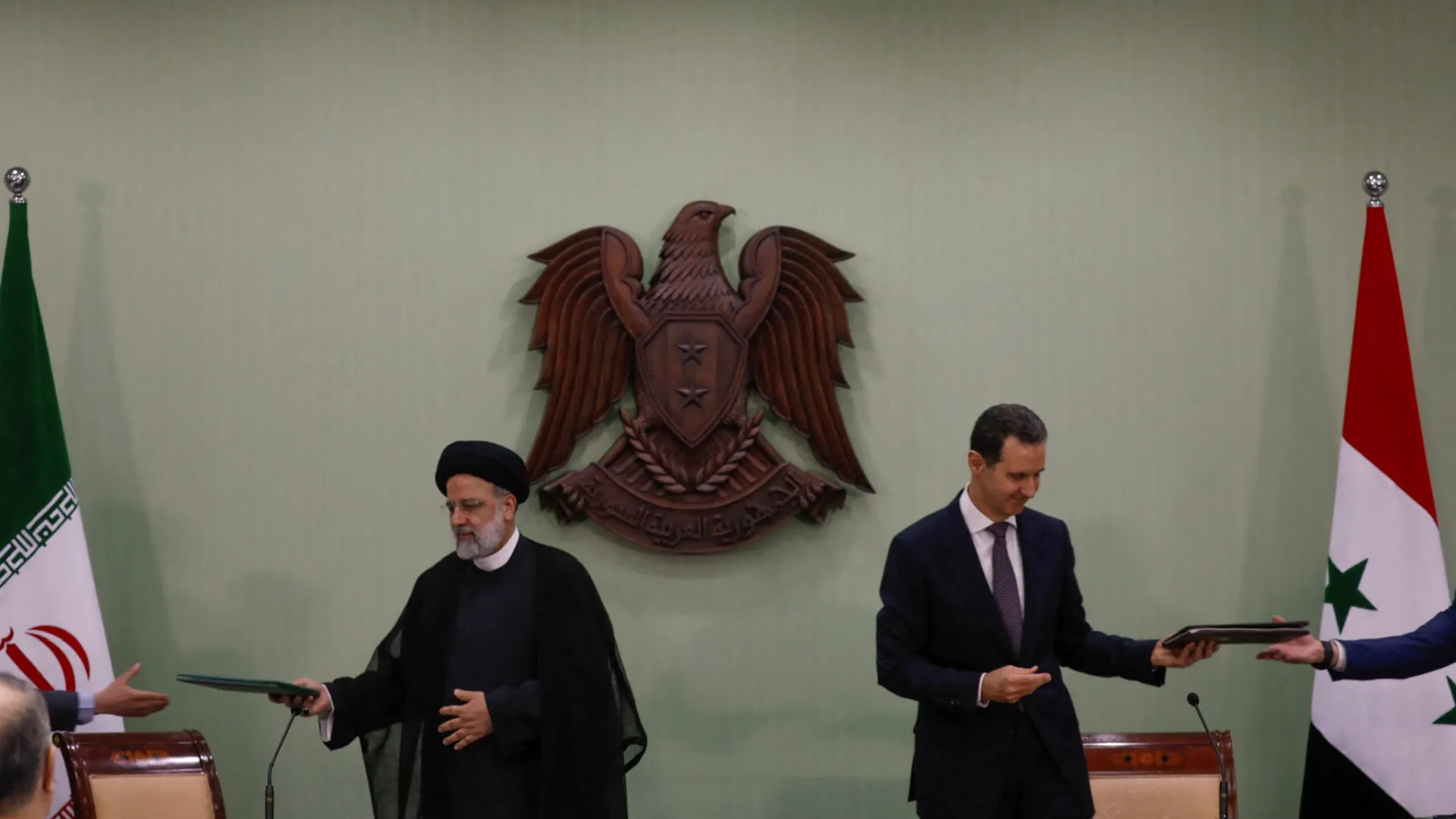
Iran in Syria: A Strategic Setback, Not a Defeat
The blitzkrieg campaign by the Syrian rebel coalition headed by the Hayat Tahrir Al-Sham (HTS) leader Abu Mohammed al-Jolani ended the five-decade rule of the Assad family in Syria. President Bashar al-Assad was removed from power after an arduous and long decade of protest by the rebel groups. Amidst the dramatic shift, the future stakes of Iran in Syria have come into the spotlight. Being a prominent ally of Assad, Iran has faced strategic setback in a country crucial to enhancing its strategic depth. Nevertheless, it is too early to determine the aspect of strategic defeat as Tehran has the vitality to recalibrate its policy.