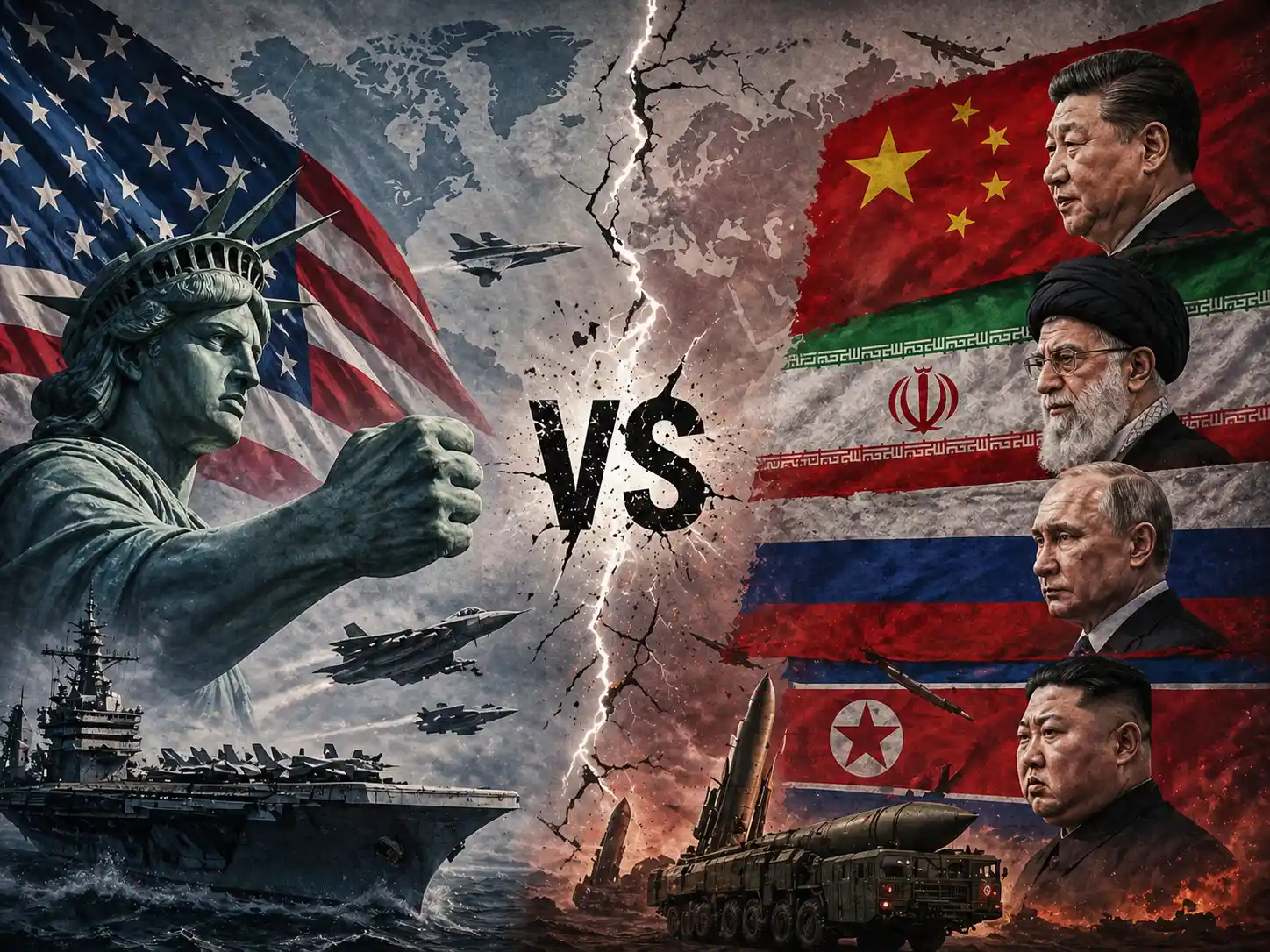
China and Russia have moved swiftly to co-opt the Venezuelan narrative within multilateral forums, particularly the UN Security Council. Both nations backed Venezuela’s request for an urgent Security Council meeting, with China’s UN ambassador having previously stated at a December session that Beijing opposed all acts of unilateralism and bullying, urging Washington to refrain from interfering in Venezuela’s internal affairs. During the January 5 emergency session, Chinese and Russian representatives demanded Maduro’s immediate release while framing the raid as a violation of the UN Charter
Author: Mansi R. Suryavanshi
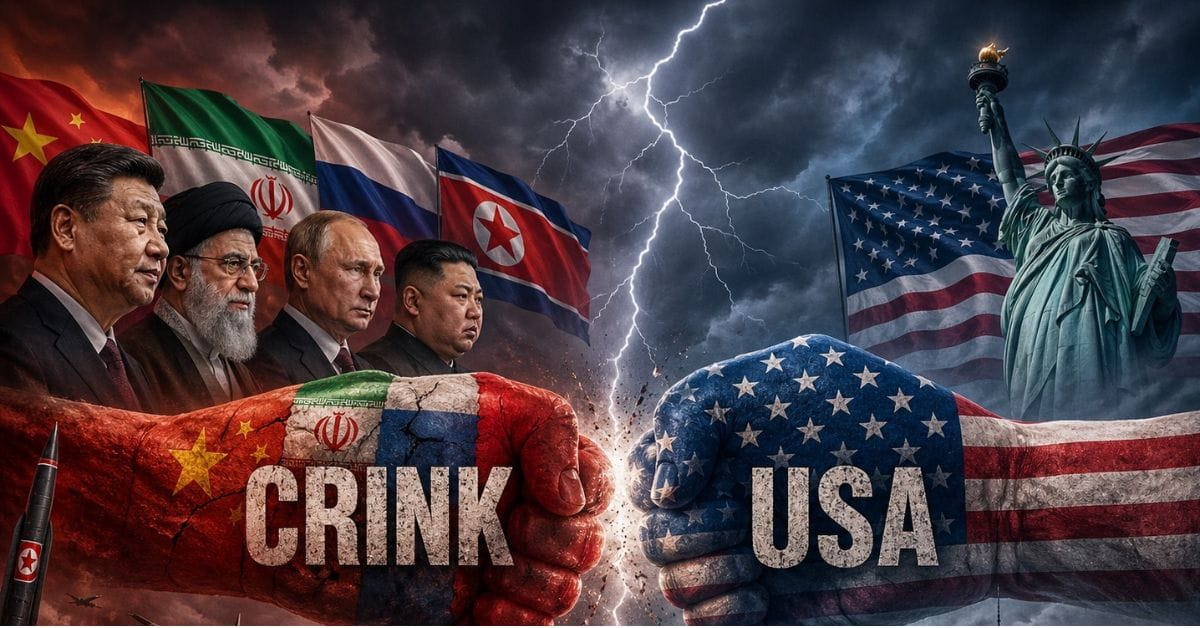
How CRINK Actors are using the Venezuelan Raid to Legitimise Anti-U.S. Norms
On January 3, 2026, United States forces executed Operation Absolute Resolve, a predawn military strike on Caracas that resulted in the capture of Venezuelan President Nicolás Maduro and his wife, Cilia Flores. The operation, which involved suppressing Venezuela’s air defences and extracting Maduro from his compound within hours, sent shockwaves across the international system. The response from China, Russia, Iran, and North Korea, the adversary coalition often termed CRINK or the Adversary Entente was swift and coordinated. Beijing condemned the move as deeply shocking hegemonic aggression.

Strategic Arctic Competition: When National Security Trumps Sovereignty
On Wednesday, January 14, 2026, high-level talks between the Trump administration and Danish-Greenlandic officials ended precisely where they began: in deadlock. Following a White House meeting with Vice President JD Vance and Secretary of State Marco Rubio, Danish Foreign Minister Lars Lokke Rasmussen emerged to confirm a “fundamental disagreement” remained over Greenland, despite establishing a working group to explore compromise. Hours earlier, President Trump had doubled down from the Oval Office, declaring “we need Greenland for national security” while questioning whether “Denmark can do about it if Russia or China wants to occupy Greenland.”
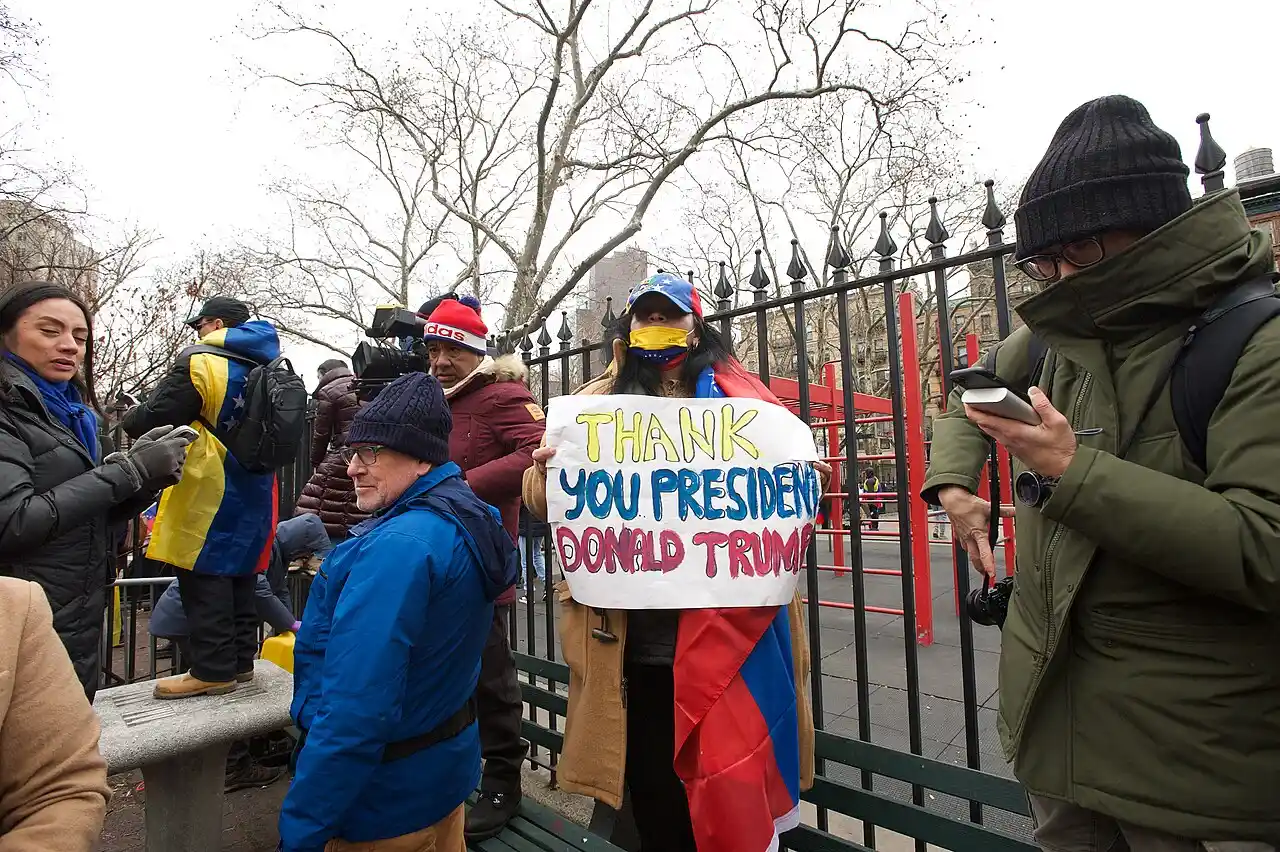
How Criminal Law Became a Tool of U.S. Foreign Policy in Trump’s Maduro Operation
In the early hours of January 3, 2026, more than 150 U.S. military aircraft launched from bases across the Western Hemisphere, converging on Caracas. By dawn, Venezuelan President Nicolás Maduro was aboard the USS Iwo Jima, bound for New York to face narcoterrorism charges. The operation, codenamed “Absolute Resolve,” represented the most audacious military action against a foreign head of state since the 1989 Panama invasion. But unlike traditional warfare, this operation unfolded under a different legal banner entirely: law enforcement.
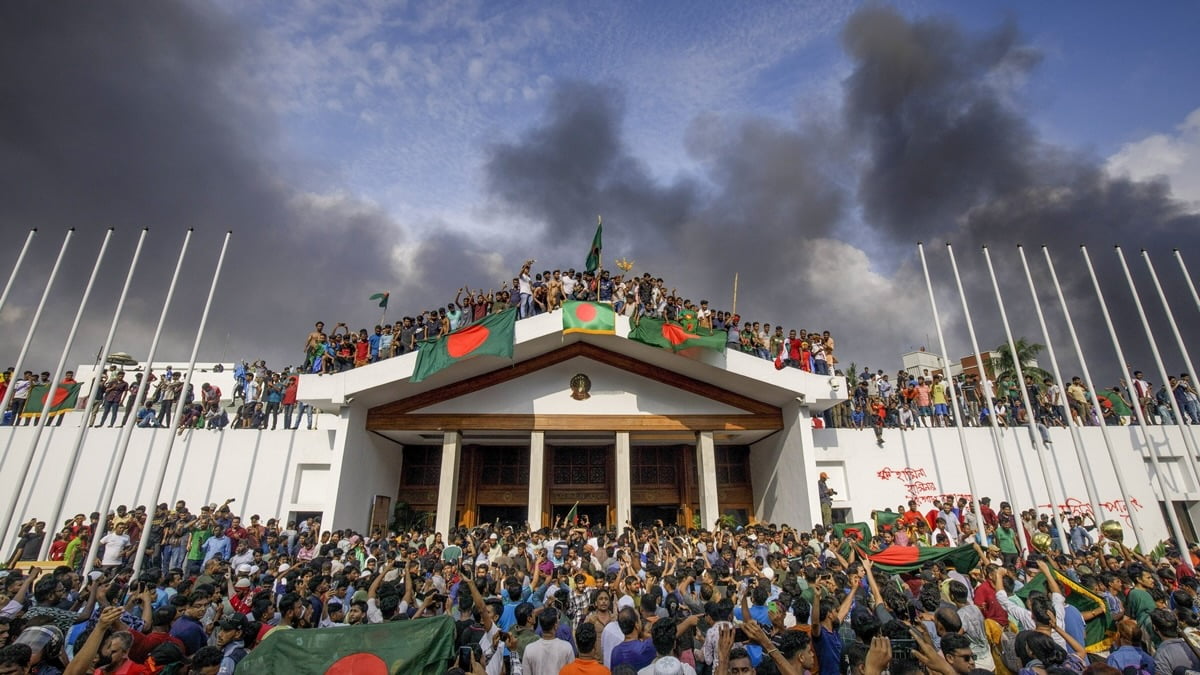
This is what Sheikh Hasina’s Bangladesh Looks Like
Bangladesh’s complex history, marked by its struggle for independence from Pakistan in 1971, provides a backdrop to the current turmoil. While the United States played a role during that period, the recent protests are driven by domestic issues such as the quota system, police brutality, and economic challenges. The recent turmoil in the country has been multifaceted, with several factors contributing to the ongoing crisis.

The Cult of Narcissism: How Social Media Shapes Leaders’ Images
In the digital age, social media platforms have become powerful tools for shaping public perception. Leaders across the globe, from the Western world to the Middle East and Far East, have harnessed these platforms to cultivate their images. Among these leaders, some exhibit traits associated with narcissism, a personality characteristic marked by grandiosity, self-centredness, and an insatiable need for admiration. In this exploration, we delve into how social media portrays narcissistic leaders and the implications for their governance practices.
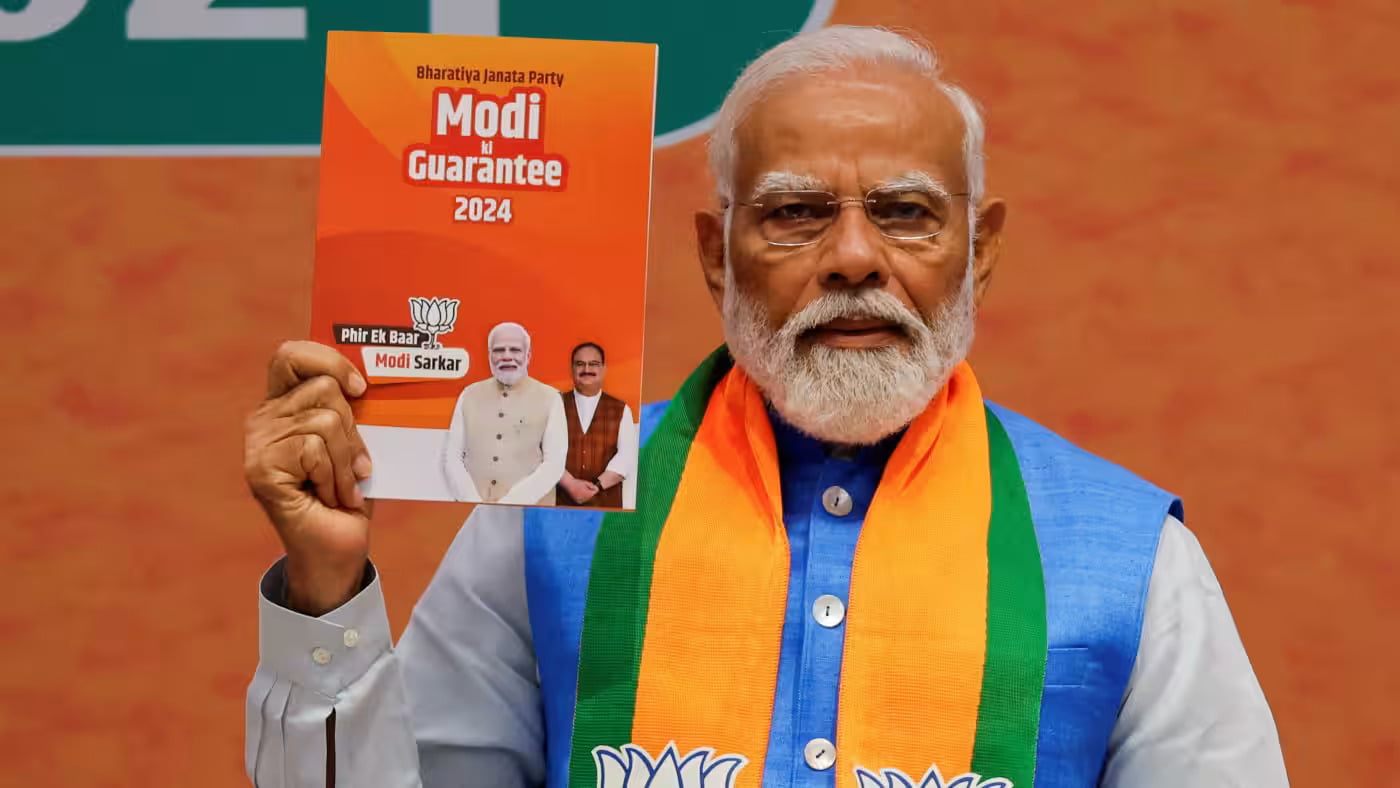
Bharatiya Janata Party’s Shifting Political Landscape
The Bharatiya Janata Party (BJP) emerged victorious in the 2024 Indian general elections, securing a third consecutive term under Prime Minister Narendra Modi’s leadership. However, […]
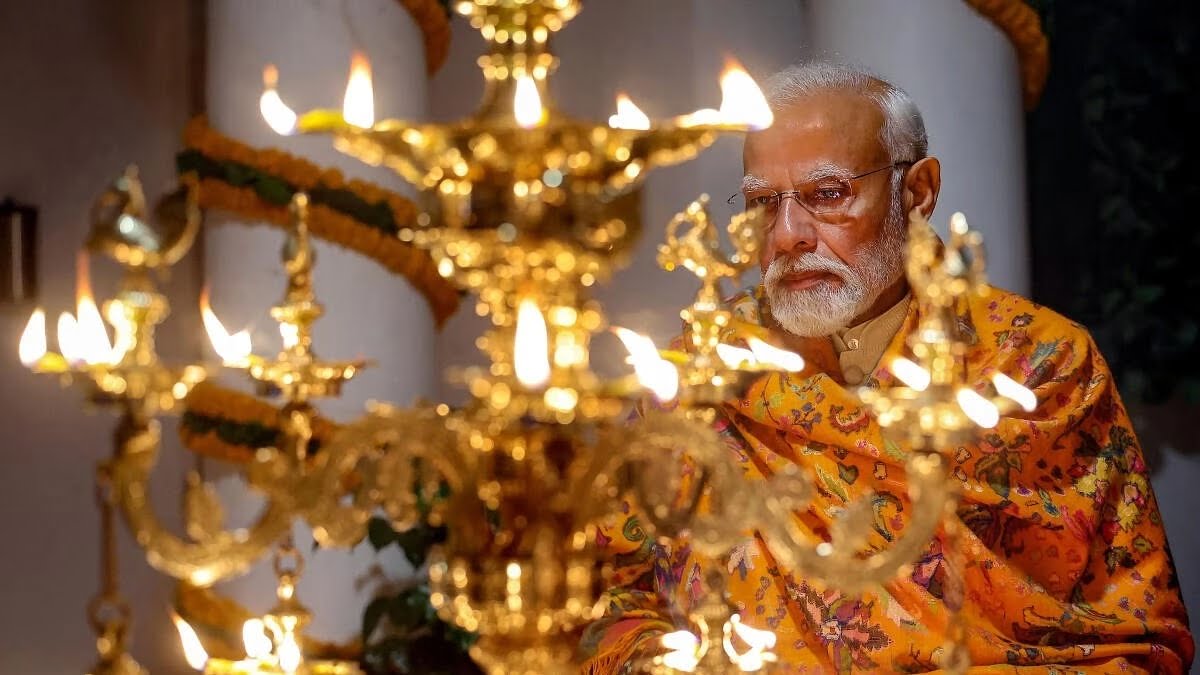
Ram Mandir Event: A Historic or a Political Move?
The consecration ceremony of the Ram Mandir in Ayodhya on January 22, 2024, marked a significant moment for India. The event fulfilled a long-standing promise of the BJP, with political implications for the upcoming Lok Sabha 2024 election. It also represents a step towards unity and harmony, following the Supreme Court’s verdict in 2019. The event was both religious and political, shaping the nation’s future.