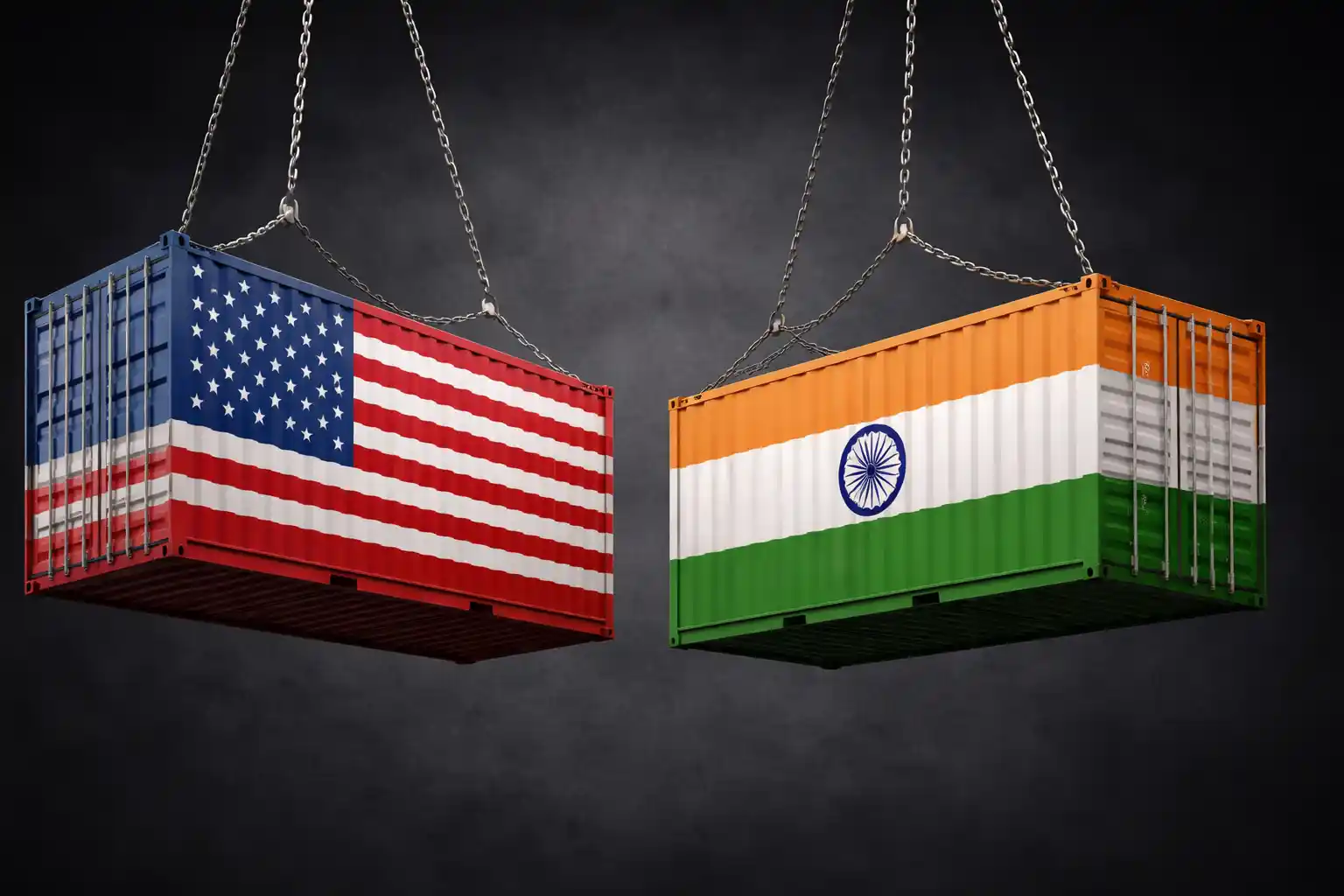
The India-US relationship came to a standstill during the Trump 2.0 administration, with skyrocketing tariffs up to 50 percent since August 2025, creating an economic burden on India. Within the unpredictable geopolitical environment, the interim trade agreement between India and the United States finally came to terms in February 2026, but the recent ruling of the US Supreme Court brought the deal to a halt. The Supreme Court struck down Trump’s sweeping global tariffs, ruling that he cannot use the 1977 emergency powers law to slap blanket duties on nearly every country.
Tag: Trade
Is Modern Industrial Policy a Return to Mercantilism?
In the post-Cold War decades, globalisation developed along a distinctly liberal economic logic. The US-led multilateral trade regime was conceived essentially as a framework under which open markets, comparative advantage, and multilateral trade would lead to prosperity and stability. Production networks extended beyond borders, but this process was driven by cost efficiency and market rationalisation, not strategic government direction.
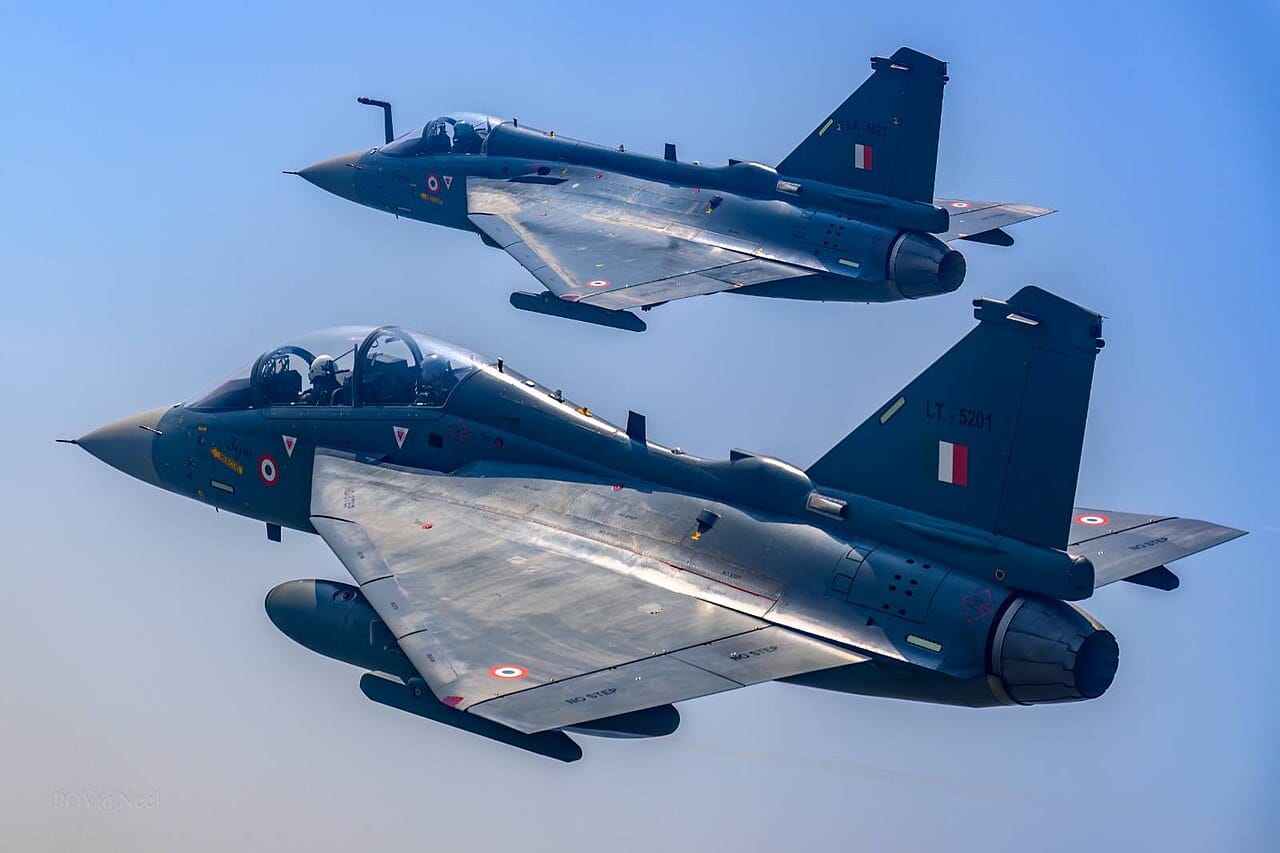
The Draft Defence Acquisition Procedure 2026
The Draft Defence Acquisition Procedure 2026 (DAP 2026) is the latest proposed revision of India’s defence procurement architecture. Unveiled by the Ministry of Defence (MoD) on 10 February 2026, the draft aims to fundamentally transform how the Indian armed forces acquire critical systems, weapon platforms and defence technologies under the capital budget. Its objective is to replace the existing DAP 2020 with a more streamlined, self-reliant and strategically responsive acquisition framework that aligns procurement with India’s evolving security imperatives and domestic industrial growth.
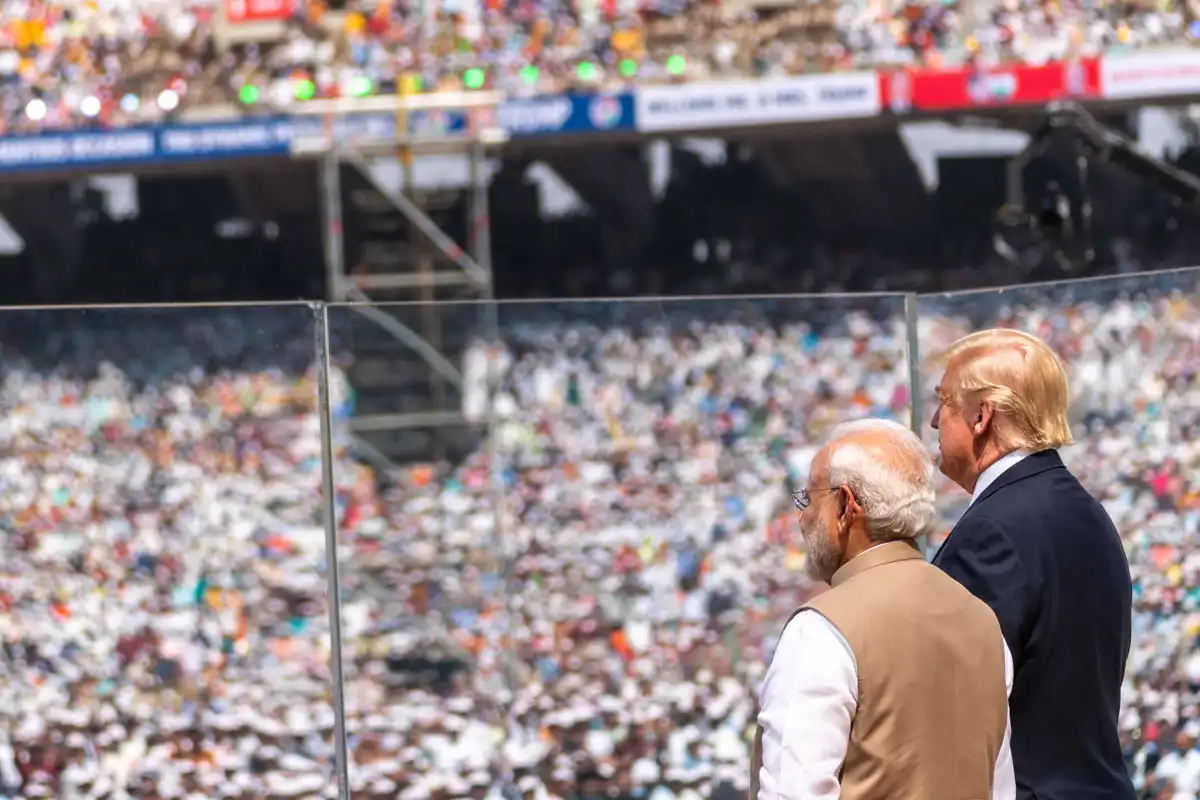
India-U.S. Trade: A Strategic Reset in an Uneven Global Economy
In early February 2026, Prime Minister Narendra Modi and U.S. President Donald Trump unveiled an interim framework for a trade agreement, marking an important milestone that goes beyond a simple commercial arrangement: it highlighted a developing economic partnership influenced by both geopolitical factors and market needs. This agreement, which decreases effective tariffs on Indian products entering the American market and enhances reciprocal access, was formulated amid previous trade conflicts and tariff disputes between the two nations
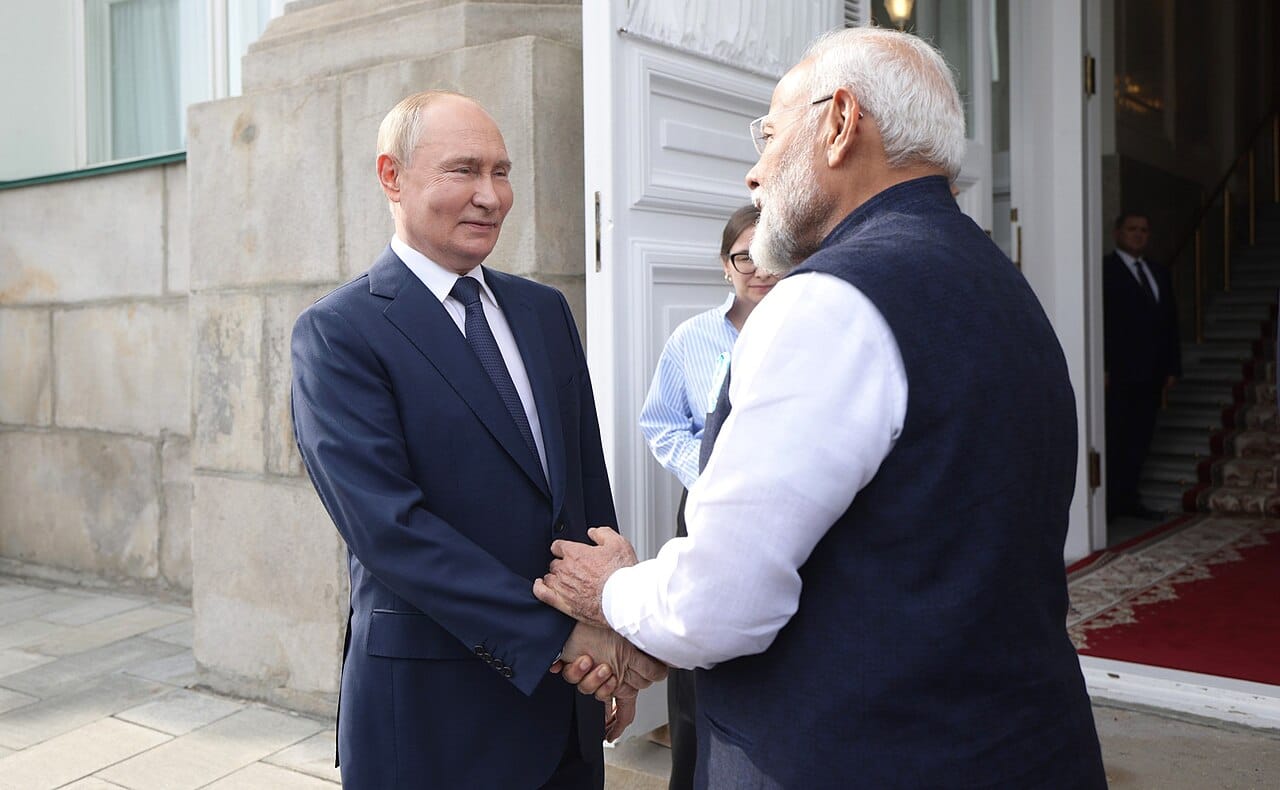
The Evolving Nexus: A Deep Dive into the 23rd India-Russia Annual Summit
The State Visit of Russian President H.E. Mr. Vladimir Putin to New Delhi on December 4-5, 2025, for the 23rd India-Russia Annual Summit, is not merely a routine diplomatic exchange; it represents a pivotal moment in global diplomacy. This summit, occurring against the backdrop of an intensely volatile geopolitical landscape marked by the lingering impacts of the Ukraine conflict, forces a comprehensive reassessment of the ‘Special and Privileged Strategic Partnership.’ The core dynamic now defining this relationship is a sophisticated act of strategic balancing by India, leveraging Russia’s crucial, albeit redefined, military role against a mushrooming, energy-driven economic dependence.
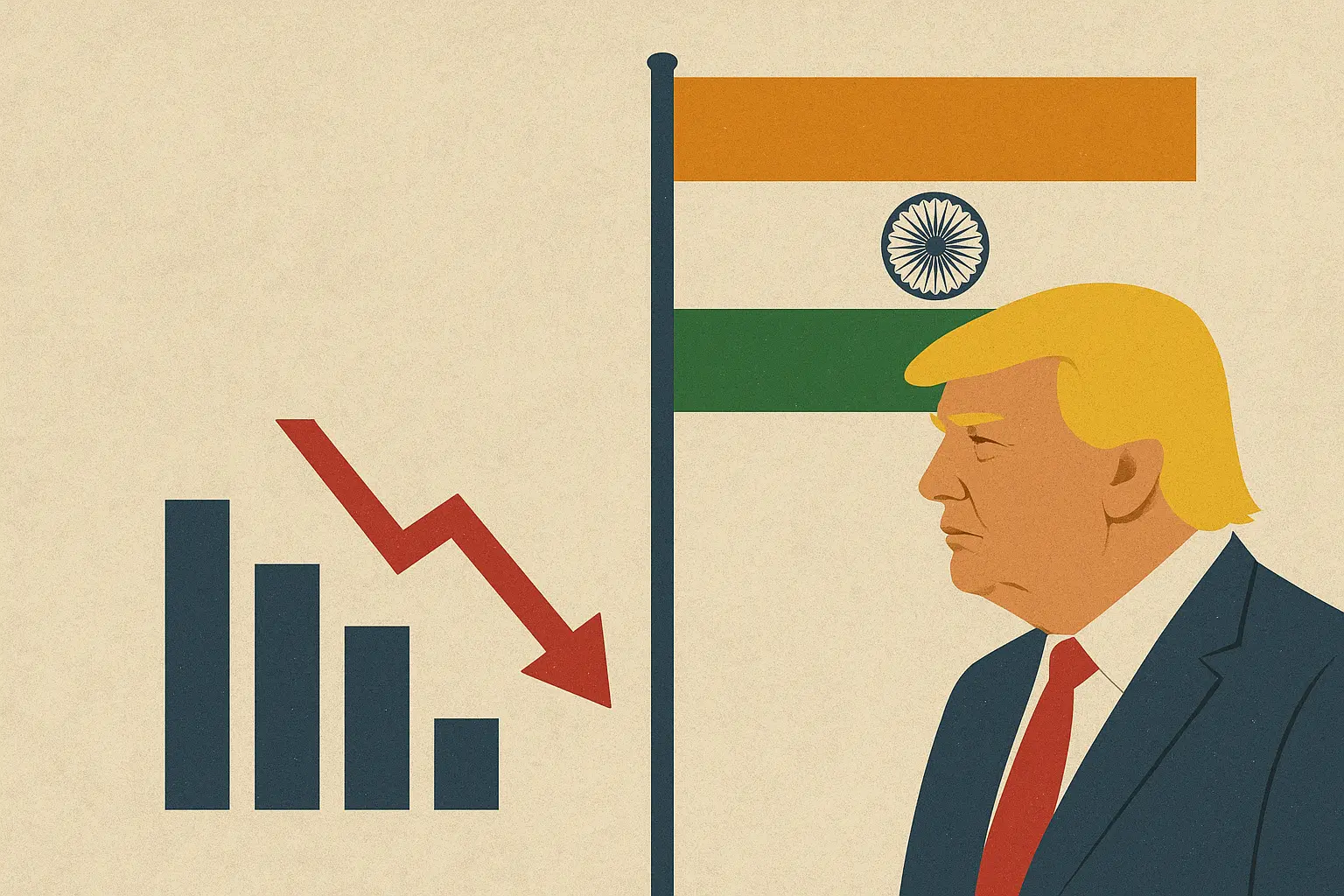
Tariffs ≠ Collapse: India’s Trade Journey through Trump-Era Tariffs
When the “America First” trade policy was declared by U.S. President Donald Trump in his previous term, he framed it as a move to protect U.S. workers from what he labeled unfair foreign competition. India, even as a long-time U.S. ally, found itself squarely in the crosshairs. Trump claimed that India charged high tariffs on American products while gaining preferential entry into U.S. markets. Such a disparity, he said, required a corrective measure. The tariffs did not come as a blanket measure initially but were developed incrementally through a series of increments.
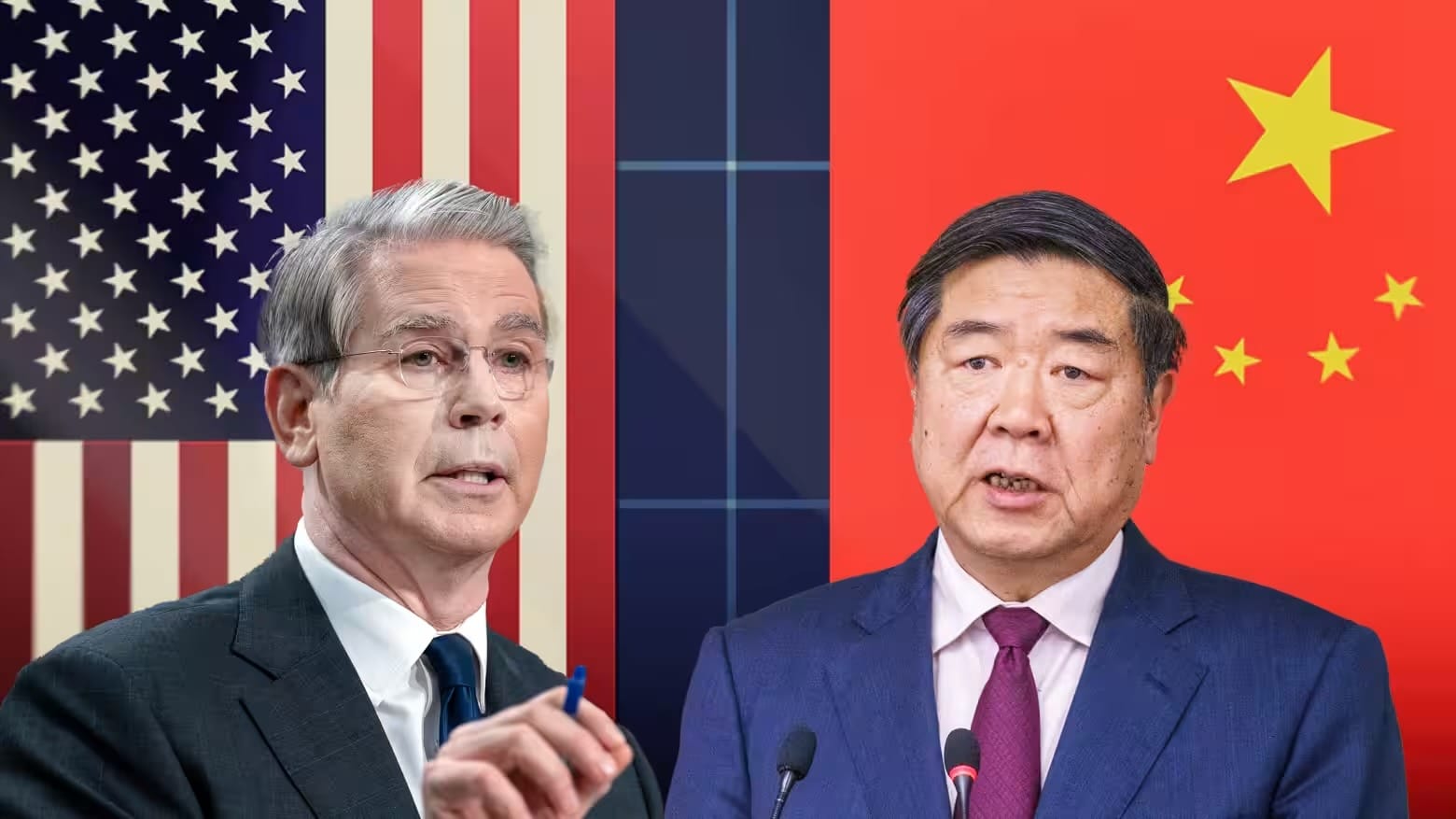
Trade Truce of Trump with China: Tactical Withdrawal or Strategic Rebalancing?
In May of 2025, President Donald Trump had a significant announcement on his administration’s long-running trade conflict with China: a temporary agreement that reverses part of the high tariffs that have been levied over the last two years and provides a 90-day period for negotiations. Described by the White House as a “strategic recalibration” and by Beijing as a “welcome but cautious step,” the agreement is the first concrete easing of a battle that has broken global supply lines, shaken financial markets, and transformed geopolitical alignments.

Decoding the Economy of an Isolationist Country
Being one of the most isolated, secretive, dark and censored countries in the world, North Korea continues to baffle audiences and surpass trends of journalistic opportunity. It has one of the largest militaries in the world, a staggering domestic infrastructure and much speculation as to what goes on inside the closed-to-exhibition country. The citizens aren’t allowed to venture outside and no official economic data has been published since 1965, which is both scary and bold at the same time.