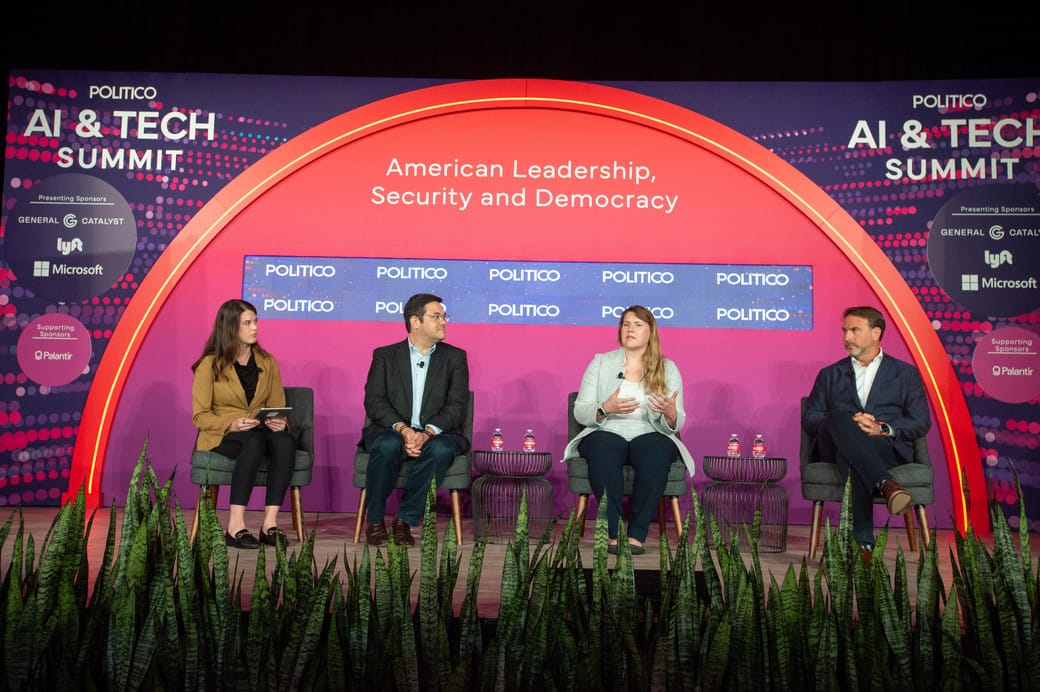
During the recent POLITICO Security Summit, US Representative Mike Lawler presented a forceful argument for reshaping America’s strategic alliances. Focusing on India and Saudi Arabia as fundamentally important to US security interests for the coming decade, Lawler sketched out a policy direction that does not merely seek to deepen bilateral relationships but also rebalance world power in reaction to the intensifying assertiveness of China, Russia, Iran, and North Korea.
Tag: India

What Lies Ahead for CPoKEC and Pakistan’s Islamic Alliances
Pahalgam terror incident of April 2025, an attack targeting civilians in Jammu and Kashmir has provoked not only diplomatic ripples but also a strategic recalibration of how Pakistan is perceived by its principal allies and benefactors. As attribution patterns increasingly implicate Pakistan-based non-state actors, questions arise about the resilience of two critical pillars of Islamabad’s external orientation: China’s economic investments via the CPoKEC, and Pakistan’s long-standing religious-political solidarity with the Muslim world.
India’s post-Pahalgam Doctrine in the Shadow of Institutional Deficit
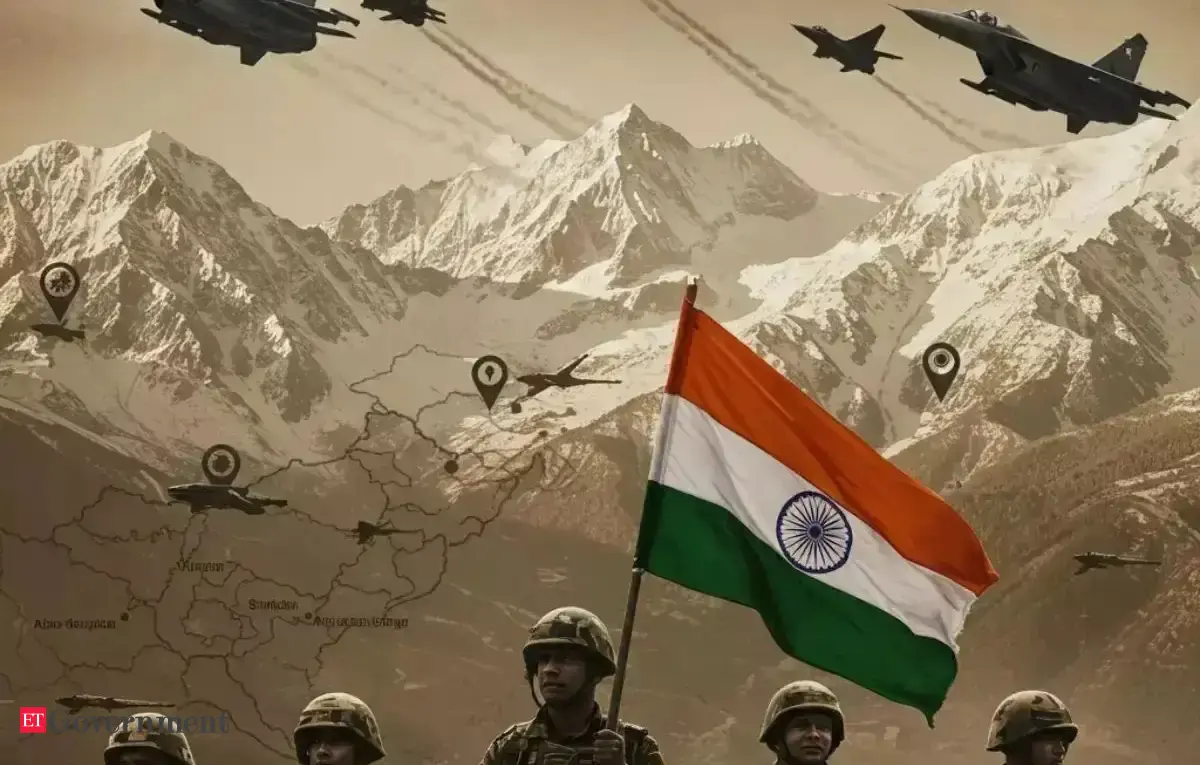
April 2025 attack in Pahalgam, which resulted in the loss of civil-security personnel, did not provoke an immediate retaliatory strike from India. This deviation from past patterns, such as the Balakot airstrike of 2019, has puzzled many analysts. While public expectations leaned towards a swift kinetic response, India maintained a calibrated silence. This restraint does not imply strategic inertia but suggests an evolving doctrine shaped by regional complexities, global alignments, and domestic political calculus. India’s hesitance is not a retreat but a reflection of the growing understanding that militarised responses do not resolve established patterns of cross-border insurgency.
Pahalgam Massacre is Pakistan’s Islamist Tonic for its Domestic Audience
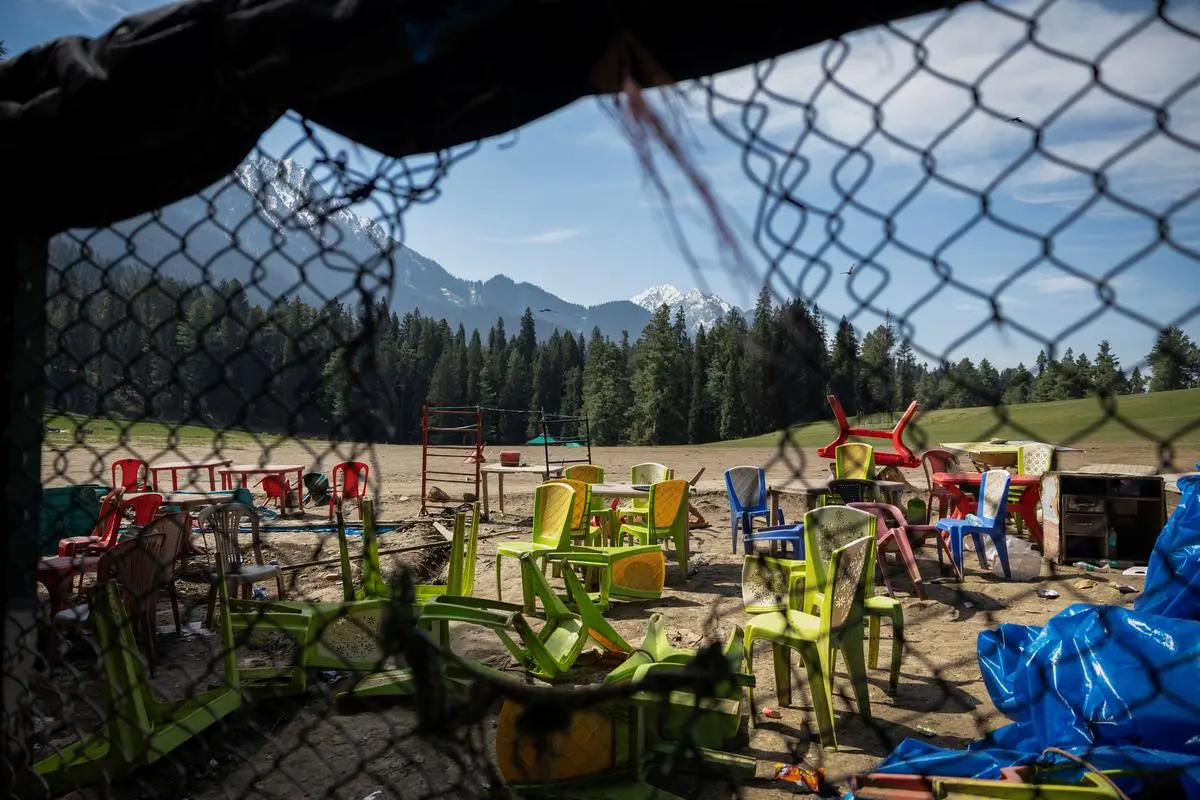
The brutal massacre of 25 Hindu tourists in Pahalgam, Kashmir by The Resistance Front (TRF), an offshoot of Lashkar-e-Taiba (LeT), backed by Pakistan has sent shock waves across the world. Many global leaders have condemned this barbaric attack and have pledged their solidarity against Terrorism. This was the deadliest attack in Kashmir after the abrogation of Article 370 in 2019. As per the eyewitnesses, the terrorists opened fire on the tourists, rounded them up and asked for their religion. The tourists were even asked to recite the ‘Kalma’ and their pants were unzipped to identify Muslims.
Pakistan’s Operation Bunyan-un-Marsoos: Flexing Muscles to Hide Weak Knees
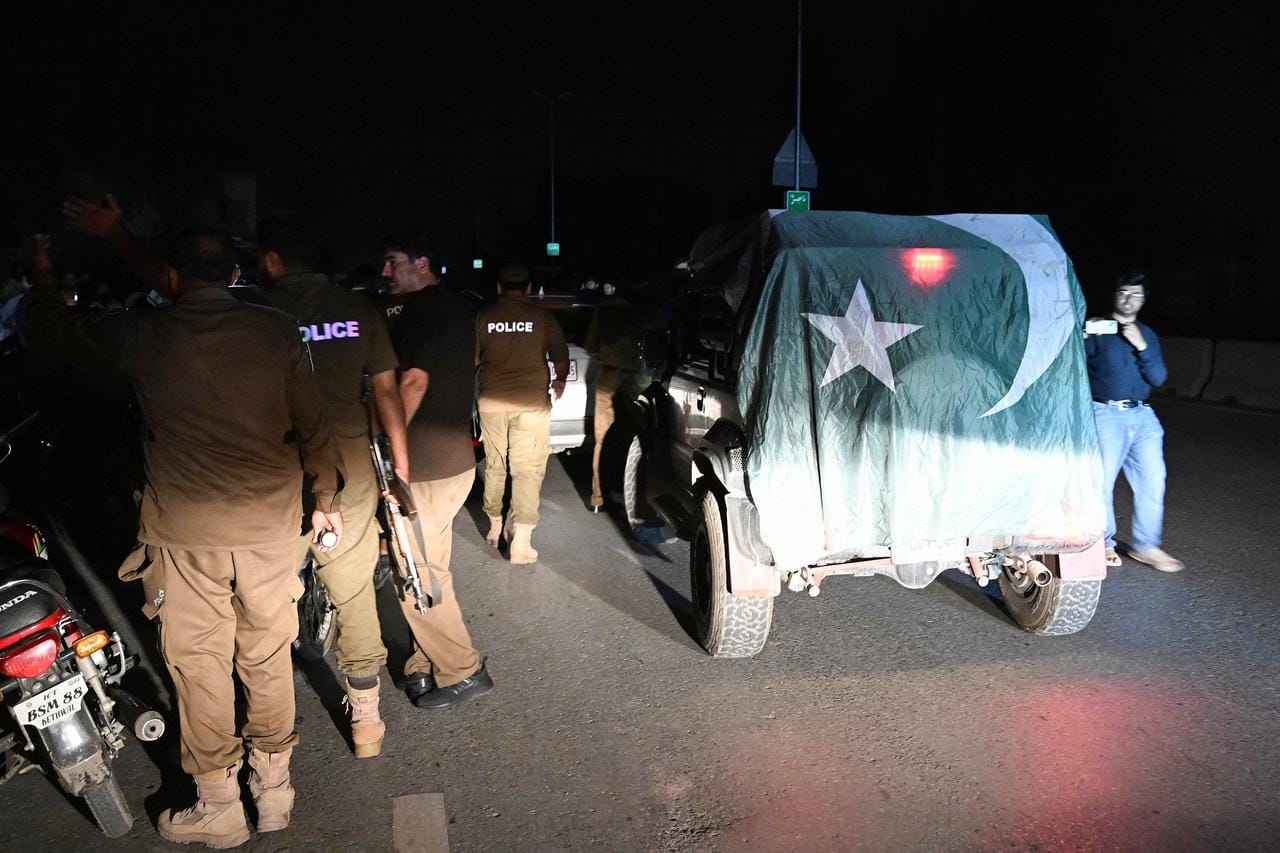
The operation, named after a Quranic term meaning “a solid structure,” targeted key Indian military installations, including the BrahMos missile storage facility in Beas and airbases in Udhampur and Pathankot. During the 3rd Ministry of External Affairs (MEA) briefing headed by foreign secretary Vikram Misri Read along with Colonel Sofiya Qureshi of the Indian Army, Wing Commander Vyomika Singh of the Indian Air Force, refuted Pakistan’s claim of attacking BrahMos storage site in Jammu.
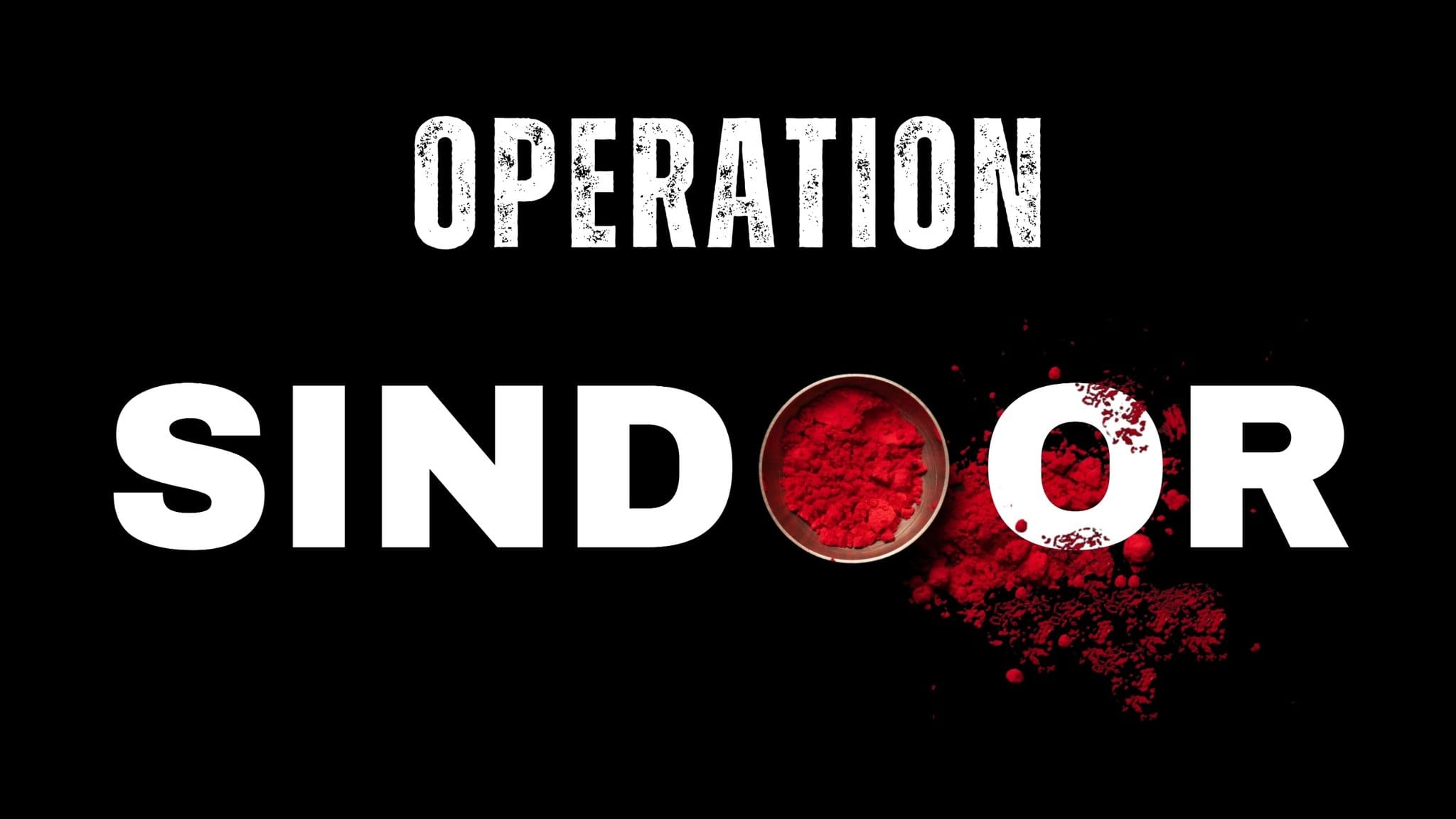
Operation Sindoor: Justice is Served by the Indian Army
The attack on (mostly Hindu) tourists triggered a nation wide call for swift military action and the same was promptly delivered by the Indian Armed Forces during early hours on 7th May 2025, codenamed Operation Sindoor. This article is a general briefing about the India’s swift military operation against Pakistan followed by ongoing retaliatory attacks and ending with aftermath along with remarks containing public and international reactions.
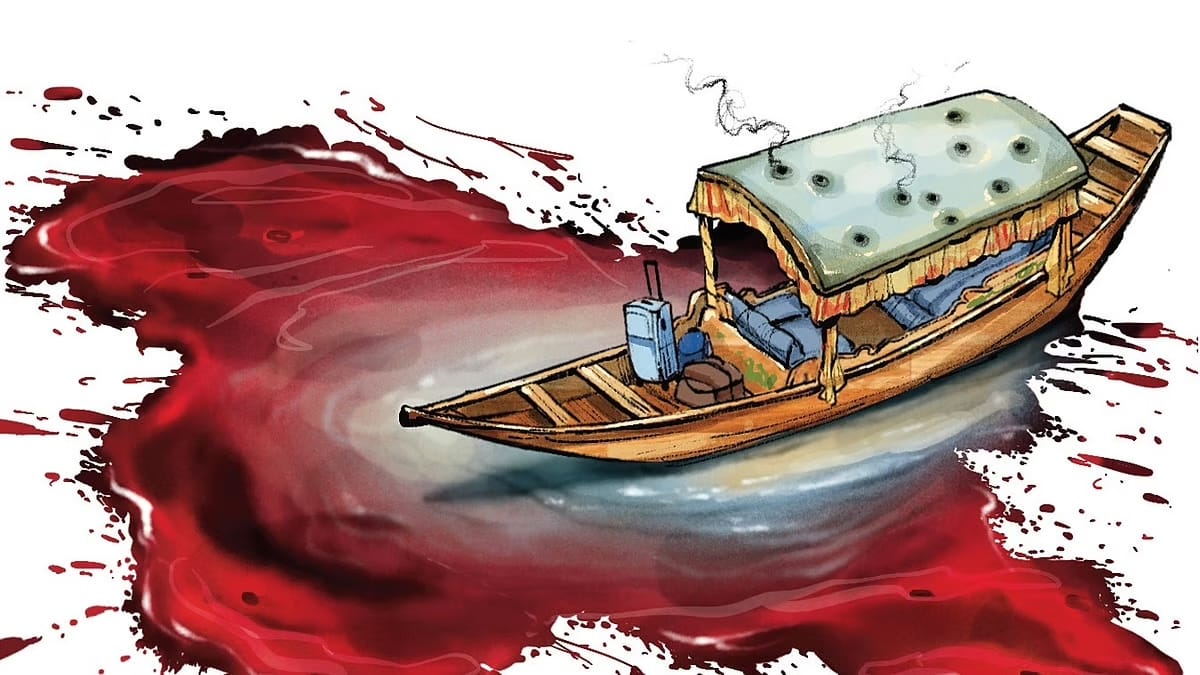
Decoding the Pahalgam Terror Attack through an Intelligence Lens
While my previous article (commentary) discussed the potential link between these two attacks and how they fit into the ongoing proxy conflict between India and Pakistan — more specifically between their respective intelligence agencies, namely the Research and Analysis Wing (R&AW) and the Inter-Services Intelligence (ISI) — in this article, I argue that Pakistan’s military, particularly its Special Service Group (SSG) (Pakistan’s special forces), must be behind this attack, with planning support from the ISI-backed groups, Lashkar-e-Taiba (LeT) and The Resistance Front (TRF).
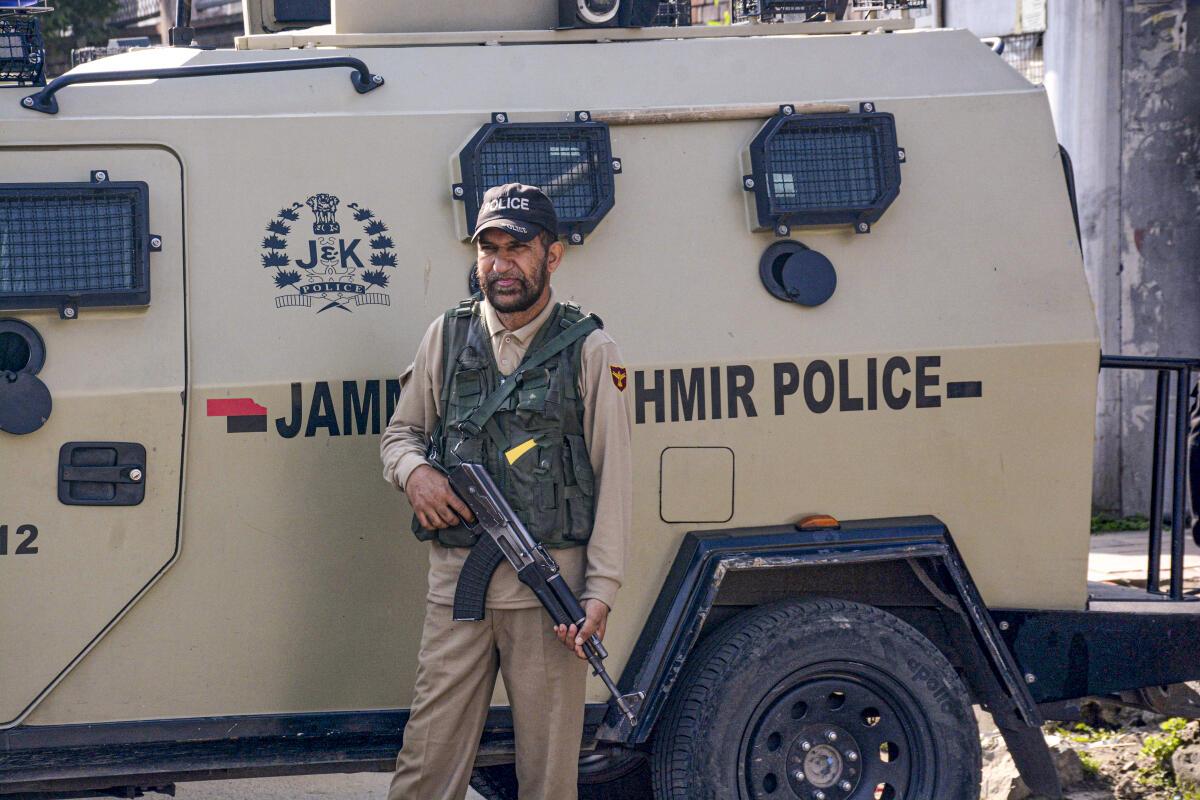
Is the Pahalgam Attack a Retaliation for the Jaffar Express Hijacking?
While it’s speculative, I find a connection with the unfortunate event of the targeted killing of Hindus by Islamic terrorists in Pahalgam yesterday, which fits within highly recognisable pattern of proxy conflicts and covert retaliatory attacks that have long characterised India-Pakistan dynamics especially around Kashmir and Balochistan. The connection forms in such a way that the Pahalgam attack, perpetrated by militants of the Pakistan-linked terror outfit The Resistance Front (TRF), is directly a predecessor to the Jaffar Express hijacking (11th March 2025), which was carried out by militants of the Balochistan Liberation Front (BLA), an outfit that Pakistan claims has links with India.

India and the FATF: Earning the Watchdog’s Praise
In a move, though not as relatively new as it is significant, the Financial Action Task Force (FATF) decided to place India in the “Regular Follow-Up” category, its highest rating category. For perspective, the FATF places the member countries into four groups: Regular follow-up, Enhanced follow-up, Grey list, and Black list (ordered from best to worst). With this, India joined the umbrella of France, Italy, and the UK. There is a comprehensive list of criteria which a member under evaluation needs to meet in order to find a place in the above list.

The Vital Role of Cultural Diplomacy in International Relations
Apart from the traditional notion of hard power that involves quantifiable military and economic might, soft power as a facet of power has found political resonance in the realm of international relations in recent decades. Pioneered by Harvard scholar Joseph Nye, soft power is a non-coercive facet of power that has become increasingly important in maintaining hegemony in the world. Soft power entails the art of subtly influencing outcomes by shaping the preferences of other countries and actors outside your own country via the tactics of attraction, appeal, and persuasion.