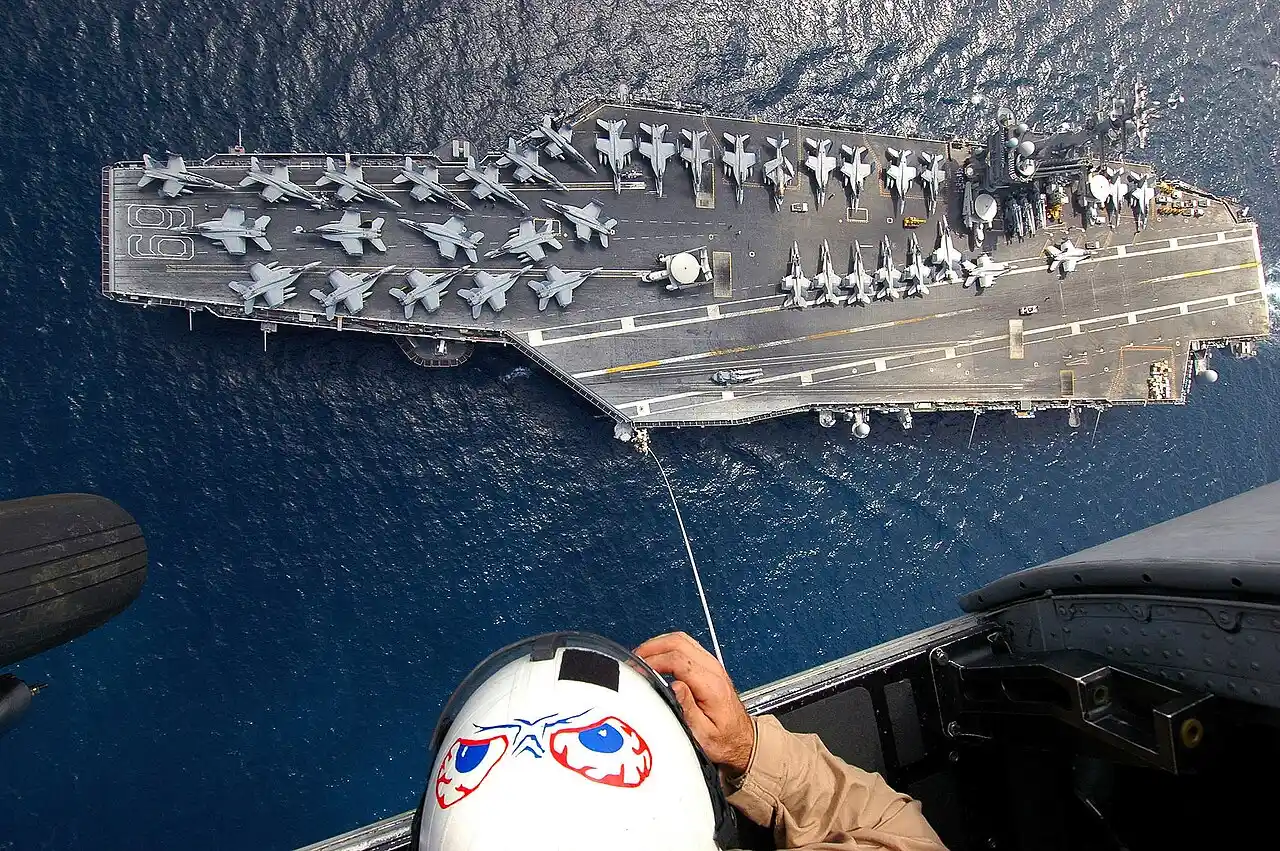
In the age of great power competition, wars are increasingly waged by proxy. Instead of meeting on the battlefield, major powers are armed, financed, informed, and militarily assisted partners fighting each other in other regions. From Europe to the Middle East, today’s wars more and more look like external powers are fighting on different sides, supporting, but not formally joining, the fight. This growing dependence on proxy warfare marks a transformation of international conflict at its core.
Tag: Global North
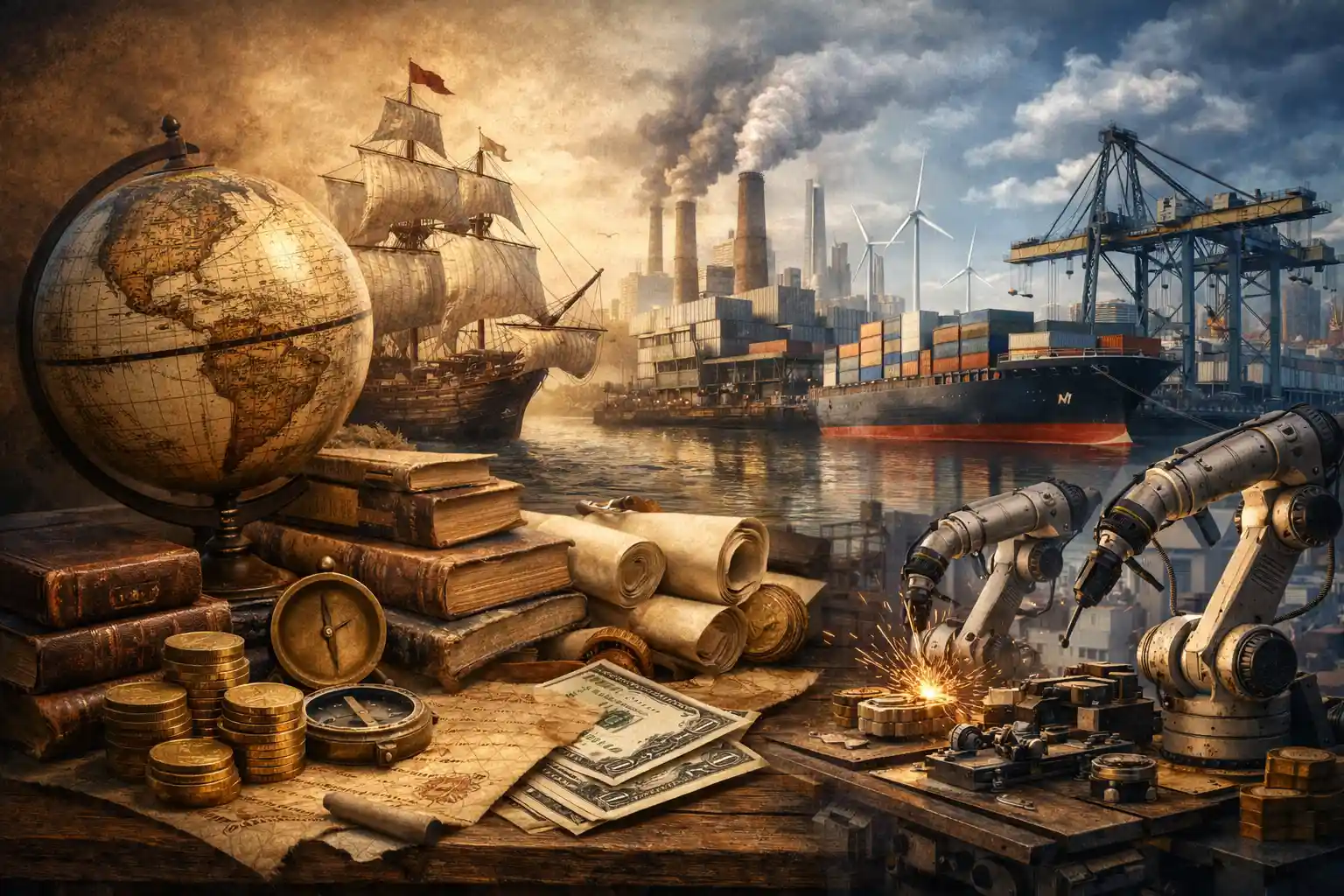
Is Modern Industrial Policy a Return to Mercantilism?
In the post-Cold War decades, globalisation developed along a distinctly liberal economic logic. The US-led multilateral trade regime was conceived essentially as a framework under which open markets, comparative advantage, and multilateral trade would lead to prosperity and stability. Production networks extended beyond borders, but this process was driven by cost efficiency and market rationalisation, not strategic government direction.
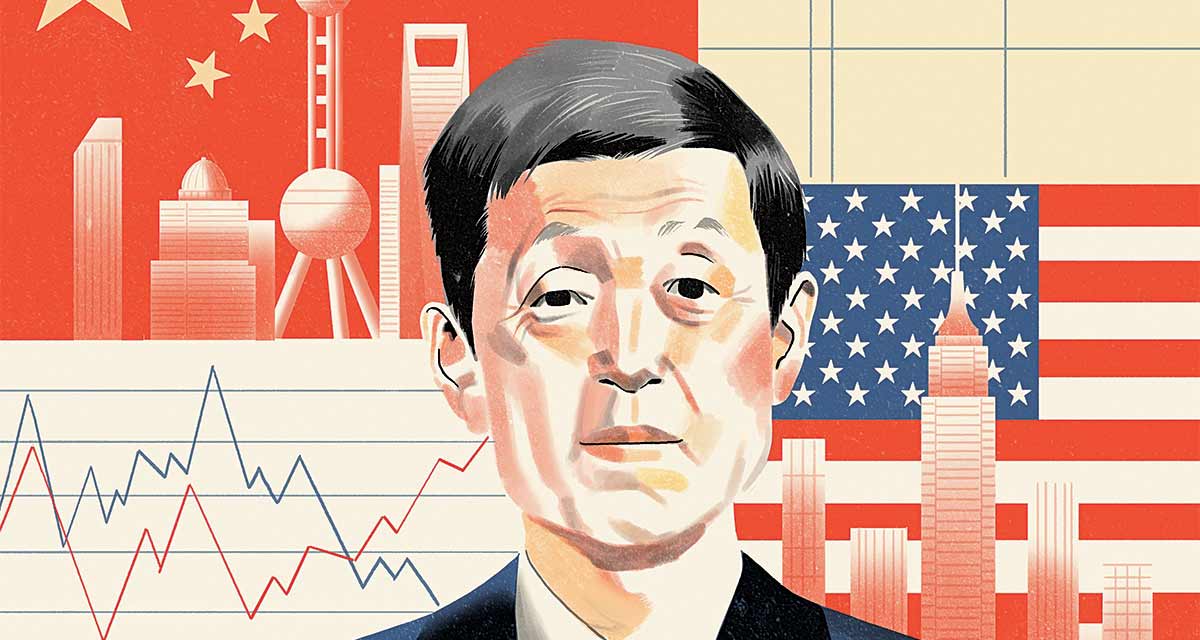
Social Capitalism: A Theoretical Commentary
Can “capitalism survive” and “socialism work” individually? These two hypotheses and discussions travel among economic debates around the world. Austrian Economist Joseph Schumpeter’s work in entrepreneurship and innovation signifies the deviation from traditional or conventional methods of economic activities, particularly in terms of trade and increased quality of life. This article draws attention towards the global thought of social capitalism; and enables enthusiasts in economic affairs and international relations to understand the theoretical overview of this distinctive concept.