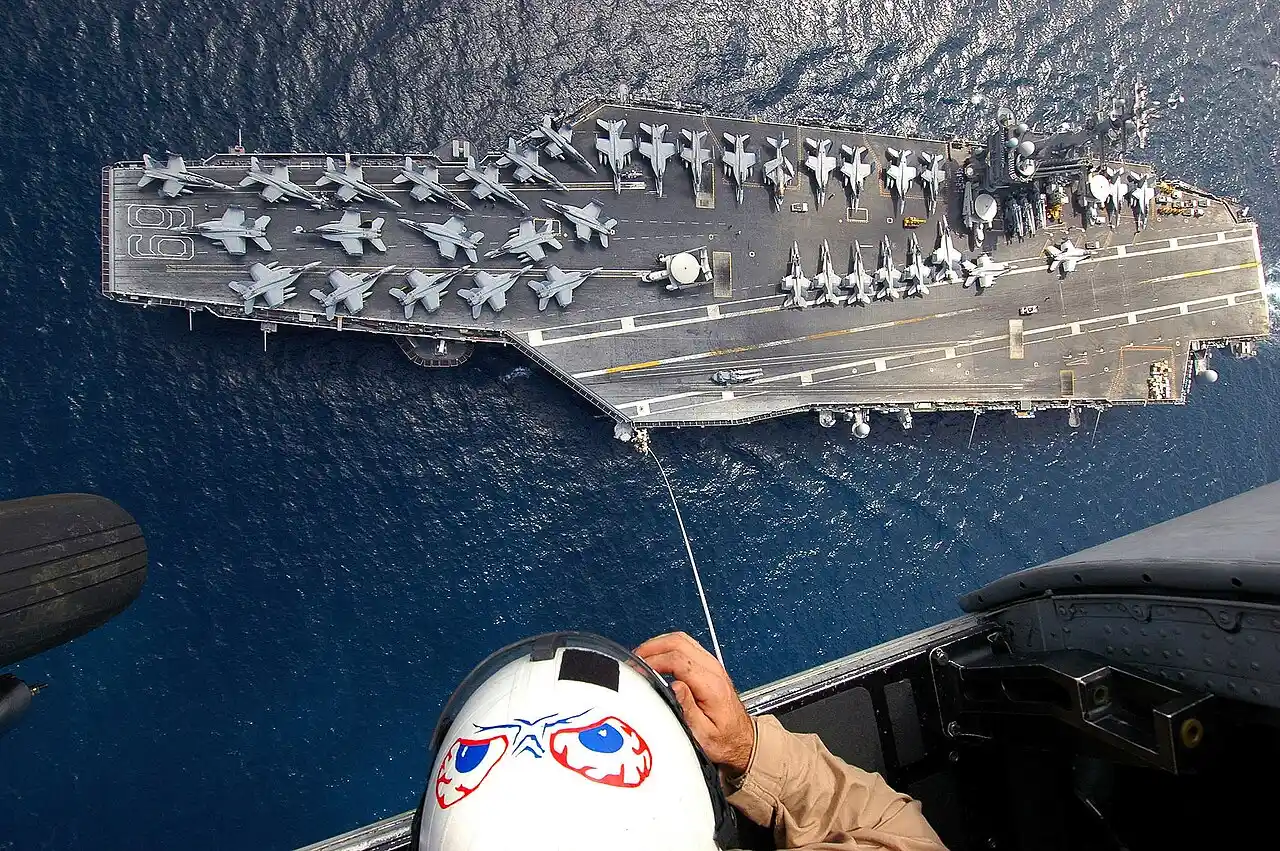
In the age of great power competition, wars are increasingly waged by proxy. Instead of meeting on the battlefield, major powers are armed, financed, informed, and militarily assisted partners fighting each other in other regions. From Europe to the Middle East, today’s wars more and more look like external powers are fighting on different sides, supporting, but not formally joining, the fight. This growing dependence on proxy warfare marks a transformation of international conflict at its core.
Tag: Foreign Affairs
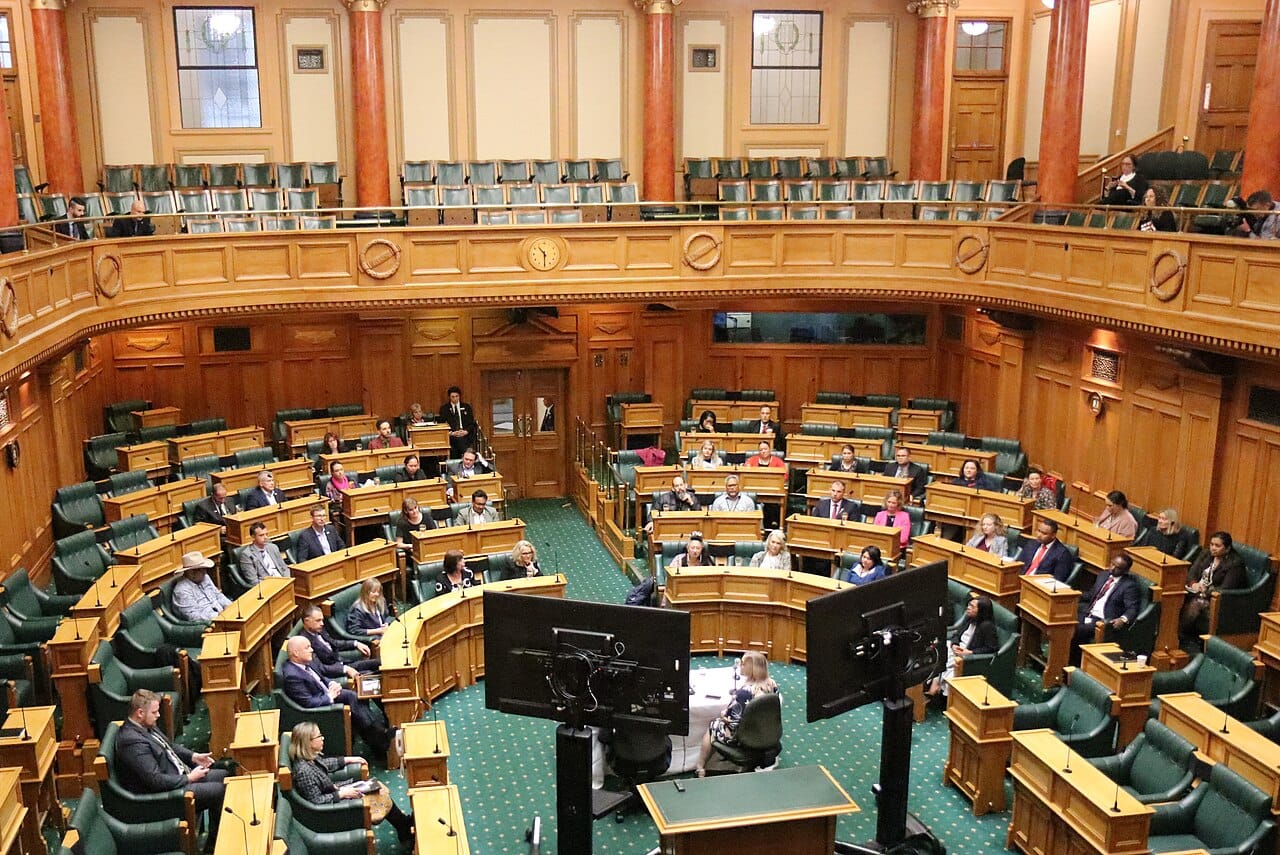
How New Zealand Lost the Capacity for Independent Foreign Policy
On 1 March 2026, Prime Minister Christopher Luxon and Foreign Minister Winston Peters issued a joint statement addressing the American and Israeli strikes on Iran. Their response was carefully calibrated. They neither endorsed the attacks nor openly opposed them. Instead, they noted that New Zealand recognised the operations as intended to prevent Iran from continuing to pose a threat to international peace and security. The phrasing felt notably restrained, almost to the point of detachment.
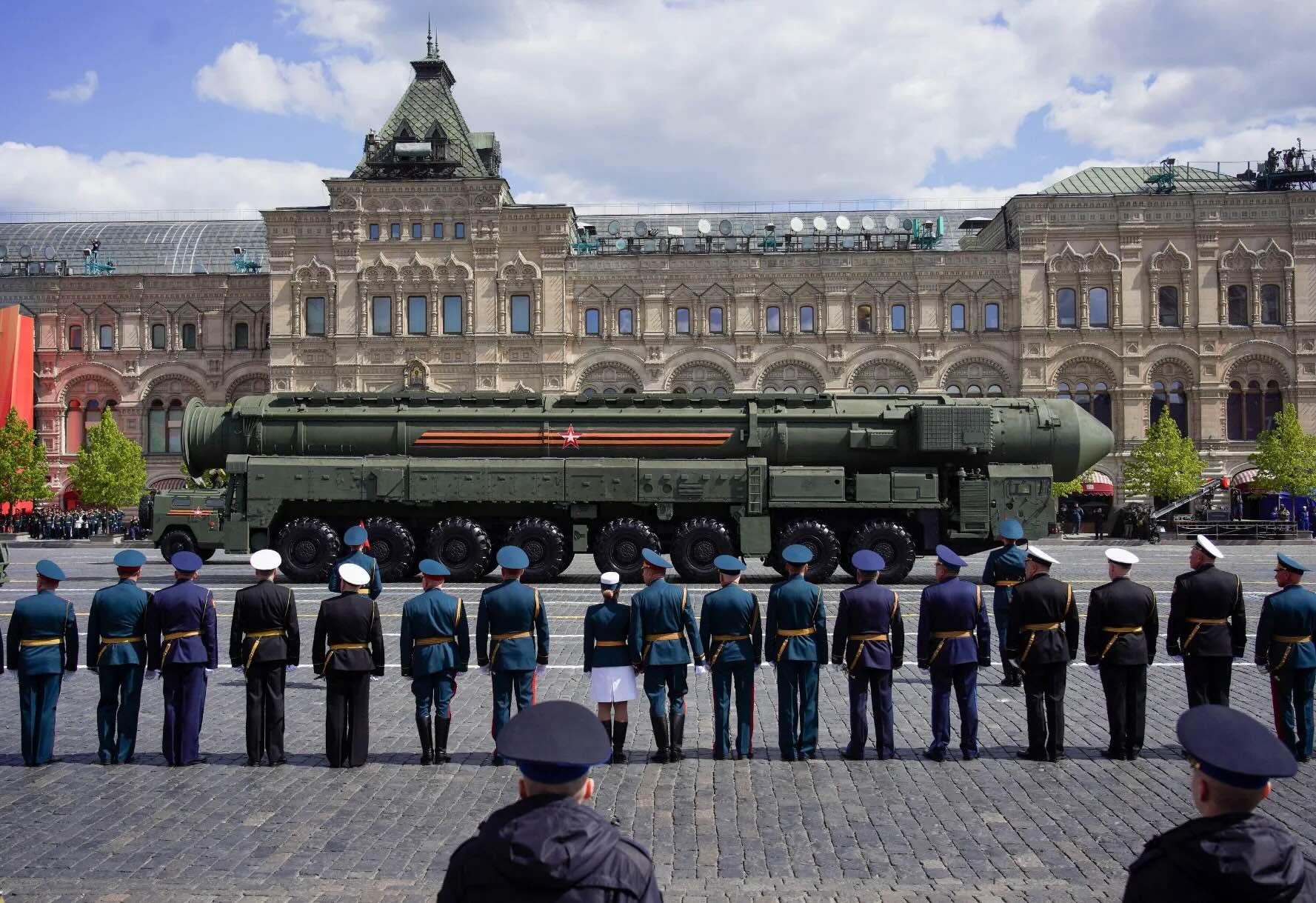
Europe on Edge: NATO’s Massive Drill Raises Nuclear War Concerns
The historical development happened in Europe, where the region is teetering on the brink of a substantial conflict. The question arises: is Europe on the verge of the next nuclear war, especially in the context of the USA’s role in NATO’s massive drill? This pivotal moment demands a closer examination of the nuclear threat and the mounting tensions in the region.