
According to an assessment by US officials, it is revealed that China is playing a significant role in the military expansion of Russia, particularly in its efforts in the war against Ukraine. China has been increasing its sales of various technology and equipment to Russia, which Moscow will use to build up its military arsenal. China has been the major supplier of microelectronics, machine tools, and other crucial technology to Russia. In 2023, around 90% of Russia’s microelectronics came from China, which is essential in the production of tanks, missiles, and aircraft. Additionally, over 70% of Russia’s machine tool imports came from China last year.
Tag: China
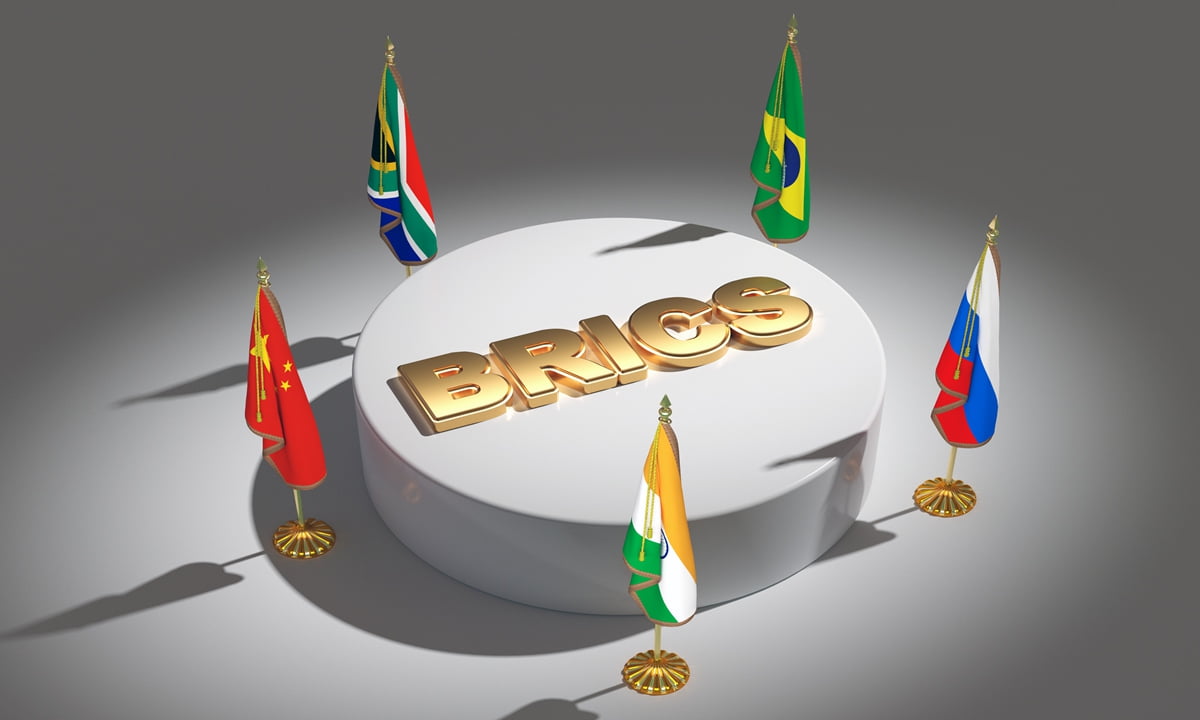
BRICS is the Cure for Bitterness between India and China
BRICS (Brazil, Russia, India, China, and South Africa) is one of the major platforms of the five emerging economies, aiming at promoting peace, security, inclusive development and cooperation. The platform represents 43% of the world’s total population and 30% of the global Gross Domestic Product (GDP). Since its establishment against the backdrop of the 2008 global financial crisis, as a potential alternative to G7 platform. The BRICS has grown substantially as an effective platform to articulate views of countries in the Global South as at least one country is present from every different continent across the region. Economy, being in focus point of the grouping, the initial decade of BRICS has advanced coordinated policy initiatives in the field of global economic governance.
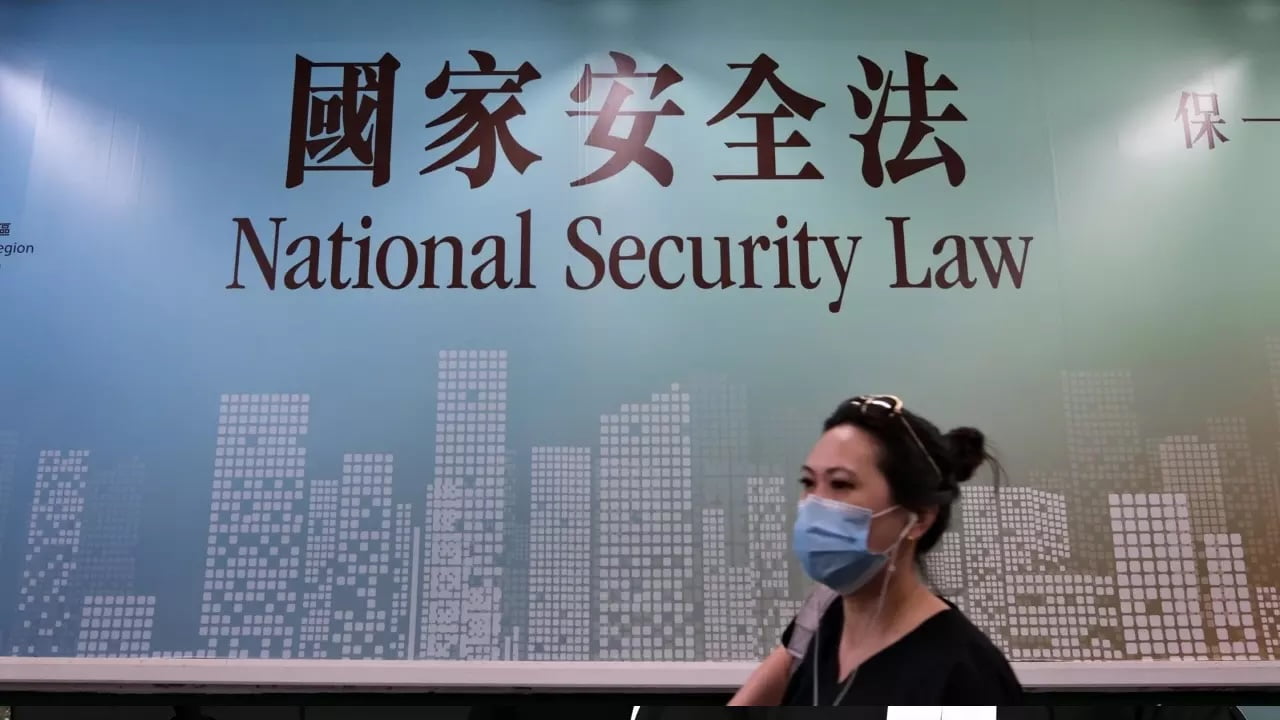
Hong Kong’s National Security Law and its Potential Impact on Foreign Entities
The new national security law a legislation under Article 23 has been passed in Hong Kong Parliament. This is the second in a row of national security laws since 2020. The legal personnel has feared that the new law shall broaden the scope of defining sedition and state secrets, with tougher penalties for anyone under conviction. The new law encompasses treason, espionage and external interference is being closely watched by foreign businesses. Notably, the most serious offences are sometimes punishable with life imprisonment, convicted of involvement with ‘external forces’.
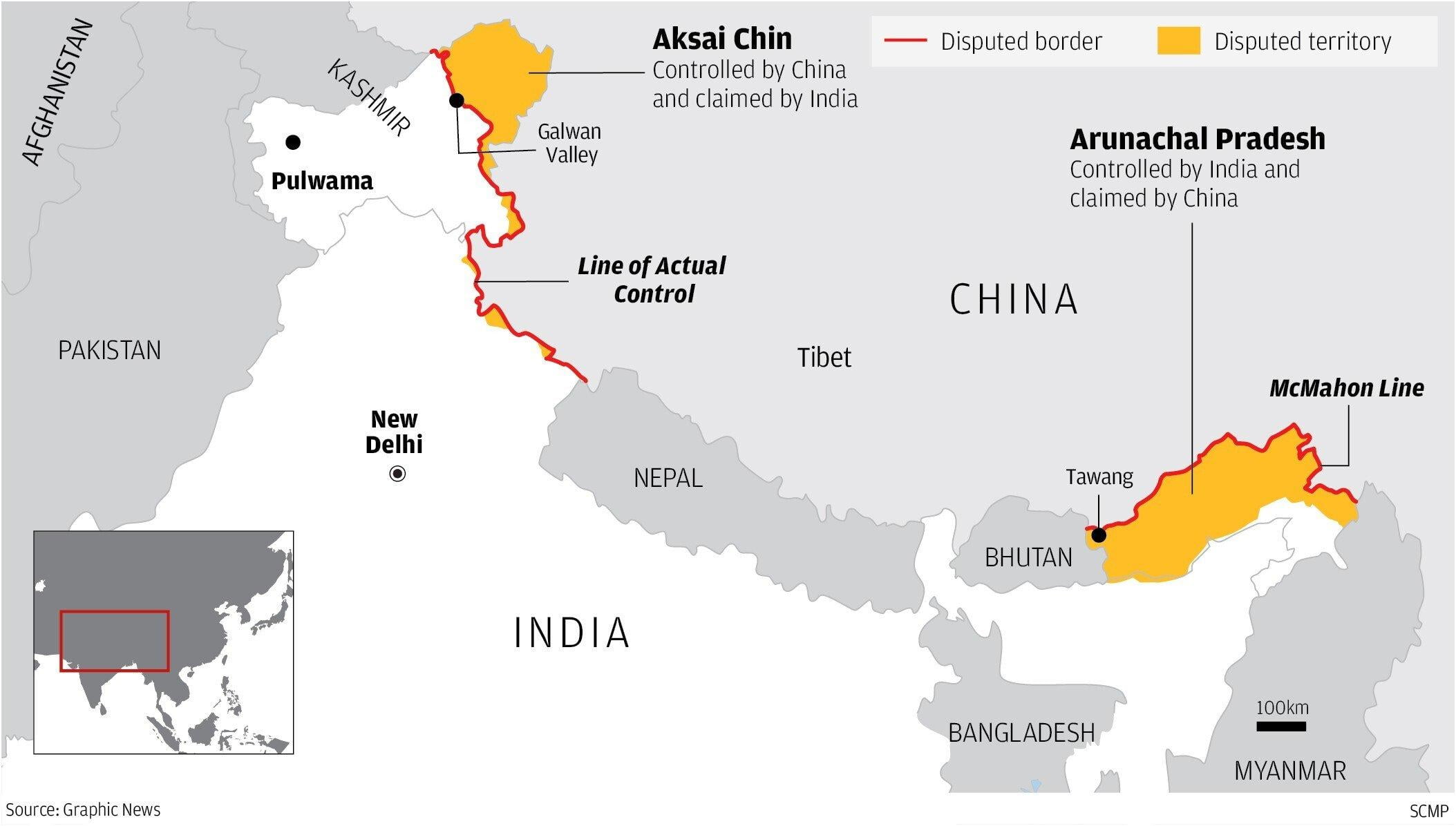
India’s Arunachal Pradesh or China’s Zangnan?
For a substantial period of time, the border conflicts between India and China have centred around the Indian state of Arunachal Pradesh, which is claimed by China and administered by India. Reflecting the severity of the conflict, following the Sino-Indian War of 1962, both nations have been constantly in conflict with one another. Since then, Beijing has primarily concentrated on using covert warfare techniques to sabotage India’s sovereignty, renaming Indian land, intensifying military buildups in border regions and defying signed pacts, norms & procedures, while the dragon has never faltered in its will to put mounting pressure on New Delhi.
Chinese Cyber Agents likely to disrupt upcoming Election in India
The report also sheds light on the Chinese cyber actors, who are actively involved in spying and other cyber operations around the world. They have been using AI-generated content to intensify tensions, particularly in the disputed Asia-Pacific region and in the US. One notable group that is known for carrying out such activities is Storm-1376. They have been identified for intensifying their use of AI-generated news reports and memes. These tactics were used during Taiwan’s presidential elections, where they targeted political candidates, including spreading misinformation about William Lai, a candidate belonging to Taiwan’s Democratic Progressive Party, a party that nurtures anti-Chinese sentiments.
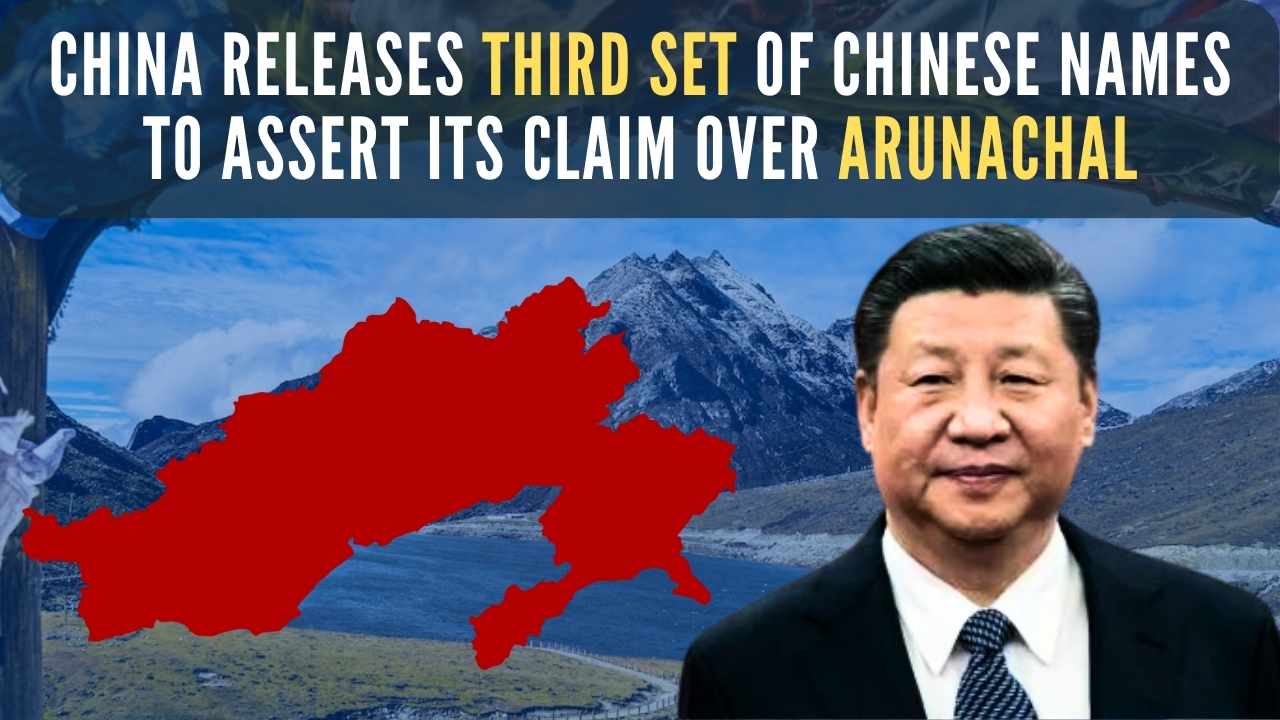
China Renames 30 more Places in India’s Arunachal Pradesh
In this issue of China Watch newsletter, the author provides in-depth analysis on; 1) China renaming 30 places in India’s state of Arunachal Pradesh, 2) China set to become World’s largest Airforce, 3) Takeover of Tibet and more.
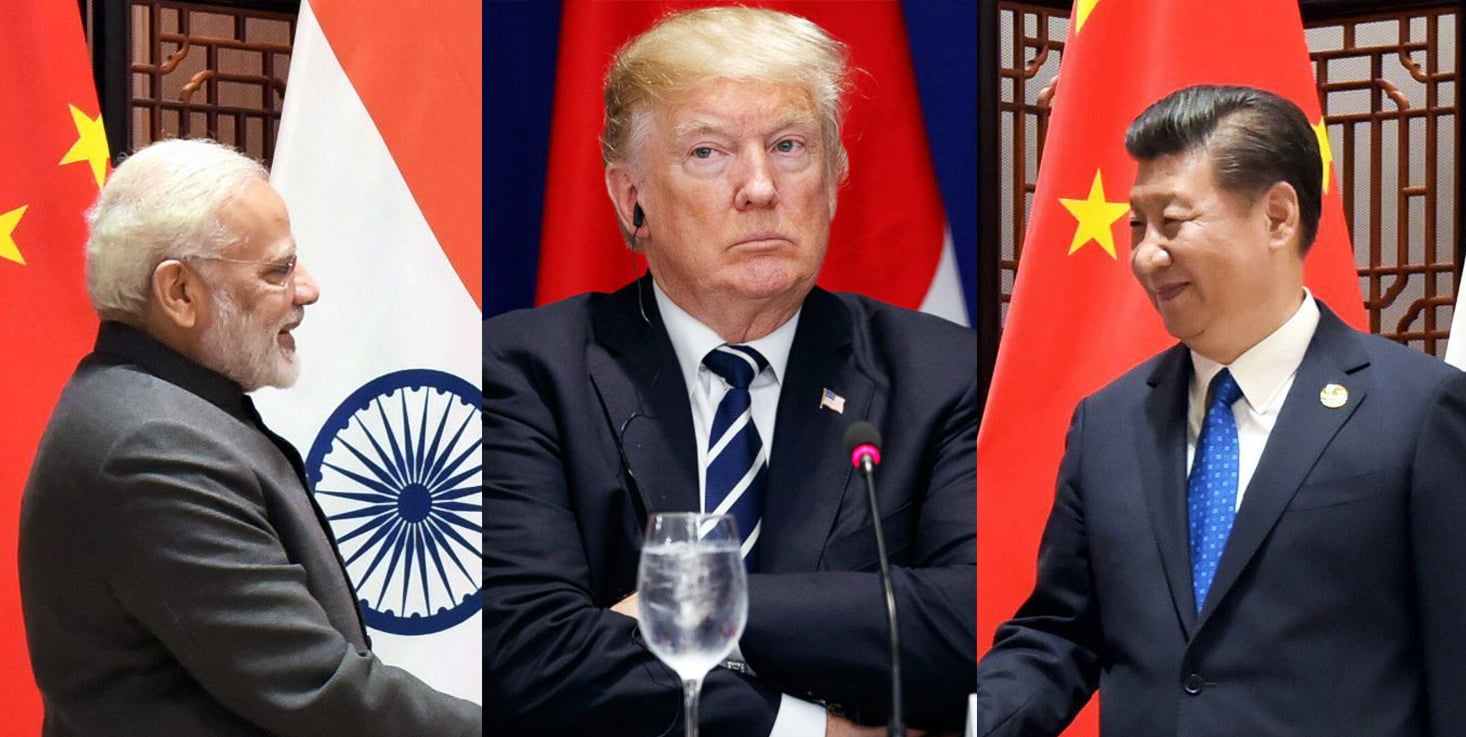
India-China Rivalry: Boon for USA’s Dominance in Asia
When considering the United States, its robust economy and formidable military are typically the foremost aspects that come to mind. However, if these strengths were ever endangered, it becomes crucial to contemplate potential scenarios. One significant concern would arise if India and China were to align their efforts. However, we are living in a realistic world where this scenario doesn’t seem likely to happen. This article discusses why such cooperation would be detrimental for the United States.
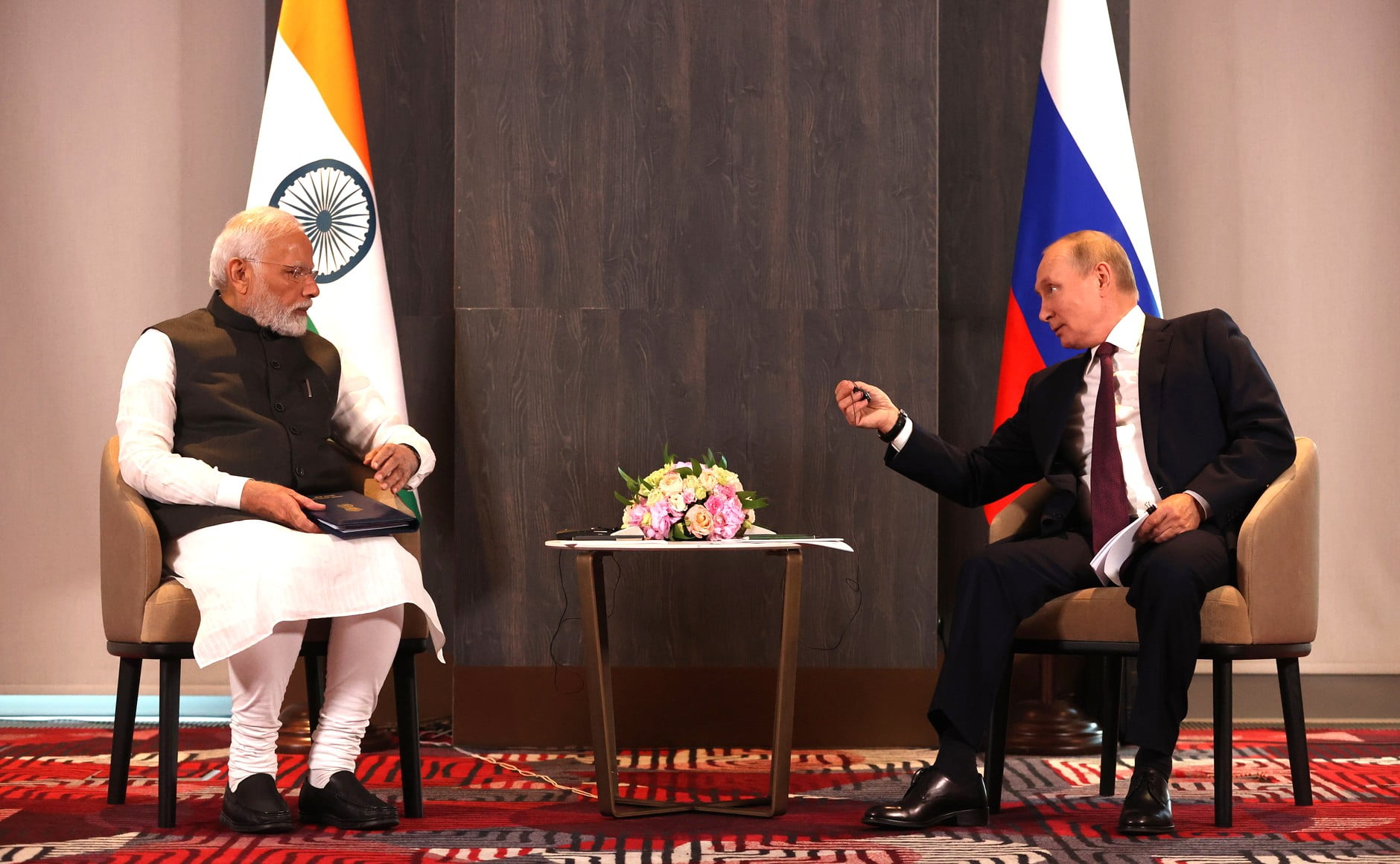
India must Recalibrate its Diplomatic Ties with Russia
When he arrived in India, the Foreign Minister delivered a noteworthy statement, asserting that India’s longstanding ties with Russia are rooted in a ‘Soviet Legacy’ that is gradually dissipating. He urged New Delhi to reconsider its relationship with Moscow and align more closely with Kyiv, reflecting Ukraine’s perspective on the evolving global landscape.
India’s Foreign Policy Achievements for the Last Five Years
The world is currently witnessing several turmoils in geopolitics. While two major conflicts have been happening along with numerous minor tussles, the world is coping with the increasing fear of a ‘new cold-war era’ between the U.S. and China. This year is also crucial to have elections in some major countries like the U.S., India, Taiwan and others. Many academic debates are currently surrounding the government’s policies for the welfare and development of the country. This article will set an evaluation of India’s foreign policy to take stock of developments and achievements in the past five years is necessary.
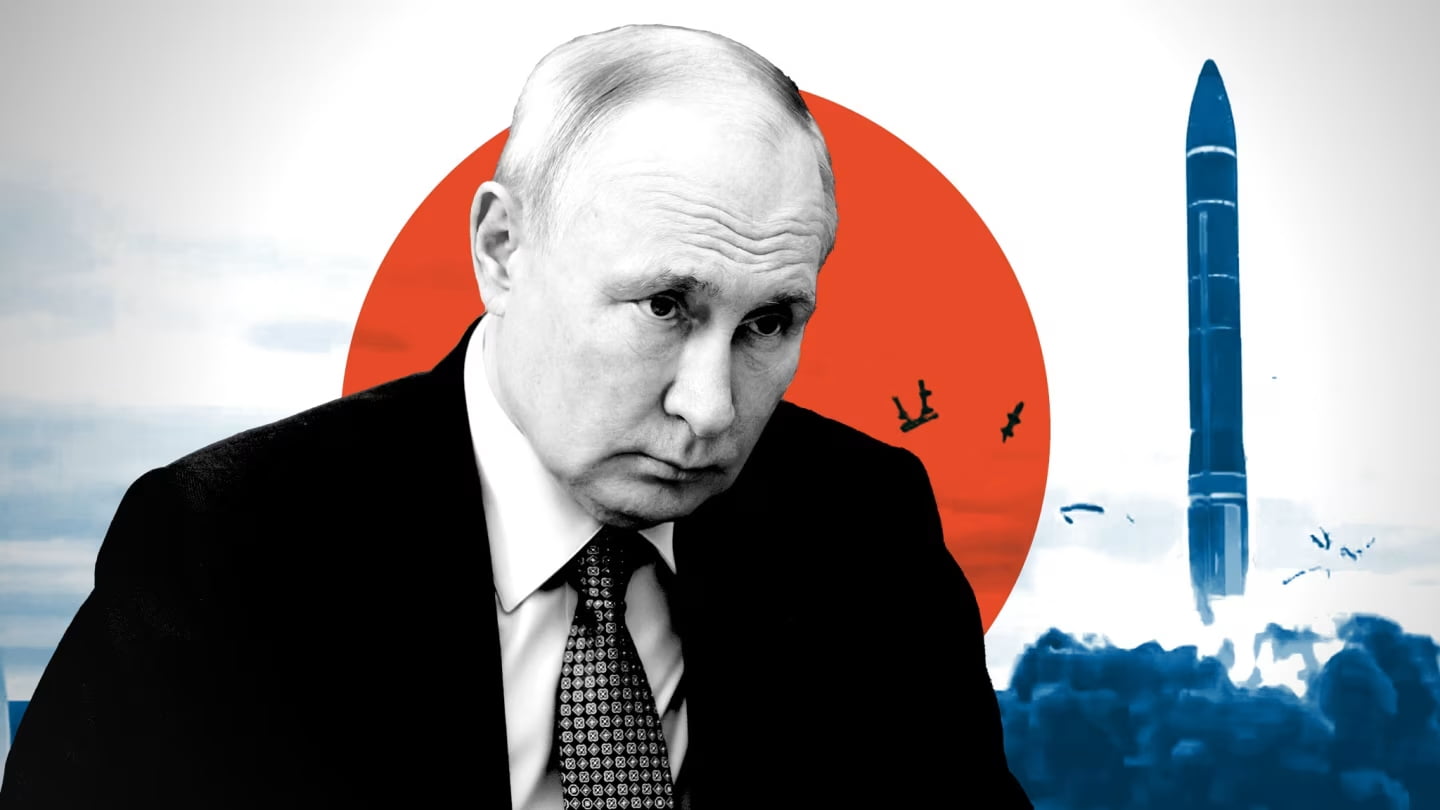
Feasibility of Nuclear Weapons as Deterrents
Initially, it was considered as a new means of warfare with an unprecedented destructive power. In the Cold War period, the creation of Soviet nuclear weapons especially after the Cuban missile crisis forced the then two superpowers to reconsider their views regarding the use of nuclear weapons as an offensive measure. This article will assess the credibility of nuclear deterrence in today’s geopolitical turmoils