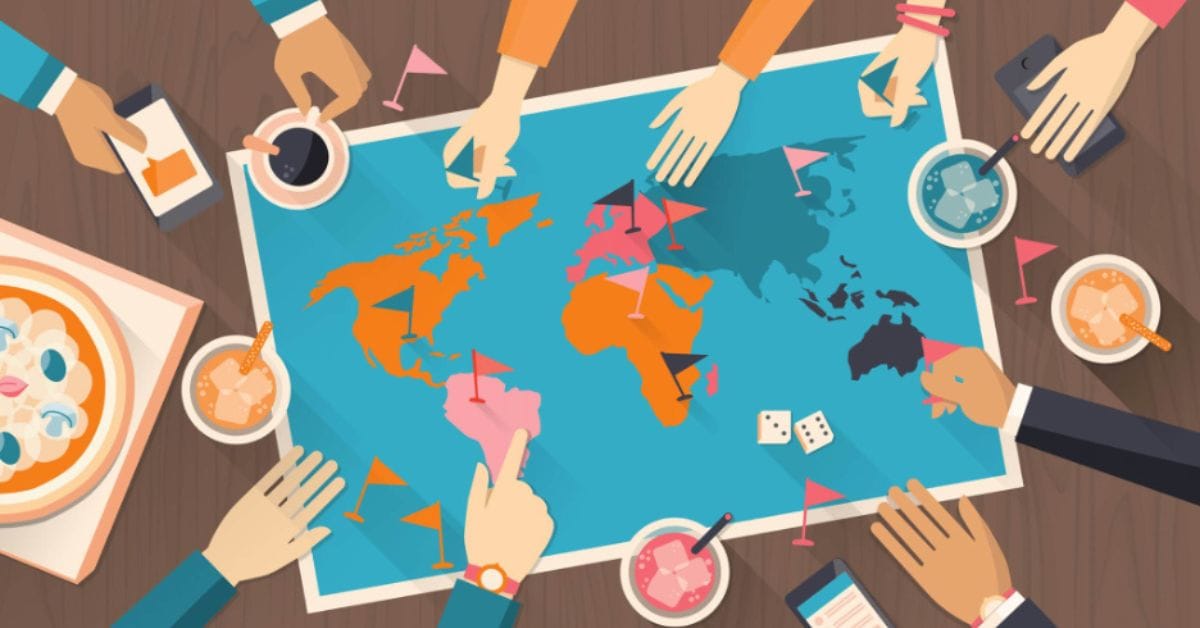
Apart from the traditional notion of hard power that involves quantifiable military and economic might, soft power as a facet of power has found political resonance in the realm of international relations in recent decades. Pioneered by Harvard scholar Joseph Nye, soft power is a non-coercive facet of power that has become increasingly important in maintaining hegemony in the world. Soft power entails the art of subtly influencing outcomes by shaping the preferences of other countries and actors outside your own country via the tactics of attraction, appeal, and persuasion.
Archives
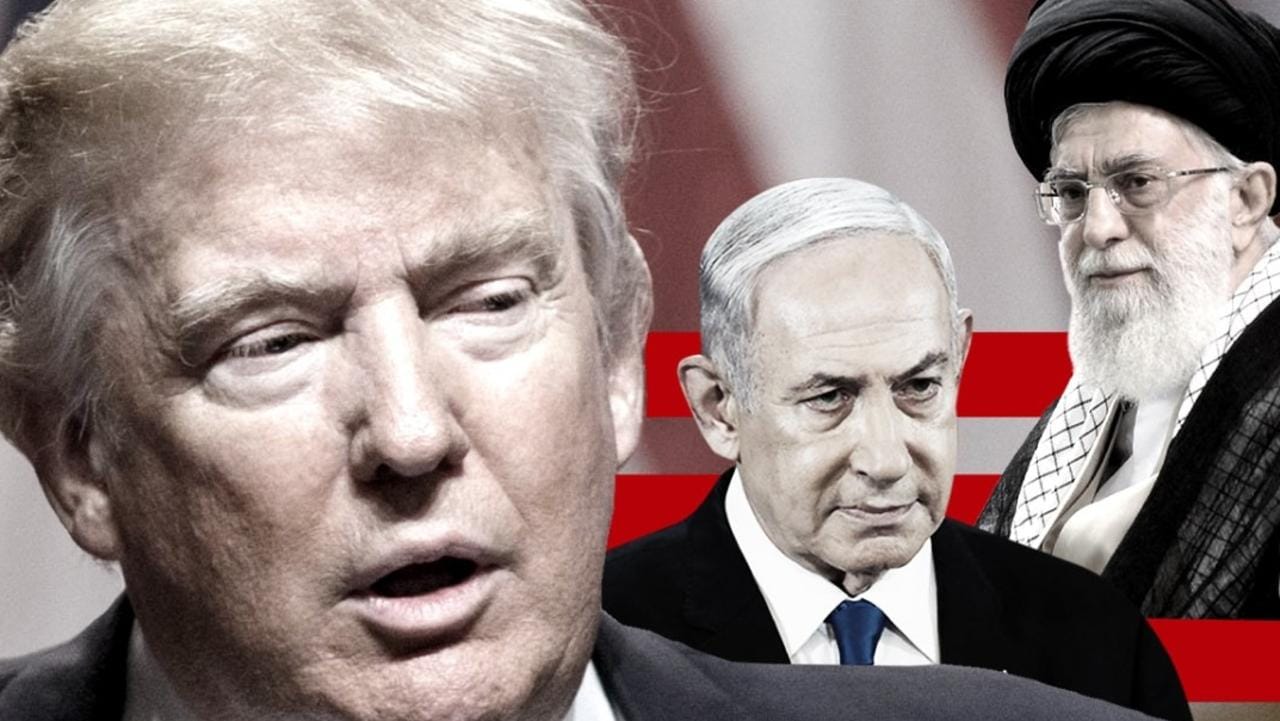
Trump’s Middle East Gamble
Since President Donald Trump’s inauguration for his second term in January 2025, the geopolitical landscape in the Middle East has undergone profound changes. The administration’s renewed assertiveness has reignited longstanding disputes and strategic rivalries, most notably among Iran, Israel, and the United States. This article provides a comprehensive, practical analysis of these developments—detailing U.S. military engagements, Iran’s nuclear ambitions, Israel’s strategic recalculations, and the broader regional and international ramifications.

Geopolitics of Rwanda-Congo Conflict: Regional Tensions by M23
The Democratic Republic of Congo (DRC) has long been plagued by conflict, with the eastern region serving as a battleground for various armed groups. Among these, the March 23 Movement (M23) has emerged as one of the most significant, with its resurgence in recent years once again drawing attention to the deep-seated tensions between Rwanda and the DRC. This article provides a historical background to the conflict, focusing on M23’s origins, its ties to Rwanda, and the broader geopolitical implications, including international exposure and the failures of global diplomacy.

Balochistan Terror Attack: A New Phase in Insurgency?
Balochistan, Pakistan’s largest yet most underdeveloped province, has been a hotspot for insurgency, terrorism, and geopolitical contestation. The recent terror attack in Balochistan, which targeted security forces, infrastructure, and civilians, has once again underscored the province’s precarious security situation. Beyond its domestic impact, the attack carries significant regional and international implications, particularly for Pakistan’s relations with India, China, Iran, and Western powers. This article provides an in-depth analysis of the attack’s origins, the regional and global responses, and the effectiveness of counterterrorism efforts.
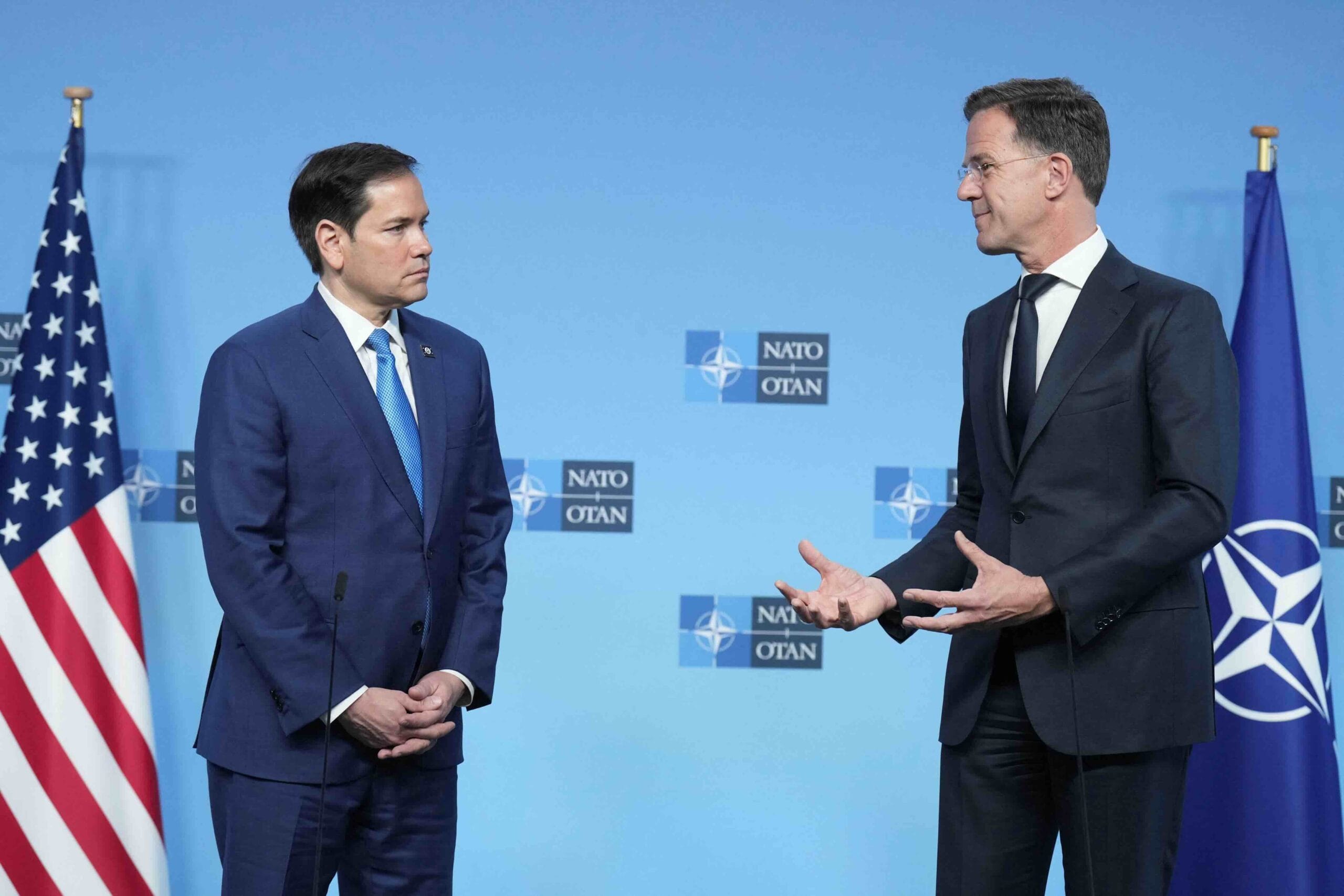
The Hinge in American Transatlantic Defence
Over the past three years, the transatlantic alliance has demonstrated considerable cohesion in evolving geopolitical dynamics and shifting domestic priorities. The alliance has demonstrated considerable cohesion by delivering substantial military aid, enforcing strict economic sanctions, and contributing over €185 billion in support of Ukraine. Yet, as Russian aggression persists and public support in parts of Europe diminishes, the strategic landscape has changed with a potential return of a Trump. Under this emerging paradigm, the U.S. strategy has anticipated a pivot away from military engagement and extensive financial assistance to Ukraine and press European partners to assume a larger share of the defence burden.
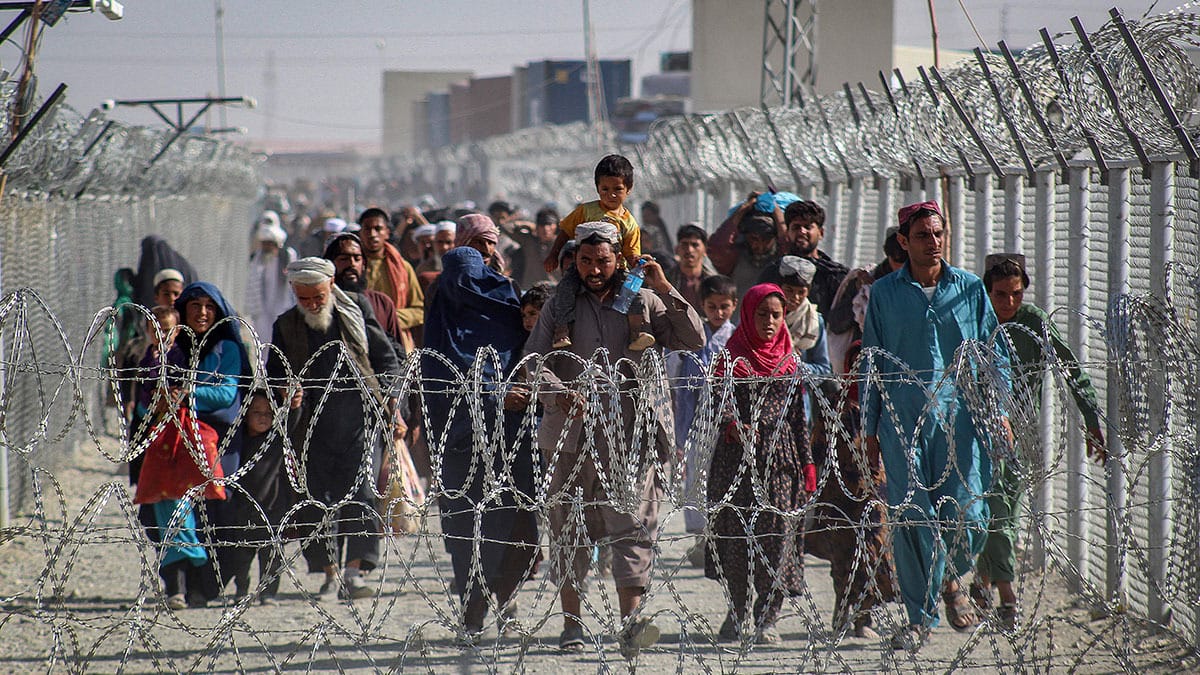
Afghan Refugee Crisis: Assessing Pakistan’s Shifting Policies
Least-developed countries host the largest number of refugees, according to UNHCR. In Asia and the Pacific, 90% of all refugees are concentrated in three nations: Iran (3.4 million), Pakistan (1.7 million), and Bangladesh (952,400), with Iran and Pakistan sheltering one of the largest Afghan refugee populations. Once a safe haven for Afghans fleeing persecution, Pakistan’s stance has now drastically shifted. The Pakistan Interior Ministry has advised all Afghan nationals to leave by March 31, 2025, with Afghan Citizen Card (ACC) holders required to depart voluntarily before the deadline or face deportation from April 1, 2025. This directive falls under Pakistan’s Illegal Foreigners Repatriation Program (IFRP), in effect since November 1, 2023.

Book Review: “Does the Elephant Dance?”
Does the Elephant Dance? Contemporary Indian Foreign Policy is a study of Indian foreign policy and its evaluation on various parameters. The author of this book, David M. Malone, a diplomat, author, and former Rector (leader) of the United Nations University, has witnessed the firsthand development of Indian foreign policy and held discussions with the key decision-makers. Throughout ‘Does the Elephant Dance?’ Malone exercises this confluence of diplomatic and scholarly authority artfully, tracing the key tenets of Indian foreign policy from its independence, till 2011.
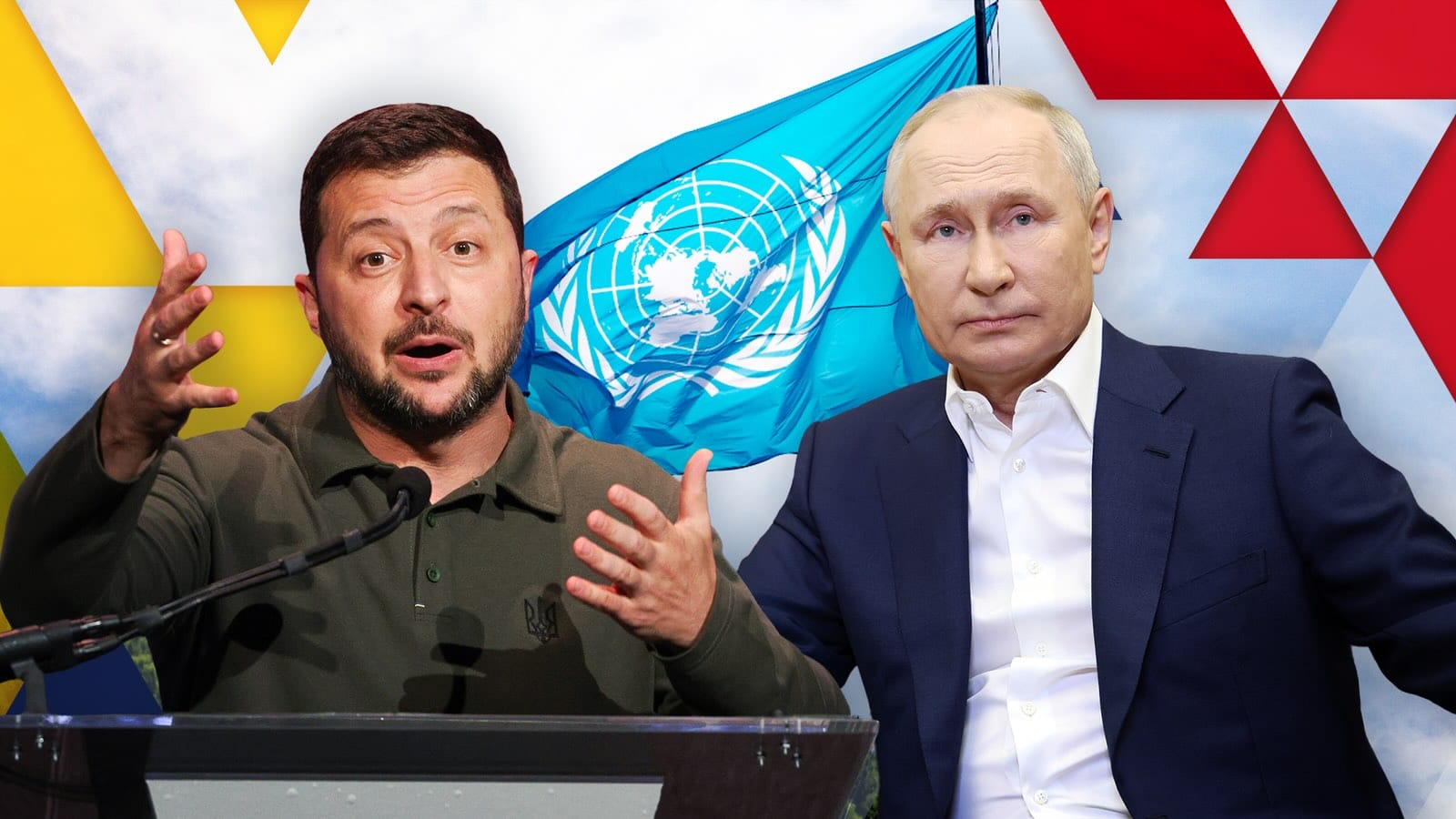
Can the United Nations still Resolve Modern Conflicts?
The United Nations (UN), formed in 1945 with the lofty goal of averting world conflict and encouraging international cooperation, has been a beacon of hope and multilateralism. Over the years, the UN has shifted its focus from simple state mediation to complicated peacekeeping, peace enforcement, conflict prevention, and post-war reconstruction. Its methodologies were mostly inter-positional during the Cold War. As crises became increasingly complicated, especially after the disintegration of the Soviet Union, international warfare (direct war) was replaced by a rise in domestic civil wars, ethnic conflicts, and political tensions among powerful states.
European Union Regroups and Rearms
Leaders from the European Union’s 27 member states will meet in Brussels on Thursday to find ways to succour Ukraine and to rethink some of its own security arrangements. Europe is hastily adjusting its thinking on defence as American policy under President Donald Trump looks ever-less predictable. A plan will be presented for the EU to help member states borrow from a fund of €150 billion ($161 billion) to spend on defence, some of which would be used to boost Ukraine’s war effort. EU fiscal rules that constrain spending also look likely to be relaxed so that national governments can splurge up to 1.5% of GDP more on defence.
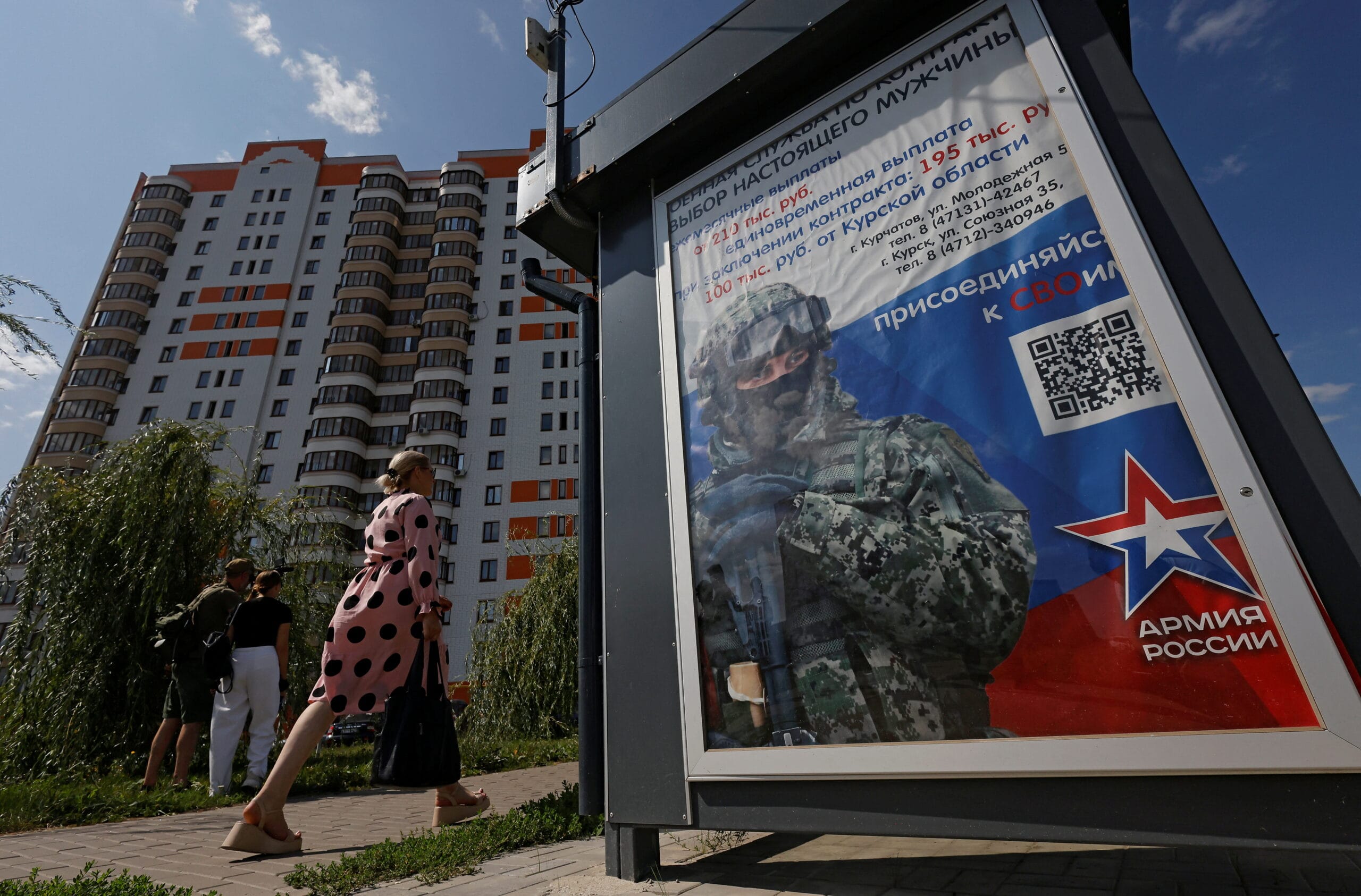
Is Russia’s Economy Slowing or Stalling?
Data released on Wednesday will help answer an important question: is Russia’s economy slowing or stalling? In the three years since the country invaded Ukraine, its economy has held up better than most observers had expected. Unemployment fell to just 2%. GDP growth has been decent due to oil exports, which were strong despite Western sanctions. Russian consumers benefited from the knock-on effects of an enormous boost to spending on defence, welfare and infrastructure. But that could now be changing. In late 2024 the West tightened its financial infrastructure and oil trade.