Negating the facts of the present is possible, but the past is inevitable. On January 13, 2026, the UGC (University Grants Commission of India) replaced its 2012 Promotion of Equity in Higher Education Institutions Regulations. This replacement created dissent all over the country. The most asked questions by critics were, “Why is the judiciary system turning biased?”, “Revoke the black law”, and, finally, the question of reverse discrimination. From the 1996 caste-based ruthless massacre of Bathani Tola, after 30 years, the claim that India is now caste-neutral ignores persistent structural inequalities in access to education, land, and representation.
Haven’t we done enough for the suppressed communities by giving them reservations? Enough? Sounds ludicrous, as this vehement suppression didn’t begin 30 years or even 100 years ago. It started around 1100 BCE with the rise of Brahmanism, leading to the transformation of the comparatively egalitarian Vedic society into a caste-divided social order. The Class 12 NCERT India’s Ancient Past by R.S. Sharma clearly sets out the harsh facts. The twice-born (upper varnas) were entitled to Vedic studies and investiture with the sacred thread, and the fourth varna, or the Shudras, and women were excluded from them. Shudras were meant to serve the higher orders.
The Brahmanas were not allowed to take to the plough, and their contempt for manual work reached such limits that they developed a distaste and loathing for the hands that practised crafts, and they regarded some manual labourers as untouchables. Even this wasn’t enough, as the highest tax was levied on them among all the varnas, and Shudra guests could be fed only if they had some work at the host’s house.
Now, today, if we ask for repealing a 2012 regulation as it has fulfilled its purpose of negating caste-based suppression and all are equal in this modern society in just 16 years, when the suppression is 3126 years old, how can we compensate for 3000-year-long caste-based discrimination in just 16 years?
The historical record, even as presented in NCERT textbooks, undermines the claim that caste hierarchies are relics of the distant past. The old regulations were consultative in nature. There was no monitoring, and no action would have been taken against an institution if it didn’t comply with the UGC regulations. The old regulations didn’t specify the composition of the Equal Opportunity Cell, and OBCs weren’t even mentioned.
Now, under the new regulations, strict action will be taken against institutions not complying with the regulations, and they will also be monitored by a central monitoring committee. Under the new regulations, the EOC has a compulsion that five of its members would be from reserved categories, and women and OBCs will be a part of it too. The Constitution does not mandate mechanical equality. Article 15(4) expressly empowers the State to make special provisions for socially and educationally backward classes.
Now, as women are also considered under the regulations as a suppressed constituent and given importance, it won’t be long enough for a contentious petition against considering women a downtrodden community, because 3000 years ago, it wasn’t just the Shudras who were denied entry into a temple; women were also denied entry. And this answers the frivolous question of why a law for just the reserved categories, because for the 1992 National Commission for Women, will we start asking for a National Commission for Men, or for the 2024 Pink Squad, will we ask for a blue or red squad?
Because even after centuries, when women sit in the same classrooms as men, being taught with the same books by the same educators, even then they are still oppressed, and that oppression might not be visible in their life, but we might find rust of those chains in their mother’s life or their grandmother’s life; hence a law or a regulation just for them is justified.
The Constitution does not mandate mechanical equality. Article 15(4) explicitly empowers the State to make special provisions for socially and educationally backward classes. The jurisprudence of substantive equality recognises that identical treatment in conditions of historical inequality only perpetuates injustice. The UGC regulations must be examined within that constitutional framework.
A suppression with a long ancestral past can’t be negated and called equality in a few years, even when the distribution of opportunities appears to be equal. The question is not whether the regulation has gone too far. The question is whether we are willing to admit that history has not gone far enough.
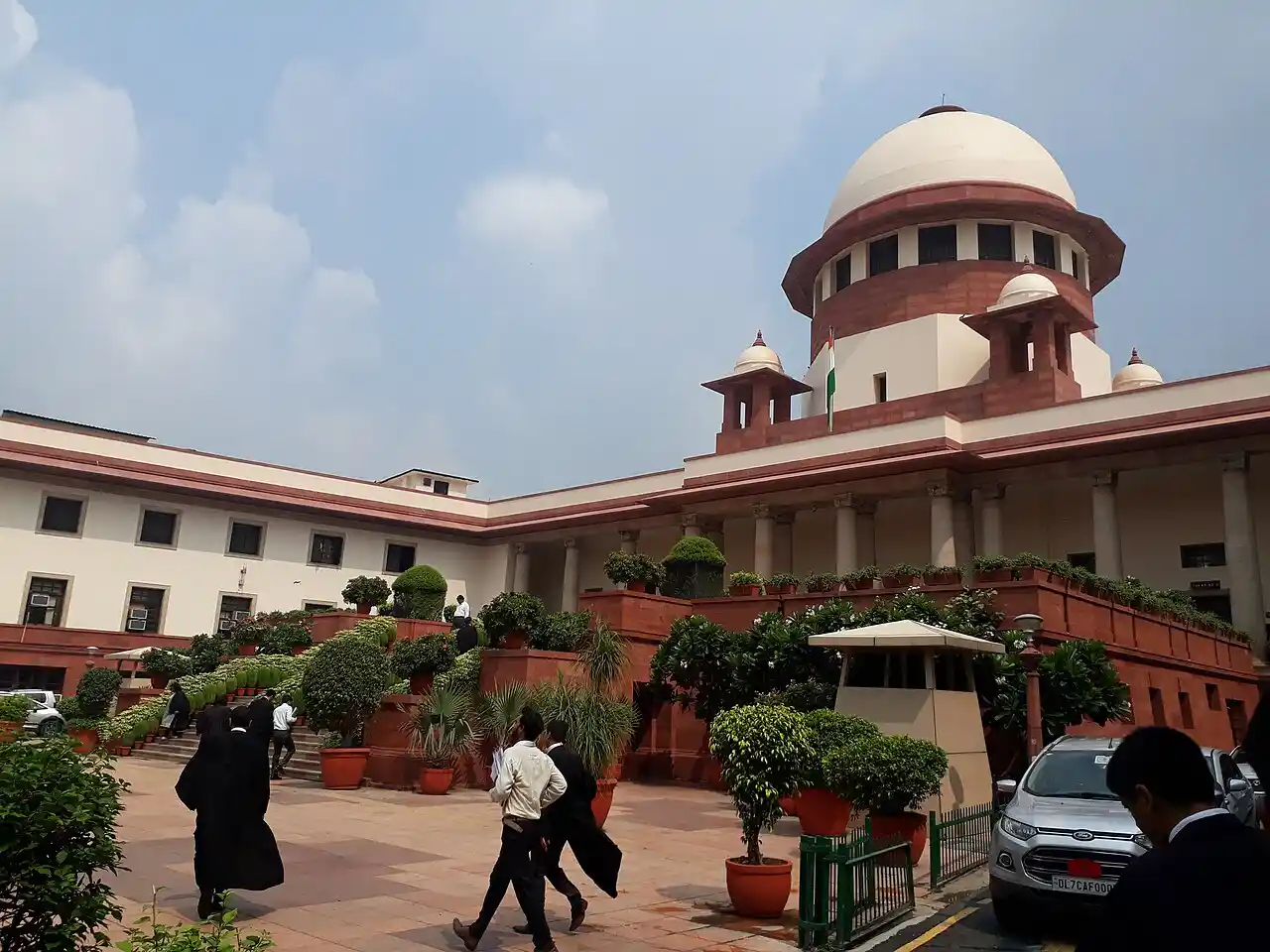
All the views and opinions expressed are those of the author. Image Credit: Pinakpani.
About the Author

Advik Pal is a second-year business finance student at the Indian Institute of Management (IIM).