In the grand mosaic of global affairs, where threads of power once tightly woven by a few dominant hands now fray under the strains of multipolarity, a new pattern is emerging. Great-power rivalries, prolonged conflicts, climate crises, and institutional inertia expose the limitations of the post-World War II order. Yet, amid this turbulence, the Global South is no longer a passive observer but an active artisan, reshaping the fabric toward greater equity and inclusion. The rise of multipolarity—marked by the expansion of platforms like BRICS, South-South cooperation, and calls for fairer representation in global governance—offers a profound opportunity.
Here, diverse nations can pursue peace and justice together, not through hegemony, but through dialogue and shared prosperity. India, drawing on its non-aligned heritage and strategic autonomy, stands as a pivotal voice in this transformation. Through initiatives like its 2026 BRICS presidency and sustained advocacy for institutional reform, New Delhi champions a vision where diplomacy triumphs over division, anchoring the future in harmony rather than dominance.
This article explores the Global South’s growing agency in a fragmenting world order and highlights India’s strategic role in pushing for inclusive reforms. By weaving together threads of global equity, collective resilience, and inclusive governance, the Global South—and India in particular—can help foster a more just and stable international system.
The Fragmenting World Order
The contemporary global order is undergoing profound fragmentation. Traditional Western-led institutions struggle to address 21st-century challenges: asymmetric conflicts, supply-chain disruptions, climate vulnerabilities, and economic inequalities disproportionately affect developing nations. Multipolarity has accelerated as middle powers and emerging economies assert greater influence, reducing reliance on unilateral decisions from a handful of capitals.
BRICS expansion and initiatives like de-dollarisation efforts reflect this shift. The platform now serves as a key vehicle for the Global South to articulate concerns and promote balanced multipolarity. Yet, fragmentation also breeds risks: internal divisions within the Global South, resistance from established powers to share authority, and the persistence of conflicts that exploit governance gaps.
In this context, the Global South’s role is transformative. Rather than merely reacting to turbulence, it seeks to build alternative pathways—through economic cooperation, technology sharing, and advocacy for reform—that prioritise human welfare over power hierarchies. This moment demands diplomacy as the primary tool: a symphony of diverse voices harmonising to mend what division has torn.
India’s Strategic Vision as the Voice of Global South
India’s approach embodies multi-alignment: maintaining strong ties with Western partners while deepening engagement with the Global South and multipolar forums. This strategic flexibility positions New Delhi as a bridge-builder, advocating for equity without isolationism.
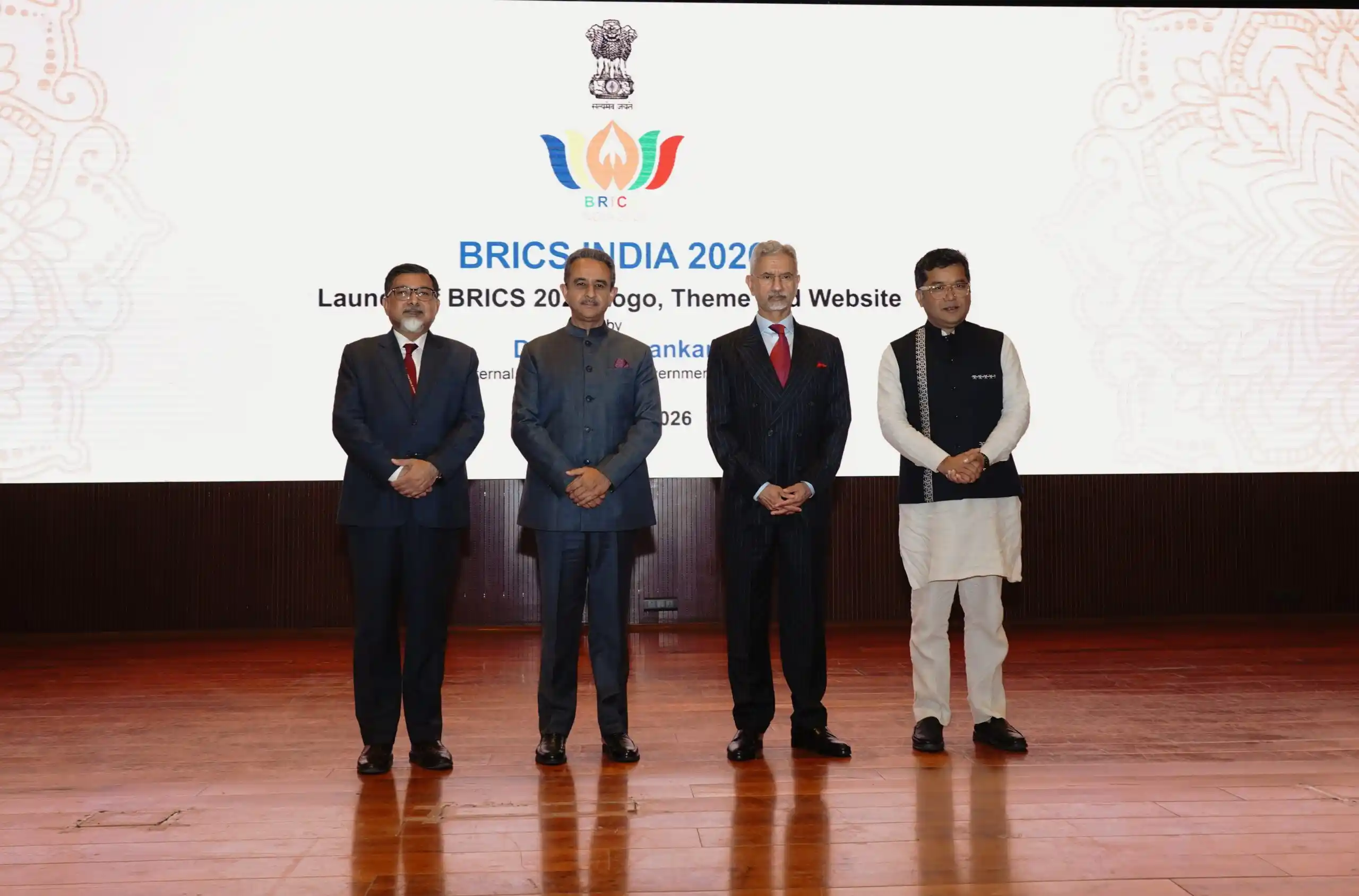
A landmark expression of this vision is India’s 2026 BRICS presidency, launched with the theme “Building Resilience, Innovation, Cooperation, and Sustainability.” The four priorities—resilience against crises, innovation in emerging technologies like AI, cooperation in trade and finance, and sustainability in energy and climate action—place human welfare at the centre. External Affairs Minister S. Jaishankar has framed this as a “Humanity First” strategy, emphasising people-centric growth and inclusive multilateralism.
India’s legacy includes the Voice of the Global South Summits (initiated in 2023 and continued through 2024), which amplified shared priorities on debt relief, climate finance, and technology access. In BRICS, India advances local-currency trade, the New Development Bank, and equitable AI governance—practical steps toward reducing vulnerabilities and fostering solidarity.
This vision draws from India’s postcolonial experience: a commitment to sovereignty, non-interference, and collective strength. By leading BRICS in 2026, India seeks not dominance but a multipolar order where diverse nations pursue mutual prosperity, turning geopolitical turbulence into opportunities for harmony.
Reforming Global Institutions: Toward Equity and Inclusion
Central to the Global South’s agenda is reforming outdated institutions to reflect contemporary realities. The United Nations Security Council (UNSC) remains a prime example: its current composition, largely unchanged since 1945, no longer mirrors global demographic or economic weights. The G4 nations (India, Brazil, Germany, Japan) propose expanding the Council from 15 to 25–26 members, adding six new permanent seats (two each for Africa and Asia-Pacific—including India—plus one for Latin America and one for Western Europe) and more non-permanent seats. This model supports mutual candidacies and aims for early action to enhance representativeness and effectiveness.
India has repeatedly warned that delaying reform fuels conflict and human suffering, as outdated structures fail to address modern crises. Similar calls extend to the IMF and World Bank, where quota reforms would grant greater voting power to emerging economies, and to the WTO, where development priorities must take precedence.
Through BRICS and G77, the Global South pushes these changes collectively. India’s advocacy—rooted in fairness rather than confrontation—seeks to restring the global harp, allowing inclusive melodies of justice and cooperation to resonate.
Diplomacy over Division: Pathways to Harmony
True reform requires sustained diplomacy. The Global South demonstrates this through South-South cooperation: technology transfers in renewables, joint vaccine development, and platforms like BRICS for crisis response. India’s multi-alignment—participating in the Quad while leading BRICS—models how nations can engage rival blocs without deepening divisions.
Challenges remain: differing interests within the Global South, resource constraints, and resistance from permanent UNSC members. Yet, unity around shared goals—equitable climate finance, debt sustainability, and technology access—offers pathways forward. By prioritising dialogue, the Global South can transform fragmentation into fertile ground for collective advancement.
A Future Anchored in Harmony
As multipolarity deepens, the Global South’s moment has arrived. India’s leadership in 2026, through BRICS and beyond, provides a blueprint: one where institutions evolve to empower rather than exclude, where diplomacy builds bridges across divides, and where harmony supplants hegemony.
This is not mere idealism but pragmatic necessity. In pursuing global equity and inclusive governance, diverse nations can weave a stronger, more resilient tapestry—one that withstands turbulence and fosters lasting peace. India’s voice, resonant from Chennai to global forums, reminds us that true strength lies in unity, not uniformity. The path ahead demands courage, collaboration, and commitment to a shared human future.
References
- BRICS India 2026. (2026). Official Website.
- External Affairs Minister’s Address during the Launch of BRICS India 2026 Logo, Theme and Website. (2026, January 13). Ministry of External Affairs, Government of India.
- G4 Statement during the United Nations Security Council High-level Debate. (n.d.). Permanent Mission of Germany to the United Nations.
- India Launches BRICS 2026 Logo, Theme and Website. (2026, January 13). The Hindu.
- Launch of BRICS India 2026 Logo, Theme and Website by the External Affairs Minister. (2026, January 13). Press Release, Ministry of External Affairs.
- The BRICS and the Emerging Order of Multipolarity. (2025, May 26). Clingendael Institute.
- In a Multipolar World, Global South Finds Its Moment. (2025, April 22). Boston Consulting Group.
All the views and opinions expressed are those of the author. Image Credit: BRICS 2026.
About the Author
Syed Saifuddin is a contemporary poet and independent thinker whose work stands at the intersection of literature, diplomacy, and global ethics. Through poetry, he explores the quiet parallels between verse and statecraft—both relying on restraint, symbolism, dialogue, and the power of words to prevent rupture and restore balance.
His poetry consistently emphasises peace, harmony, and togetherness, not as abstractions, but as strategic imperatives for a fractured world. He views the emerging global order as one marked by moral fatigue—where power often eclipses principle, and where war crimes and genocide signal a deeper erosion of collective humanity. In his worldview, humanity stands perilously close to self-annihilation, not merely through weapons, but through indifference, silence, and the normalisation of suffering.
Syed’s poetry responds to these pressing realities with quiet urgency. His verses bear witness—documenting injustice, mourning loss, and urging ethical accountability. His work seeks to humanise geopolitics, reminding readers that beneath every statistic lies a pulse, and beneath every conflict, a choice. Through language rooted in empathy and moral clarity, he uses poetry as a diplomatic act—one that advocates dialogue over destruction, justice over dominance, and shared survival over fractured victory.