Thailand and Cambodia’s border clashes in December 2025 represent a serious increase in their long-standing territorial dispute. This flare-up was ignited by mutual accusations of ceasefire violations and led to airstrikes, ground assaults, and severe civilian suffering. The conflict has its roots in unclear colonial maps concerning the Preah Vihear temple. The fighting resumed after a fragile U.S.-brokered truce from July fell apart amid landmine incidents and ongoing skirmishes. As of December 19, the fighting continued without resolution, displacing thousands and drawing international condemnation.
Background
The dispute originates from the 1907 Franco-Siamese treaties, which included unclear border definitions. The International Court of Justice’s 1962 ruling awarded Preah Vihear to Cambodia, but it left 4.6 square kilometres still in question. Violence erupted periodically from 2008 to 2011, resulting in dozens of deaths. In July 2025, clashes displaced 200,000 people, prompting a downgrade in diplomatic ties and a September agreement on demining, removal of heavy weapons, and resuming trade. A leaked June call between Thai Prime Minister Paetongtarn Shinawatra and Hun Sen led to political turmoil in Thailand, setting the stage for the December collapse of the October 26 Joint Declaration.
Clash Timeline
The fighting began on December 7 in the Preah Vihear areas of An Ses, Tamoan Thom temple, and 5 Makara. There was a 30-minute exchange of fire. Thailand accused Cambodia of provoking the clash using artillery and deployed F-16 jets. Cambodia denied using heavy weapons. On December 8-9, Thai ground forces and airstrikes targeted various sites, including the “Three House” casino near Trat, destroying Cambodian positions. Cambodia reported seven civilian deaths and 20 injuries from shelling. Thailand mentioned an ambush on its engineers that injured two soldiers.
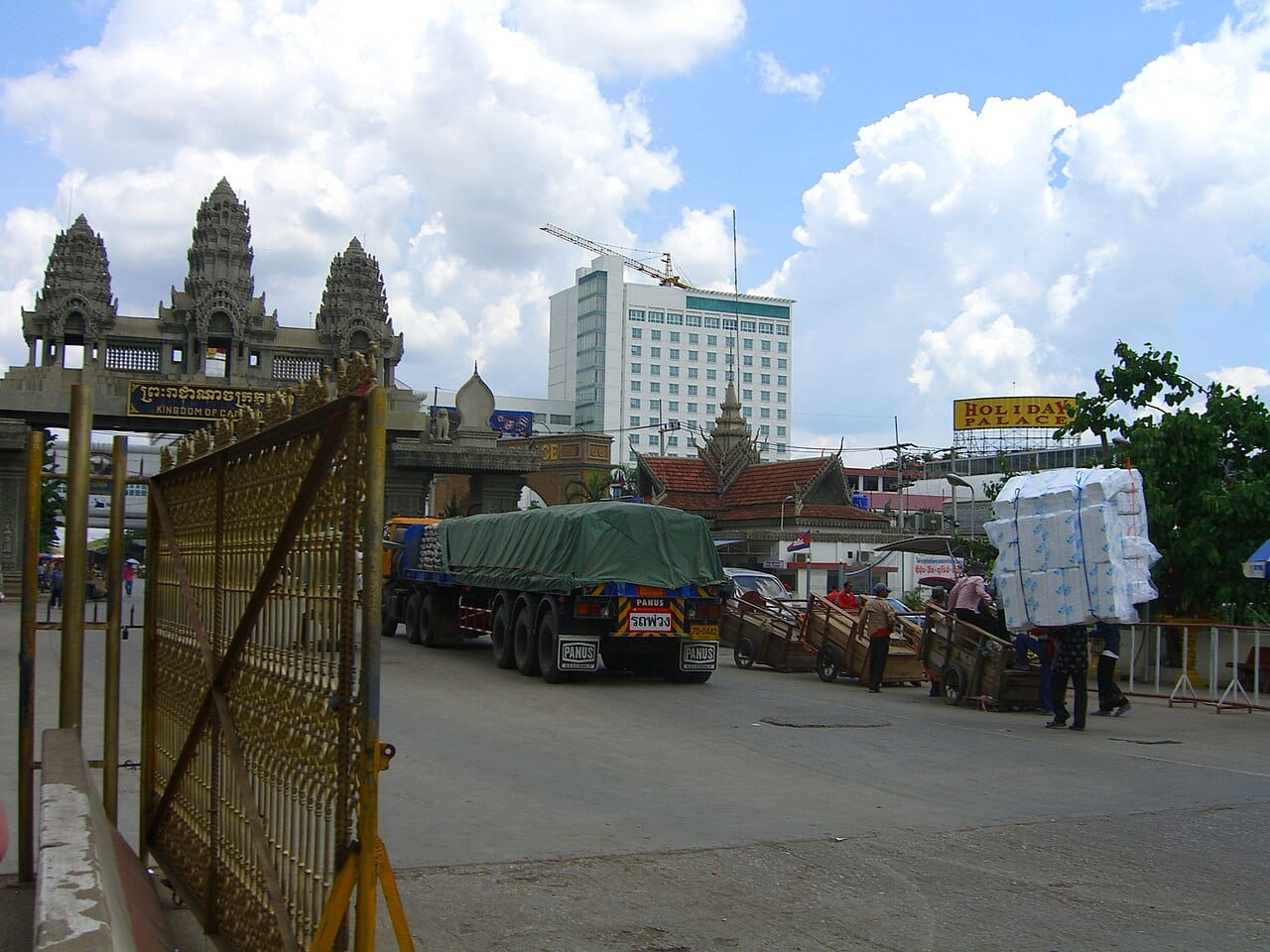
On December 10, Thailand’s Operation Sattawat took northern Cambodian areas using tanks and Gripens after detecting RCA PHL-03 rockets. Naval and drone actions followed. Between December 11 and 18, clashes extended to Oddar Meanchey and Ubon Ratchathani. Thailand reported nine soldiers killed, 120 injured, and four civilian deaths, primarily related to evacuations. Meanwhile, Cambodia reported 11-18 civilian deaths and 74 injuries. Thailand closed four checkpoints and two temples indefinitely.
Military Engagements
Thailand’s air superiority, featuring F-16s, Gripens, and loitering munitions, focused on Cambodian command posts and rocket launchers. This marked the Royal Thai Air Force’s first combat operations since 2011 under General Chaiyapruek Duangprapat’s strategy. Cambodia responded with BM-21s and PHL-03s while facing supply issues. Both nations accused each other of using landmines in violation of the Ottawa Treaty. Precision strikes by Thailand helped keep its losses low, although Cambodia condemned the tactics as brutal, targeting populated areas.
Humanitarian Crisis
Since July, over 140,000-200,000 people have been displaced, with evacuations in December increasing these numbers. Schools, hospitals, a Thai clinic, and a Cambodian gas station have sustained damage. UN High Commissioner Volker Türk cautioned about civilian risks from indiscriminate fire. The U.S. Embassy issued alerts as of December 19. The economic impact includes a sharp drop in Thai stocks, halted border trade, and destruction in the casino hub.
Diplomatic Stalemate
U.S. President Donald Trump, who helped broker the July ceasefire, promised to make calls to stop the fighting. However, Thai Prime Minister Anutin Charnvirakul refused to engage in talks, focusing on sovereignty after Shinawatra’s ousting. Cambodia’s Hun Manet sought to refer the matter to the International Court of Justice and filed protests. Thailand issued two formal notes demanding an end to what they called encroachments. ASEAN and the UN urged both sides to exercise restraint, but diplomatic channels remained stalled amid rising nationalism.
Regional Ramifications
This conflict, the deadliest since 2011, poses a threat to stability in the Mekong region. It has attracted scrutiny from both the U.S. and China and risks causing rifts within ASEAN. Thailand’s military assertiveness reflects shifts in domestic politics, while Cambodia reinforces its position through heritage claims. If the conflict continues, it could lead to observer missions or a broader war. Finding a resolution will depend on demarcation efforts by the ICJ, demining, and building trust, but political incentives currently favour escalation.
All the views and opinions expressed are those of the author. Image Credit: Eric Molina.
About the Author
Jaiee Ashtekar holds a bachelor’s degree and a master’s degree in political science from the University of Mumbai. She holds a post-graduate diploma in international relations from the University of Strathclyde, United Kingdom (UK). She has done projects titled “Kashmir through Political Perception” and “Water issues between India and Pakistan.”