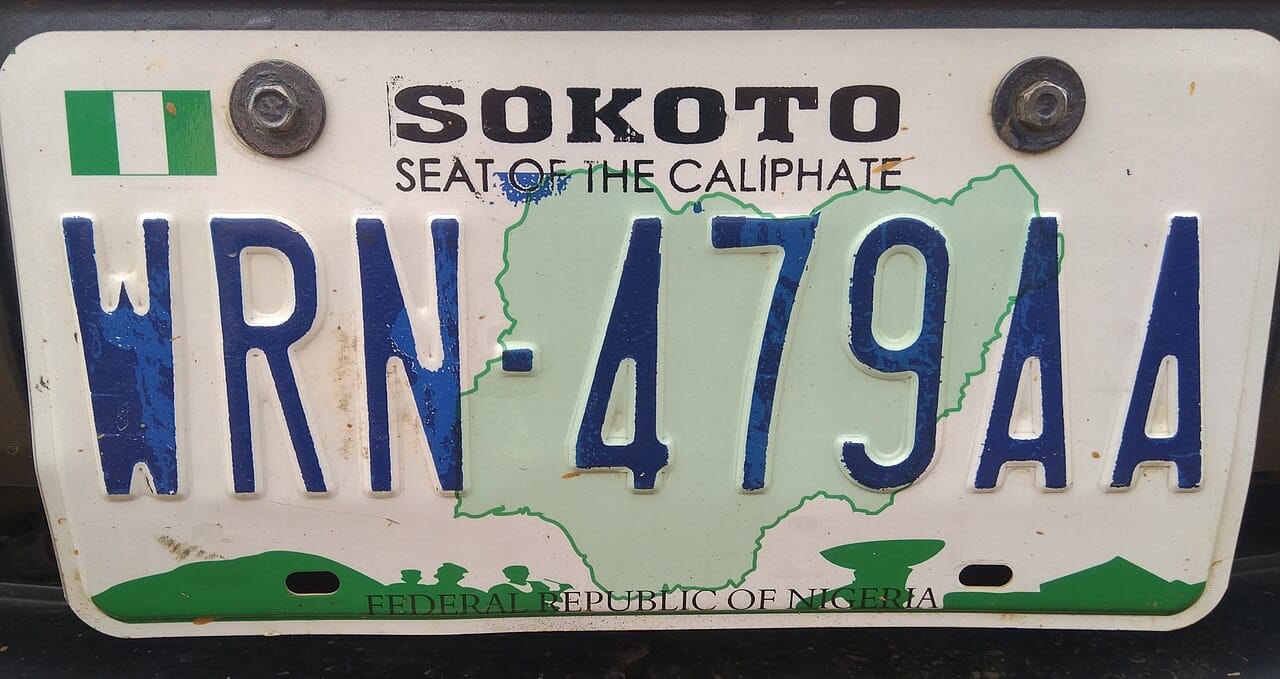
In the early hours of December 25, 2025, a series of Tomahawk cruise missiles launched from an American warship in the Gulf of Guinea flew north over West Africa. Their target was not a typical base for jihadism in the Middle East but camps in the remote Bauni forest of Nigeria’s northwestern Sokoto State, near the Niger border. This unprecedented U.S. military strike, approved by President Donald Trump and conducted with Nigeria’s consent, aimed at militants connected to the Islamic State (ISIS). It marked a dramatic start to a new and complex front in the global fight against terrorism, highlighting the troubling shift of jihadist violence into sub-Saharan Africa.
Operation’s Tactical Playbook
The Christmas Day strikes showcased long-range, precise military capability. According to U.S. and Nigerian officials, the operation involved more than a dozen Tomahawk Land Attack Missiles launched from a U.S. Navy ship, likely an Arleigh Burke-class destroyer, stationed hundreds of miles away in the Gulf of Guinea. This capability allowed the U.S. to project power deep into African territory without risking pilots or aircraft in dangerous areas.
The targets were identified as camps run by factions linked to the Islamic State’s Sahel Province (ISSP) and a growing local group known as Lakurawa. U.S. Africa Command reported an initial assessment indicating that multiple militants were killed. Nigerian authorities emphasised that this was a joint operation, planned well in advance with Nigerian intelligence, and carried out with the explicit approval of President Bola Tinubu. This framing was significant for Nigeria, a sovereign nation sensitive to foreign military actions on its soil.
Nigeria’s Multifaceted Insurgency
The strike in Sokoto revealed an expanding terrorist threat within Nigeria itself. For over a decade, the main security issue has been Boko Haram and its more lethal ISIS-affiliated offshoot, the Islamic State West Africa Province (ISWAP). These groups have devastated the northeast, killing tens of thousands and displacing millions from their strongholds in the Sambisa Forest and the islands of Lake Chad.
However, the northwestern Sokoto strike area presents a different, emerging threat. Here, the conflict is shaped by cross-border infiltration from the unstable Sahel and the growth of groups like Lakurawa. Originally formed to fight local banditry, Lakurawa has turned into an oppressive force, imposing taxes and harsh punishments on communities. Its ties to transnational ISIS networks in Mali and Niger make it a pathway for ideology, fighters, and weapons, turning local crime into global jihad.
This violence exists within Nigeria’s deep religious and ethnic divides. The country is roughly divided between a predominantly Muslim north and a largely Christian south. While groups like ISIS and Boko Haram attack both Muslims and Christians, a separate cycle of violence in the Middle Belt pits mainly Muslim Fulani herders against Christian farmers in deadly clashes over land and resources. The Trump administration publicly justified the Sokoto strikes as a response to the killings of Christians, a claim that oversimplifies Nigeria’s intricate conflict landscape and was met with skepticism by analysts and the Nigerian government.
Why Nigeria Struggles to Secure Itself?
The fact that the Nigerian government requested or approved such direct U.S. military intervention underscores the serious challenges its security forces face. The Nigerian military is chronically overstretched and under-resourced, battling insurgencies on multiple fronts while also dealing with nationwide banditry and separatist movements.
Experts point to a spectrum of motivations behind Nigeria’s instability, which often include greed, need, and creed. While ideology is a main driver for Boko Haram, socioeconomic hardship and criminal profit also significantly influence the situation, especially in the northwest and the oil-rich Niger Delta. This complexity means a purely military solution is not enough. As Nigeria’s Minister of Defence noted, force might resolve only 30% of the conflict, while the remaining 70% stems from governance failures, poverty, and lack of opportunity.
Compounding this issue is the difficult terrain of the northern borderlands. Dense forests and rocky hills provide ideal hiding spots for militants. Additionally, the political situation in the Sahel has grown unstable. The withdrawal of French and U.S. forces from Mali, Burkina Faso, and Niger, along with those countries’ shift toward Russia and the formation of their own alliance, has created a volatile security vacuum. Terrorist groups have taken advantage of this, with a UN official warning that a vast territory stretching from Mali to northern Nigeria could fall under their control.
Strategic Calculus and the Road Ahead
The Sokoto strike was more than a tactical counterterrorism action; it reflected a geopolitical event full of strategic signals. For the Trump administration, it reinforced a domestic political narrative focused on confronting radical Islam and protecting Christians abroad. For Nigeria, it accepted necessary assistance while asserting sovereignty and partnership instead of subordination.
Strike also highlights the future of counterterrorism in Africa. With Western forces facing political challenges in much of the region, the U.S. seems to be shifting toward a model of over-the-horizon strikes: using intelligence, often from partners, to conduct precise attacks from far-off platforms like ships or drones. This approach reduces American risks but raises concerns about long-term effectiveness, accountability for civilian casualties, and whether local partners can maintain control after a strike.
Ultimately, the missiles that hit the forests of Sokoto on Christmas Day 2025 signal a larger issue. They reflect the failure of governance and development in areas where young people see few options other than picking up a gun or joining a radical cause. As global terrorism shifts deeper into sub-Saharan Africa, the international community faces a tough choice: continue with sporadic, high-tech interventions that only address symptoms, or invest in supporting good governance, economic development, and regional stability that can truly tackle the problem.
References
1. BBC News. (2025, December 25). US launches strikes against Islamic State in Nigeria.
2. Premium Times. (2025, December 27). US airstrike in Sokoto definitely hit terrorists – Council Chair.
3. Security Council Report. (2025, January). Monthly Forecast on Counter-Terrorism.
4. Al Jazeera. (2025, December 26). US bombs target ISIL in Nigeria: What’s really going on?
5. Military.com. (2025, December 27). Nigeria’s Late-December 2025 Bombings: What Happened and What Is Known.
6. Frontiers in Political Science. (2025). Boko Haram and Niger Delta Avengers: unraveling the greed-need-creed spectrum in Nigeria’s security-development nexus.
All the views and opinions expressed are those of the author. Image Credit: Niegodzisie.
About the Author
Jaiee Ashtekar holds a bachelor’s degree and a master’s degree in political science from the University of Mumbai. She holds a post-graduate diploma in international relations from the University of Strathclyde, United Kingdom (UK). She has done projects titled “Kashmir through Political Perception” and “Water issues between India and Pakistan.”