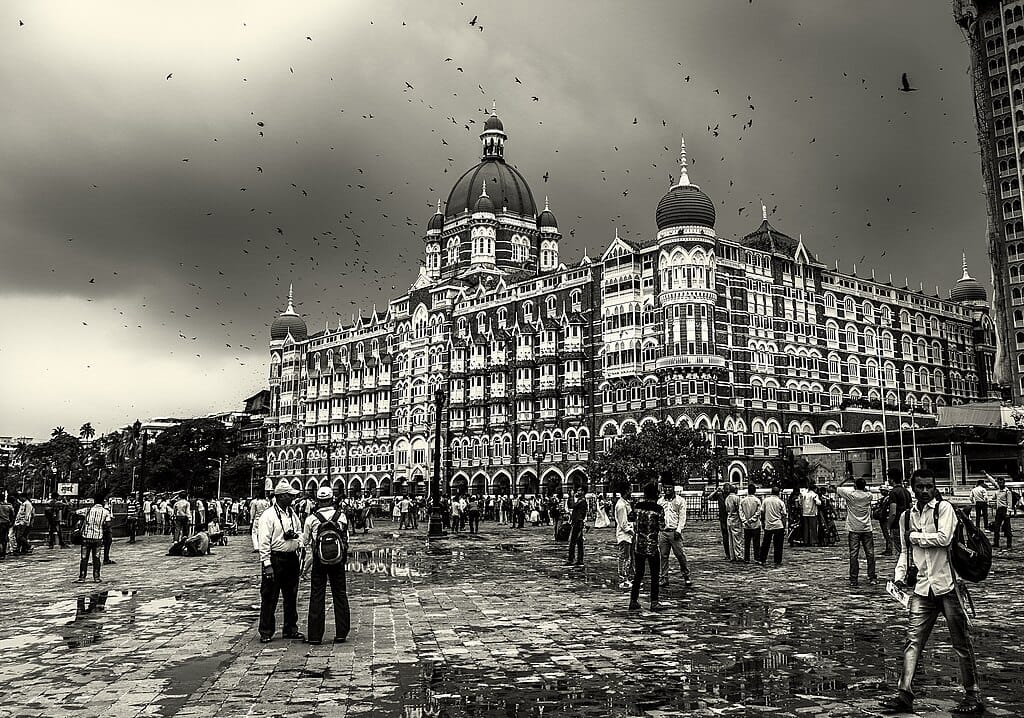
On November 26, 2008, ten young men from Pakistan sailed unnoticed through the dark waters toward India’s financial capital, leaving a trail of violence in their wake. They had already murdered the crew of an Indian fishing trawler, the Kuber, and now they were approaching Mumbai’s coastline in inflatable dinghies. Their landing at two separate locations in Colaba around 8:00-9:00 PM marked the beginning of a sixty-hour siege that would claim 175 lives, injure over 300, and traumatise a nation. As we stand seventeen years removed from those terrifying nights, the trail of 26/11 continue to shape geopolitics, counter-terrorism strategies, and the lives of survivors in ways both profound and disturbing.
The Mumbai attacks represented a new genre of terrorism; not random bombings, but a sustained, military-style assault on high-profile targets designed to maximise psychological impact and media coverage. The planning, as later investigations revealed, was astonishing in its detail and duration.
The ten attackers, affiliated with the terrorist organization Lashkar-e-Taiba (LeT), underwent extensive training that resembled special forces preparation. Their indoctrination began with psychological warfare images of Muslim suffering meant to fuel jihadist fervour. This was followed by basic combat training, advanced combat techniques, supervised by former Pakistani military personnel, and specialised commando training that focused on marine navigation and urban warfare. They received blueprints of their targets and conducted extensive surveillance through David Headley, a Pakistani-American who made five extended trips to Mumbai to videotape potential targets. Headley’s role was particularly revealing of the operation’s sophistication.
All the views and opinions expressed are those of the author. Image Credit: Rajarshi MITRA.
About the Author
Jaiee Ashtekar holds a bachelor’s degree and a master’s degree in political science from the University of Mumbai. She holds a post-graduate diploma in international relations from the University of Strathclyde, United Kingdom (UK). She has done projects titled “Kashmir through Political Perception” and “Water issues between India and Pakistan.”