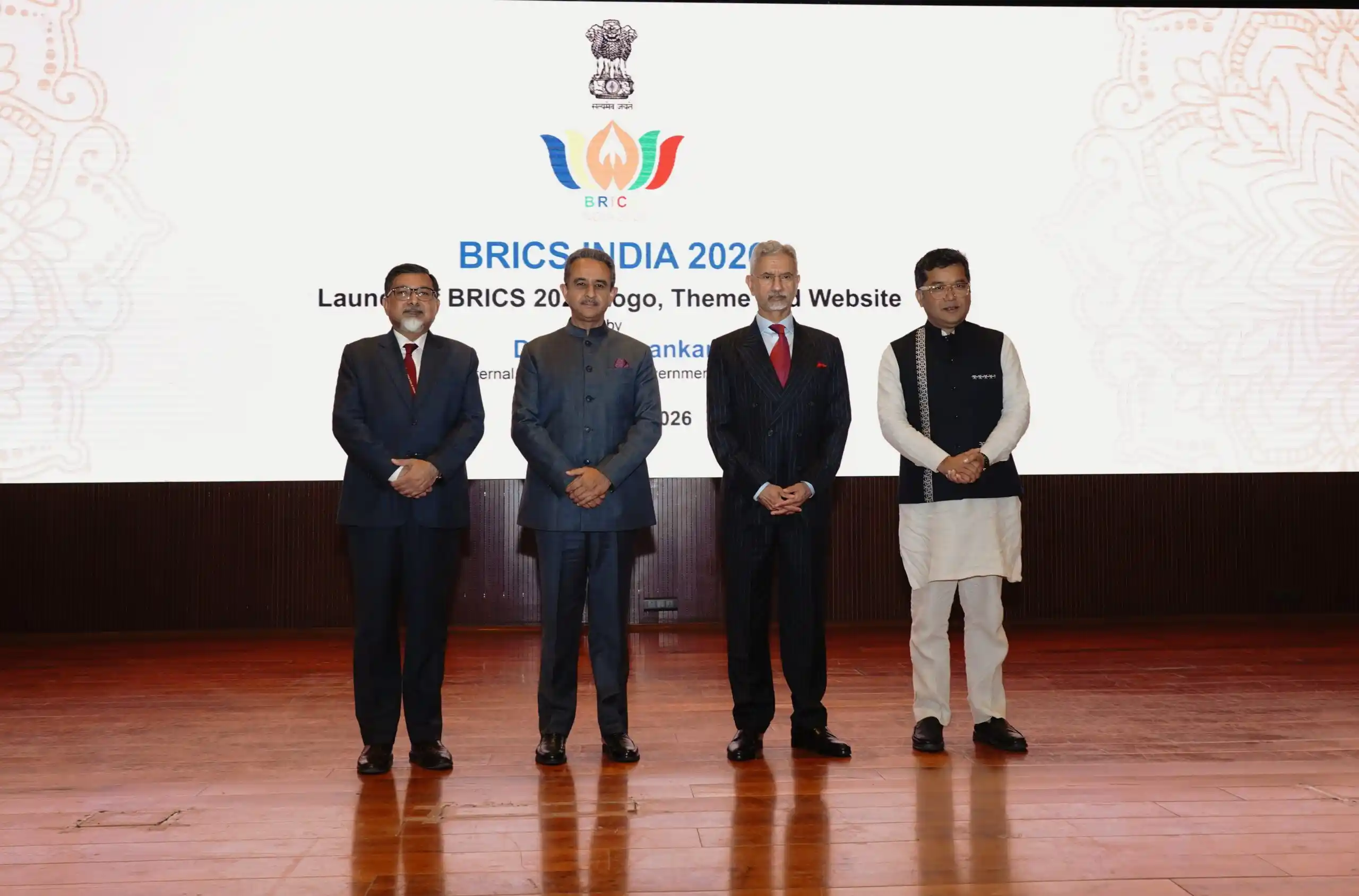
In the grand mosaic of global affairs, where threads of power once tightly woven by a few dominant hands now fray under the strains of multipolarity, a new pattern is emerging. Great-power rivalries, prolonged conflicts, climate crises, and institutional inertia expose the limitations of the post-World War II order. Yet, amid this turbulence, the Global South is no longer a passive observer but an active artisan, reshaping the fabric toward greater equity and inclusion. The rise of multipolarity—marked by the expansion of platforms like BRICS, South-South cooperation, and calls for fairer representation in global governance—offers a profound opportunity