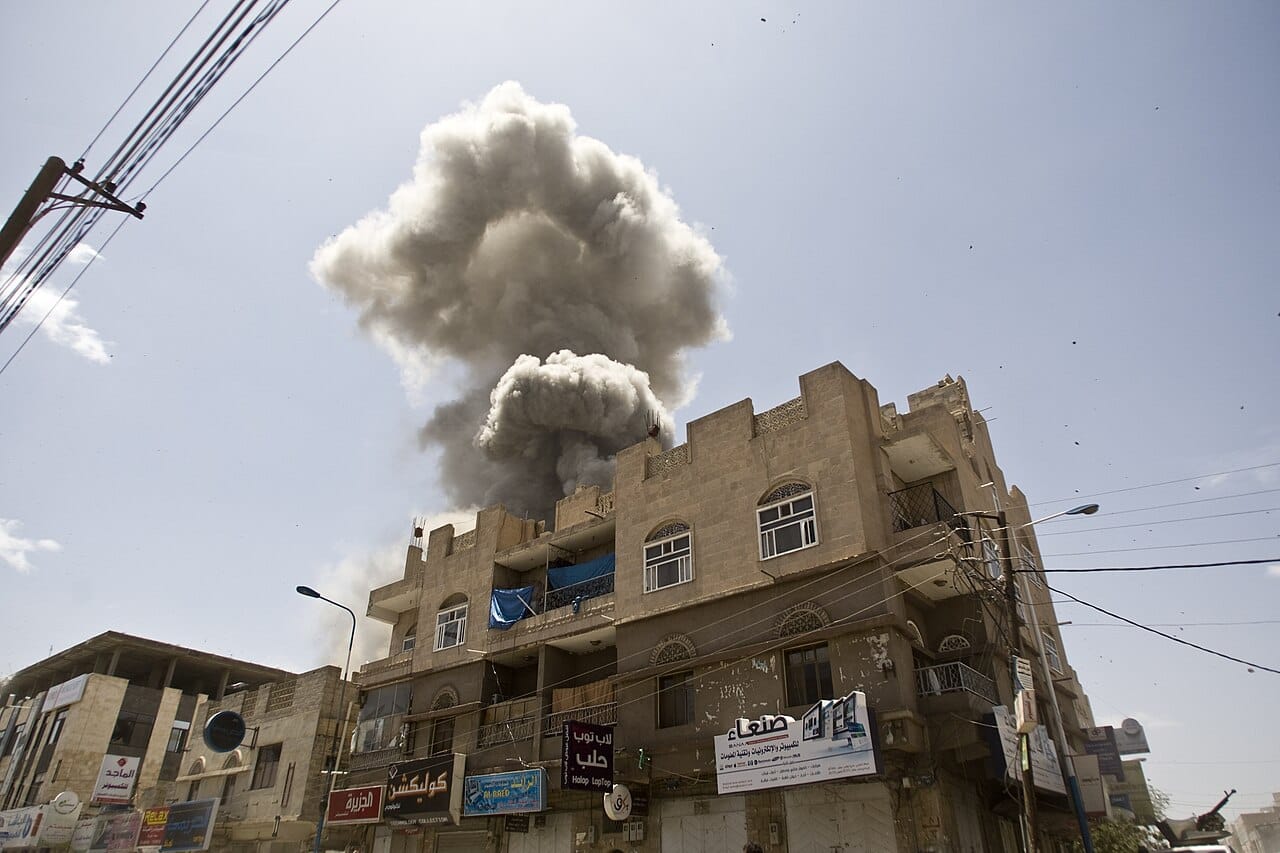
The Yemen crisis is again showing the world that wars do not end just because the fighting stops. They end when the political deals that caused them are fixed, or when those deals completely fail. In late 2025 and early 2026, Saudi airstrikes, land gains by the United Arab Emirates-backed Southern Transitional Council (STC), and worse Saudi-UAE ties have brought back some of the biggest problems in Yemen’s war. This is happening at a time when global shipping routes, energy markets, and regional security are already weak. Yemen is again a local war with worldwide effects.
Tag: UAE
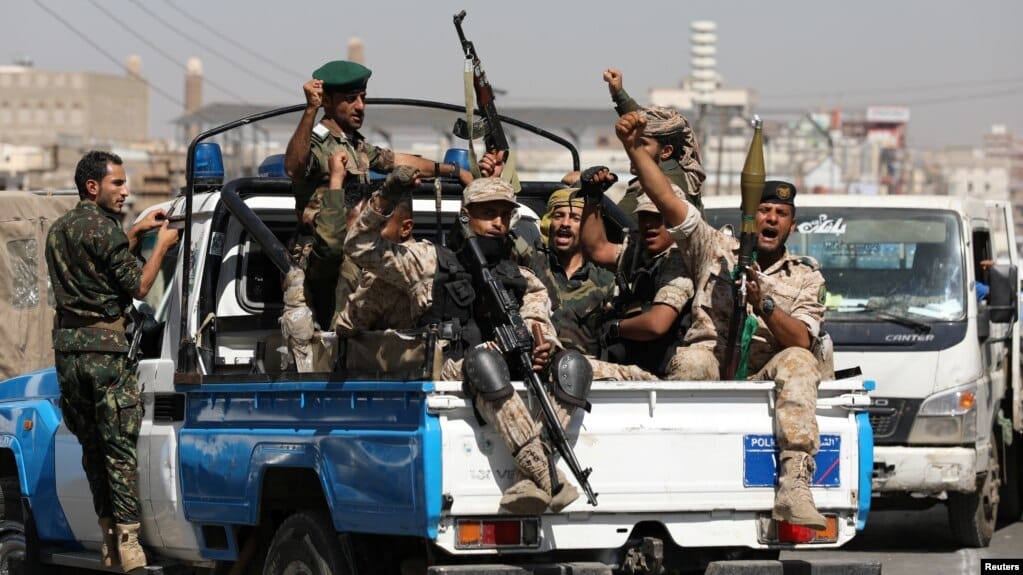
Yemen is No Longer About the Houthis
The Yemen war, which has lasted for over a decade, has shifted from a coalition effort against the Houthis to a conflict highlighting a growing divide between Saudi Arabia and the United Arab Emirates (UAE). What started as a coordinated effort has turned into a struggle for influence, territory, and strategic gain, with Yemen as the primary battleground.
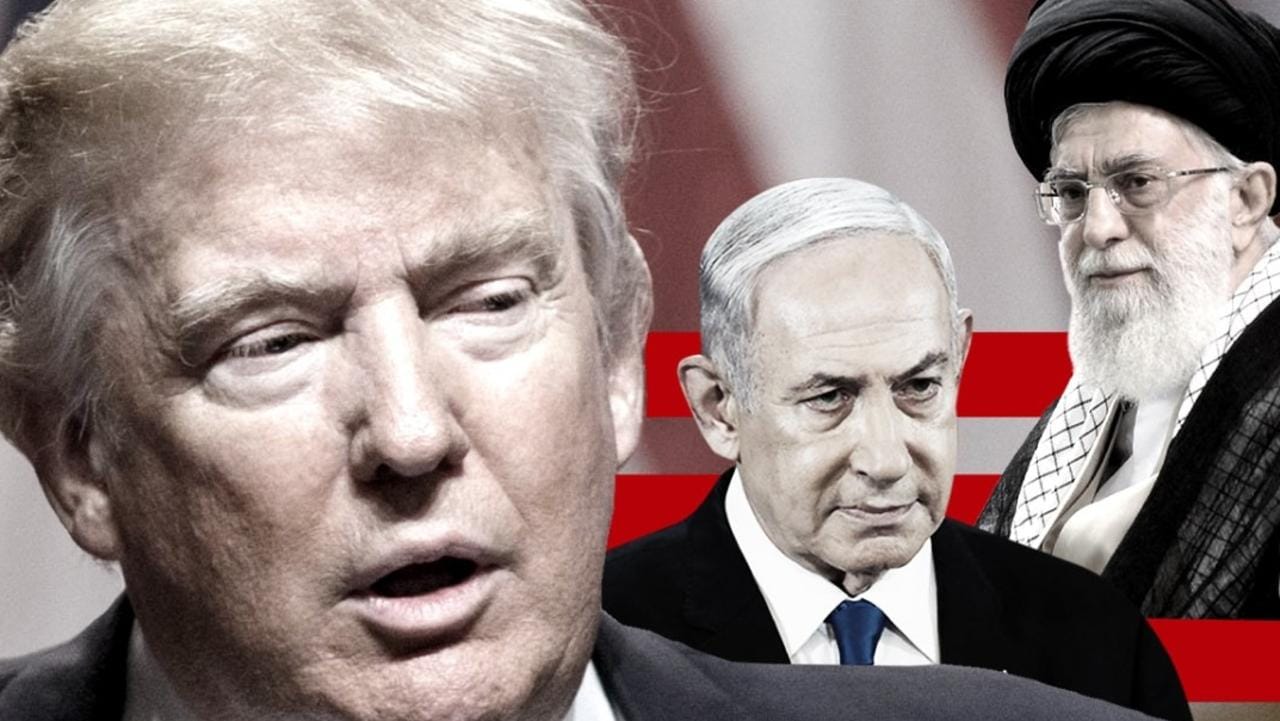
Trump’s Middle East Gamble
Since President Donald Trump’s inauguration for his second term in January 2025, the geopolitical landscape in the Middle East has undergone profound changes. The administration’s renewed assertiveness has reignited longstanding disputes and strategic rivalries, most notably among Iran, Israel, and the United States. This article provides a comprehensive, practical analysis of these developments—detailing U.S. military engagements, Iran’s nuclear ambitions, Israel’s strategic recalculations, and the broader regional and international ramifications.
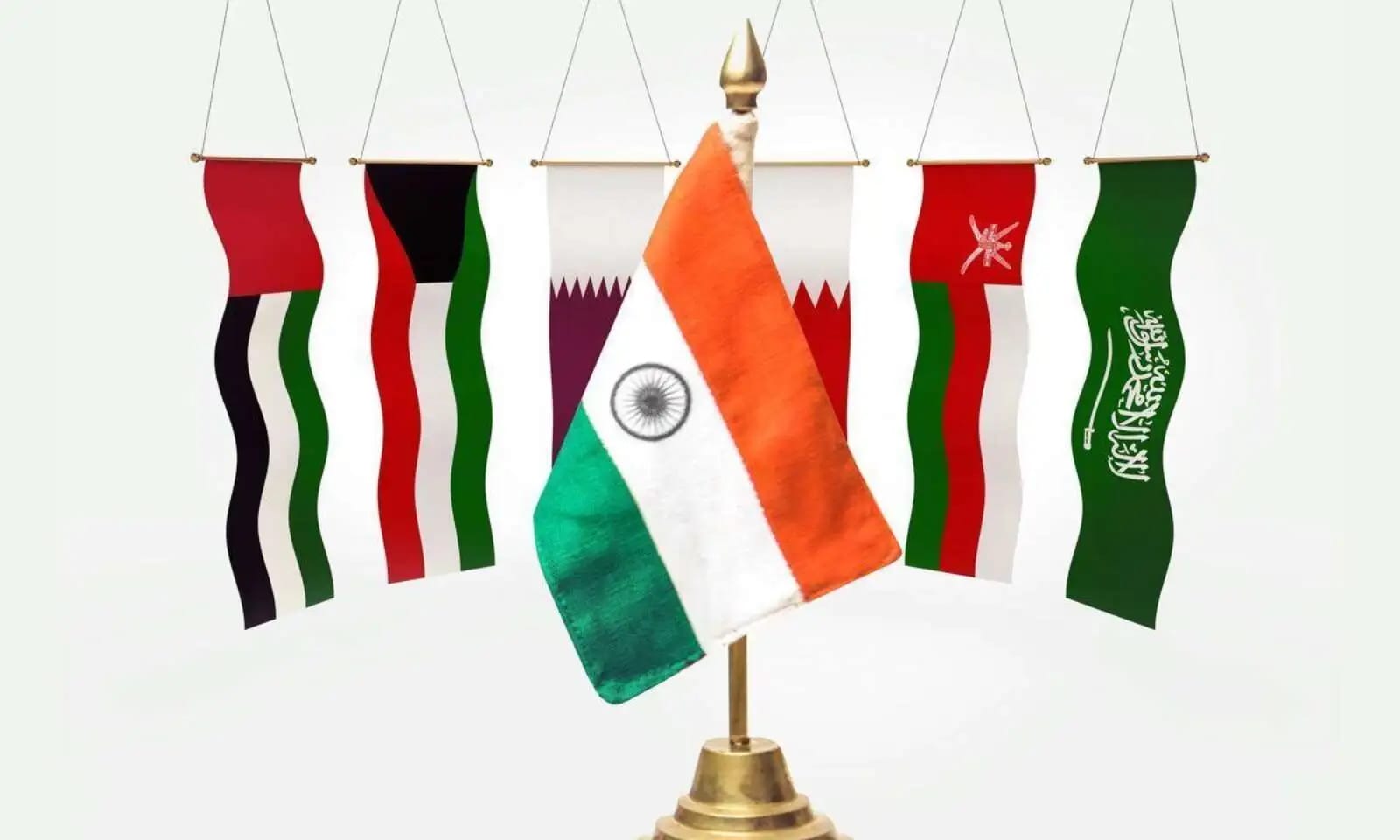
India-GCC Relations: A Comprehensive Partnership
India’s relationship with the Gulf Cooperation Council (GCC) is a pivotal aspect of its foreign policy, driven by a blend of historical ties, economic interdependence, energy needs, and cultural connections. The region’s significance for India is underpinned by its strategic location, shared interests in regional stability, and the presence of a large Indian diaspora. With 8.9 million Indians residing in GCC countries—constituting 66% of India’s global diaspora—and bilateral trade reaching $161.59 billion in FY 2023-24, the GCC represents India’s largest regional trading partner.
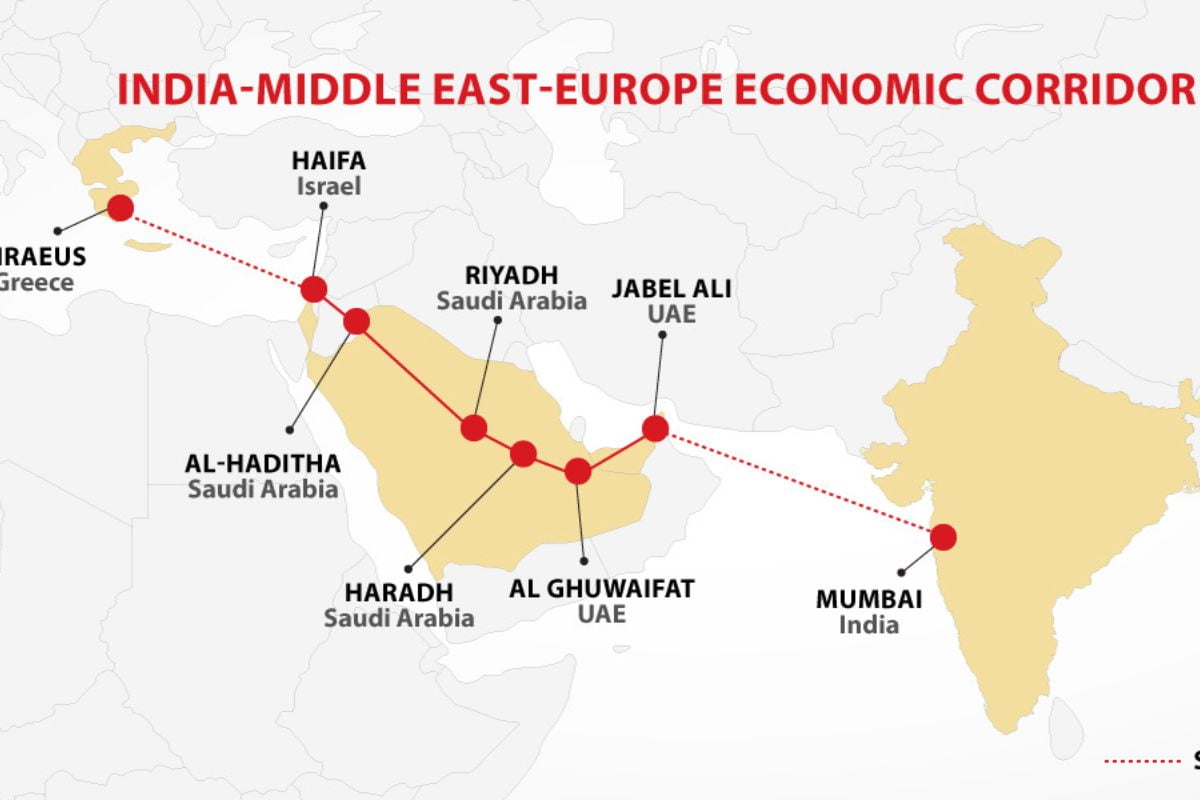
Integrating Oman and Egypt into the India-Middle East-Europe Economic Corridor
As the Israel-Palestine conflict persists, the India-Middle East-Europe Economic Corridor (IMEC), announced in the backdrop of the G20 summit held in Delhi in September, 2023, remains a non-starter. The resolution of the Israel-Palestine conflict is nowhere in sight. As opposed to delaying the implementation of IMEC until the crisis is resolved, the participating nations could look at additional routes that would connect India to Europe bypassing Israel. One such route can connect India to Europe via Oman, Saudi Arabia and Egypt, while the rest of the Gulf Cooperation Council countries can be connected to the corridor via branch routes.