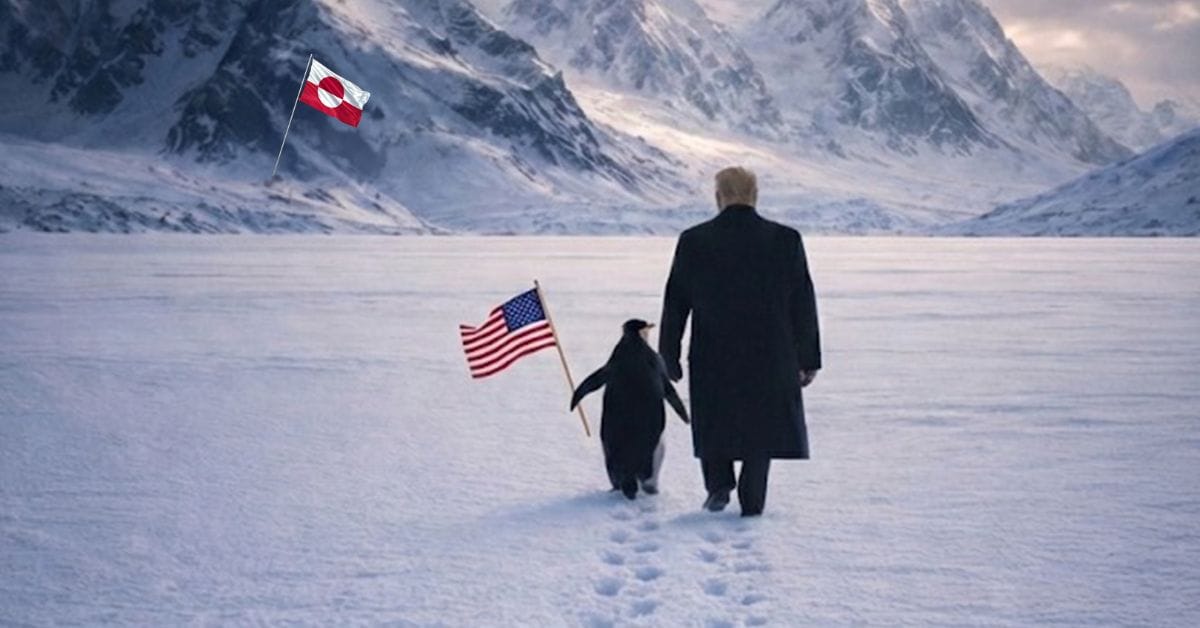
President Donald Trump said on January 9 that his administration will take action on Greenland “whether they like it or not,” and this time it seems serious as he pushes to acquire the Danish territory for the United States. After January 3, when Venezuelan leader Nicolas Maduro was ousted from Caracas, the American President is adamant about seizing control of the 836,330-square-mile island of Greenland, which is bigger than Alaska.
Tag: Trump 2.0
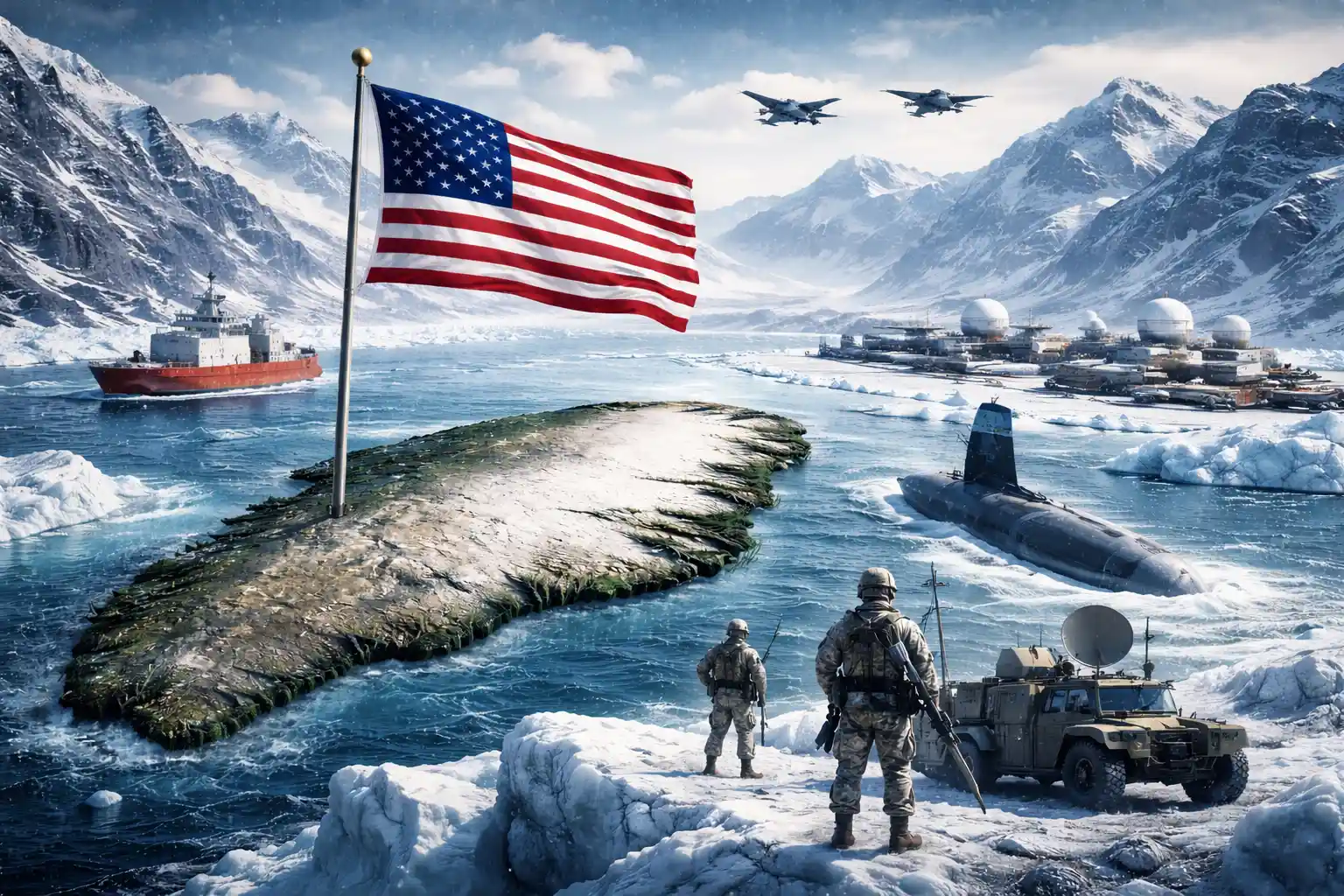
Strategic Arctic Competition: When National Security Trumps Sovereignty
On Wednesday, January 14, 2026, high-level talks between the Trump administration and Danish-Greenlandic officials ended precisely where they began: in deadlock. Following a White House meeting with Vice President JD Vance and Secretary of State Marco Rubio, Danish Foreign Minister Lars Lokke Rasmussen emerged to confirm a “fundamental disagreement” remained over Greenland, despite establishing a working group to explore compromise. Hours earlier, President Trump had doubled down from the Oval Office, declaring “we need Greenland for national security” while questioning whether “Denmark can do about it if Russia or China wants to occupy Greenland.”
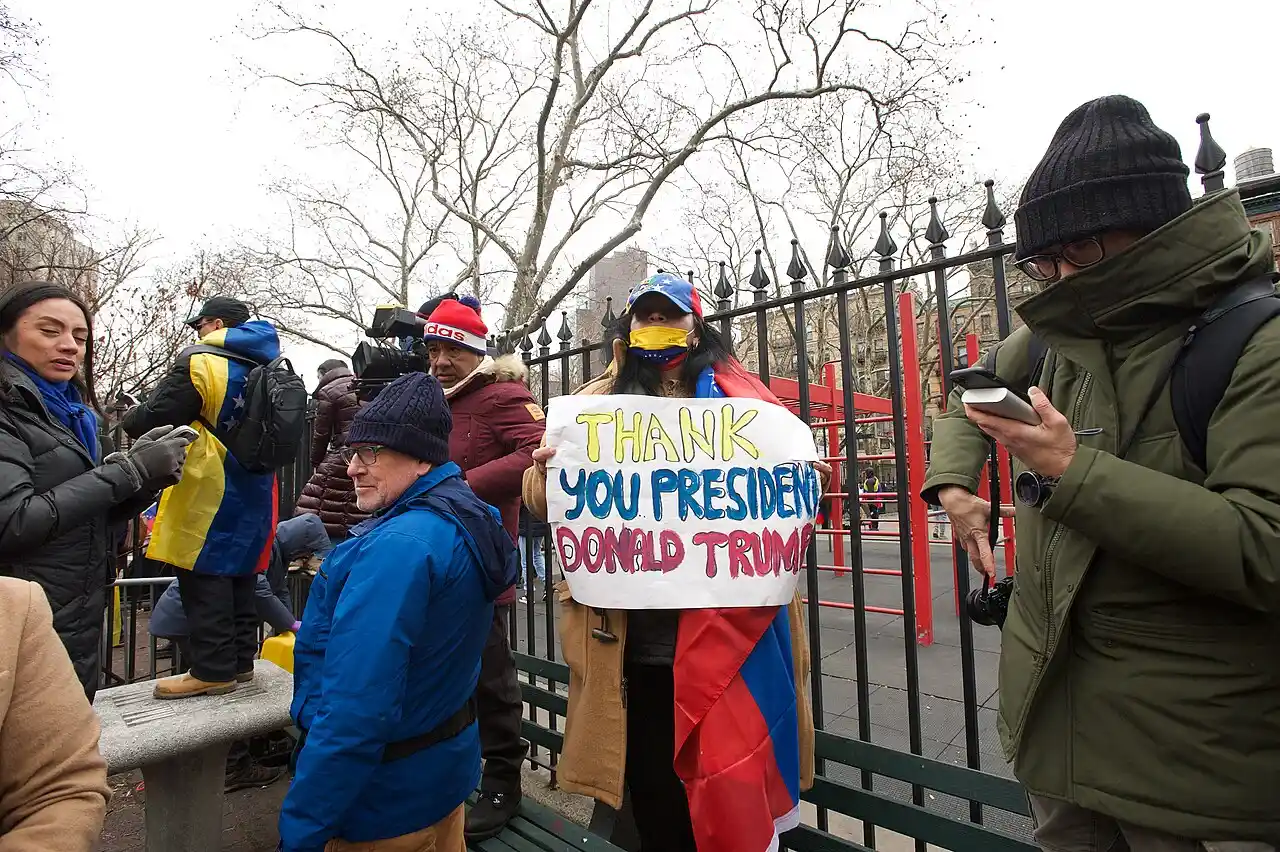
How Criminal Law Became a Tool of U.S. Foreign Policy in Trump’s Maduro Operation
In the early hours of January 3, 2026, more than 150 U.S. military aircraft launched from bases across the Western Hemisphere, converging on Caracas. By dawn, Venezuelan President Nicolás Maduro was aboard the USS Iwo Jima, bound for New York to face narcoterrorism charges. The operation, codenamed “Absolute Resolve,” represented the most audacious military action against a foreign head of state since the 1989 Panama invasion. But unlike traditional warfare, this operation unfolded under a different legal banner entirely: law enforcement.

Trump’s Big Bet: Is the US becoming the Crypto Capital or Risking it All?
In a world already buzzing with geopolitical chaos – be it the Middle East conflict, the ongoing Russia-Ukraine war, the reopened Epstein investigation, or the constant backdoor economic deals – President Donald Trump, now back in the White House in 2025, has dropped another headline-maker. This July, his administration introduced three landmark bills in the House that have already begun stirring debates across party lines and public spheres. As expected, controversy wasn’t far behind.
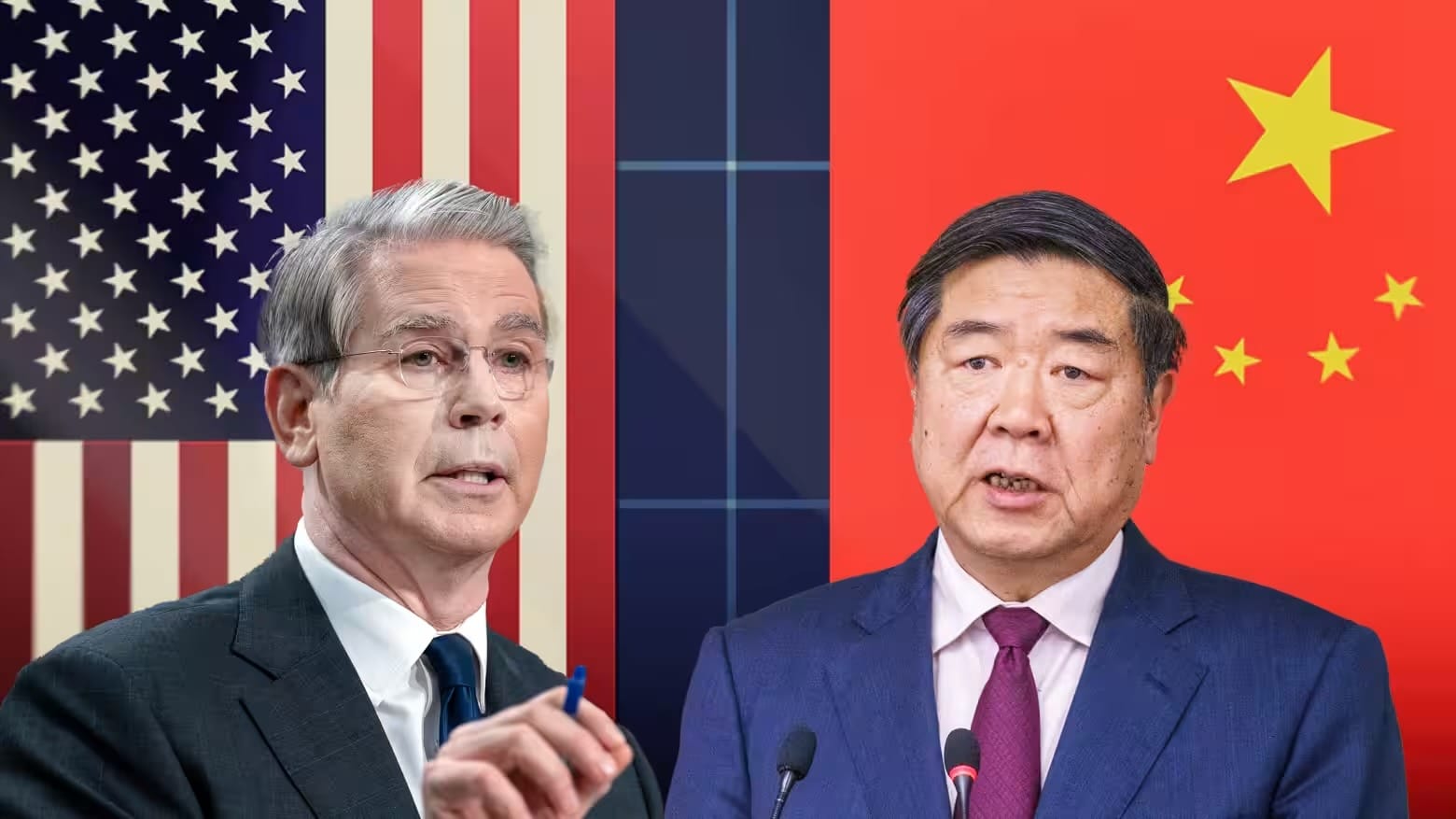
Trade Truce of Trump with China: Tactical Withdrawal or Strategic Rebalancing?
In May of 2025, President Donald Trump had a significant announcement on his administration’s long-running trade conflict with China: a temporary agreement that reverses part of the high tariffs that have been levied over the last two years and provides a 90-day period for negotiations. Described by the White House as a “strategic recalibration” and by Beijing as a “welcome but cautious step,” the agreement is the first concrete easing of a battle that has broken global supply lines, shaken financial markets, and transformed geopolitical alignments.
The US Strategic Pivot Towards India and Saudi Arabia
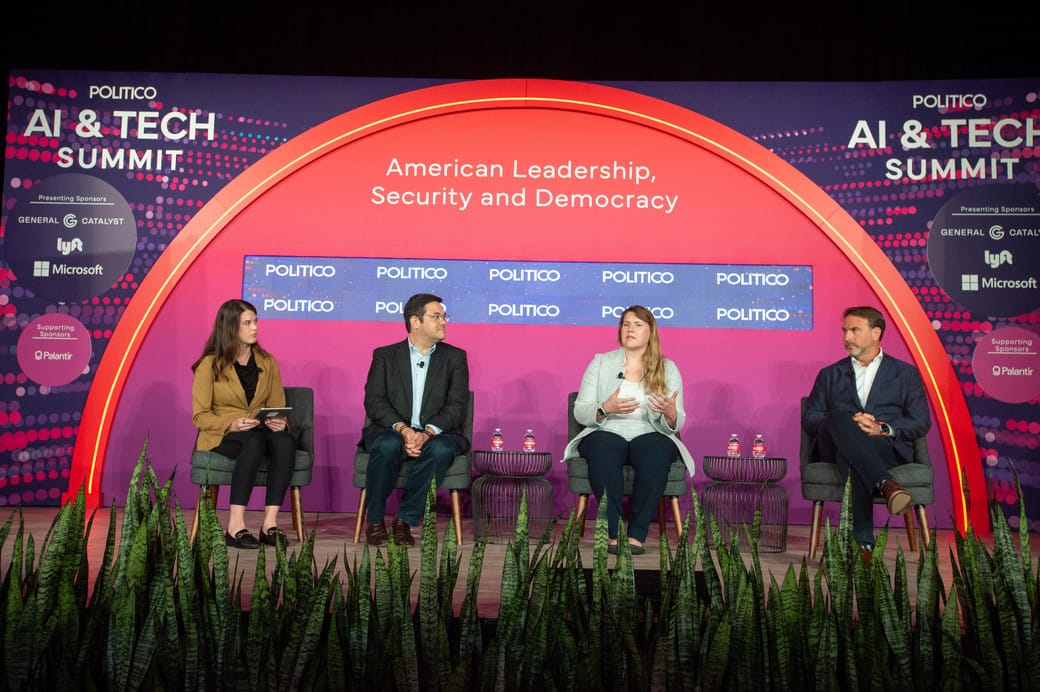
During the recent POLITICO Security Summit, US Representative Mike Lawler presented a forceful argument for reshaping America’s strategic alliances. Focusing on India and Saudi Arabia as fundamentally important to US security interests for the coming decade, Lawler sketched out a policy direction that does not merely seek to deepen bilateral relationships but also rebalance world power in reaction to the intensifying assertiveness of China, Russia, Iran, and North Korea.

Trump’s Tariffs Impact on the Auto Sector and Global Supply Chains
Starting on March 4, President Trump’s significant tariffs will take effect. These tariffs include a 20% levy on Chinese imports, a substantial 25% tariff on products from its North American neighbours, Mexico and Canada, and an additional 10% tariff on Canadian oil and energy imports. This radical shift will have far-reaching implications for the U.S. automotive industry, potentially leading to increased costs for manufacturers and consumers and potentially reshaping global trade dynamics in the automotive sector. The auto industry is one of the most heavily affected by international trade policies in the US, with substantial volumes of finished vehicles and auto parts coming from Mexico and Canada.
Trump’s Middle East Gamble
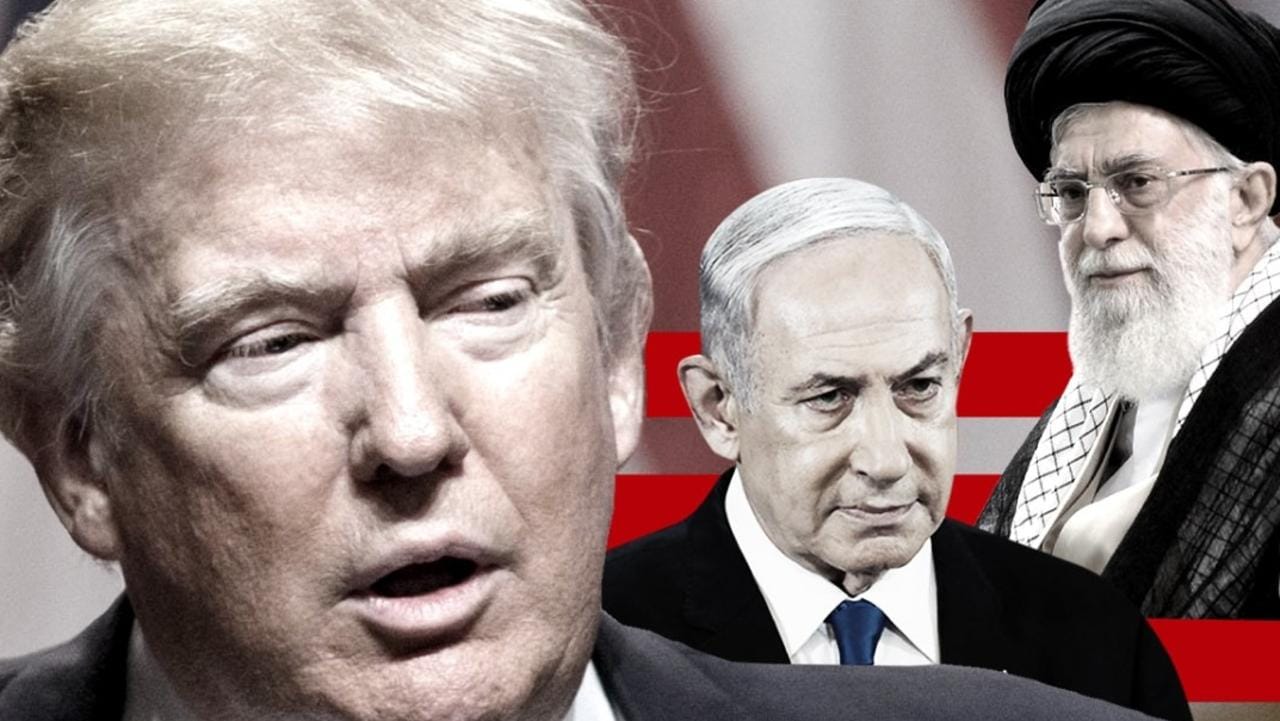
Since President Donald Trump’s inauguration for his second term in January 2025, the geopolitical landscape in the Middle East has undergone profound changes. The administration’s renewed assertiveness has reignited longstanding disputes and strategic rivalries, most notably among Iran, Israel, and the United States. This article provides a comprehensive, practical analysis of these developments—detailing U.S. military engagements, Iran’s nuclear ambitions, Israel’s strategic recalculations, and the broader regional and international ramifications.
A Snapshot of China’s Economy in 2024
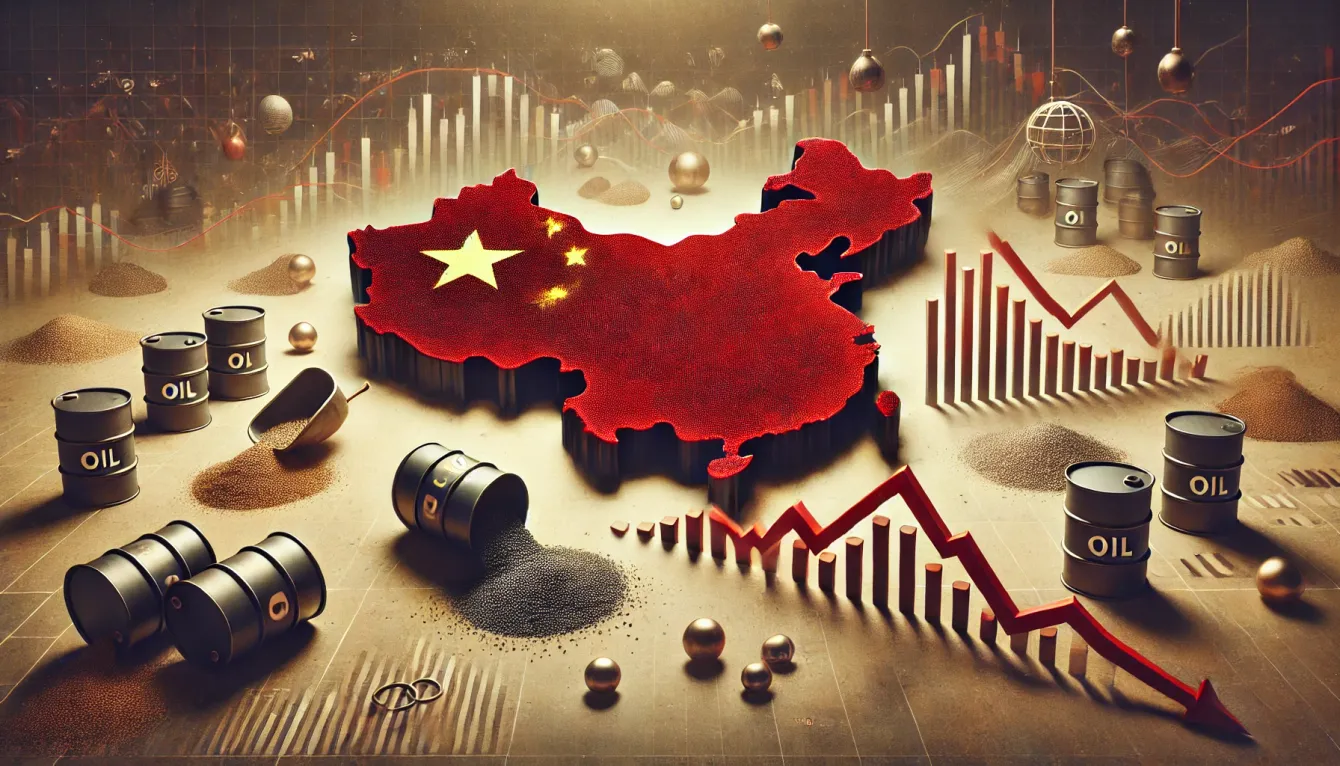
On January 17, 2025, the National Bureau of Statistics (NBS) of China released the GDP figures for the year 2024. The statistics show that China achieved its 2024 GDP target of 5 per cent in December 2023 at the CEWC meeting. The economy peaked in 2007 with a 14.2 per cent growth rate but stagnated after President Xi Jinping implemented the ‘Three Red Lines’ policy to improve the real estate sector. Stimulus measures and impressive Q4 growth from exports and manufacturing ended the year positively. The GDP totalled RMB 134.91 trillion (US$18.80 trillion) with a 5% year-on-year growth rate in constant prices, meeting the government’s objective.
United States under Trump 2.0 wants the Panama Canal
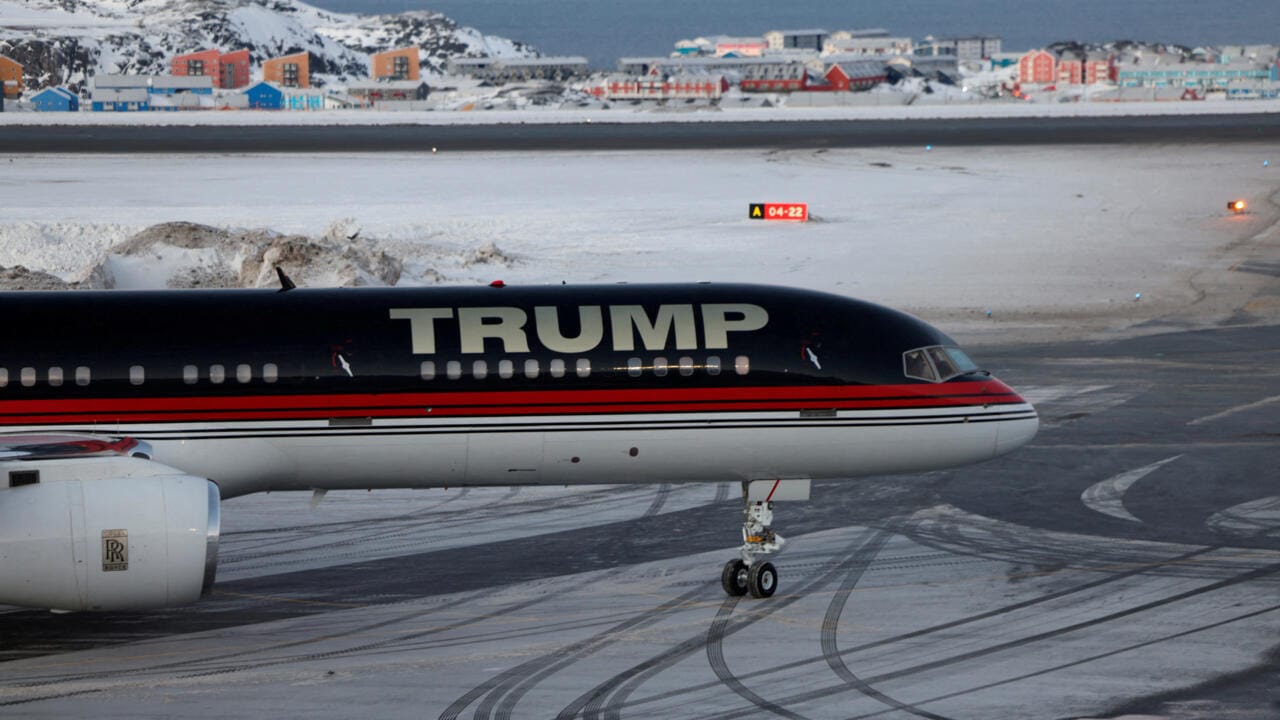
Donald Trump recently claimed that the United States is being “ripped off” by the Panama Canal’s administrators and alleged that “Chinese soldiers” are operating the canal. He has threatened to “demand the return of the Panama Canal” to the United States. On December 23rd, Panama’s president, José Raúl Mulino, responded by asserting that “every square metre of the Panama Canal” is the country’s property, a stance supported by opposition parties. Trump’s actual objectives might be less extreme, but their specifics remain unclear