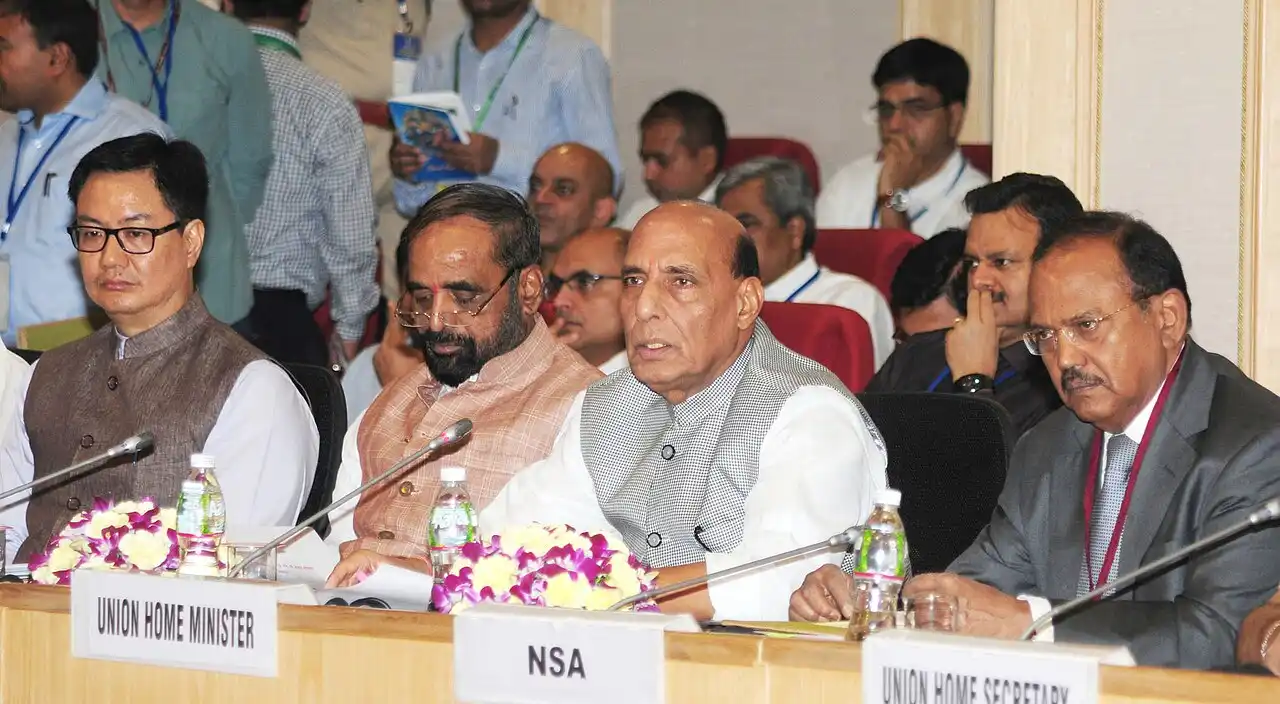
The Indian military is recognised as the fourth most potent armed force globally and the recent success of Chandrayaan 3 has cemented India’s status as the fifth great space power. Whereas on the diplomatic front, India’s vaccine diplomacy during the covid-19 pandemic and the role of net security provider in the Indo-Pacific coupled with its leadership of the Global South has affirmed India’s position as a Vishwaguru (teacher to the world) within the international community. According to Morgan Stanley, India stands at the cusp of a transformational decade poised to become the third-largest economy by overtaking Germany by 2028.
Tag: Terrorism
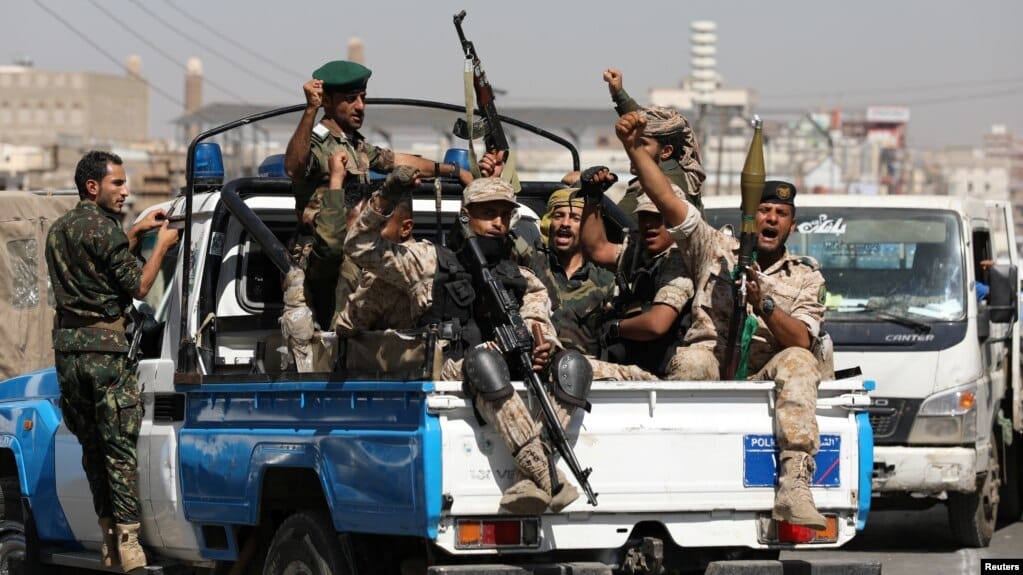
Yemen is No Longer About the Houthis
The Yemen war, which has lasted for over a decade, has shifted from a coalition effort against the Houthis to a conflict highlighting a growing divide between Saudi Arabia and the United Arab Emirates (UAE). What started as a coordinated effort has turned into a struggle for influence, territory, and strategic gain, with Yemen as the primary battleground.

The Sokoto Strike: A New Front in the United States’ War on Terror
In the early hours of December 25, 2025, a series of Tomahawk cruise missiles launched from an American warship in the Gulf of Guinea flew north over West Africa. Their target was not a typical base for jihadism in the Middle East but camps in the remote Bauni forest of Nigeria’s northwestern Sokoto State, near the Niger border. This unprecedented U.S. military strike, approved by President Donald Trump and conducted with Nigeria’s consent, aimed at militants connected to the Islamic State (ISIS). It marked a dramatic start to a new and complex front in the global fight against terrorism, highlighting the troubling shift of jihadist violence into sub-Saharan Africa.

The 26/11 Attacks and the Unfinished War on Terror
On November 26, 2008, ten young men from Pakistan sailed unnoticed through the dark waters toward India’s financial capital, leaving a trail of violence in their wake. They had already murdered the crew of an Indian fishing trawler, the Kuber, and now they were approaching Mumbai’s coastline in inflatable dinghies. Their landing at two separate locations in Colaba around 8:00-9:00 PM marked the beginning of a sixty-hour siege that would claim 175 lives, injure over 300, and traumatise a nation. As we stand seventeen years removed from those terrifying nights, the trail of 26/11 continue to shape geopolitics, counter-terrorism strategies, and the lives of survivors in ways both profound and disturbing.
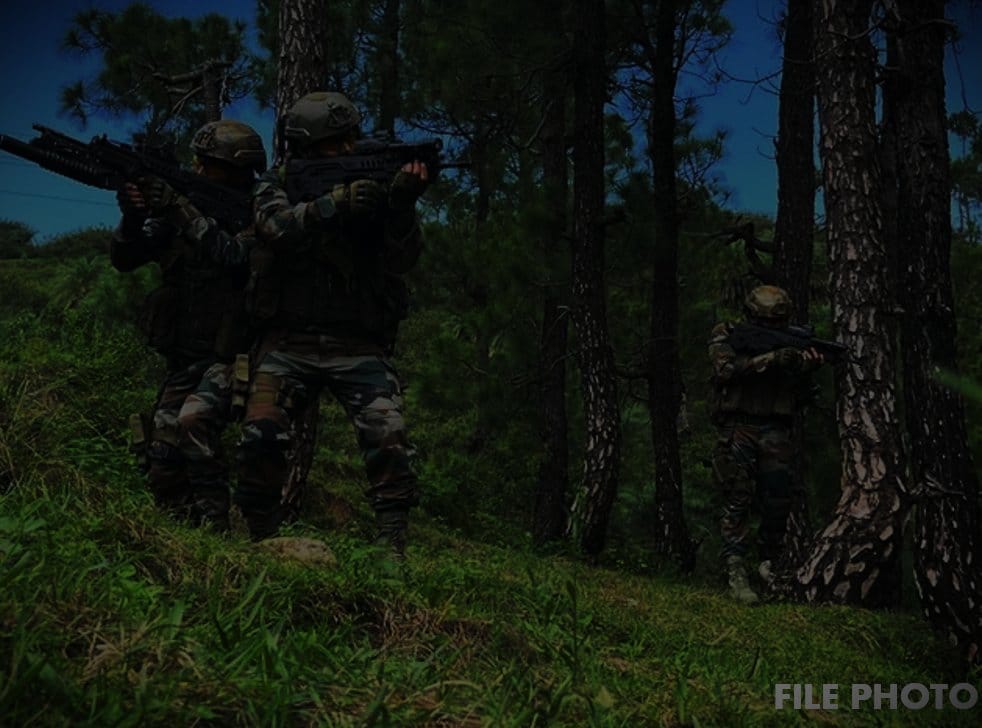
Operation Mahadev: Strategic Closure to the Pahalgam Terror Strike
Operation Mahadev stands out not only as a military victory but as a new perspective on evolving national security practices. This operation aimed to neutralize the attackers of the April 22, 2025, Pahalgam massacre, which resulted in the deaths of 26 civilians. On July 28, 2025, Indian security forces conducted a joint operation in the Dachigam forests near Srinagar. It provided immediate retaliation and a data-driven closure, supported by continued intelligence, forensic verification, and international diplomatic efforts.
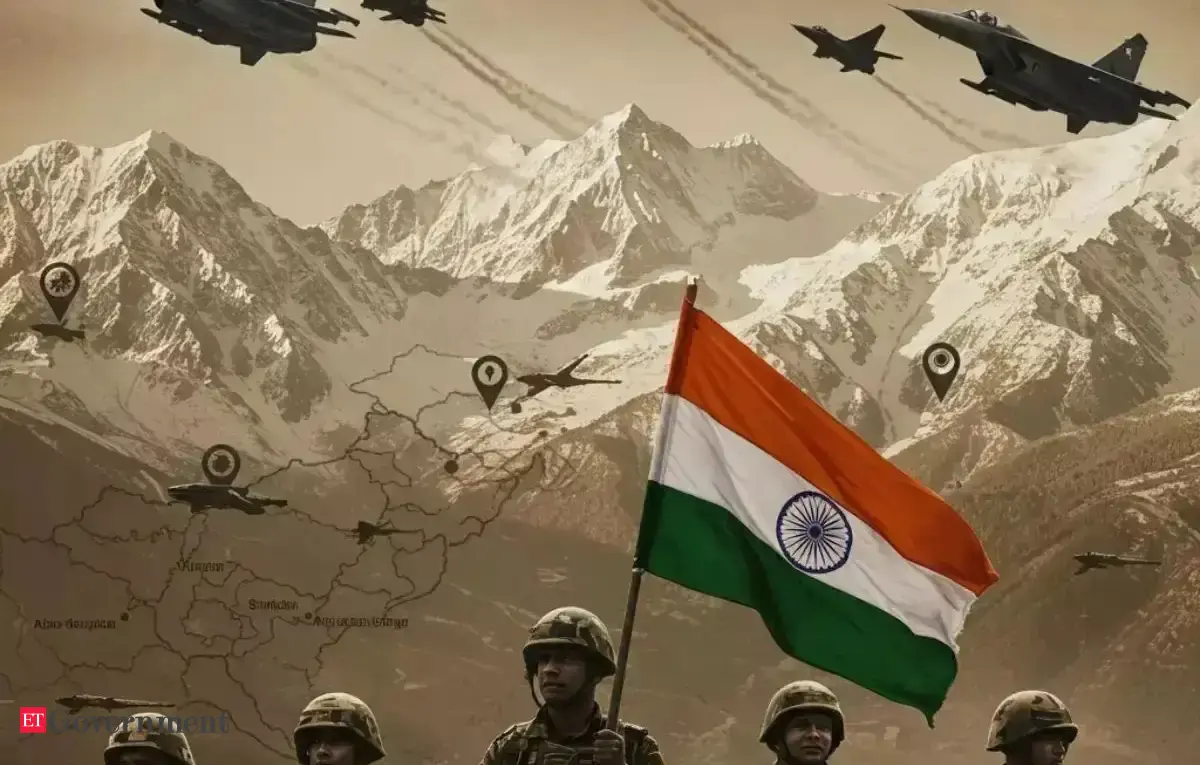
India’s post-Pahalgam Doctrine in the Shadow of Institutional Deficit
April 2025 attack in Pahalgam, which resulted in the loss of civil-security personnel, did not provoke an immediate retaliatory strike from India. This deviation from past patterns, such as the Balakot airstrike of 2019, has puzzled many analysts. While public expectations leaned towards a swift kinetic response, India maintained a calibrated silence. This restraint does not imply strategic inertia but suggests an evolving doctrine shaped by regional complexities, global alignments, and domestic political calculus. India’s hesitance is not a retreat but a reflection of the growing understanding that militarised responses do not resolve established patterns of cross-border insurgency.
Is the Pahalgam Attack a Retaliation for the Jaffar Express Hijacking?
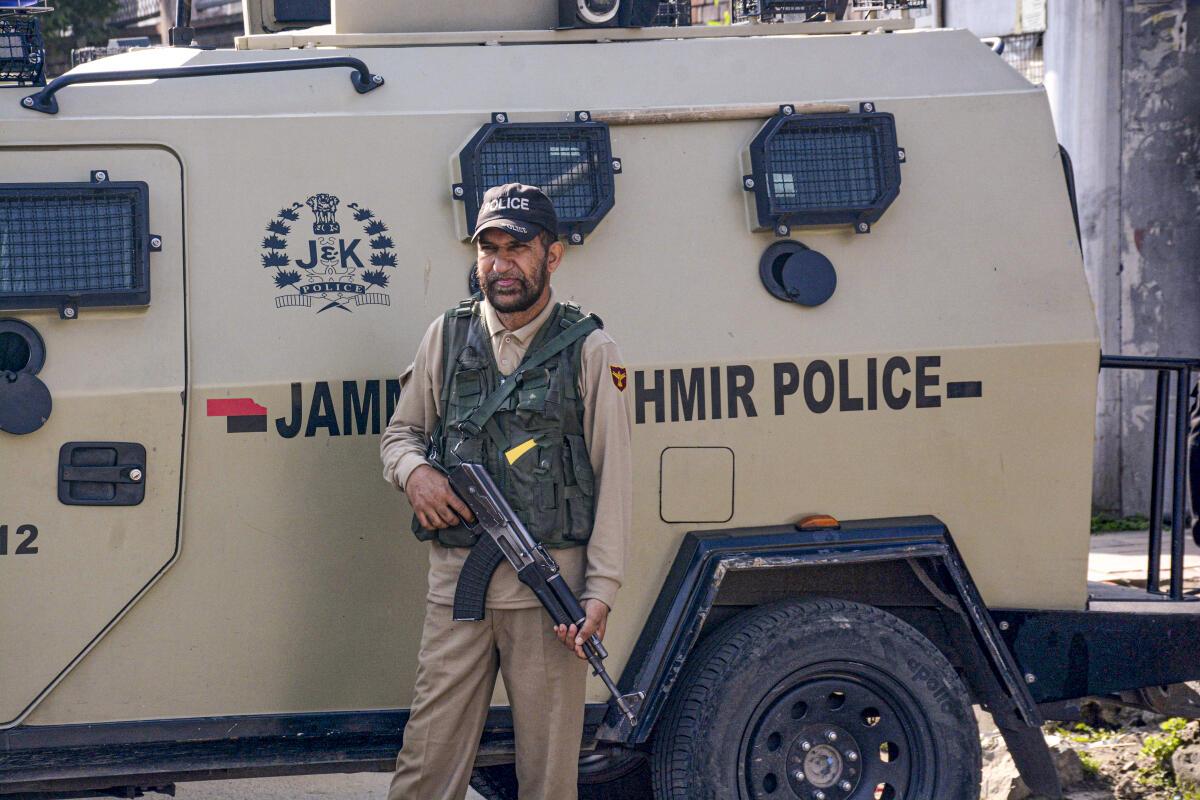
While it’s speculative, I find a connection with the unfortunate event of the targeted killing of Hindus by Islamic terrorists in Pahalgam yesterday, which fits within highly recognisable pattern of proxy conflicts and covert retaliatory attacks that have long characterised India-Pakistan dynamics especially around Kashmir and Balochistan. The connection forms in such a way that the Pahalgam attack, perpetrated by militants of the Pakistan-linked terror outfit The Resistance Front (TRF), is directly a predecessor to the Jaffar Express hijacking (11th March 2025), which was carried out by militants of the Balochistan Liberation Front (BLA), an outfit that Pakistan claims has links with India.
The Role of Women in Terrorism Financing
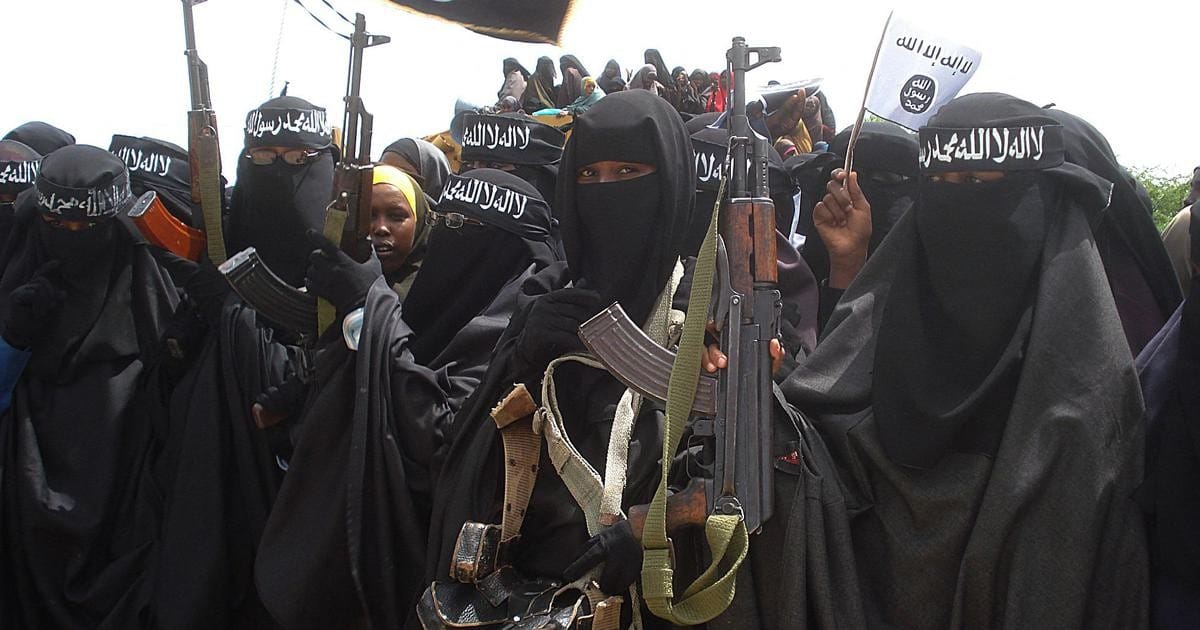
Terrorism is a complex and multifaceted phenomenon characterised by the use of violence and intimidation, especially against civilians, in the pursuit of political, ideological, or religious aims. Changing government policy, gaining independence for a territory, furthering religious views, or promoting a certain ideology are some of the objectives that motivate terrorism. The primary objective of terrorism is to evoke fear and panic in people who are not the direct victims. This kind of anxiety has the power to topple governments, undermine public trust in the government, and destabilise nations. Terrorist acts are often designed to attract media attention and spread the group’s message to a broader audience.
Can Terrorism Ever Be Morally Permissible?
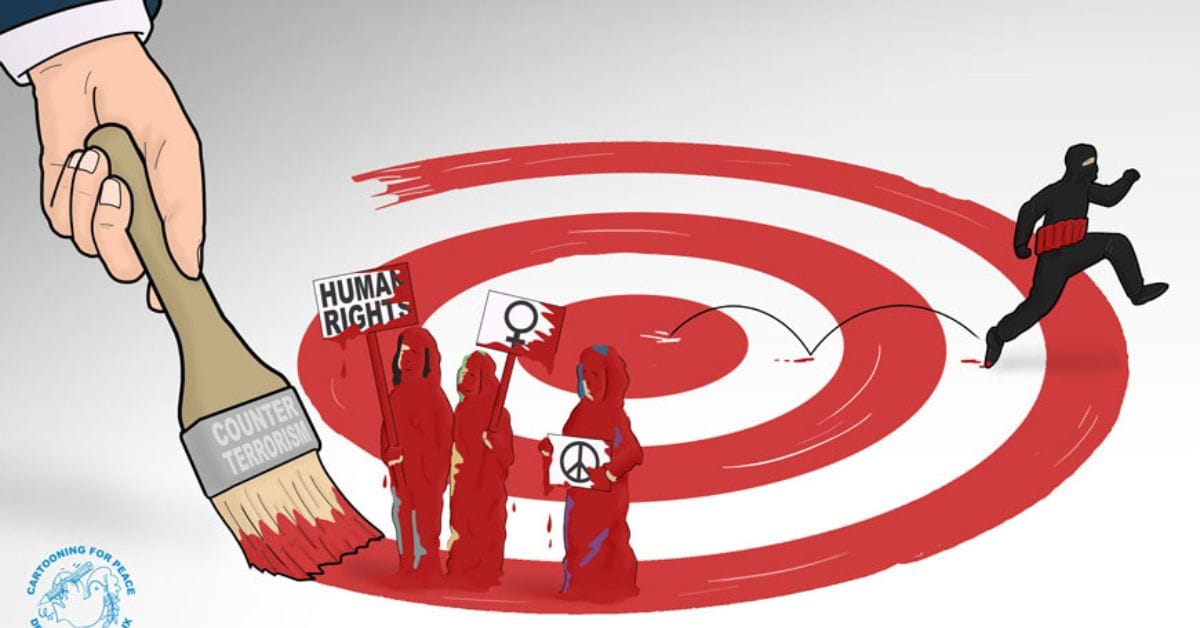
Jaggar’s work on terrorism, titled What Is Terrorism, Why Is It Wrong, and Could It Ever Be Morally Permissible, will be analysed to examine how the author […]
Emergence of Tehrik-e-Taliban Pakistan and Beyond
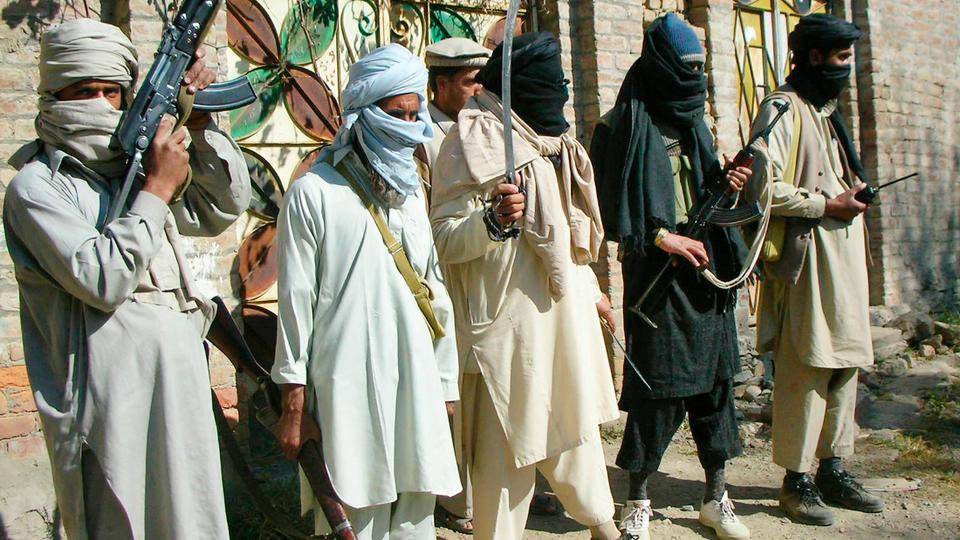
There was a time in the year 1979, when the Soviets invaded Afghanistan, at that moment both Pakistan and the US considered Afghanistan as a region to safeguard their interest. When Afghanistan was having wars with Pakistan it didn’t bother Pakistan much as it was aware of US funding to Pakistan but today the scenario has changed, post US withdrawal from the region Pakistan is left to deal with terror outfits in Afghanistan all alone. Pakistan has a long-shared bond with TTP as TTP is Pakistani militants from Pakistan, TTP experienced a strong comeback in 2020 after the Afghan peace deal with the US. Afghan Taliban and TTP share deep ideological roots.