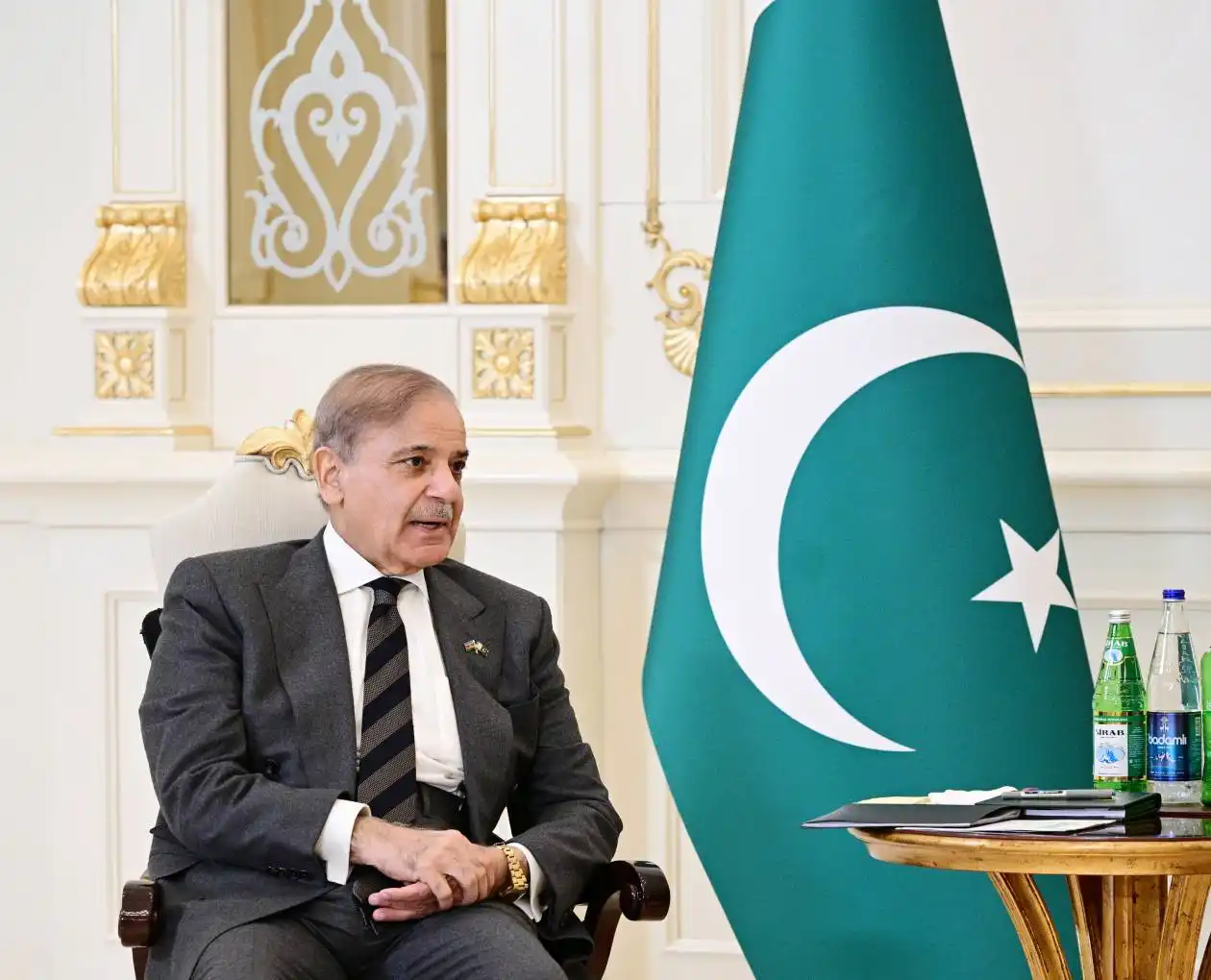
When the United States and Israel launched coordinated strikes against Iran on February 28, 2026, every country in the region was forced to pick a lane. Most found one, if only rhetorically. The Gulf states condemned Iran’s retaliatory missile barrages on their soil. China called for restraint and dispatched an envoy. Turkey blocked use of its airspace. India said nothing, and meant it. Pakistan could not afford to say nothing. And it could not afford to say something.
Tag: Saudi Arabia
Yemen’s Fractured War and the Fragile Politics that Keep it Alive
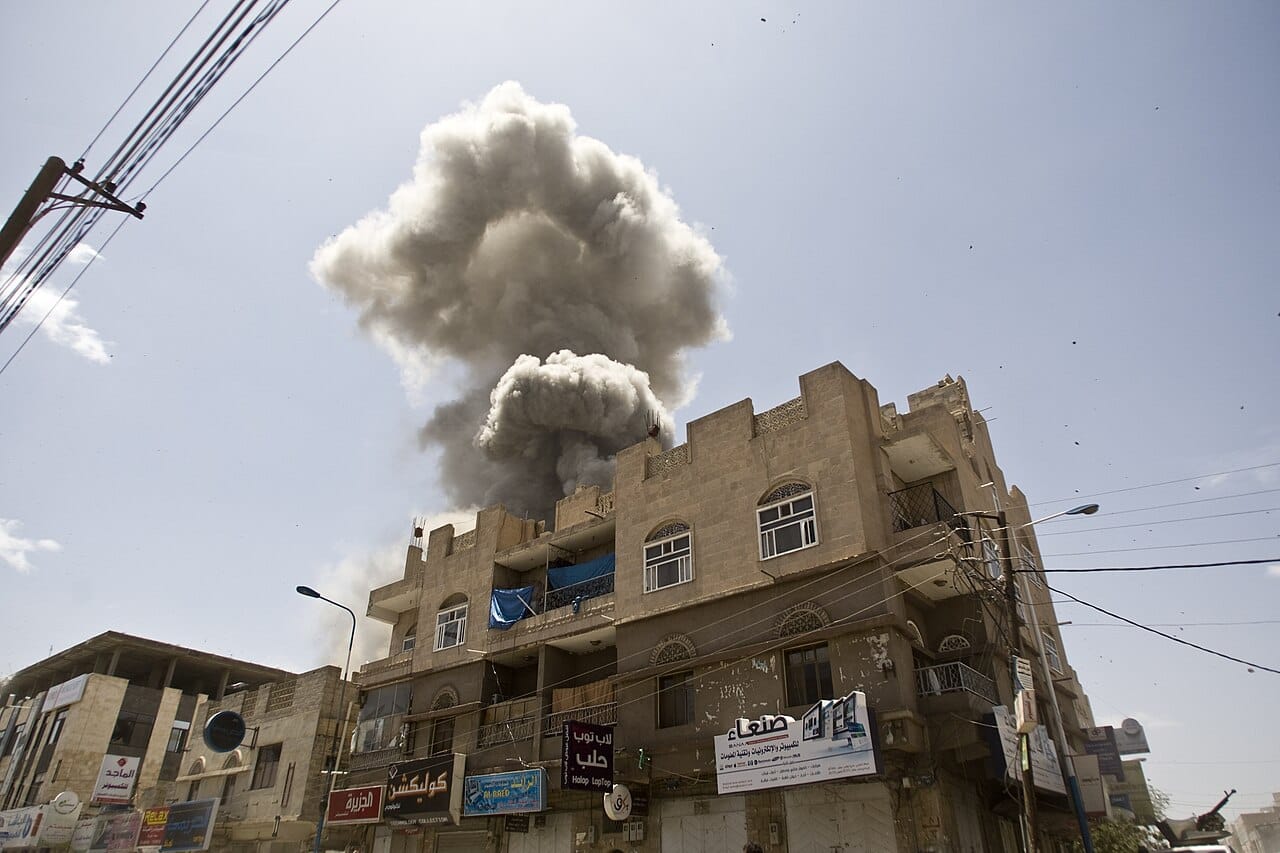
The Yemen crisis is again showing the world that wars do not end just because the fighting stops. They end when the political deals that caused them are fixed, or when those deals completely fail. In late 2025 and early 2026, Saudi airstrikes, land gains by the United Arab Emirates-backed Southern Transitional Council (STC), and worse Saudi-UAE ties have brought back some of the biggest problems in Yemen’s war. This is happening at a time when global shipping routes, energy markets, and regional security are already weak. Yemen is again a local war with worldwide effects.
Yemen is No Longer About the Houthis
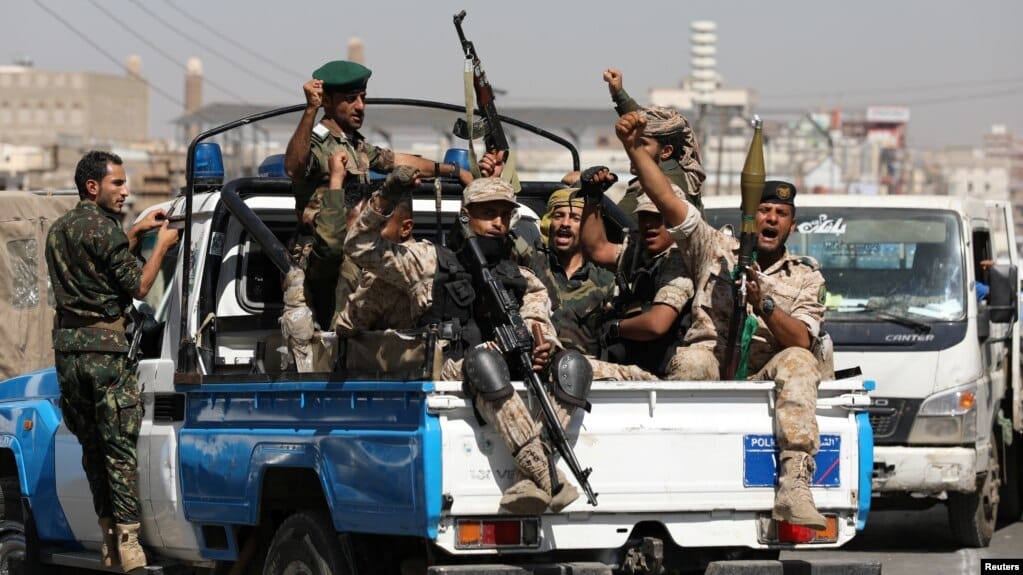
The Yemen war, which has lasted for over a decade, has shifted from a coalition effort against the Houthis to a conflict highlighting a growing divide between Saudi Arabia and the United Arab Emirates (UAE). What started as a coordinated effort has turned into a struggle for influence, territory, and strategic gain, with Yemen as the primary battleground.
The US Strategic Pivot Towards India and Saudi Arabia
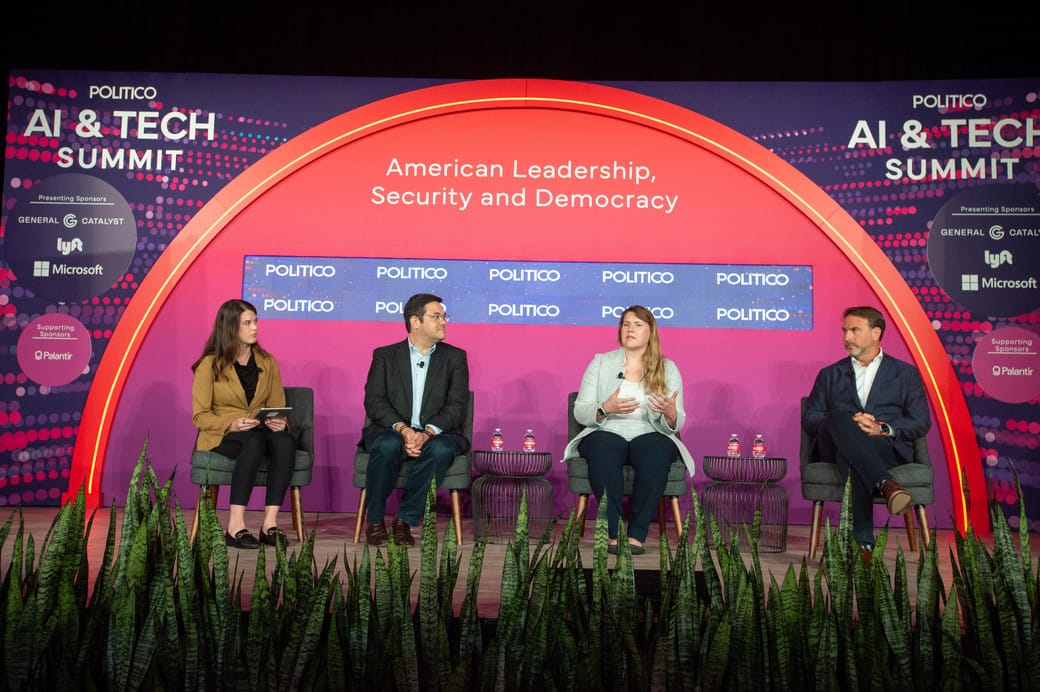
During the recent POLITICO Security Summit, US Representative Mike Lawler presented a forceful argument for reshaping America’s strategic alliances. Focusing on India and Saudi Arabia as fundamentally important to US security interests for the coming decade, Lawler sketched out a policy direction that does not merely seek to deepen bilateral relationships but also rebalance world power in reaction to the intensifying assertiveness of China, Russia, Iran, and North Korea.
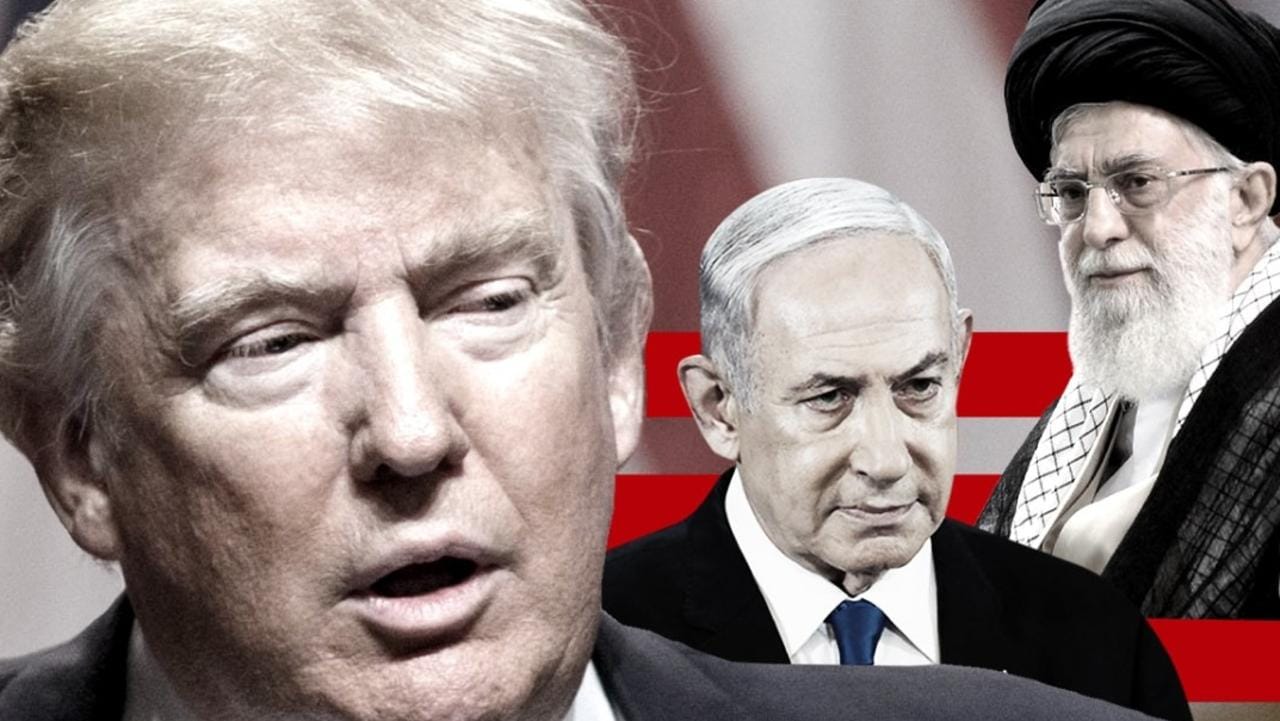
Trump’s Middle East Gamble
Since President Donald Trump’s inauguration for his second term in January 2025, the geopolitical landscape in the Middle East has undergone profound changes. The administration’s renewed assertiveness has reignited longstanding disputes and strategic rivalries, most notably among Iran, Israel, and the United States. This article provides a comprehensive, practical analysis of these developments—detailing U.S. military engagements, Iran’s nuclear ambitions, Israel’s strategic recalculations, and the broader regional and international ramifications.
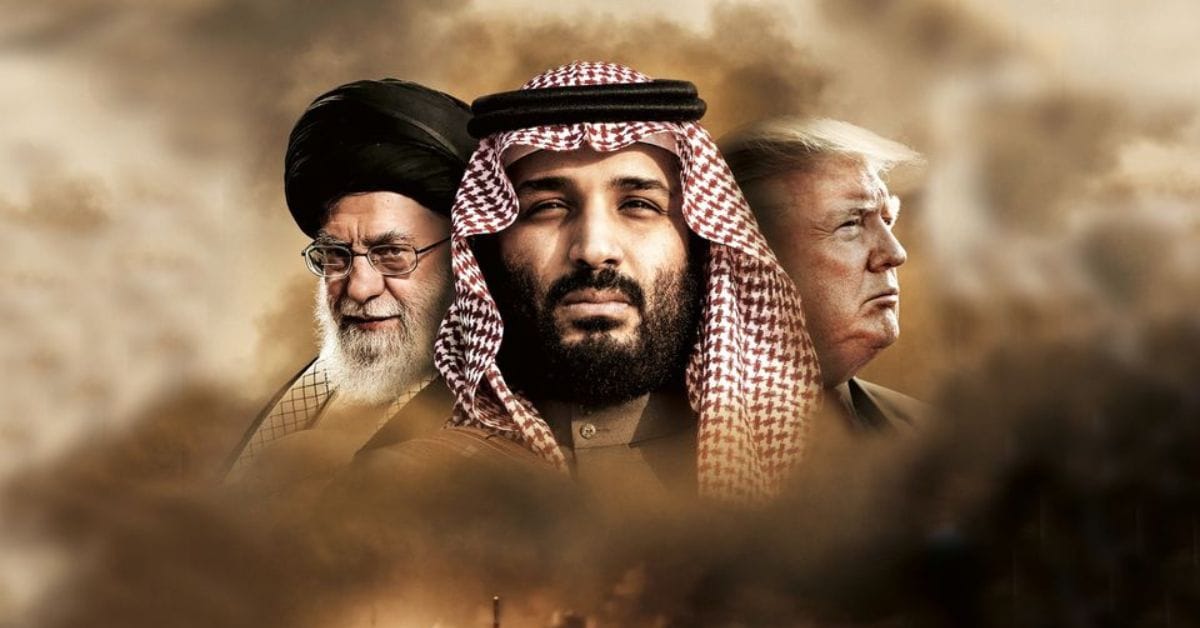
Trump’s 2.0: Testing Period for Saudi-Iran Rapprochement
The shifting geopolitical landscape in West Asia has become particularly evident after the Saudi Arabia-Iran rapprochement. Despite the prevailing instability in the region exacerbated by the Gaza crisis, the détente between these arch-rivals has opened diplomatic channels to bolster cooperation. Amid rising pragmatism in the Gulf, Donald Trump’s victory in the presidential elections has brought United States policy in the region into the spotlight.
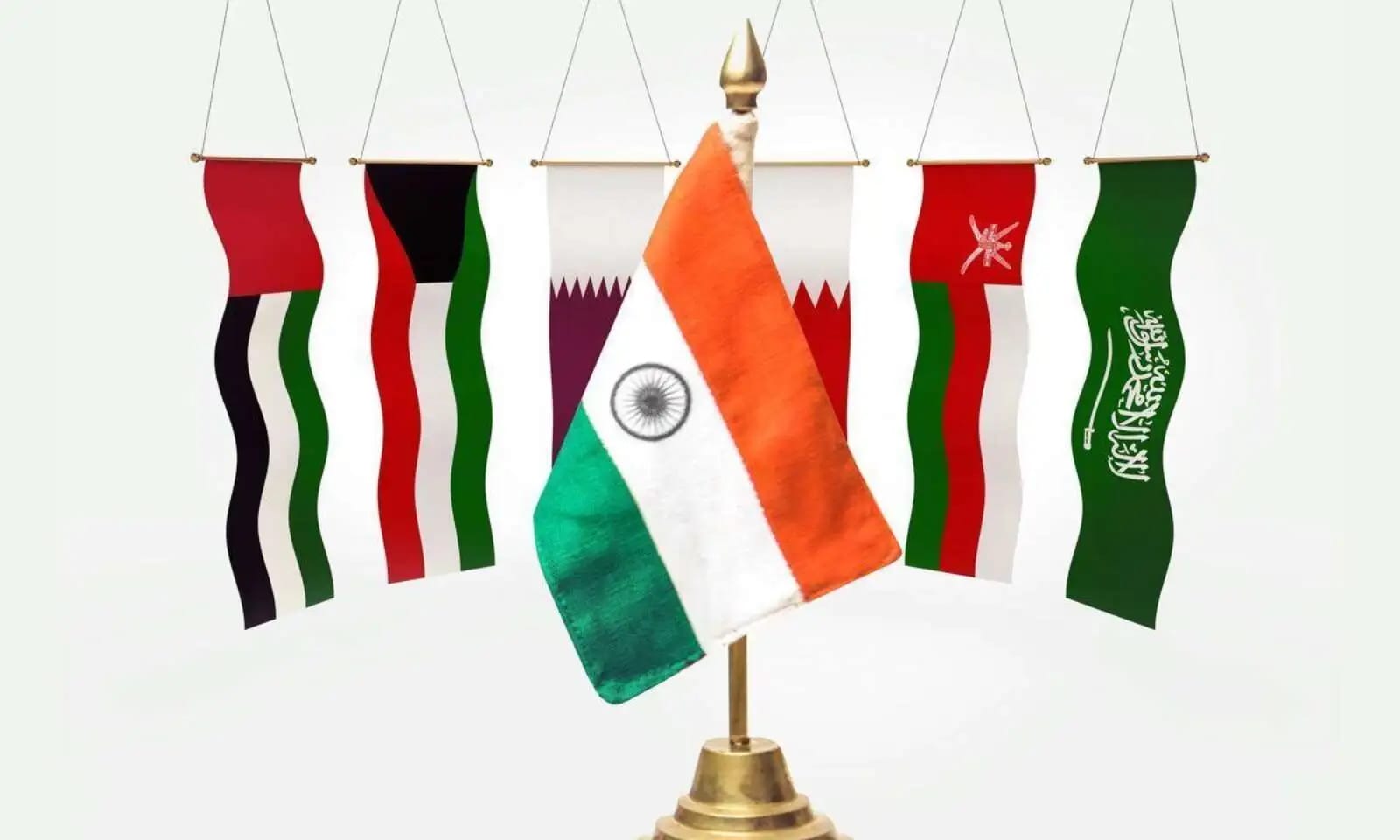
India-GCC Relations: A Comprehensive Partnership
India’s relationship with the Gulf Cooperation Council (GCC) is a pivotal aspect of its foreign policy, driven by a blend of historical ties, economic interdependence, energy needs, and cultural connections. The region’s significance for India is underpinned by its strategic location, shared interests in regional stability, and the presence of a large Indian diaspora. With 8.9 million Indians residing in GCC countries—constituting 66% of India’s global diaspora—and bilateral trade reaching $161.59 billion in FY 2023-24, the GCC represents India’s largest regional trading partner.
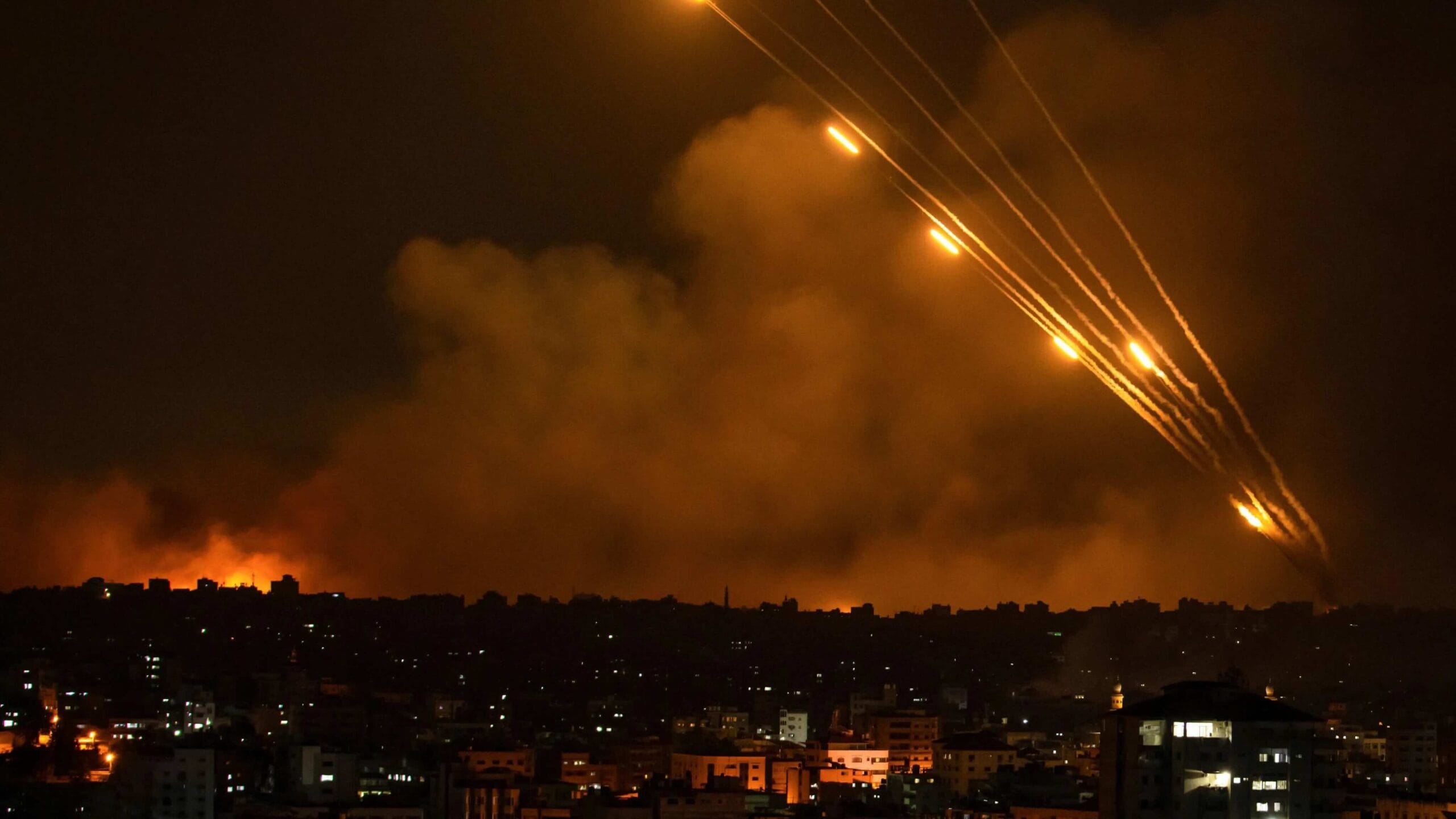
Israel-Hamas War: A Year of Bloodshed and Stalemate
The Israeli-Palestinian conflict has a long history and is a complicated topic. Hundreds of thousands of Palestinians were displaced when the State of Israel was established in 1948. Since then, the region has been defined by decades of violence, including revolutions and wars. The Palestinian Islamist group Hamas first appeared in the 1980s and took over the Gaza Strip in 2007. The organisation has played a significant role in the war, frequently confronting Israel with weapons.
Letters to the Editor – 6 November 2024
President Putin brought together leaders of many Third World nations in the recent trending summit of BRICS organised in Kazan, Russia. All of them affirmed the need to fight against Western imperialism and the tools of the same, like SWIFT, IMF and World Bank and the requirement of a new financial system. Finance is the lifeblood of the global economy. As long as it is dominated by the US Dollar, nations will be forced to be subservient to the US.
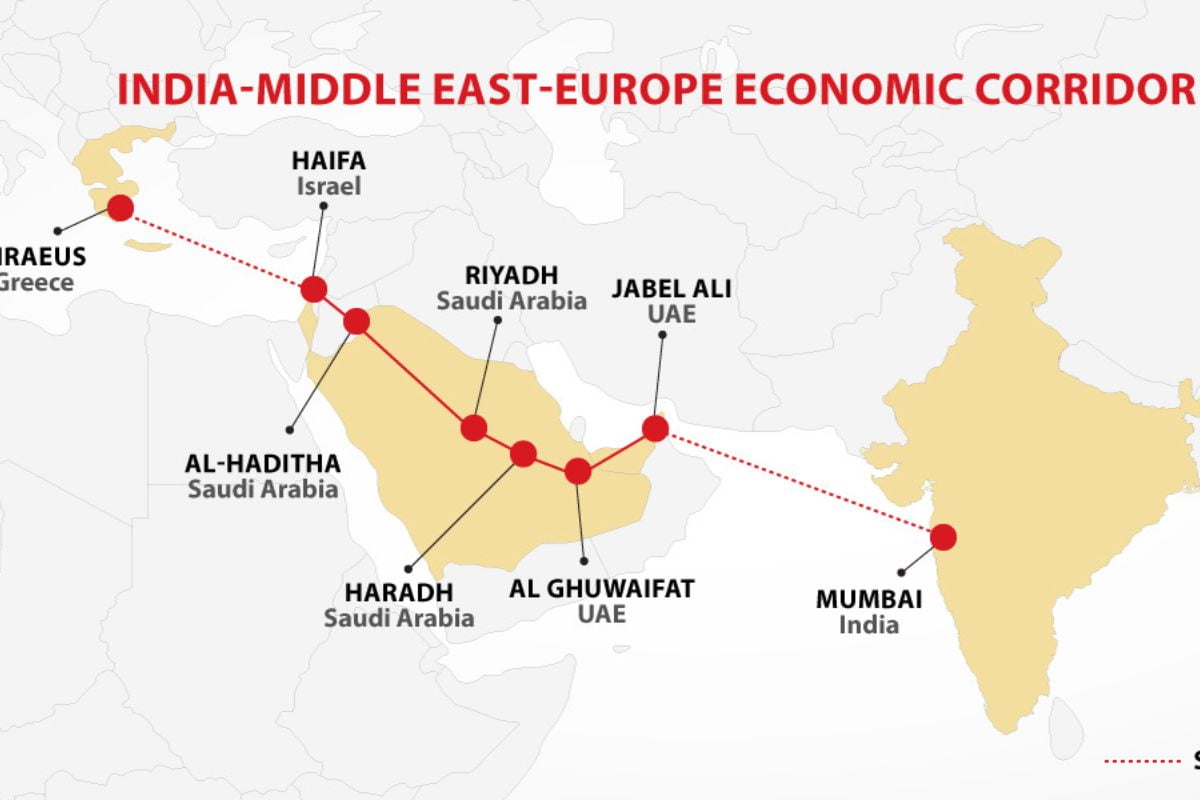
Integrating Oman and Egypt into the India-Middle East-Europe Economic Corridor
As the Israel-Palestine conflict persists, the India-Middle East-Europe Economic Corridor (IMEC), announced in the backdrop of the G20 summit held in Delhi in September, 2023, remains a non-starter. The resolution of the Israel-Palestine conflict is nowhere in sight. As opposed to delaying the implementation of IMEC until the crisis is resolved, the participating nations could look at additional routes that would connect India to Europe bypassing Israel. One such route can connect India to Europe via Oman, Saudi Arabia and Egypt, while the rest of the Gulf Cooperation Council countries can be connected to the corridor via branch routes.