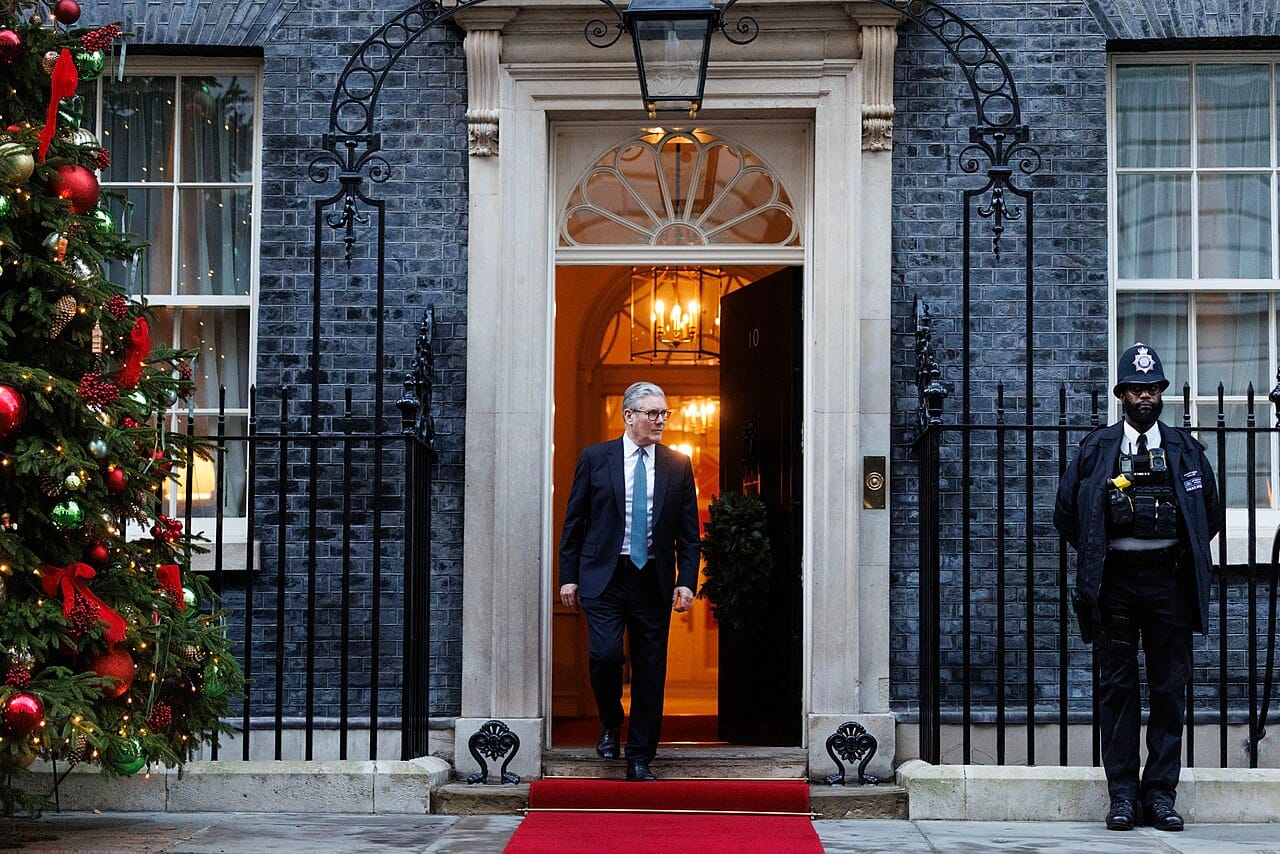
The United Kingdom, a nation whose name suggests unity, is facing a deep political breakdown. Barely eighteen months after Sir Keir Starmer’s Labour Party achieved a historic majority, the political scene has splintered into various factions, rebellious parties, and widespread public disappointment. The long-standing divide between Conservatives versus Labour has become irrelevant. Instead, we see a chaotic, multi-party contest where the governing party sits in third place in the polls, a rising nationalist right dictates the agenda, and the authority of the Prime Minister faces open challenges from within his own party. This situation is not just a minor setback for a new government; it marks a fundamental shift in British democracy, sparked by the upheaval of Brexit and intensified by global instability.
Tag: Prime Minister

France’s Leadership Crisis: What Comes Next?
France’s political elite were shaken this week when Prime Minister François Bayrou was removed after losing a no-confidence motion in the National Assembly. The failure comes in a series of government collapses during the Macron era, reinforcing how precarious executive power has become in a parliament divided along ideological fault lines. Acting quickly, President Emmanuel Macron appointed Defense Minister Sébastien Lecornu as the new prime minister today — a gesture aimed at conveying competence and continuity at a time when the presidency is in danger of looking stuck.

Modi vs Indira Gandhi: Leadership Styles That Shaped Two Eras of Indian Politics
On July 25, 2025, Narendra Modi surpassed Indira Gandhi’s tenure as India’s prime minister. He became the second-longest-serving PM after Jawaharlal Nehru. This has opened the debate of Modi vs Indira, who did better leadership within their respective tenures. While Indira Gandhi served 4077 consecutive days from 1966 to 1977, Narendra Modi has surpassed it. Both the leaders have been influential in their own right, impacting the country’s politics, strategy, economy, foreign affairs and nationalism.
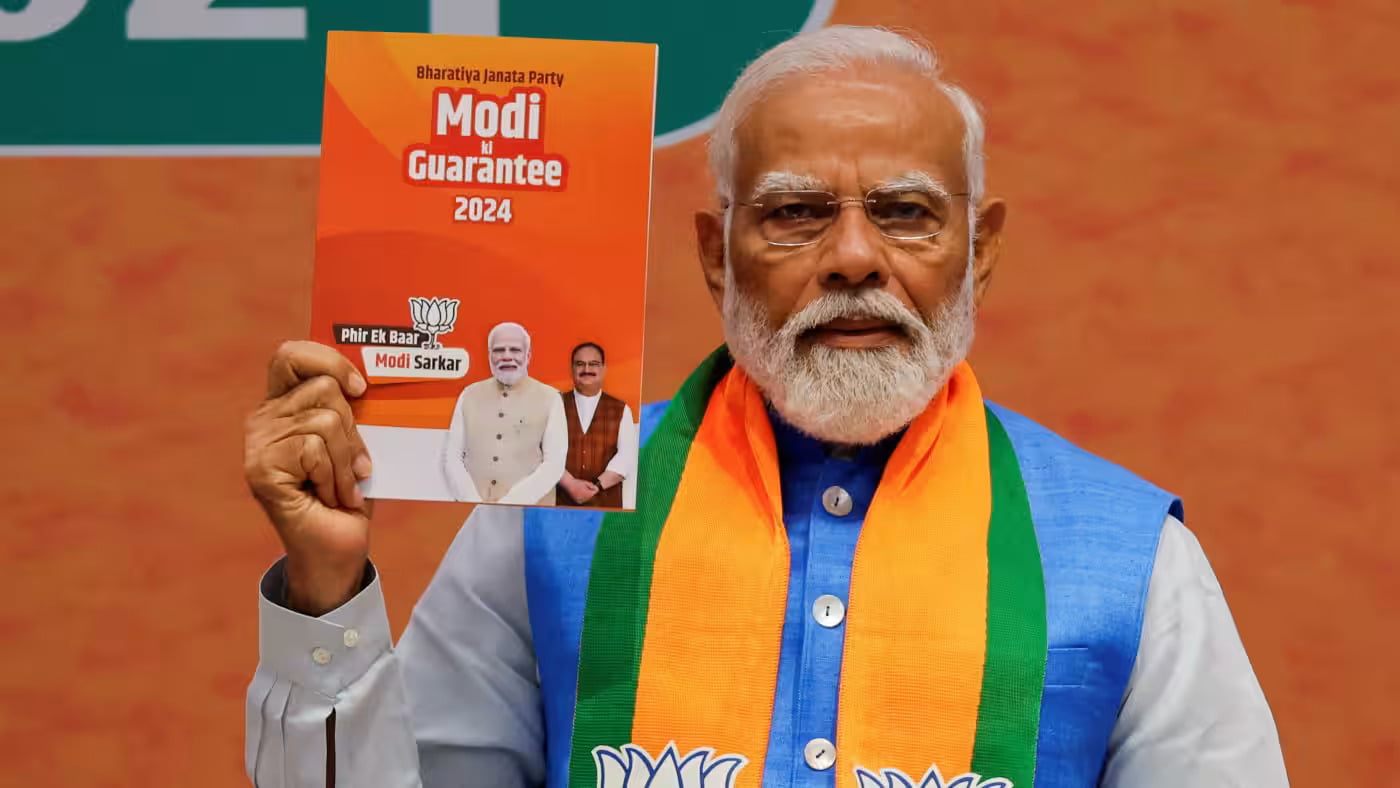
Bharatiya Janata Party’s Shifting Political Landscape
The Bharatiya Janata Party (BJP) emerged victorious in the 2024 Indian general elections, securing a third consecutive term under Prime Minister Narendra Modi’s leadership. However, […]