
There is a temptation, watching India’s LPG crisis unfold in March 2026, to invoke the Second World War as a counterpoint, an era when civilisation itself was at stake, yet somehow, fuel still moved, kitchens still burned, and industrial supply chains held together well enough to sustain a global war effort. The comparison is emotionally satisfying. It is also, at first glance, historically plausible. But the data tells a more complicated and ultimately more instructive story
Tag: Oil
While the Missiles Fall, Beijing Watches and Learns
The public record on China’s response to the Iran war is clear and unremarkable. Since US and Israeli forces launched Operation Epic Fury on February 28, Beijing has condemned the strikes as violations of international law, called for an immediate ceasefire, and dispatched Special Envoy Zhai Jun to the region. It has evacuated over 3,000 Chinese citizens from Iran. Foreign Minister Wang Yi has made calls to counterparts in Russia, Iran, Oman, France, Israel, Saudi Arabia, and the UAE.
Why isn’t the United States Using its Oil Reserves?
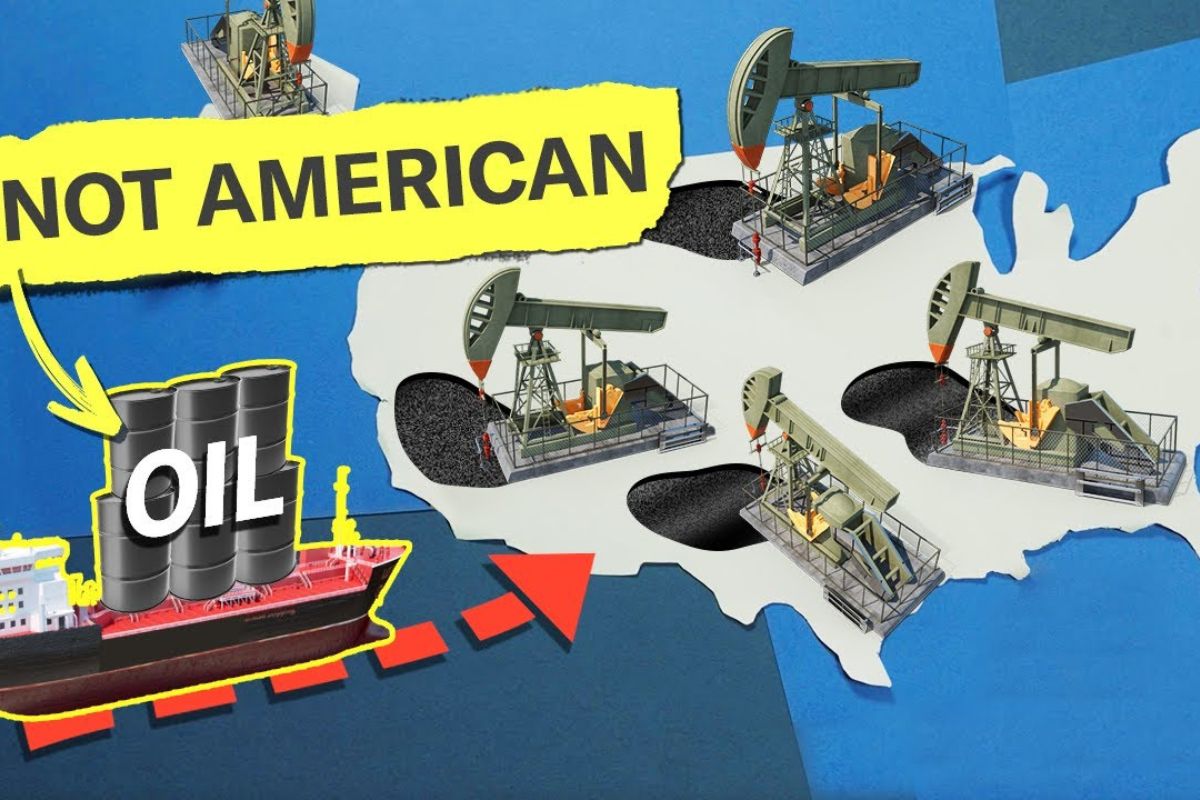
The United States’ oil reserves, particularly the Strategic Petroleum Reserve (SPR), have played a crucial role in the nation’s energy security strategy since its establishment in 1975. The SPR, located in underground storage facilities in Texas and Louisiana, serves as a vital emergency stockpile of hundreds of millions of barrels of oil, ready to be utilised in times of crisis. Over the years, the U.S. government has maintained this reserve to shield the country from energy disruptions caused by various events, such as natural disasters, military conflicts and geopolitical tensions.

Impact of Israel-Hamas and Russia-Ukraine Conflicts on Stock Markets
Geopolitical conflicts have the potential to impact global stock markets through various economic and financial channels. Disruptions to energy and commodity supplies, increased market volatility, and heightened economic uncertainty can all weigh on investor sentiment and stock prices. Additionally, the potential for these conflicts to escalate and draw in other regional or global powers could further exacerbate their impact on the financial markets.