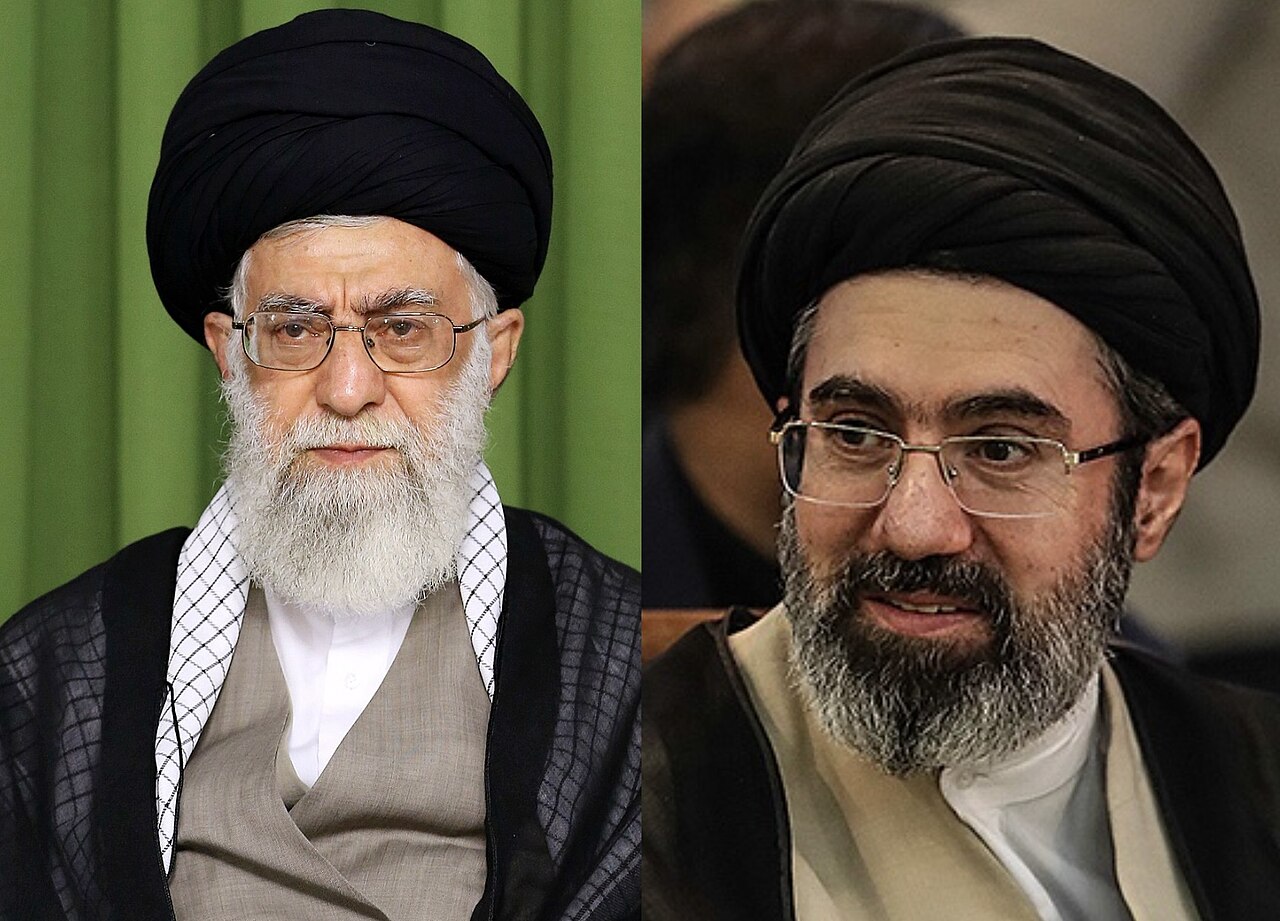
On 12 March 2026, Iran’s state television broadcast what officials described as the first statement from the country’s newly appointed Supreme Leader. Rather than hearing directly from Mojtaba Khamenei, viewers were shown a still image of him while a news presenter read the statement aloud. There was no recorded speech, no live appearance, and no video message. The individual constitutionally designated as Supreme Commander of the Armed Forces, protector of the Islamic Revolution, and earthly representative of the Hidden Imam had not appeared publicly or spoken since his appointment three days earlier.
Tag: Khamenei
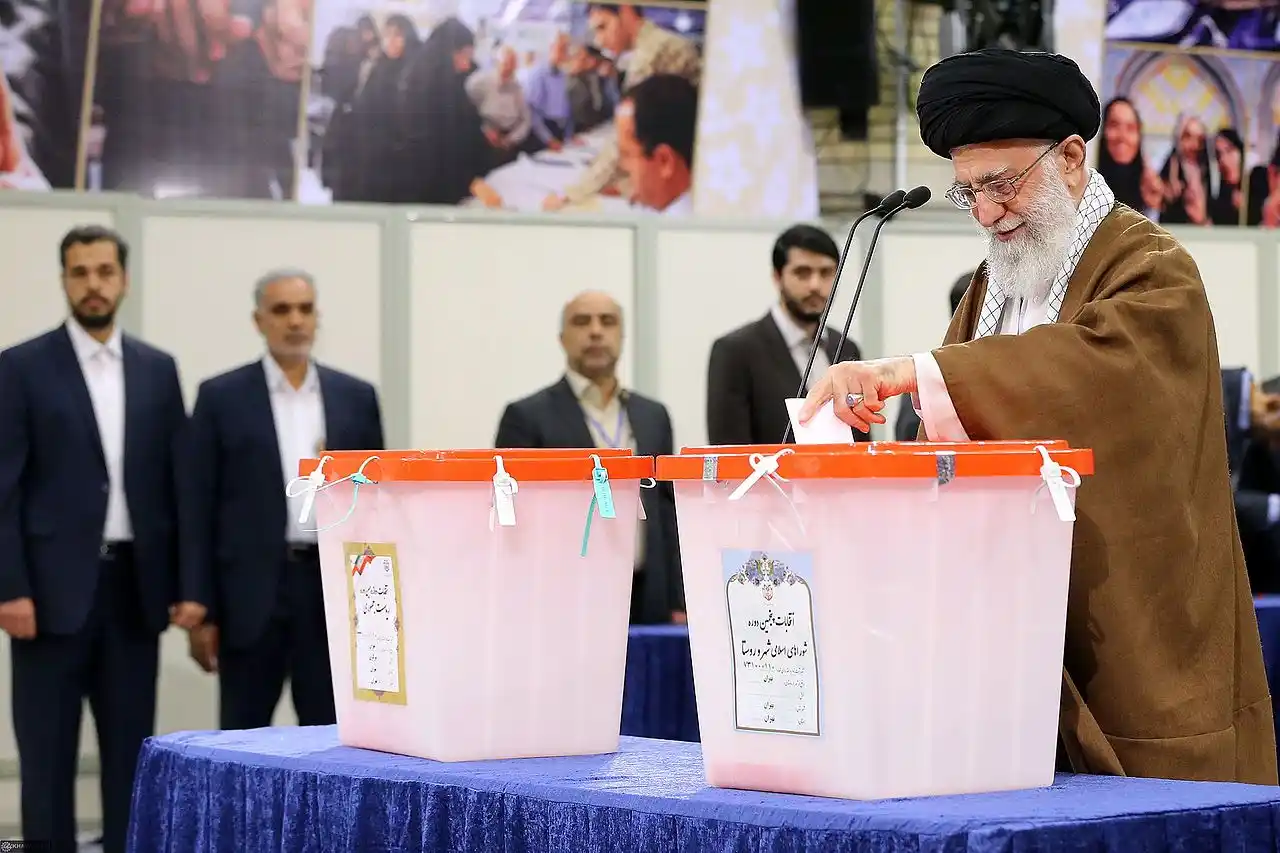
After Khamenei: Iran’s Uncertain Path to a New Supreme Leader
The death of Supreme Leader Ayatollah Ali Khamenei would represent one of the most consequential political turning points in the history of the Islamic Republic of Iran. Since succeeding Ayatollah Ruhollah Khomeini in 1989, Khamenei has served as the central authority within Iran’s political system. The Supreme Leader holds ultimate control over the military, the judiciary, intelligence services, and nuclear policy, making the position the most powerful office in the country. With Khamenei gone, Iran would face an uncertain leadership transition that could reshape both its domestic political order and its regional strategy
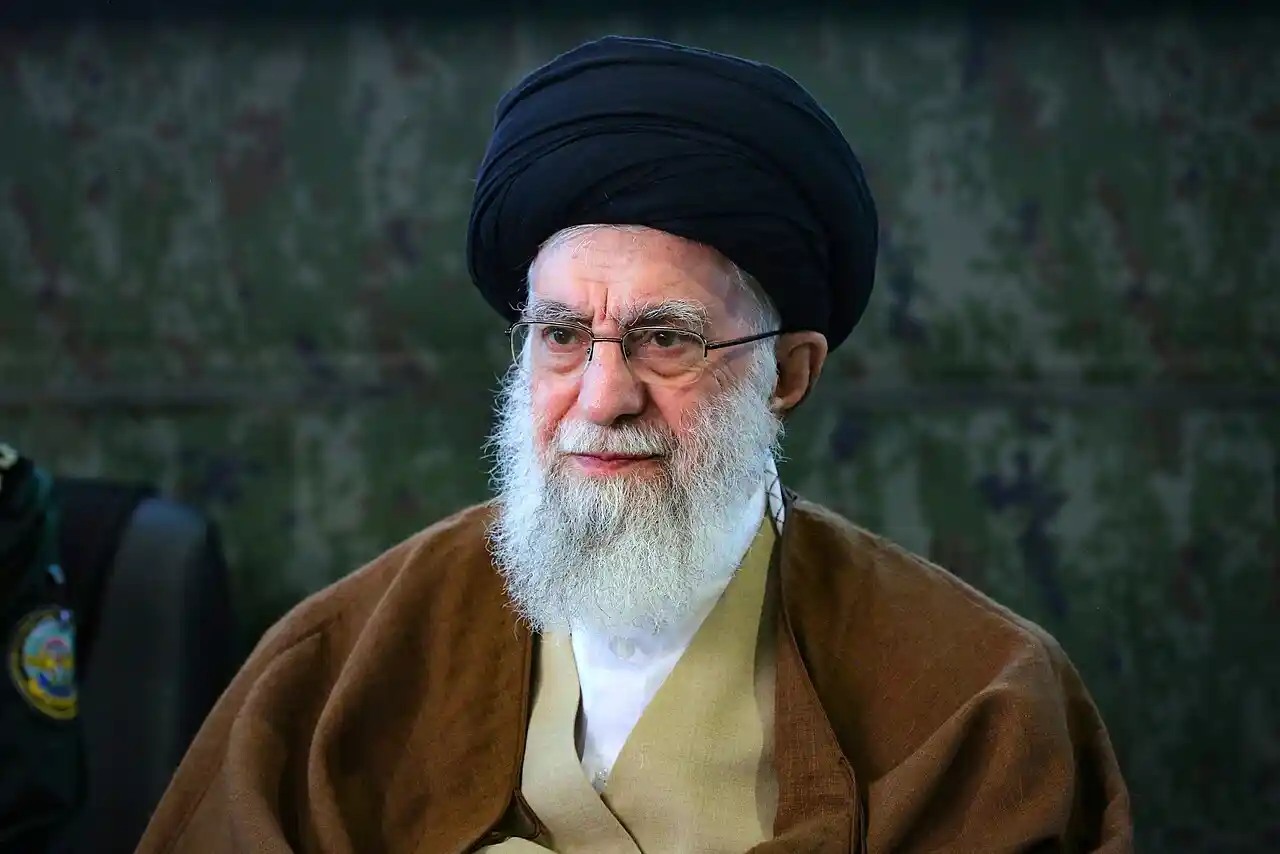
Assassination of Khamenei, India’s Silence and the Crisis of International Morality
After bunker-buster bombs dropped by American bombers killed Iran’s Supreme Leader, Ayatollah Ali Khamenei, along with his merely 14-month-old granddaughter, close relatives, and high-ranking officials, the Iranian government declared him a “martyr” and announced 40 days of national mourning. The incident has drawn mixed reactions globally. Some countries condemned it, while others maintained silence or expressed support. However, in recent days, a strange trend was visible on social media. After the news of Khamenei’s killing, in some sections of India there was more celebration than mourning