When the United States and Israel launched strikes on Iran on February 28, 2026, every NATO member was forced to decide where it stood. Most followed Washington’s lead quietly, if not enthusiastically. Spain refused use of its bases and triggered a furious response from the White House. France and Germany called for restraint. Turkey reacted in a way that was more complex than the other countries. It condemned the strikes as a violation of international law and blocked coalition forces from using its airspace and bases. When Iran’s Supreme Leader was assassinated, Turkey publicly mourned the loss
Tag: Houthis
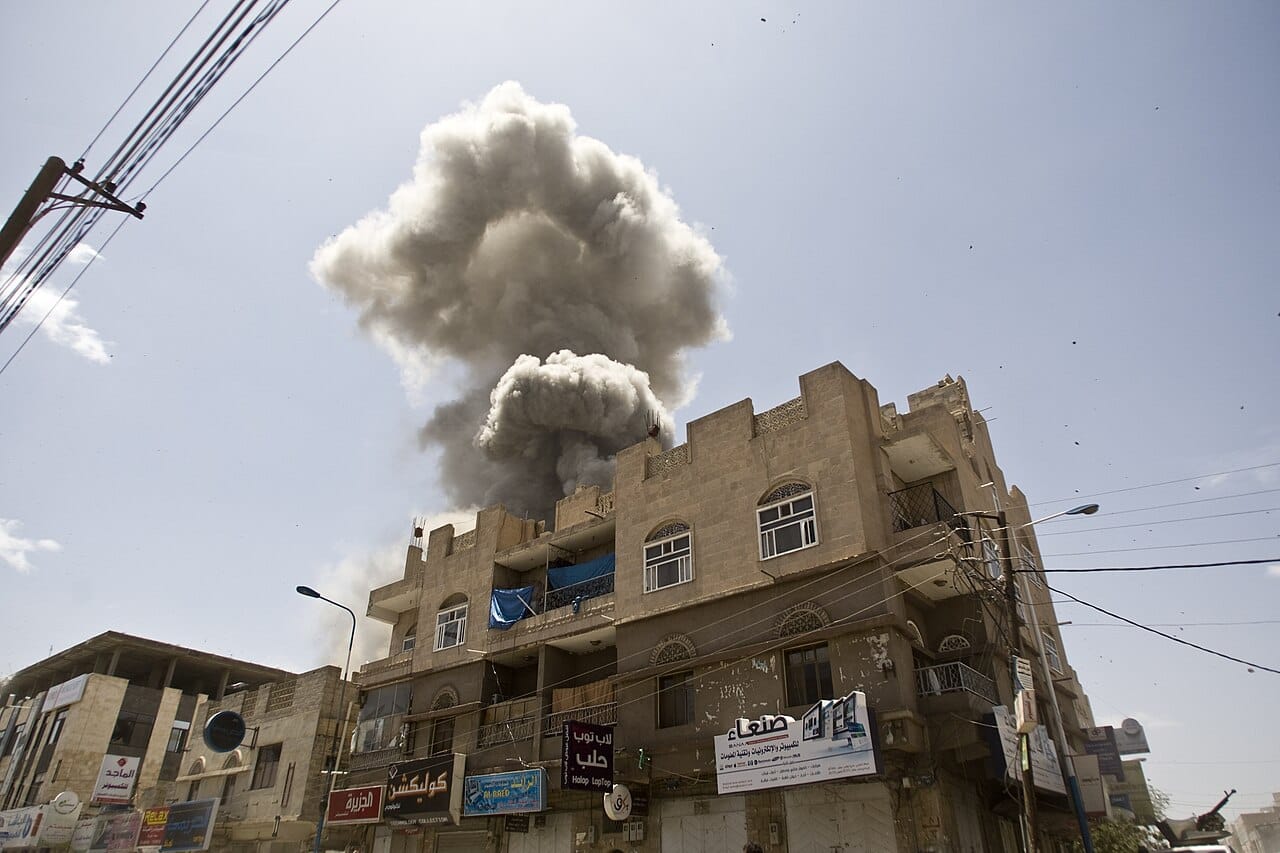
Yemen’s Fractured War and the Fragile Politics that Keep it Alive
The Yemen crisis is again showing the world that wars do not end just because the fighting stops. They end when the political deals that caused them are fixed, or when those deals completely fail. In late 2025 and early 2026, Saudi airstrikes, land gains by the United Arab Emirates-backed Southern Transitional Council (STC), and worse Saudi-UAE ties have brought back some of the biggest problems in Yemen’s war. This is happening at a time when global shipping routes, energy markets, and regional security are already weak. Yemen is again a local war with worldwide effects.
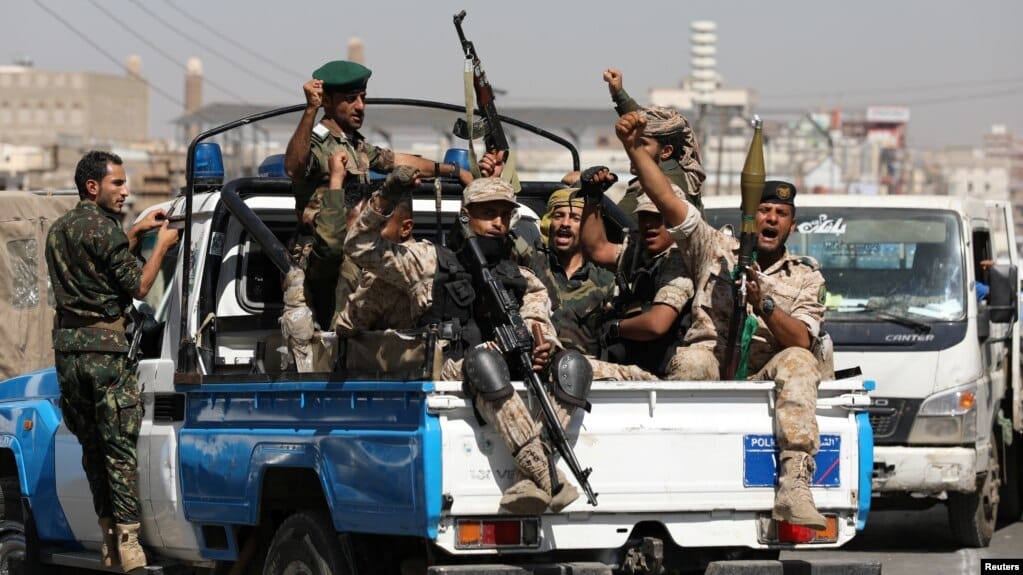
Yemen is No Longer About the Houthis
The Yemen war, which has lasted for over a decade, has shifted from a coalition effort against the Houthis to a conflict highlighting a growing divide between Saudi Arabia and the United Arab Emirates (UAE). What started as a coordinated effort has turned into a struggle for influence, territory, and strategic gain, with Yemen as the primary battleground.