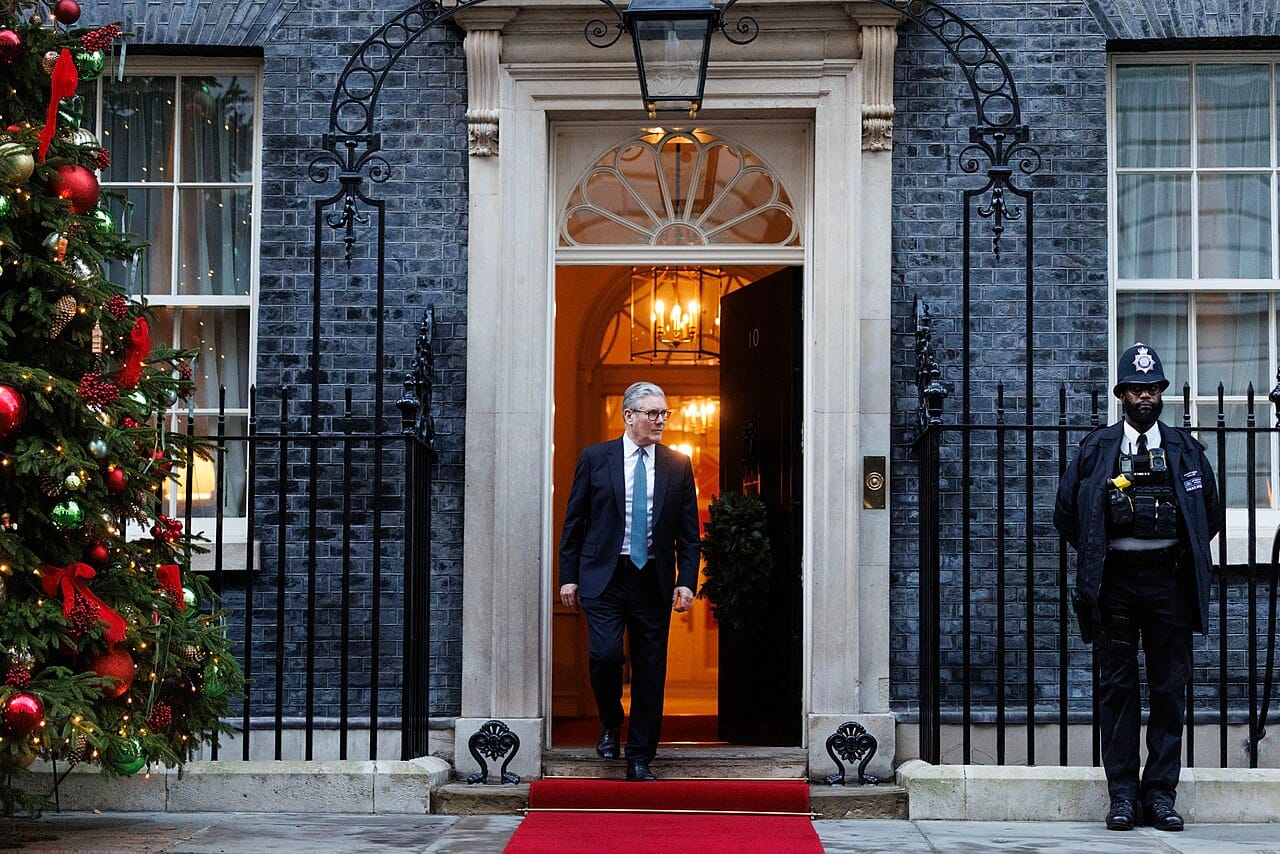
The United Kingdom, a nation whose name suggests unity, is facing a deep political breakdown. Barely eighteen months after Sir Keir Starmer’s Labour Party achieved a historic majority, the political scene has splintered into various factions, rebellious parties, and widespread public disappointment. The long-standing divide between Conservatives versus Labour has become irrelevant. Instead, we see a chaotic, multi-party contest where the governing party sits in third place in the polls, a rising nationalist right dictates the agenda, and the authority of the Prime Minister faces open challenges from within his own party. This situation is not just a minor setback for a new government; it marks a fundamental shift in British democracy, sparked by the upheaval of Brexit and intensified by global instability.
Tag: Great Britain
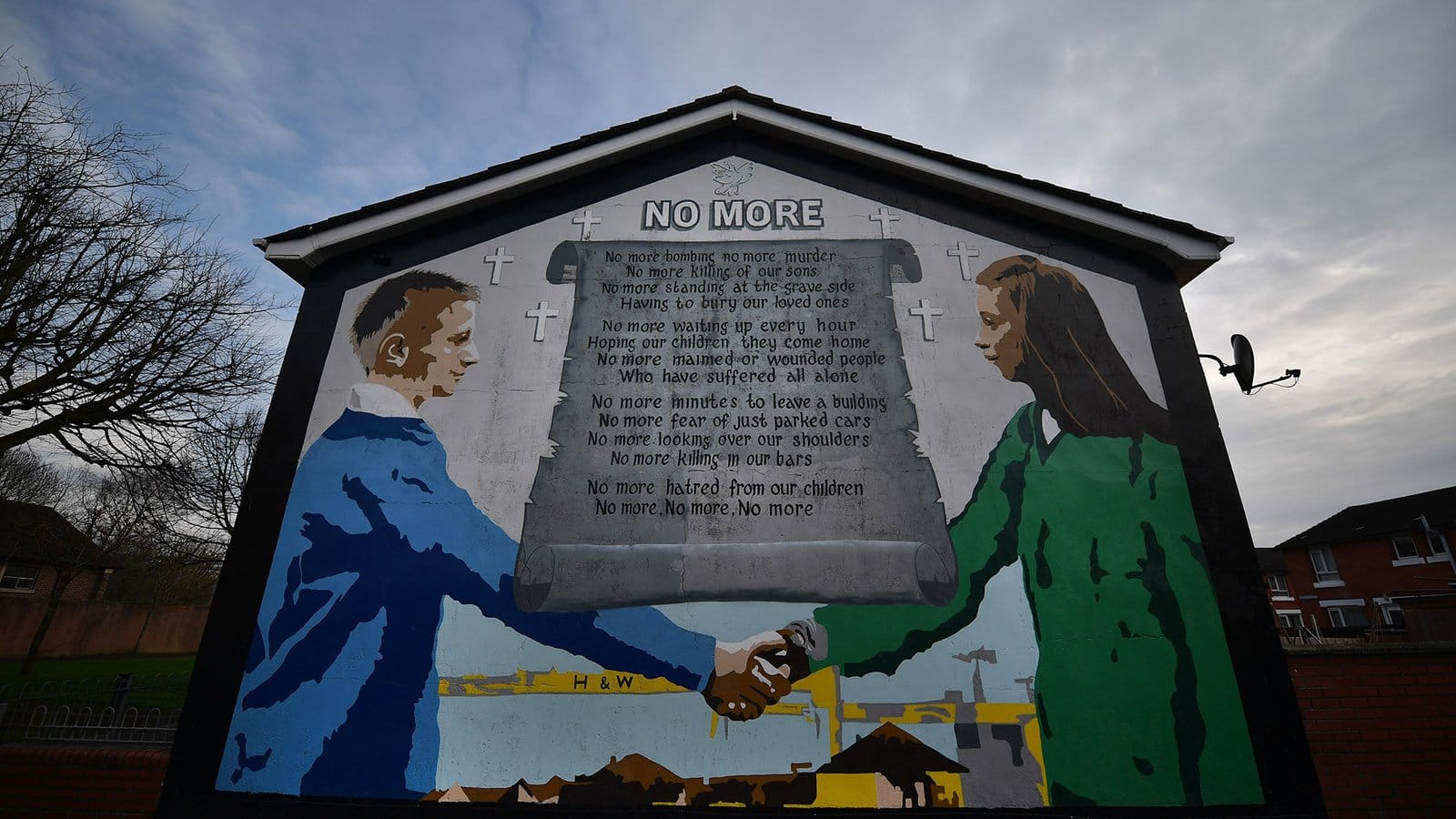
An Independent Scotland and a United Ireland for the World
Ten years after the contemporary Scottish independence movement began, Scotland’s independence and the long-awaited reunification of Ireland have become historic certainty. Political figures made the startling announcement that Northern Ireland will soon join the Republic of Ireland and that Scotland will be recognised as an independent country. The British Isles, as well as the distribution of power and international relations worldwide, are now redefined by these two significant events, which have their roots in decades of cultural revival, political unrest, and revolutionary catalysts.