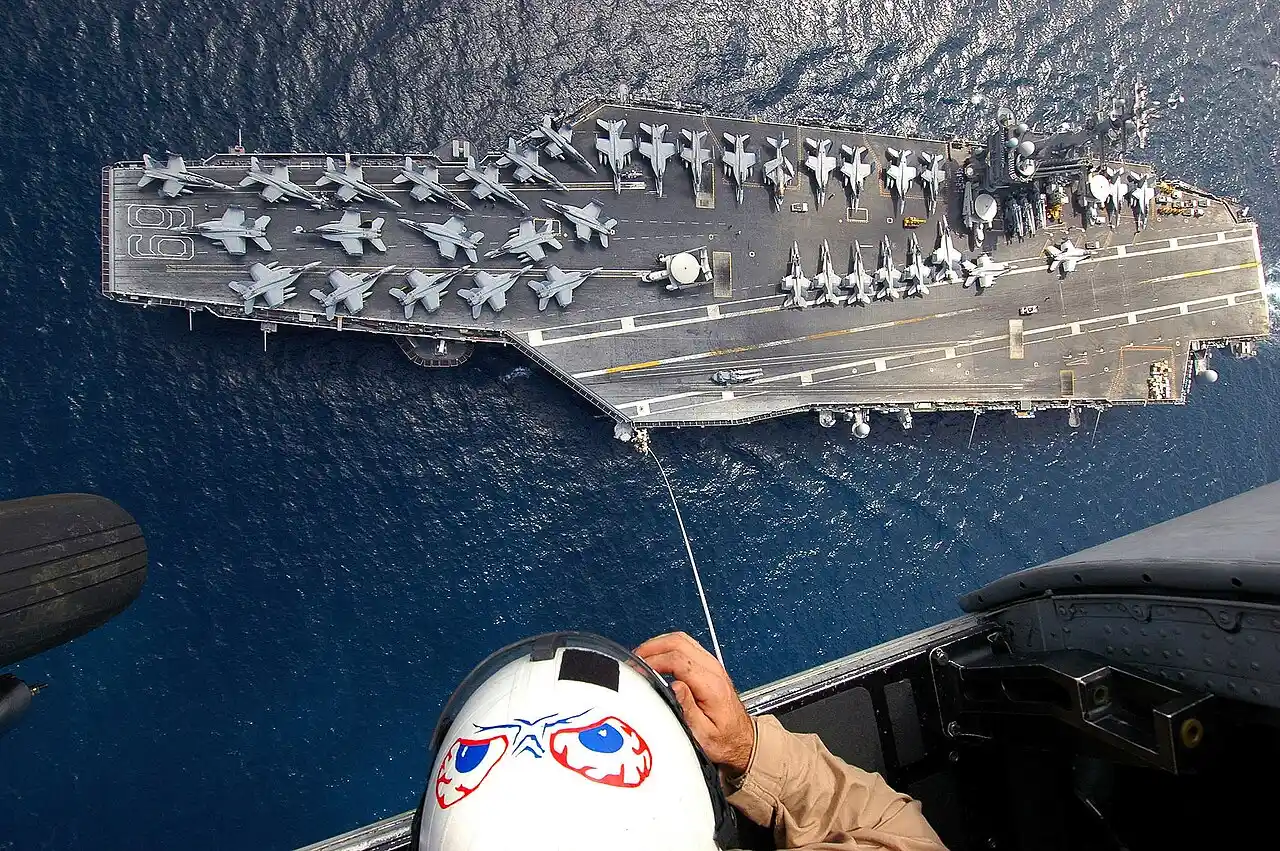
In the age of great power competition, wars are increasingly waged by proxy. Instead of meeting on the battlefield, major powers are armed, financed, informed, and militarily assisted partners fighting each other in other regions. From Europe to the Middle East, today’s wars more and more look like external powers are fighting on different sides, supporting, but not formally joining, the fight. This growing dependence on proxy warfare marks a transformation of international conflict at its core.
Tag: Foreign Policy
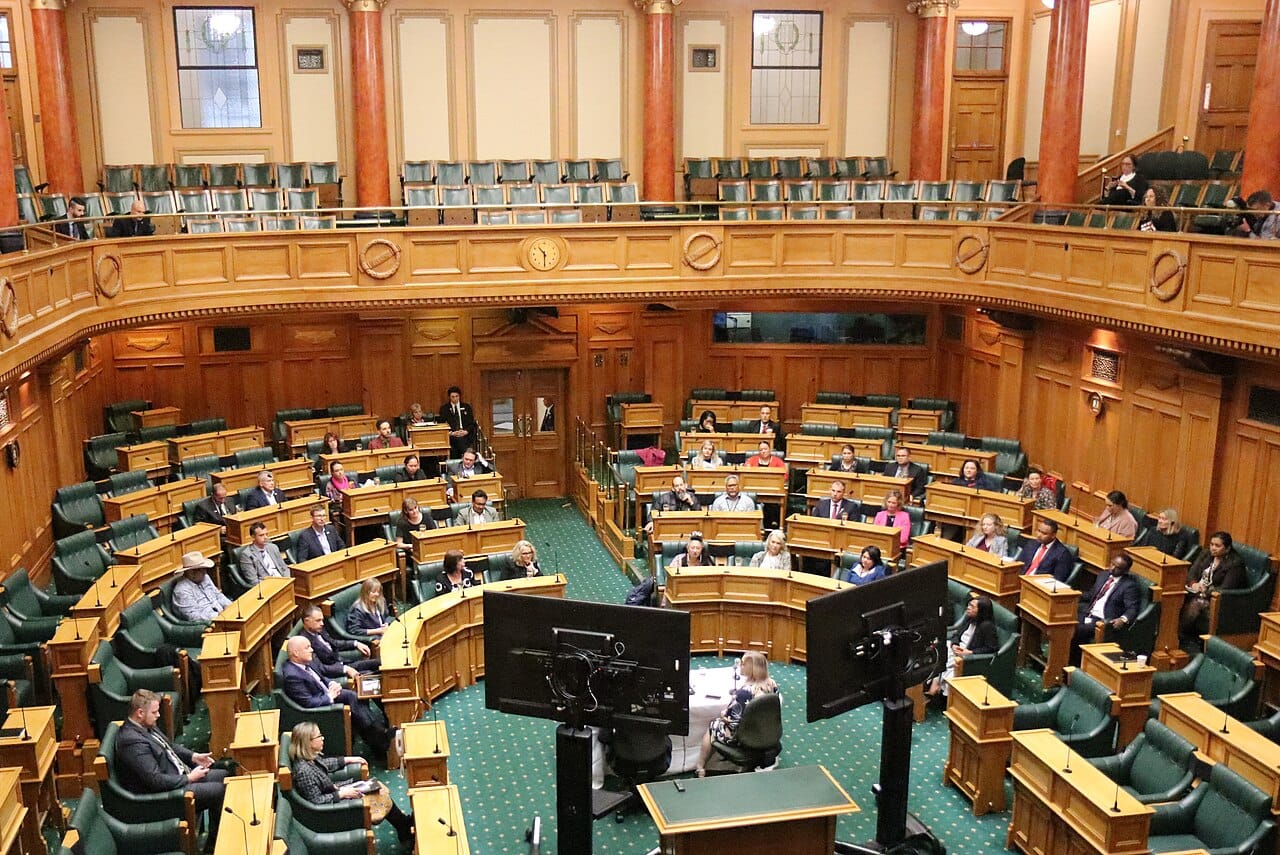
How New Zealand Lost the Capacity for Independent Foreign Policy
On 1 March 2026, Prime Minister Christopher Luxon and Foreign Minister Winston Peters issued a joint statement addressing the American and Israeli strikes on Iran. Their response was carefully calibrated. They neither endorsed the attacks nor openly opposed them. Instead, they noted that New Zealand recognised the operations as intended to prevent Iran from continuing to pose a threat to international peace and security. The phrasing felt notably restrained, almost to the point of detachment.

Book Review: “Does the Elephant Dance?”
Does the Elephant Dance? Contemporary Indian Foreign Policy is a study of Indian foreign policy and its evaluation on various parameters. The author of this book, David M. Malone, a diplomat, author, and former Rector (leader) of the United Nations University, has witnessed the firsthand development of Indian foreign policy and held discussions with the key decision-makers. Throughout ‘Does the Elephant Dance?’ Malone exercises this confluence of diplomatic and scholarly authority artfully, tracing the key tenets of Indian foreign policy from its independence, till 2011.
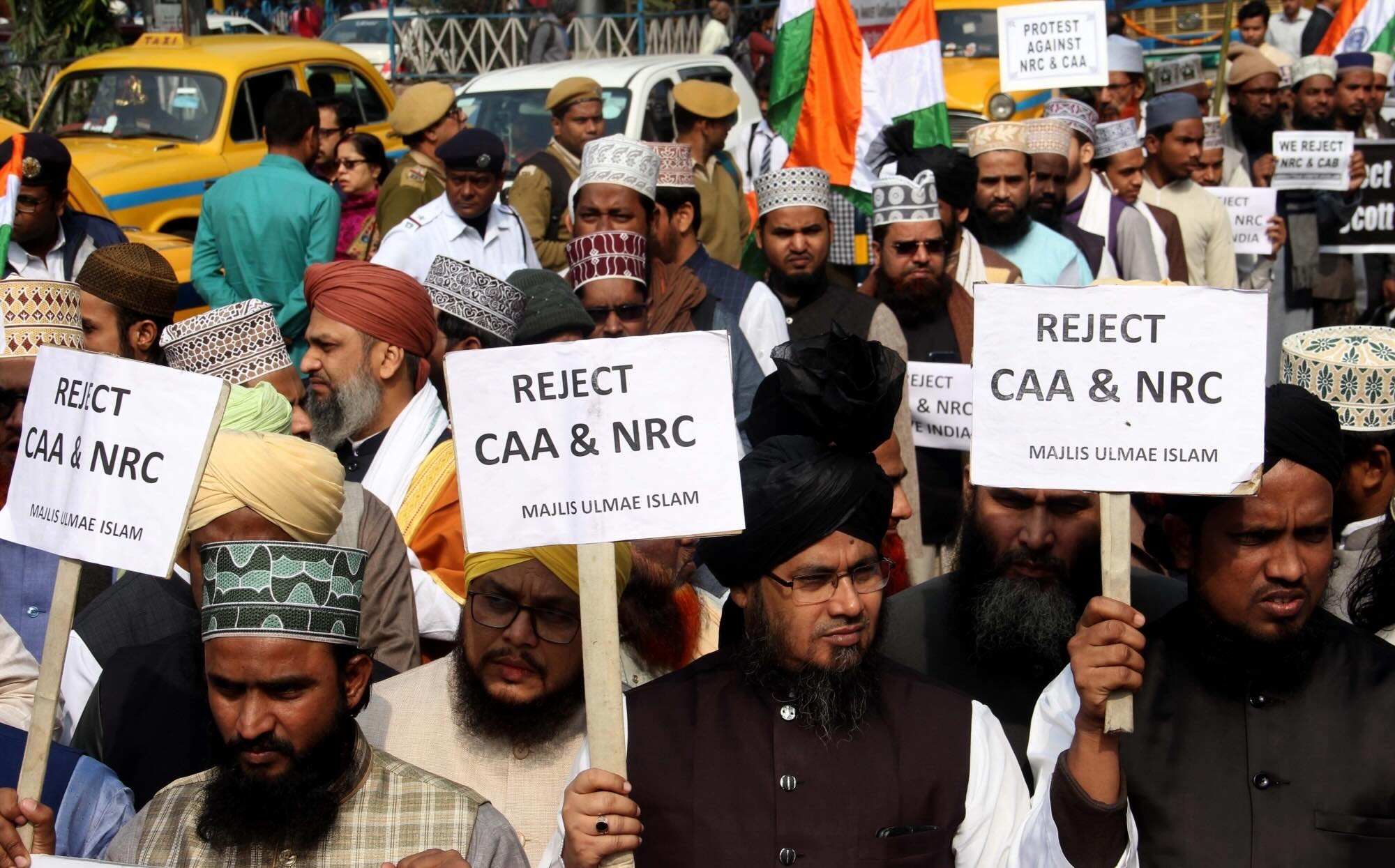
CAA Protests Highlights Foreign Policy Illiteracy Among Indians
Four long years after the parliament passed the Citizenship Amendment Act, 2019, Union Home Minister Amit Shah on 11 March 2024 notified the rules for CAA. Though it has nothing much with domestic affairs, why do Muslims in India keep protesting? Is the CAA discriminatory against Muslims? What is the foreign policy angle of CAA?
Popular Narratives Should not be the Drivers of India’s Global Ambitions
Since independence, up until 1991, India had never attempted to establish formal diplomatic relations with the State of Israel. Not that it did not want to, but it was mainly because of the popular Indian sentiment that it should not keep connections or do any business with the nation that ostracises and conducts atrocities against Palestinian Muslims. And also, because certain sections of the society did not want the Indian state to recognise Israel as a separate entity in itself. Is appeasing and pacifying the heated sentiments of the people considered the deciding factor in foreign policy engagements of a nation?