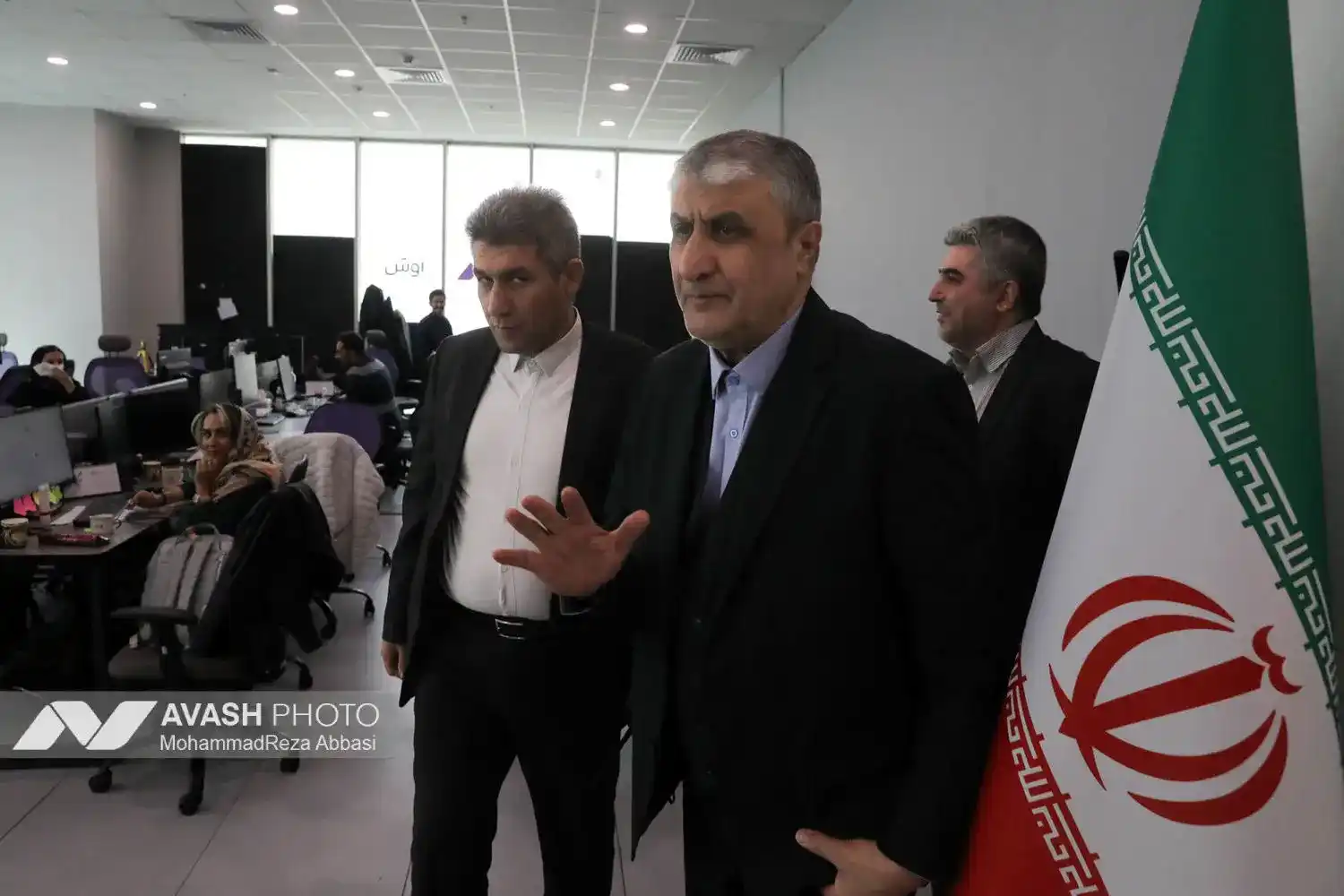
For twenty years, Iran’s nuclear program has been a key point of contention in U.S.–Iran relations. After the U.S. exited the 2015 Joint Comprehensive Plan of Action (JCPOA), Tehran gradually increased its enrichment levels beyond the established limits. Diplomatic attempts in 2025 led to indirect talks facilitated by Oman and Italy, but these efforts fell apart due to escalating tensions, particularly following a 12-day conflict involving U.S. and Israeli attacks on Iranian nuclear and military facilities in June 2025.
Tag: Diplomacy
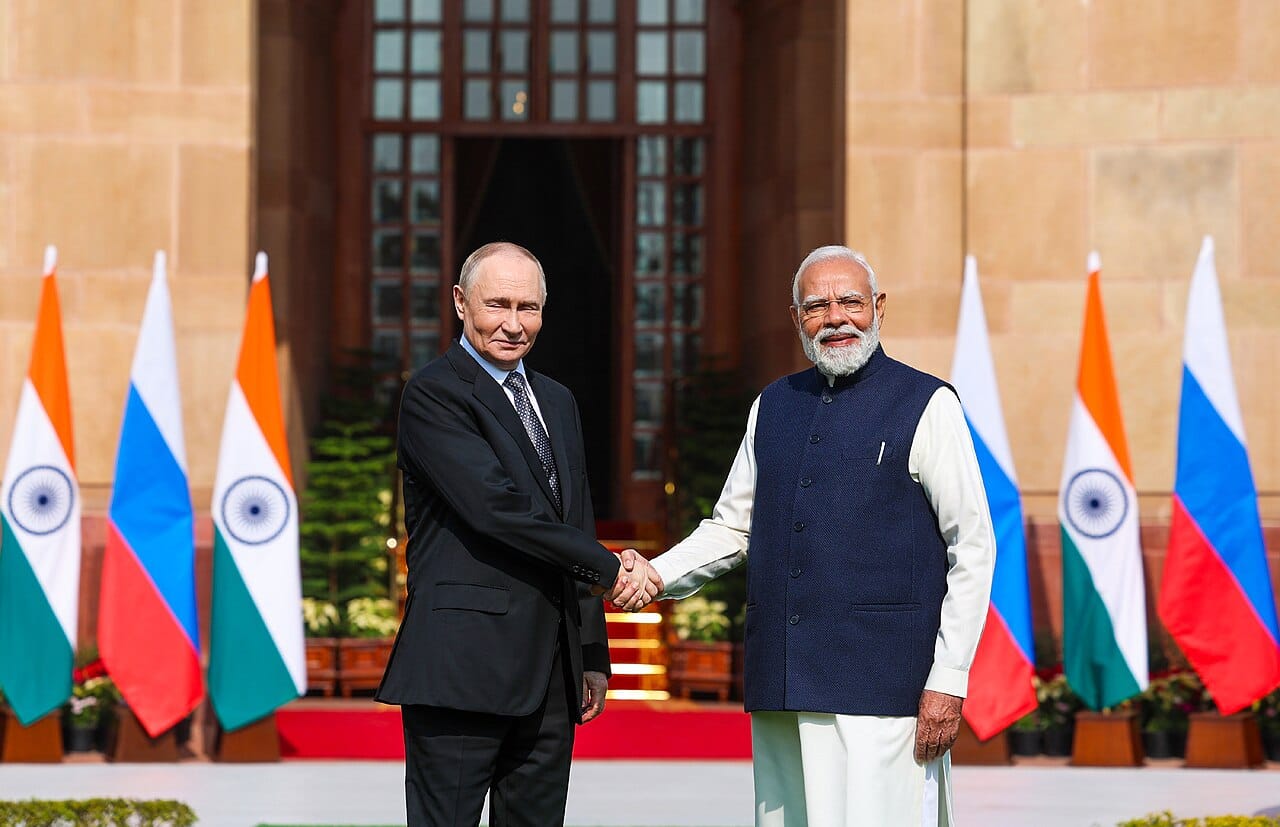
India-Russia Partnership Stands Firm Amidst Global Pressure: Key Takeaways from the Summit
The recent two-day visit of Russian President Vladimir Putin to India, culminating in a joint media briefing with Prime Minister Narendra Modi in Delhi, underscored the enduring strength of the India-Russia strategic partnership. This high-profile summit, held against the volatile backdrop of the Ukraine conflict and mounting Western pressure on Delhi, served as a powerful testament to the multifaceted cooperation between the two nations, particularly in energy, trade and defence.
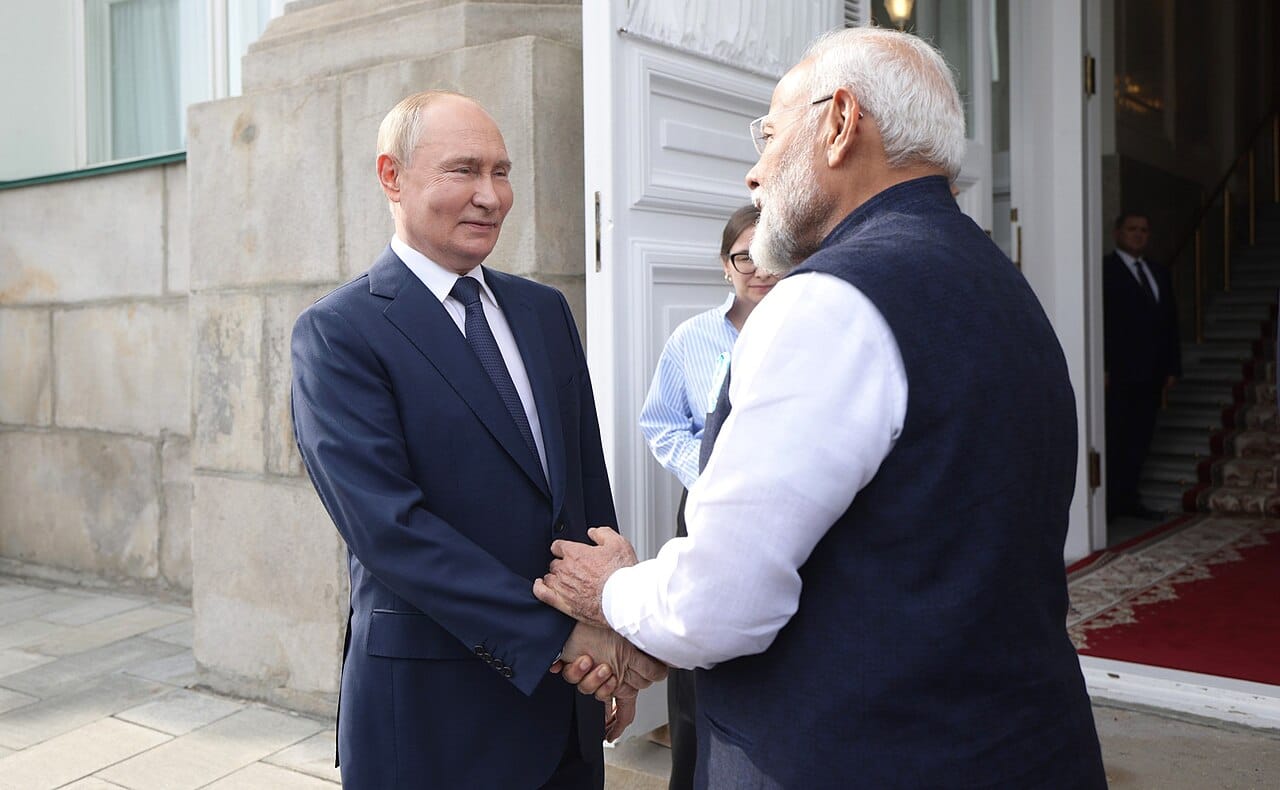
The Evolving Nexus: A Deep Dive into the 23rd India-Russia Annual Summit
The State Visit of Russian President H.E. Mr. Vladimir Putin to New Delhi on December 4-5, 2025, for the 23rd India-Russia Annual Summit, is not merely a routine diplomatic exchange; it represents a pivotal moment in global diplomacy. This summit, occurring against the backdrop of an intensely volatile geopolitical landscape marked by the lingering impacts of the Ukraine conflict, forces a comprehensive reassessment of the ‘Special and Privileged Strategic Partnership.’ The core dynamic now defining this relationship is a sophisticated act of strategic balancing by India, leveraging Russia’s crucial, albeit redefined, military role against a mushrooming, energy-driven economic dependence.
The Vital Role of Cultural Diplomacy in International Relations
Apart from the traditional notion of hard power that involves quantifiable military and economic might, soft power as a facet of power has found political resonance in the realm of international relations in recent decades. Pioneered by Harvard scholar Joseph Nye, soft power is a non-coercive facet of power that has become increasingly important in maintaining hegemony in the world. Soft power entails the art of subtly influencing outcomes by shaping the preferences of other countries and actors outside your own country via the tactics of attraction, appeal, and persuasion.

Is Winning Control of PoK Beneficial for India?
Pakistan-occupied Kashmir (PoK) refers to the portion of the former princely state of Jammu and Kashmir that is currently under Pakistani control. The territory has been a source of tension between India and Pakistan since the two countries gained independence in 1947, and the disputed status of PoK has been a key issue in the ongoing conflict between the two nations. The disputed territory was ruled by Maharaja Hari Singh, a Hindu king, but the region had a majority Muslim population. When the state of Jammu and Kashmir acceded to India in 1947, Pakistan claimed that the accession was invalid and sent troops into the region.
Maldives’ Growing Proximity with China: Gain or Loss for India?
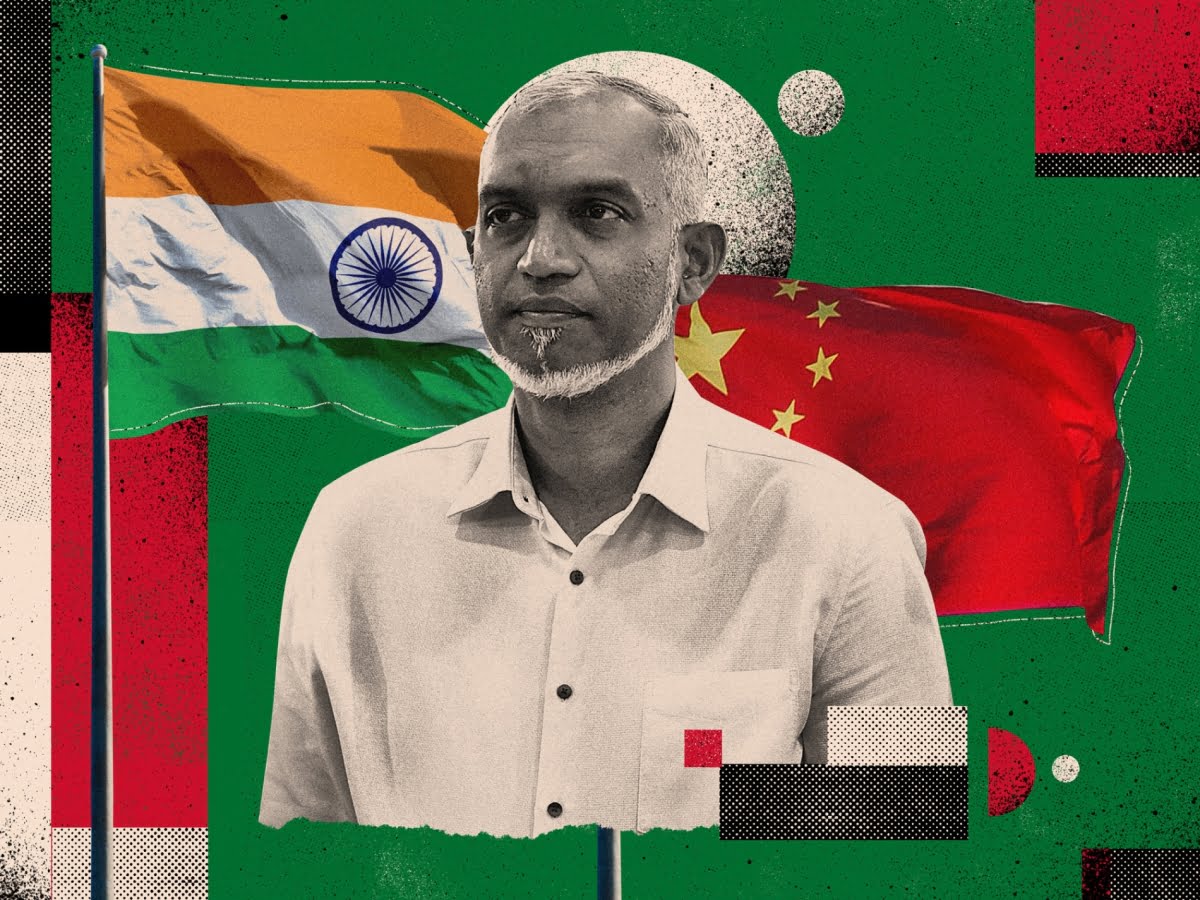
Since Mohamed Muizu became the elected president of the Maldives in September 2023, a series of anti-India sentiments has been sweeping the country. Evidently, the allegiance of President Muizzu’s clearly lies in China. President Muizzu has earlier given the deadline for withdrawing Indian troops from the country, which will be an eventual move, accepted by India. A few days earlier, the two maritime neighbourhood countries got into a spat after a reference from a Maldivian minister to call India a ‘bully’ of the smaller countries of the region. New Delhi reacted by reminding the amount of aid, $4.5 billion, that the Maldives accepts from India.
India must Recalibrate its Diplomatic Ties with Russia
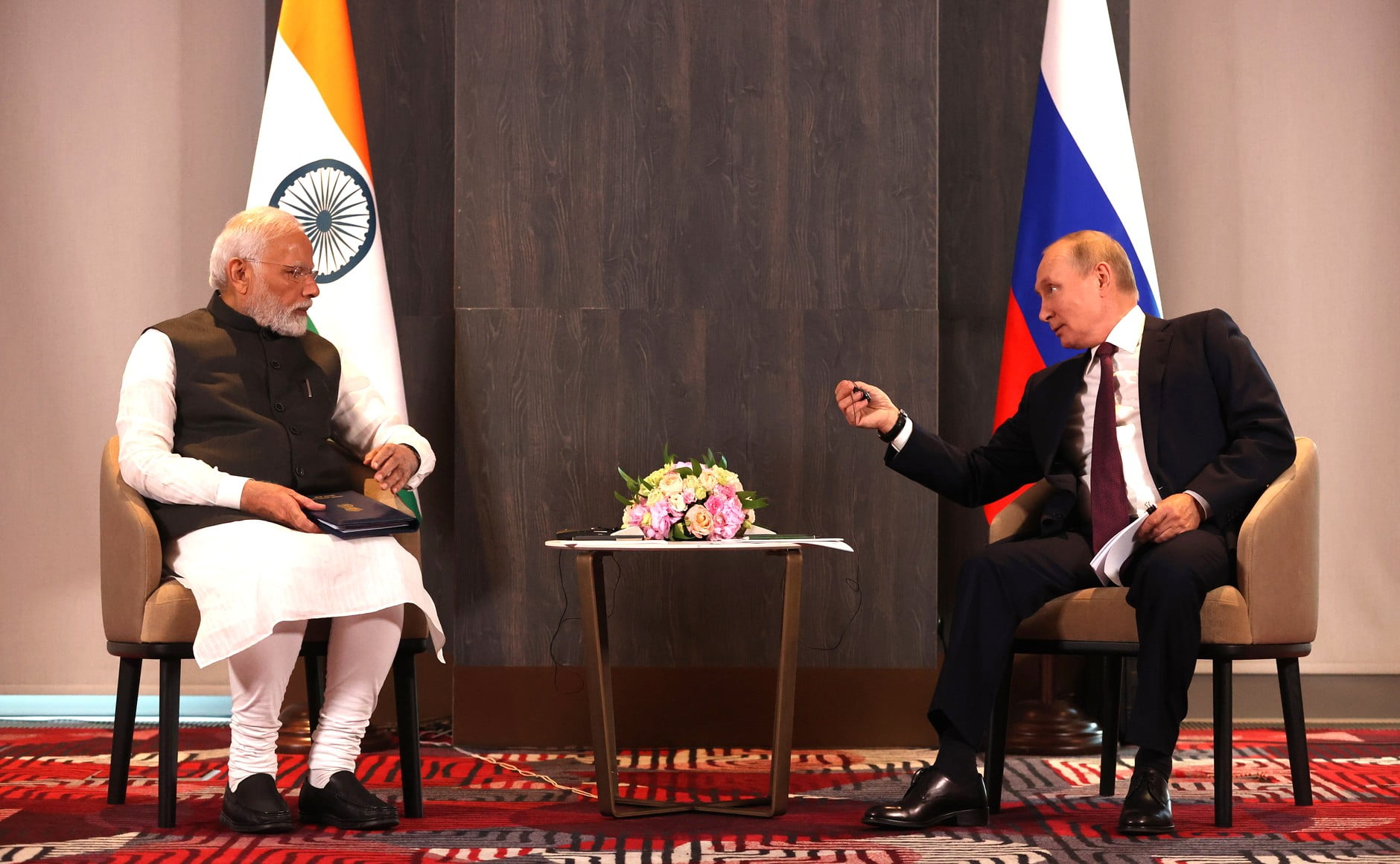
When he arrived in India, the Foreign Minister delivered a noteworthy statement, asserting that India’s longstanding ties with Russia are rooted in a ‘Soviet Legacy’ that is gradually dissipating. He urged New Delhi to reconsider its relationship with Moscow and align more closely with Kyiv, reflecting Ukraine’s perspective on the evolving global landscape.
TikTok Conundrum: Fanning the Flames of the Second Cold War
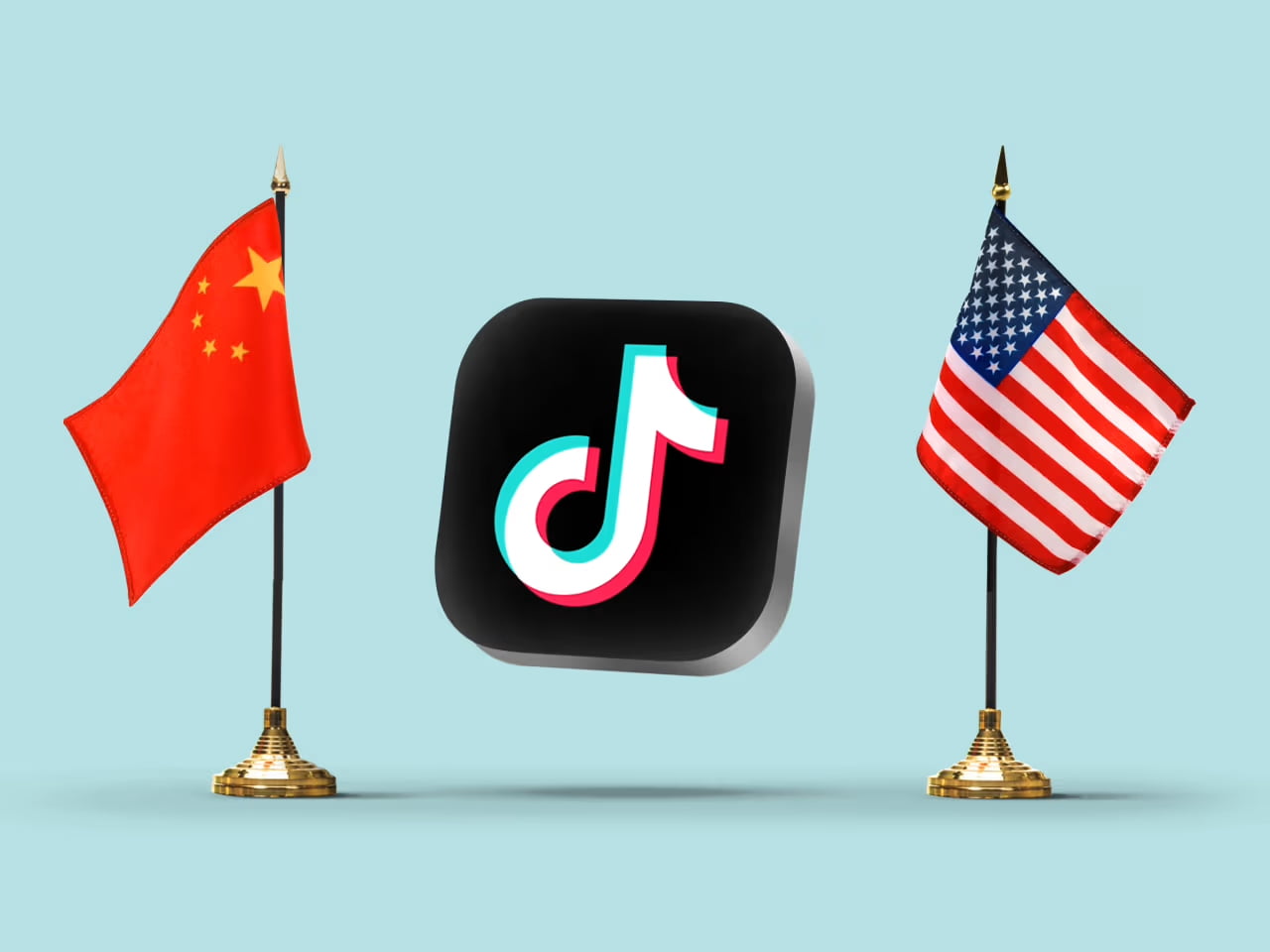
The potential ban on TikTok in the US has triggered reactions both domestically and internationally, with discussions on social media platforms like Weibo reflecting mixed sentiments. The ban is a significant step in addressing perceived national security threats posed by Chinese-owned apps operating in the US, setting the stage for further debates on data privacy, surveillance, and trade dynamics.
Beijing Support Moscow’s Anti-American Campaigns
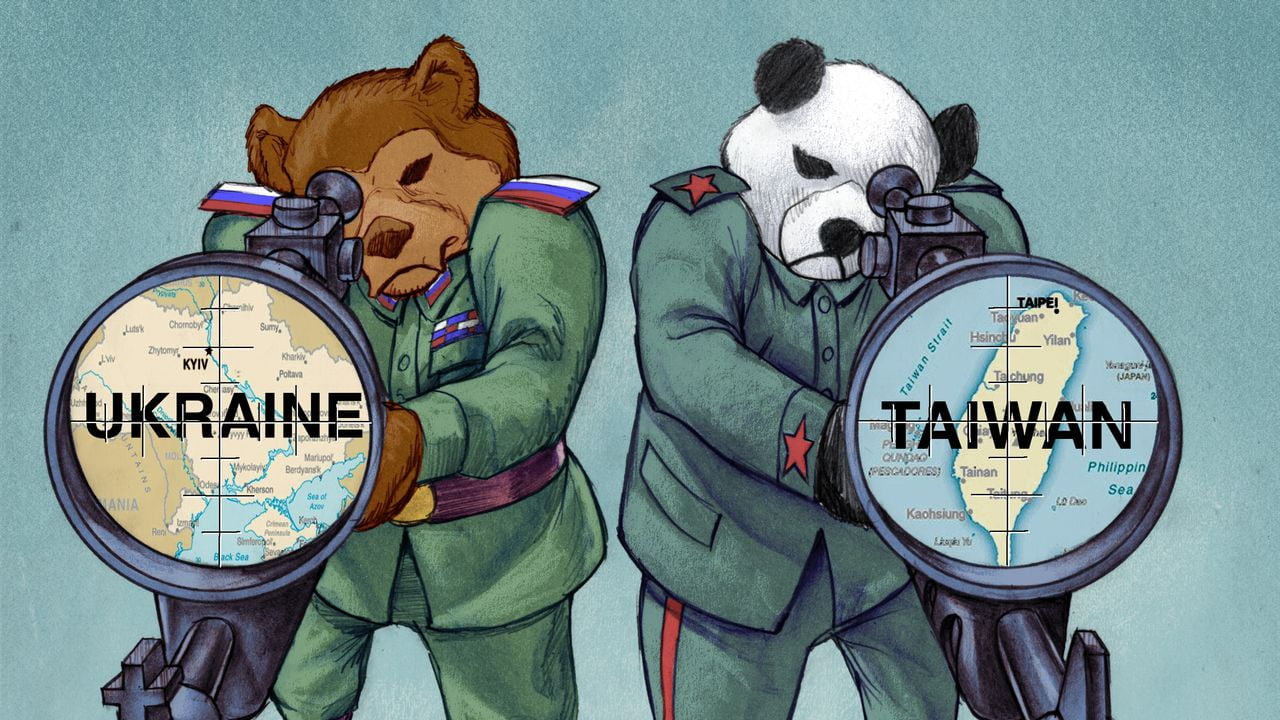
Russian and Chinese interests diverge in significant ways based on their number of key terms such as cooperation, mutual support, core interest and usage of those in different contexts. The two nations signed ‘no limits friendship’ which makes new era of anti-western world order

World Economic Forum’s Role in Addressing Conflict in the Middle East
The 54th annual meeting of World Economic Forum (WEF) kicked off in Davos, Switzerland, with the overarching theme of “Rebuilding Trust.” Bringing together more than 2800 participants from 120 countries across business, politics, academia, and civil society, the forum aimed to address pressing global challenges amidst geopolitical tensions and rapid technological advancements.