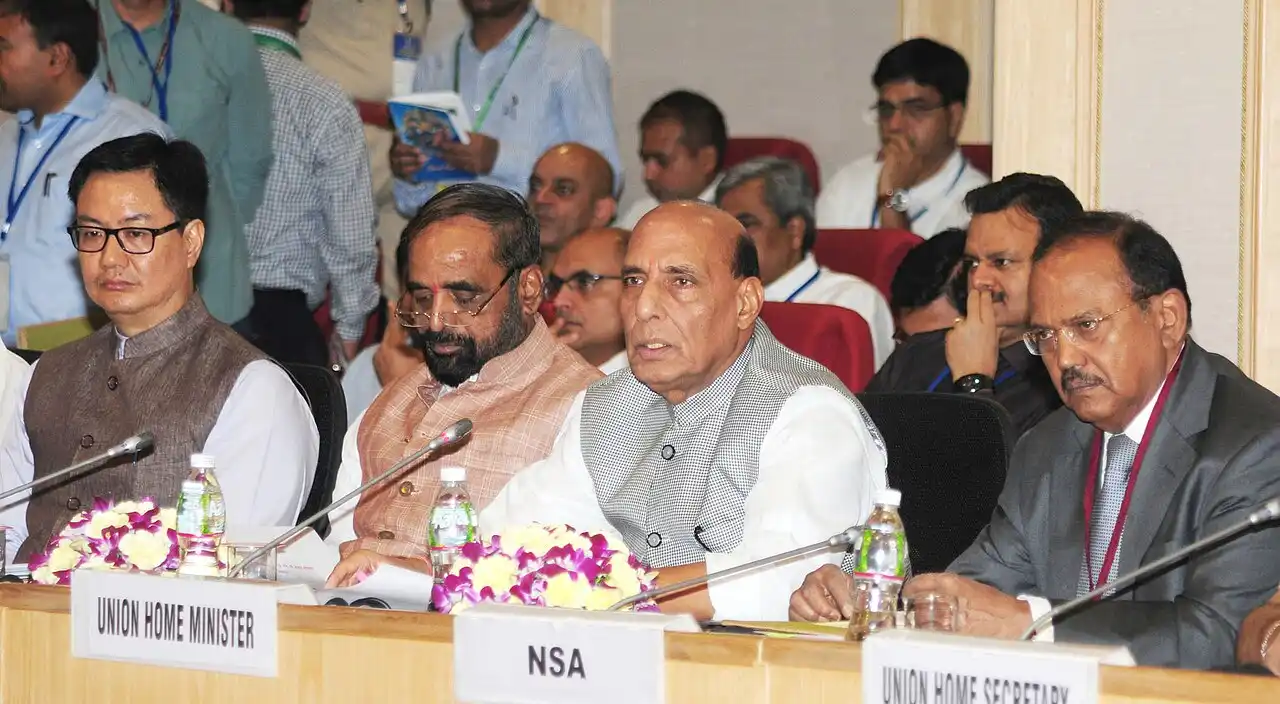
The Indian military is recognised as the fourth most potent armed force globally and the recent success of Chandrayaan 3 has cemented India’s status as the fifth great space power. Whereas on the diplomatic front, India’s vaccine diplomacy during the covid-19 pandemic and the role of net security provider in the Indo-Pacific coupled with its leadership of the Global South has affirmed India’s position as a Vishwaguru (teacher to the world) within the international community. According to Morgan Stanley, India stands at the cusp of a transformational decade poised to become the third-largest economy by overtaking Germany by 2028.
Tag: Cyber Warfare

Digital Arrest: A Rising National Security Threat to India
Indian Prime Minister Narendra Modi in his monthly radio program “Mann Ki Bhat” alerted the citizens about the emerging cyber crime in India known as Digital Arrest. Prime Minister cautioned the citizens about the digital arrests where fraudsters impersonate themselves as law enforcement officials threatening citizens with fake arrests. The Digital arrest scam is widely occurring across India deceiving Indians and looting their hard-earned money through these scams. These scams are not isolated cyber crime incidents but rather a perpetrated by well-organised criminal gangs that have extensive knowledge of cyberspace.
This Piece of Technology will Dictate the Coming Decades
Amidst this technological evolution, Quantum Computing has emerged as the next frontier in computing power and capability. Quantum computers leverage the principles of quantum mechanics to perform complex calculations at speeds unimaginable by classical computers. This shift towards quantum computing represents a paradigm shift in computational capabilities, promising breakthroughs in cryptography, scientific research and optimisation problems that were previously intractable. As we navigate the transition away from AI, the technological landscape is poised for another transformative wave that could redefine the boundaries of what is possible in the digital age.
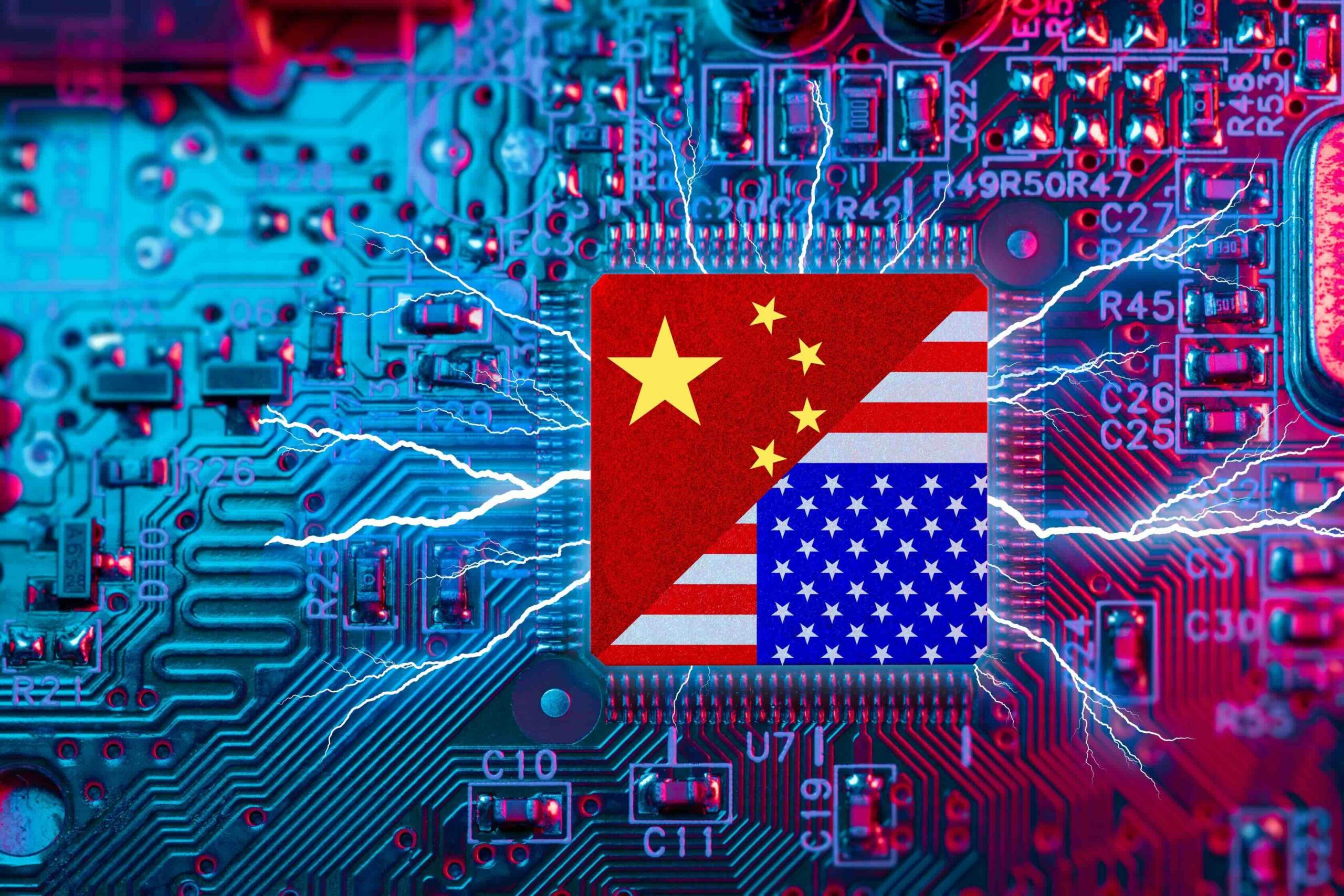
China aims for Technological Self-reliance amidst Tensions with the US
China Watch is our flagship newsletter and research programme offering critical insights, business intelligence and in-depth reporting on China and Taiwan. This issue’s cover story is “China aims for Technological Self-reliance amidst Tensions with the US.”
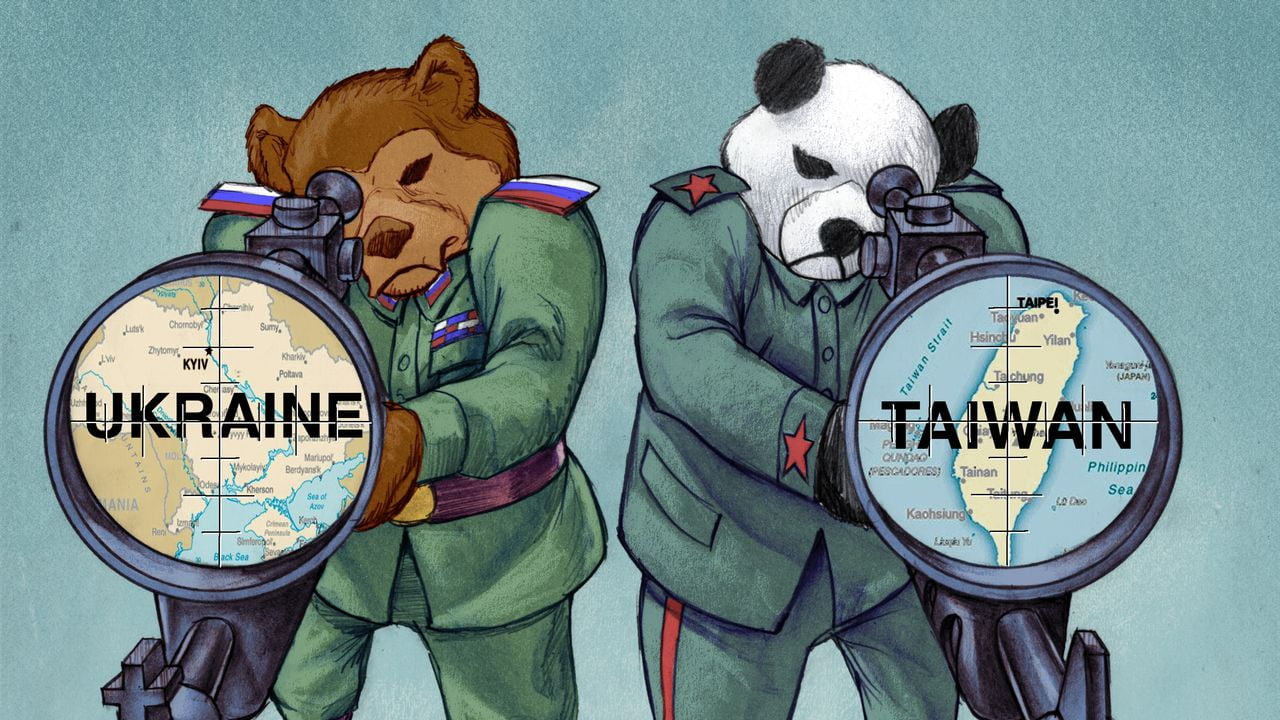
Beijing Support Moscow’s Anti-American Campaigns
Russian and Chinese interests diverge in significant ways based on their number of key terms such as cooperation, mutual support, core interest and usage of those in different contexts. The two nations signed ‘no limits friendship’ which makes new era of anti-western world order

Role of Information Warfare in Israel-Hamas War
The Israel-Hamas war serves as a poignant example of how information warfare has become critical component of contemporary conflicts. In context of Israel-Hamas, IW has emerged as a pivotal tool for both sides to influence public opinion and shape international perceptions
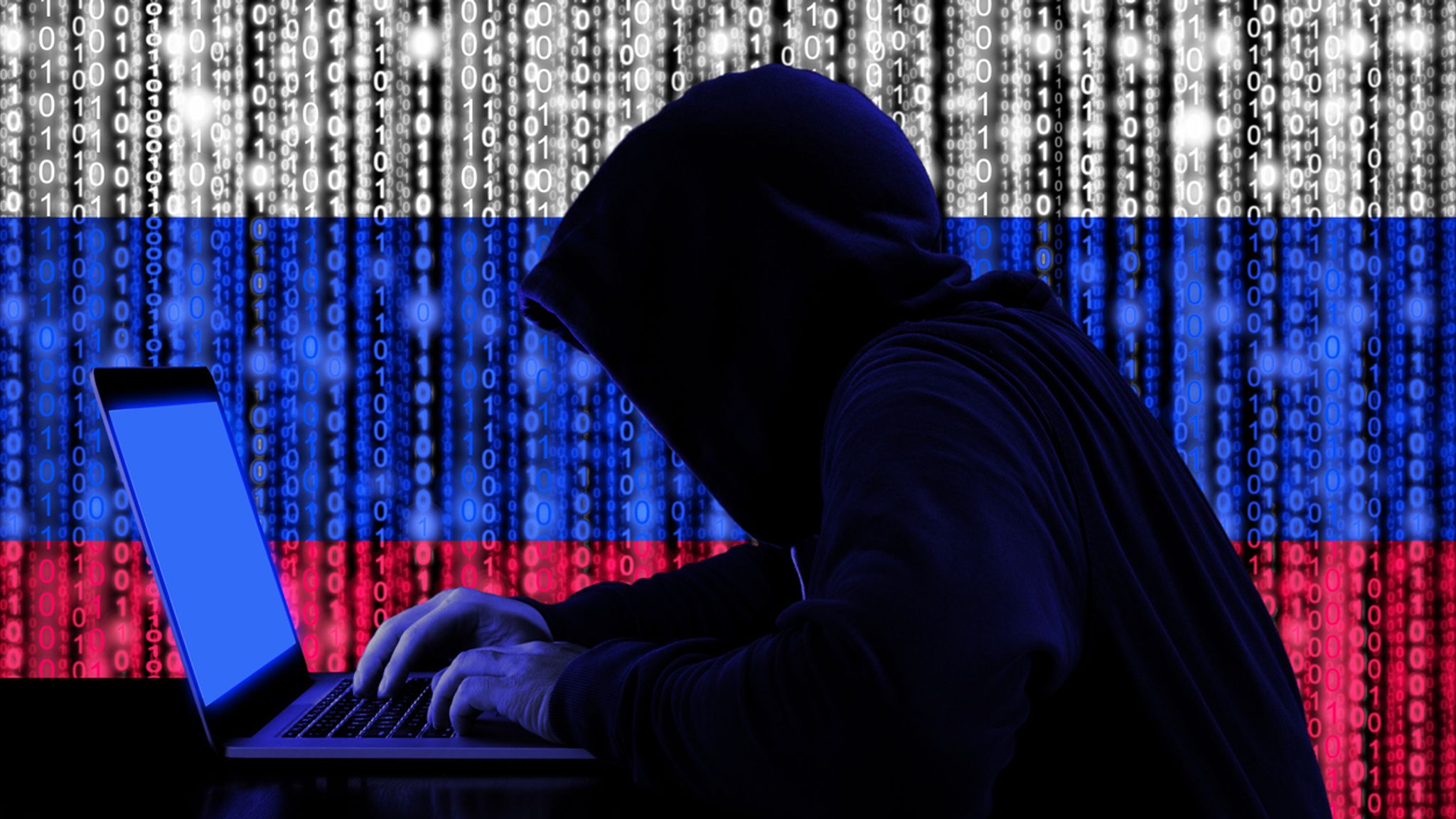
Kremlin’s Information Warfare Operations Against Ukraine
Russia-Ukraine war explicitly shows that information warfare is not a distant future, but it is in practice. Russia’s tremendous efforts to push the narratives in order to deflect blame from Moscow and undermine support for Ukraine have been visible across the digital sphere. This article analyses Russia’s deployment of information operations and deception capabilities against Ukraine and how cyberspace shapes public opinion