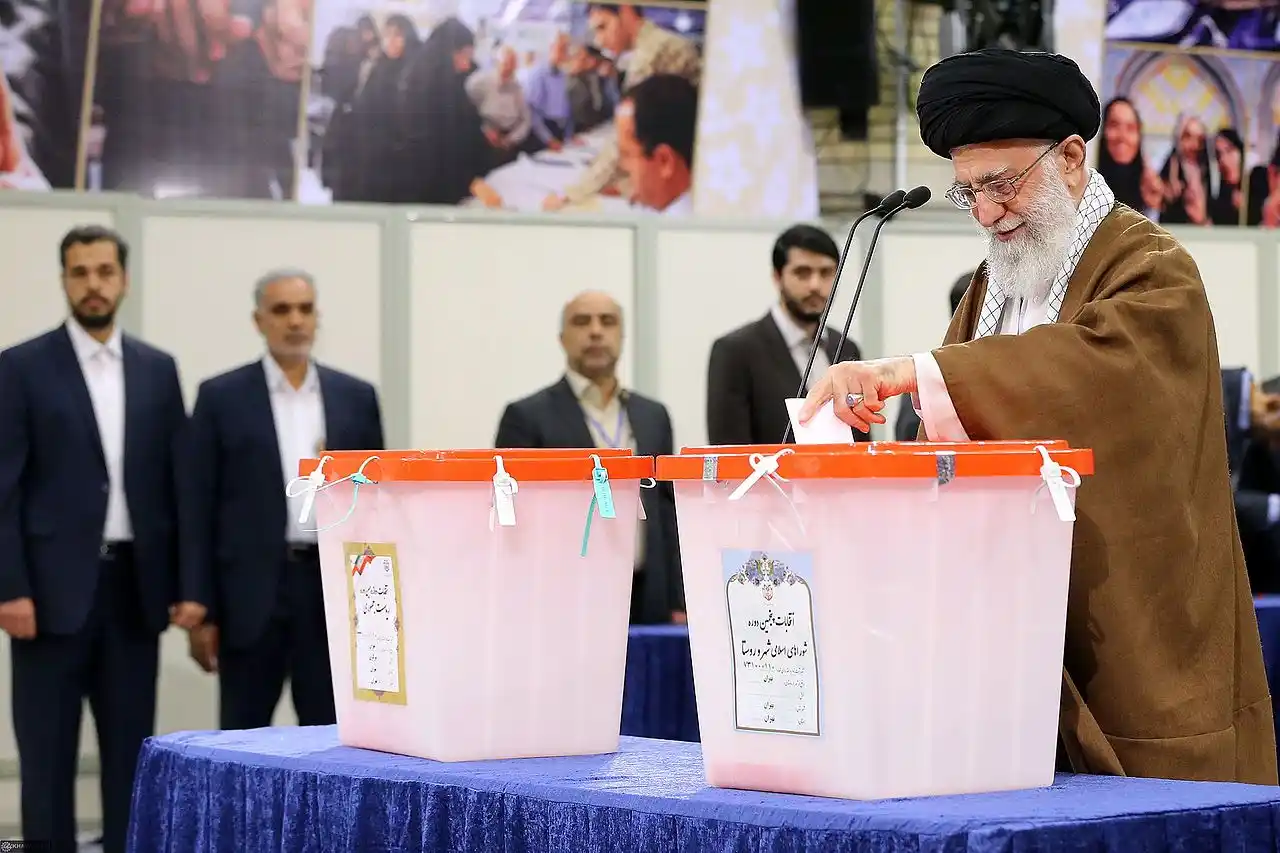
The death of Supreme Leader Ayatollah Ali Khamenei would represent one of the most consequential political turning points in the history of the Islamic Republic of Iran. Since succeeding Ayatollah Ruhollah Khomeini in 1989, Khamenei has served as the central authority within Iran’s political system. The Supreme Leader holds ultimate control over the military, the judiciary, intelligence services, and nuclear policy, making the position the most powerful office in the country. With Khamenei gone, Iran would face an uncertain leadership transition that could reshape both its domestic political order and its regional strategy
Tag: Conflict
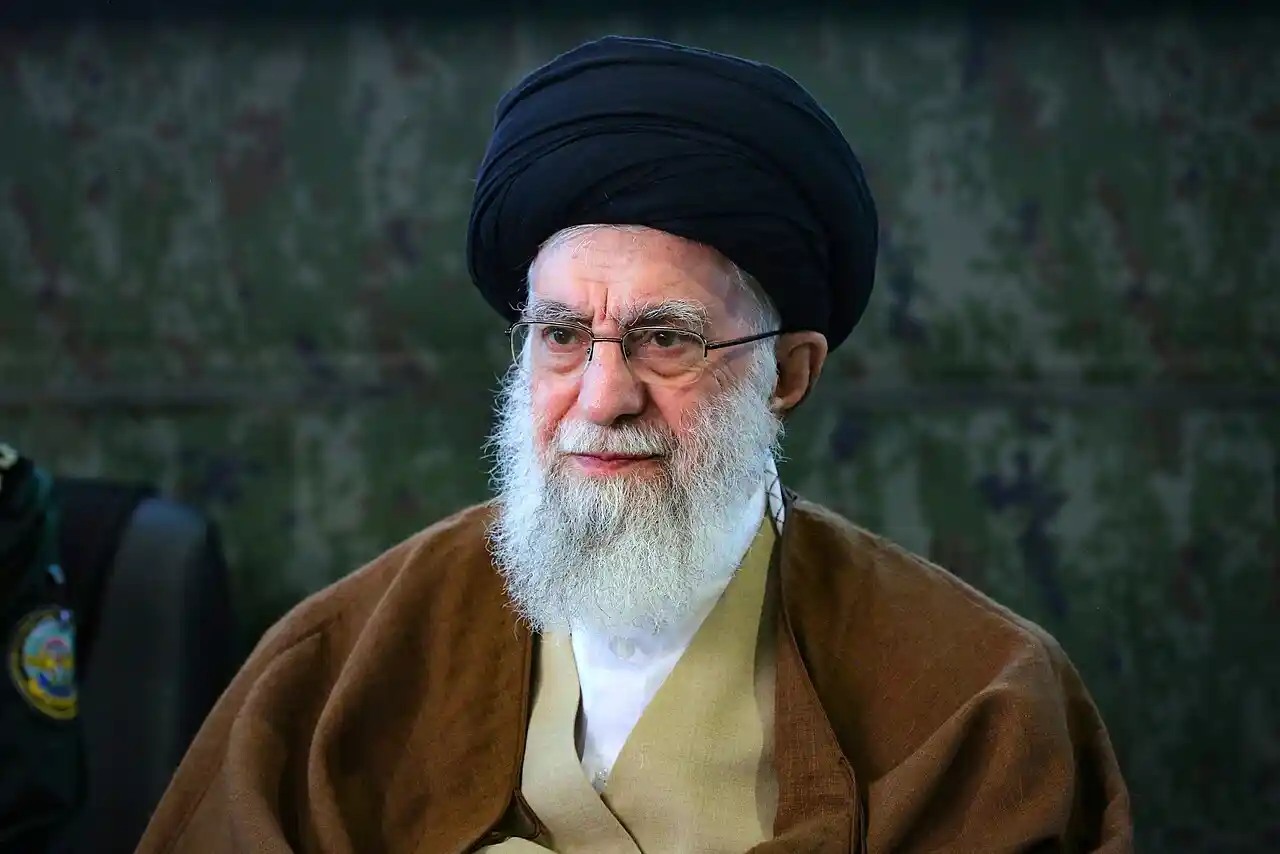
Assassination of Khamenei, India’s Silence and the Crisis of International Morality
After bunker-buster bombs dropped by American bombers killed Iran’s Supreme Leader, Ayatollah Ali Khamenei, along with his merely 14-month-old granddaughter, close relatives, and high-ranking officials, the Iranian government declared him a “martyr” and announced 40 days of national mourning. The incident has drawn mixed reactions globally. Some countries condemned it, while others maintained silence or expressed support. However, in recent days, a strange trend was visible on social media. After the news of Khamenei’s killing, in some sections of India there was more celebration than mourning
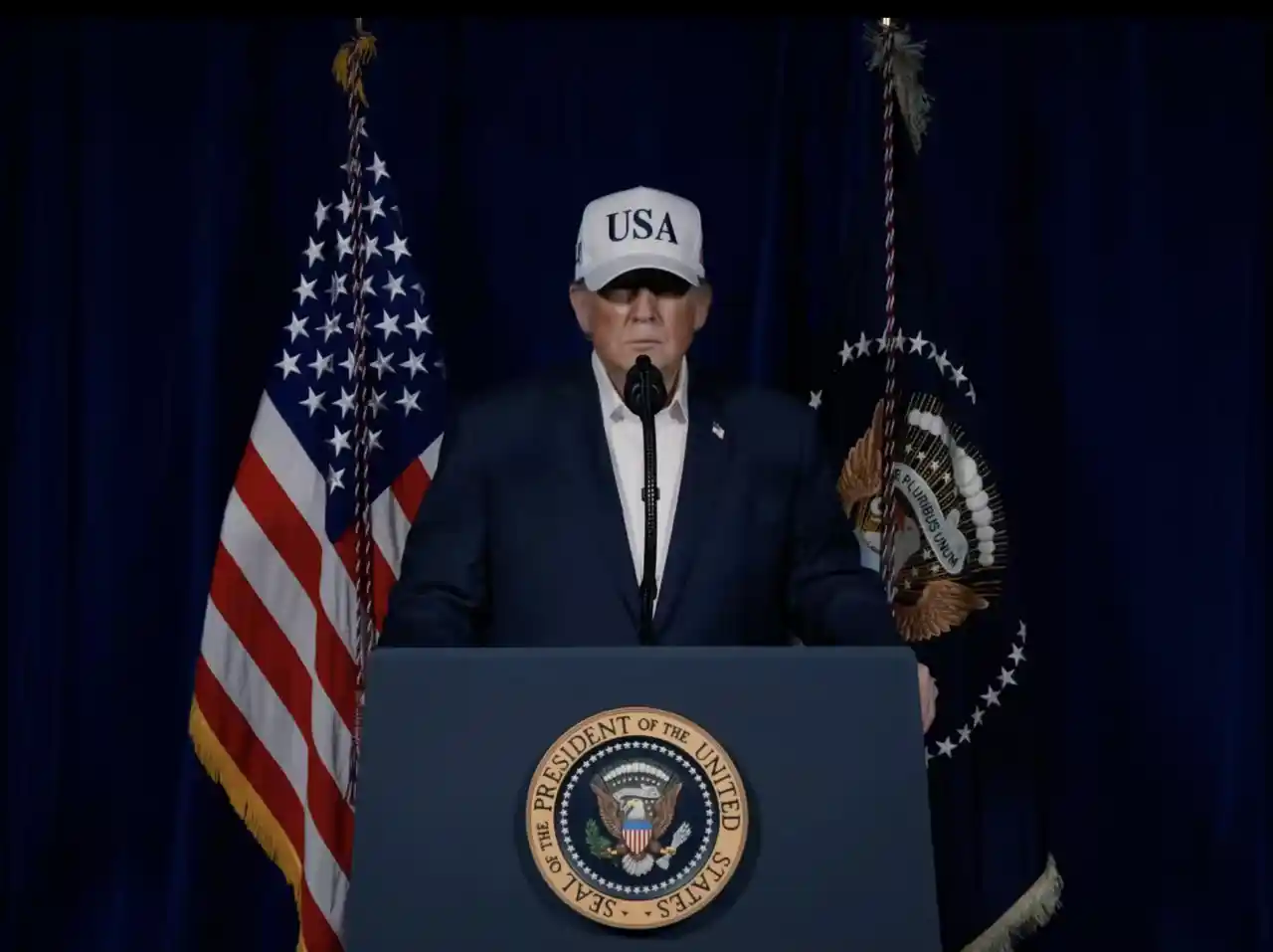
Escalation in West Asia: U.S.-Israel Joint Offensive and Iran’s Retaliation
On 28 February 2026, the United States and Israel initiated coordinated large-scale strikes against targets in Iran, marking a significant escalation in the longstanding tensions over Iran’s nuclear programme, ballistic missile capabilities, and regional influence. The operation, designated “Operation Epic Fury” by the United States and “Operation Roaring Lion” by Israel, commenced in the early hours local time with explosions reported across multiple Iranian cities, including the capital Tehran
10 Conflicts to Watch in 2026
As we moved into 2026, the world is no longer merely “watching” conflicts – it is living with them. Civil war in Sudan has deepened into a regional humanitarian catastrophe, Ukraine remains locked in a war of attrition with global consequences, India-Pakistan tensions continue to cast a long shadow over South Asia and multiple theatres across Central Africa are sliding into protracted violence. This special newsletter revisits the evolving conflict landscape and examine what these wars reveal about power, governance and the fragility of the current global order and why their trajectories in 2026 matter far beyond their immediate borders.
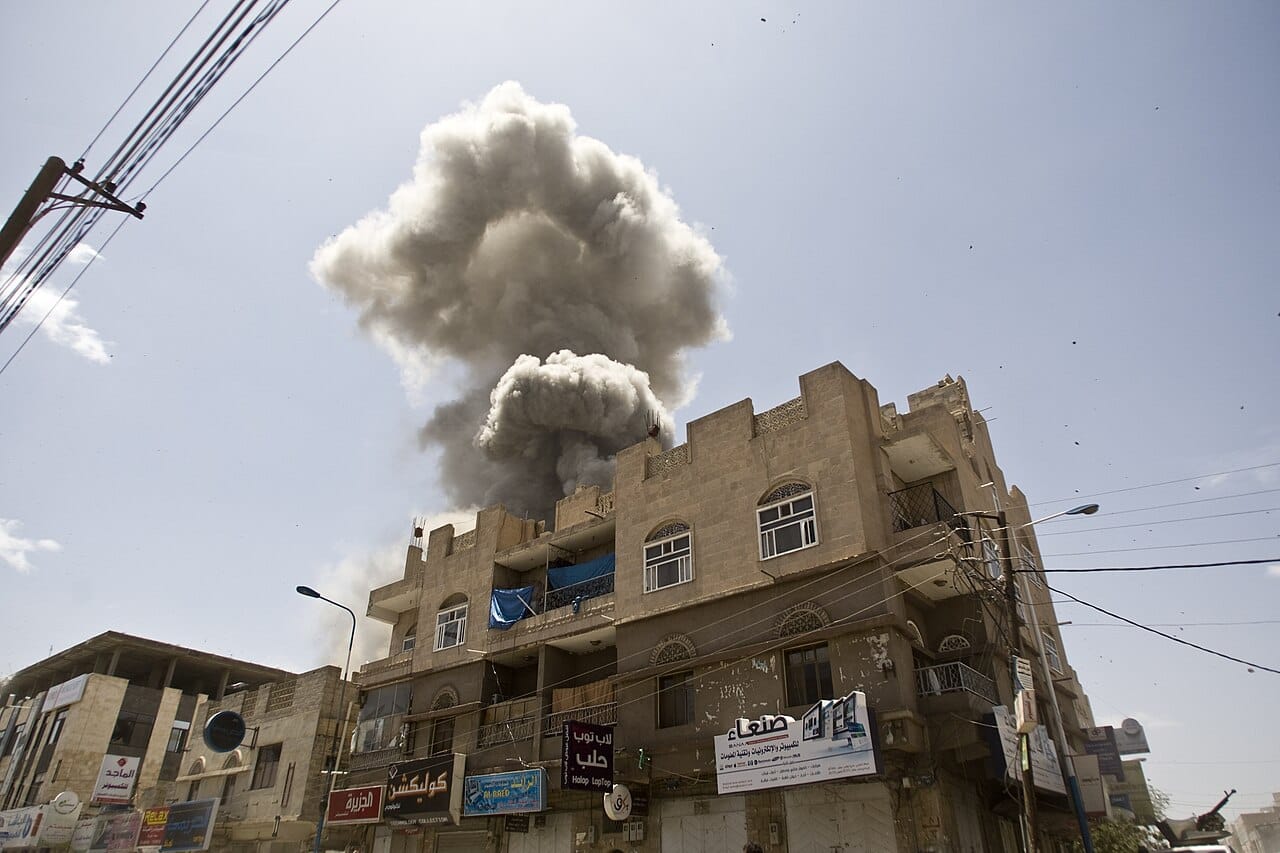
Yemen’s Fractured War and the Fragile Politics that Keep it Alive
The Yemen crisis is again showing the world that wars do not end just because the fighting stops. They end when the political deals that caused them are fixed, or when those deals completely fail. In late 2025 and early 2026, Saudi airstrikes, land gains by the United Arab Emirates-backed Southern Transitional Council (STC), and worse Saudi-UAE ties have brought back some of the biggest problems in Yemen’s war. This is happening at a time when global shipping routes, energy markets, and regional security are already weak. Yemen is again a local war with worldwide effects.
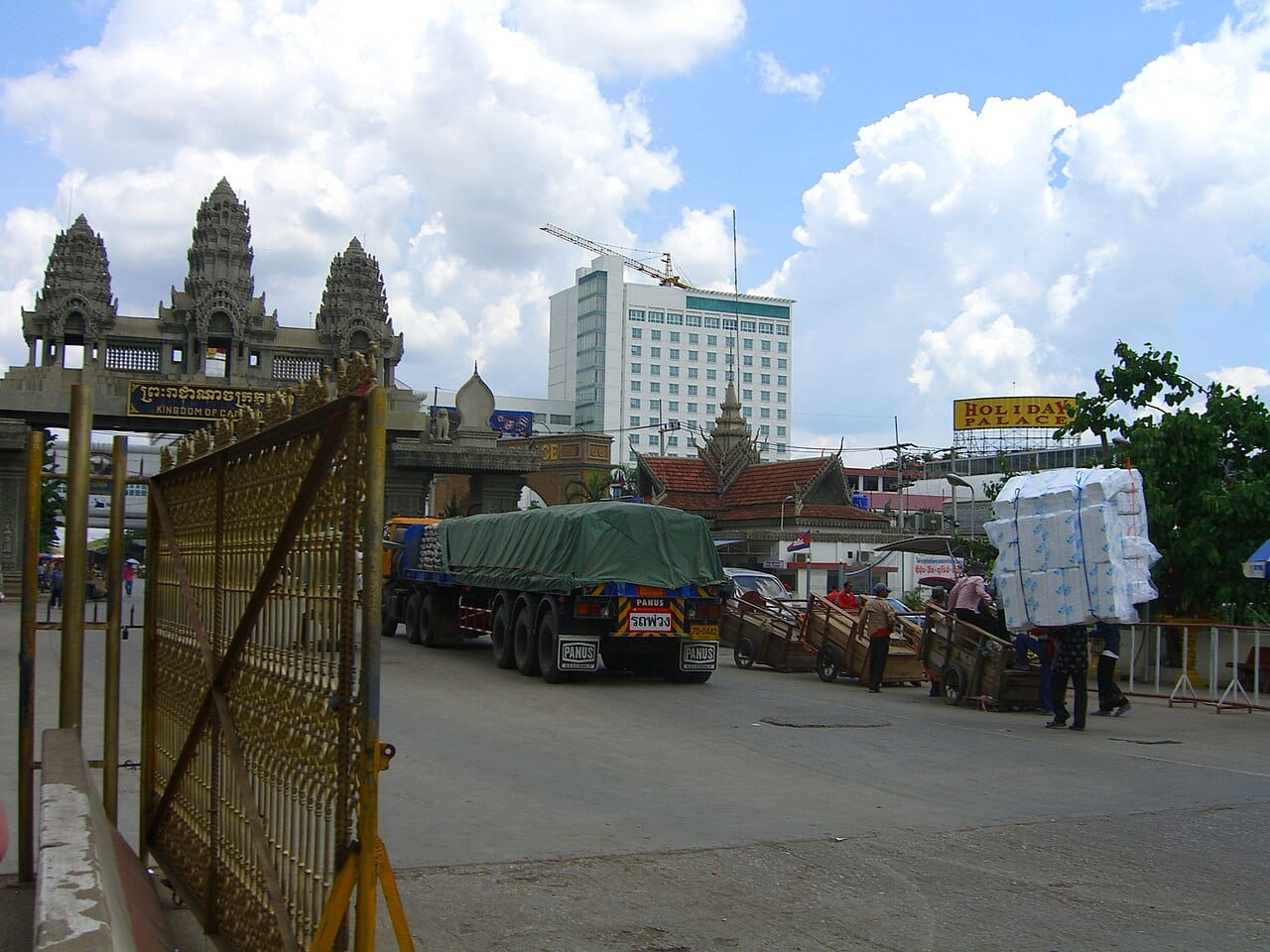
Why are Thailand and Cambodia Fighting at the Border?
Thailand and Cambodia’s border clashes in December 2025 represent a serious increase in their long-standing territorial dispute. This flare-up was ignited by mutual accusations of ceasefire violations and led to airstrikes, ground assaults, and severe civilian suffering. The conflict has its roots in unclear colonial maps concerning the Preah Vihear temple. The fighting resumed after a fragile U.S.-brokered truce from July fell apart amid landmine incidents and ongoing skirmishes. As of December 19, the fighting continued without resolution, displacing thousands and drawing international condemnation.
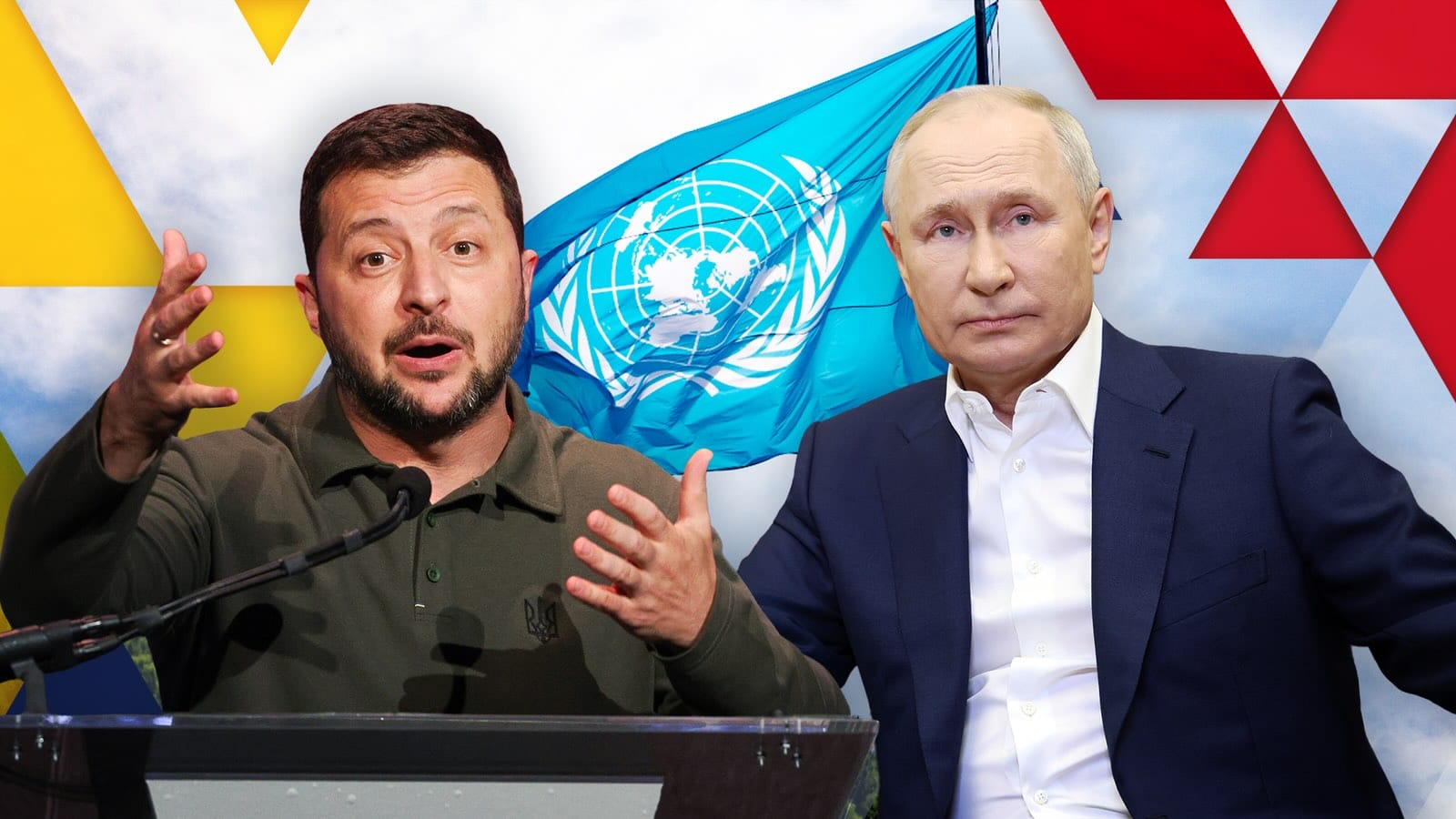
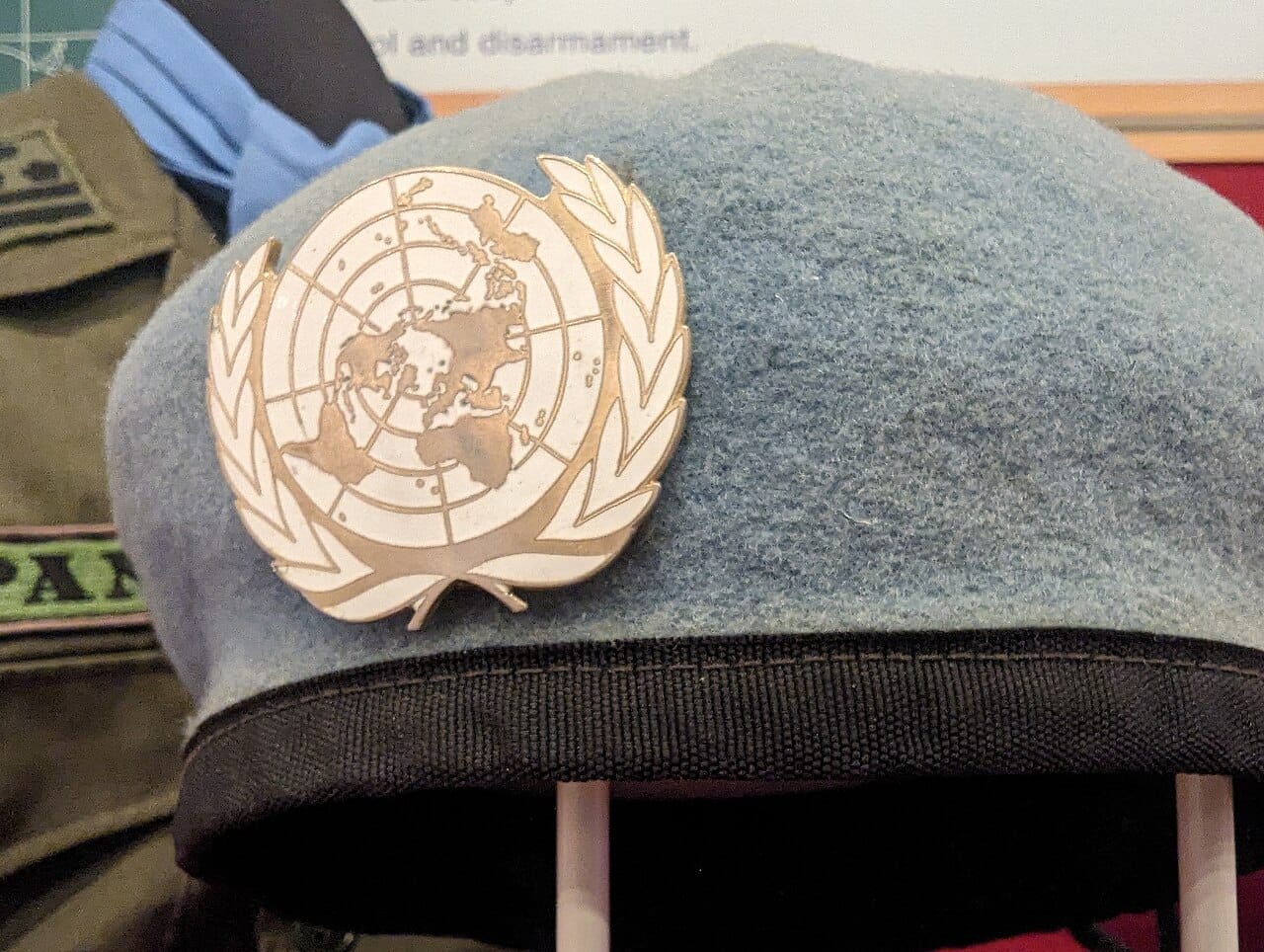
Can the United Nations still Resolve Modern Conflicts?
The United Nations (UN), formed in 1945 with the lofty goal of averting world conflict and encouraging international cooperation, has been a beacon of hope and multilateralism. Over the years, the UN has shifted its focus from simple state mediation to complicated peacekeeping, peace enforcement, conflict prevention, and post-war reconstruction. Its methodologies were mostly inter-positional during the Cold War. As crises became increasingly complicated, especially after the disintegration of the Soviet Union, international warfare (direct war) was replaced by a rise in domestic civil wars, ethnic conflicts, and political tensions among powerful states.
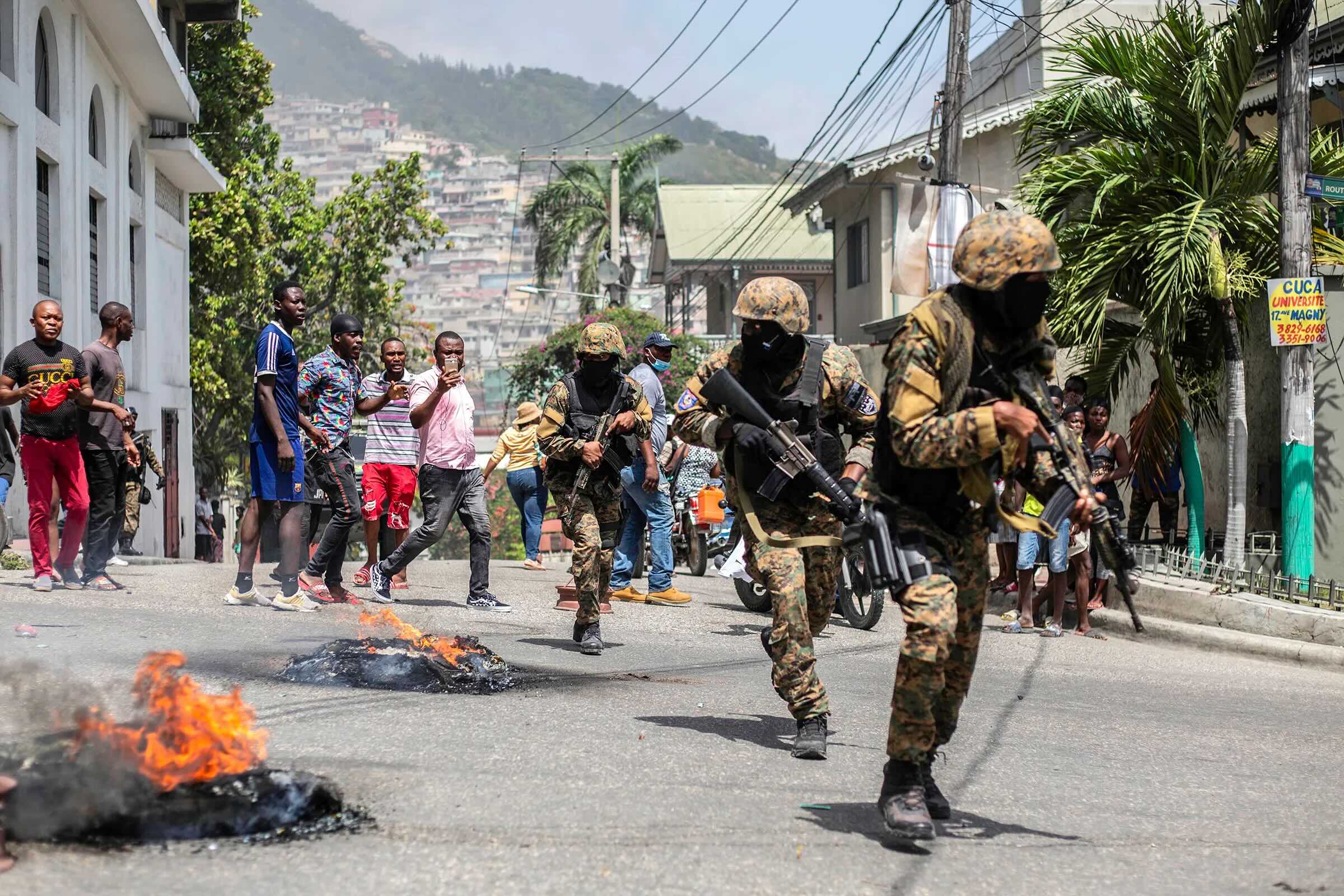
The Viyug’s Guide to Understand Haiti’s Ongoing Crisis
Haiti represents a complex and multilevel challenge that has gripped the nation in a relentless cycle of turmoil and suffering. Defined by deep-rooted political instability, pervasive extreme poverty, and the seismic impact of president’s assassination, Haiti finds itself at a critical crossroads.
Kremlin’s Information Warfare Operations Against Ukraine
Russia-Ukraine war explicitly shows that information warfare is not a distant future, but it is in practice. Russia’s tremendous efforts to push the narratives in order to deflect blame from Moscow and undermine support for Ukraine have been visible across the digital sphere. This article analyses Russia’s deployment of information operations and deception capabilities against Ukraine and how cyberspace shapes public opinion
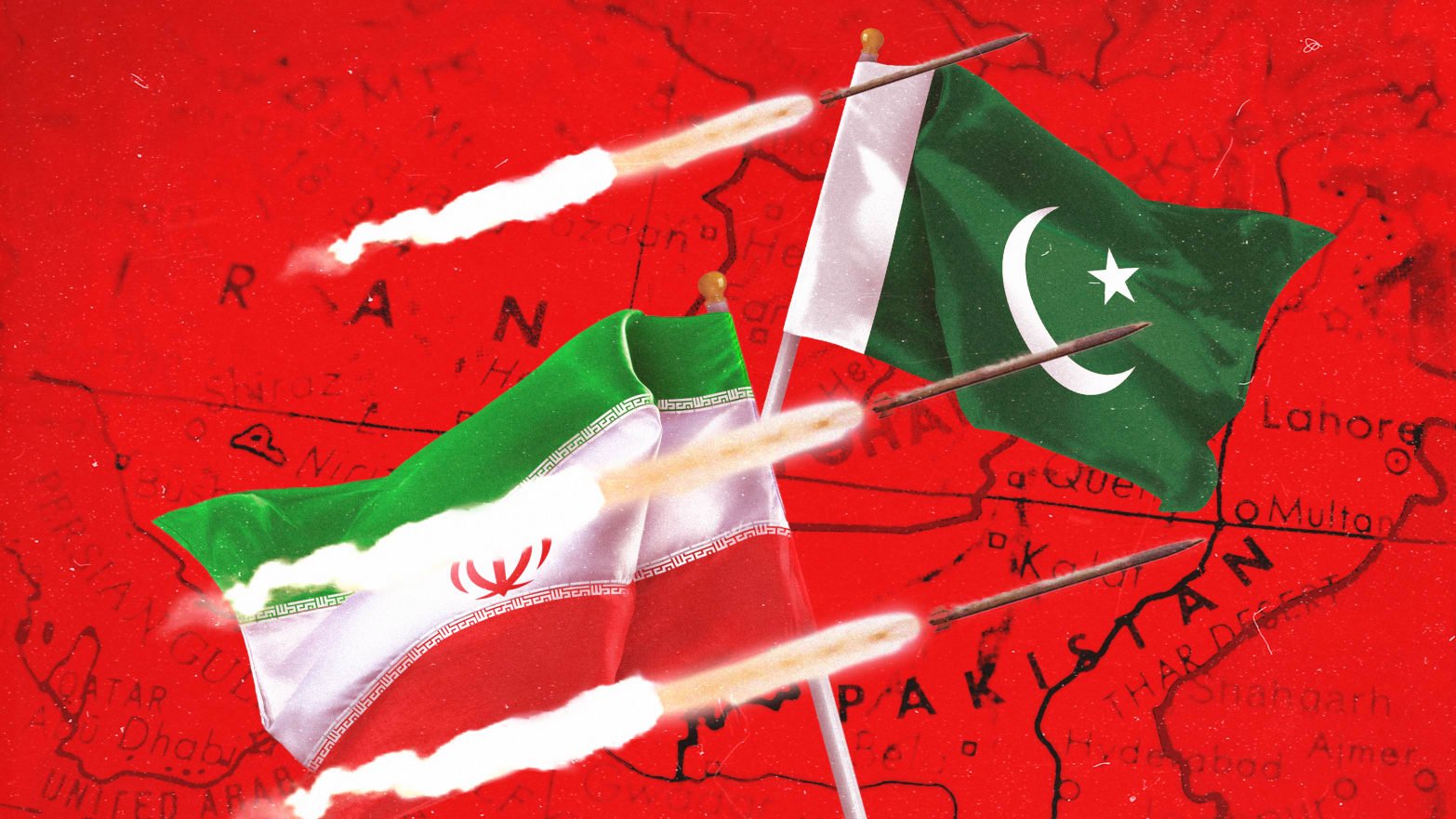
Silent Adjudicators Amidst the Iran-Pakistan Cross-Border Strikes
States are the primary actors in international relations, driven by self-interest and the pursuit of power. In this context, the Iran-Pakistan conflict can be understood as a struggle for influence and security along their shared border. The volatile region of Baluchistan province is being heightened by the recent airstrikes between Iran and Pakistan, posing concerns about potential escalation of tensions. The ongoing conflict is influenced by power dynamics and national interests, while China’s GSI is playing a stability role.