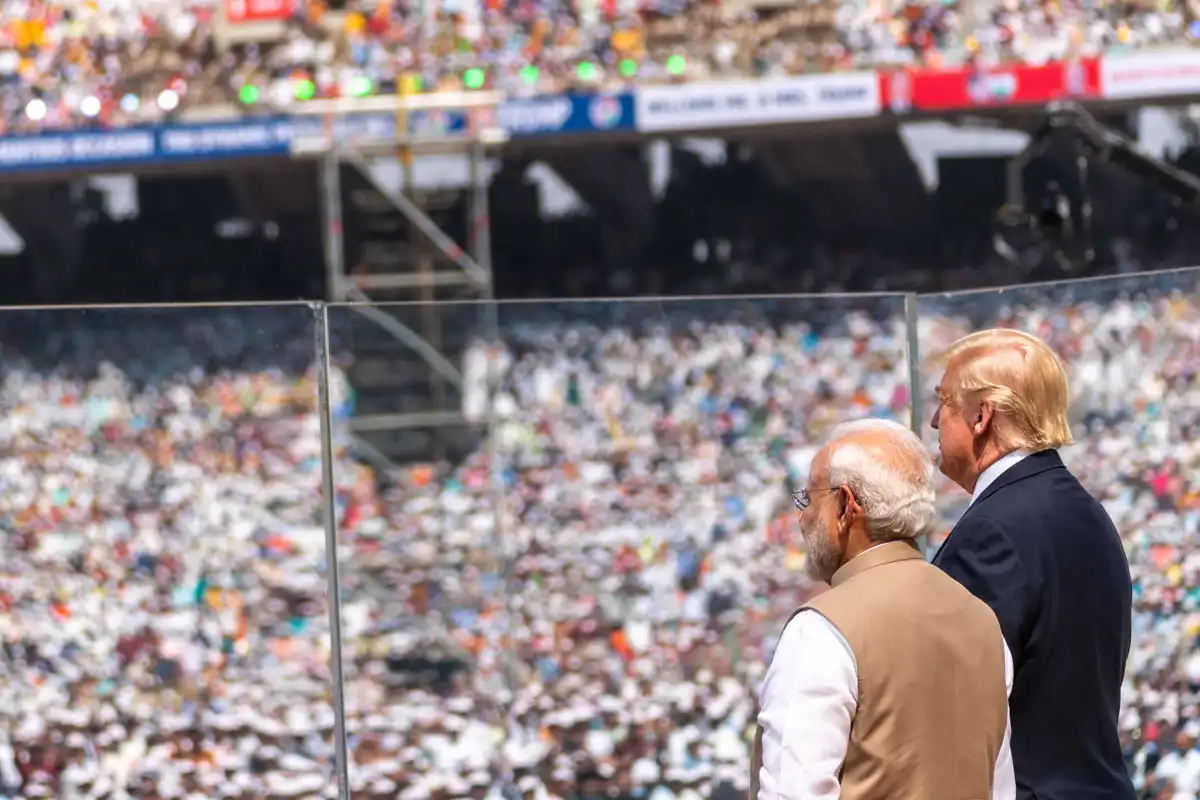
In early February 2026, Prime Minister Narendra Modi and U.S. President Donald Trump unveiled an interim framework for a trade agreement, marking an important milestone that goes beyond a simple commercial arrangement: it highlighted a developing economic partnership influenced by both geopolitical factors and market needs. This agreement, which decreases effective tariffs on Indian products entering the American market and enhances reciprocal access, was formulated amid previous trade conflicts and tariff disputes between the two nations.
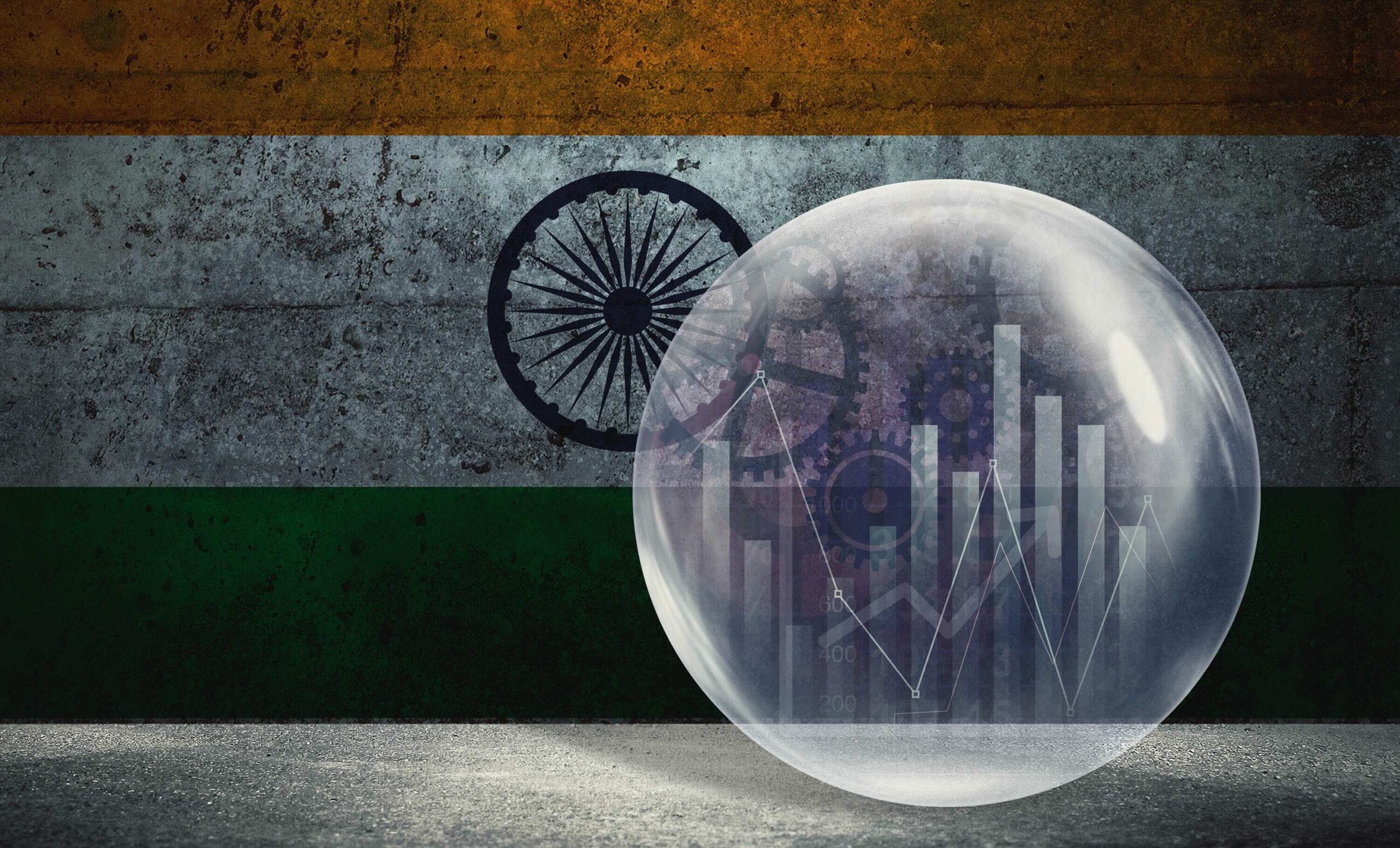
The agreement primarily lowers the US’s punitive tariffs on Indian goods, which had previously reached as high as 50 percent to an 18 percent rate on the majority of imports. This significant cut follows several months of economic pressure and negotiations, marking a strategic retreat from the earlier tariff increases that had impacted crucial sectors like textiles and apparel.
However, this goes beyond a mere commercial agreement. The trade relationship between Washington and New Delhi is closely linked to geopolitical considerations, particularly in terms of energy policy. India’s agreement to cut back or alter its Russian oil imports played a significant role in the final developments surrounding the agreement, highlighting how trade diplomacy frequently adapts to the demands of wider geopolitical strategies and alliance considerations.
The agreement includes important measures to update economic collaboration. In addition to tariffs, the negotiators have broadened their talks to include regulations on digital trade, supply chain cooperation, and harmonisation of regulations in domains where India and the United States aim to utilise their shared advantages while addressing the economic rivalry posed by other global powers.
However, as highlighted by reporting from Al Jazeera, critics within both countries are approaching these developments with doubt. In India, opposition figures and industry representatives have expressed worries that the agreement, although it creates new market prospects, might not adequately safeguard vulnerable local sectors or tackle longstanding structural imbalances. Additionally, this agreement comes at a moment when neighbouring competitors such as Bangladesh have achieved their own favourable trade agreements with the United States, in some instances gaining duty-free access for specific textile and apparel exports. This situation brings to light significant concerns regarding how India’s trade standing will compare against nimble rivals in the rapidly changing export landscape of South Asia.
On the ground, Indian policymakers and business leaders have eagerly described the agreement as advantageous for exporters and manufacturers. Senior government officials state that lower tariffs, easier market access, and stronger supply chain connections will enhance India’s competitiveness on a global scale, potentially doubling export prospects and drawing increased foreign investment.
Agriculture continues to be one of the most contentious areas in this negotiation. India successfully obtained protective measures for various essential agricultural products, ensuring that domestic farmers are shielded from sudden competition with subsidised imports from the U.S. However, the gradual opening of other agricultural markets shows an effort to reconcile market liberalisation with social and economic stability.
This agreement goes beyond simple bilateral politics and economic considerations, highlighting the larger landscape of modern global trade diplomacy. Countries such as India, classified as emerging and middle powers, are progressively establishing themselves as commercial entities, not merely as markets, but as strategic allies capable of steering technological and industrial partnerships according to their own interests. This is especially significant in areas such as digital services, advanced manufacturing, and aerospace collaboration.
As the agreement approaches its official ratification probably in coming months and its wider global effects are already being felt across markets and diplomatic avenues. For Washington, the pact strengthens an essential economic and strategic alliance in the Indo-Pacific, while for New Delhi, it emphasises its position as a vital trading centre and its intricate balancing act among conflicting global powers. In a global economic environment characterised by fragmentation and increasing protectionism, the India–U.S. trade agreement represents an adaptable effort in negotiation and strategic realignment. It illustrates that modern trade deals are no longer simply concerned with tariff schedules but are about influencing relationships, alliances, and economic order in a turbulent world.
All the views and opinions expressed are those of the author. Image Credit: The White House.
About the Author
Jaiee Ashtekar holds a bachelor’s degree and a master’s degree in political science from the University of Mumbai. She holds a post-graduate diploma in international relations from the University of Strathclyde, United Kingdom (UK). She has done projects titled “Kashmir through Political Perception” and “Water issues between India and Pakistan”.