This special newsletter/briefing delivers a rapid assessment of the 28th February, U.S.–Israel joint military operation and Iran’s response, highlighting key developments in the region. All casualty and damage assessments as preliminary pending independent corroboration.
Executive Summary
On 28 February 2026, the United States and Israel initiated coordinated large-scale strikes against targets in Iran, marking a significant escalation in the longstanding tensions over Iran’s nuclear programme, ballistic missile capabilities, and regional influence. The operation, designated “Operation Epic Fury” by the United States and “Operation Roaring Lion” by Israel, commenced in the early hours local time with explosions reported across multiple Iranian cities, including the capital Tehran.
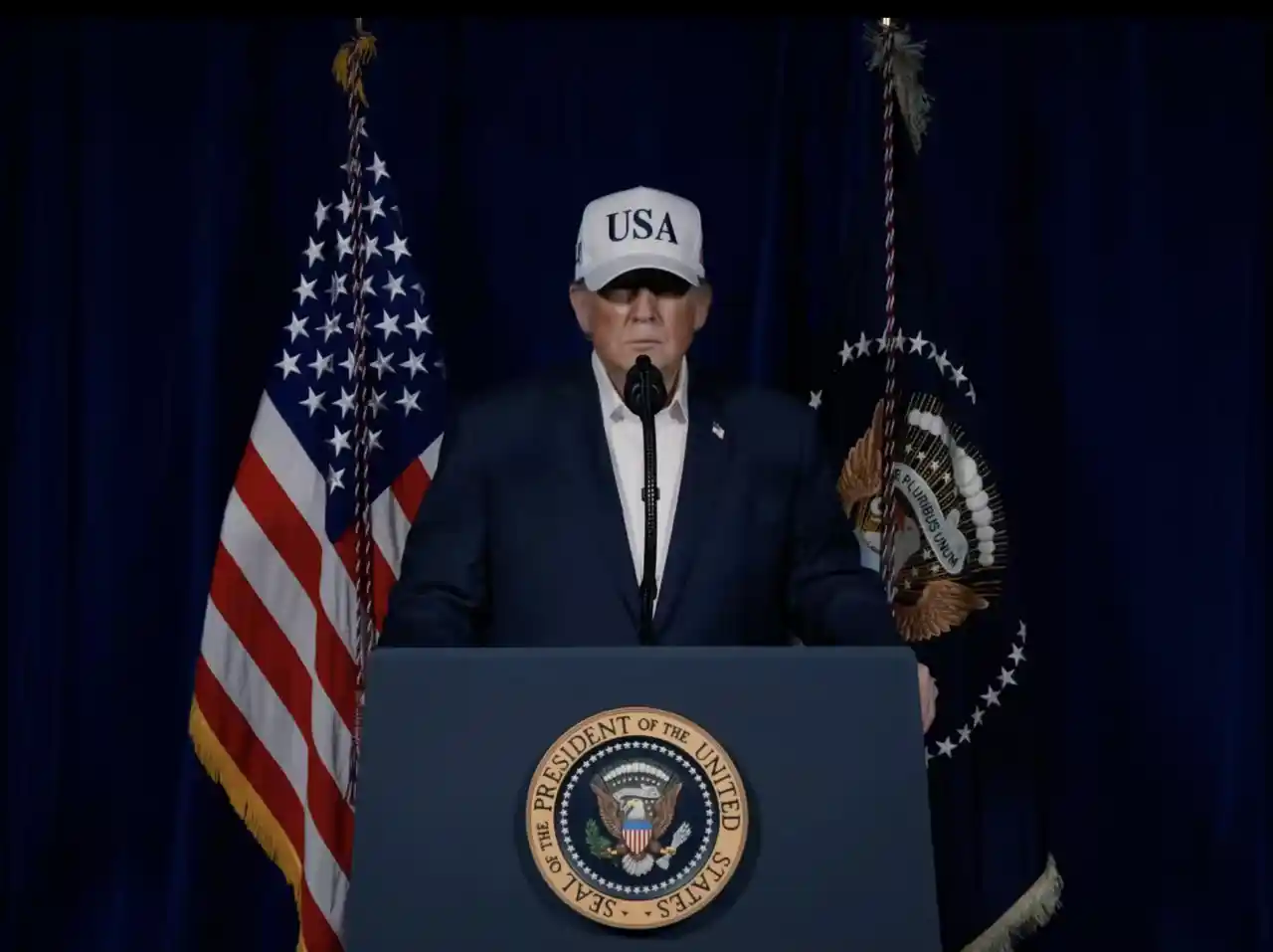
President Donald Trump publicly confirmed the launch of “major combat operations,” framing the action as necessary to neutralise imminent threats and create conditions for regime change. Iran has responded with missile and drone barrages targeting Israel and United States military installations across the Gulf region. The situation remains highly fluid, with regional airspace closures, flight suspensions, and heightened alerts in effect. Open-source reporting from multiple international outlets confirms the joint nature of the strikes and the scale of Iranian retaliation.
Chronology of Key Events
Early morning (local time): Explosions reported in Tehran and other Iranian locations. Israel announced missile strikes on Iranian targets. A senior US official confirmed the operation as a joint US-Israel endeavour.
Mid-morning: In a video released later that morning on 28 February 2026, President Trump announced that the United States had begun “major combat operations” against Iran and urged the Iranian people to seize the opportunity to take over their government once those operations were complete.
Throughout the Day (till later evening): Throughout 28 February 2026, Iran launched successive waves of ballistic missiles toward Israel and U.S.-linked military facilities in the Gulf in retaliation for joint U.S.–Israel strikes on Iranian territory. Air-defence systems in Israel and several Gulf states — including Qatar, Kuwait, the United Arab Emirates and Jordan — were activated to intercept incoming threats.
The ensuing escalation prompted widespread closures and disruptions of regional airspace, forcing airlines to cancel or reroute flights across several Middle Eastern countries.
Targets and Reported Damage
Strikes focused on military, nuclear-related, and leadership-associated sites. Reported strikes by U.S. and Israeli forces focused on Iranian military and regime-linked infrastructure in multiple cities, including Tehran, Isfahan, Qom, Karaj, Kermanshah, Tabriz, Ilam, Lorestan province and Bushehr. In Tehran, explosions were reported near areas housing intelligence, defence and Revolutionary Guard facilities. Officials described the operation as aimed at degrading Iran’s missile and military capabilities, but independent verification of specific nuclear-related or leadership office targets remains limited, and disruptions to communications have made detailed damage assessments difficult.
Iranian Retaliation and Regional Impact
Iran launched “Truthful Promise 4” retaliatory strikes, directing missiles and drones at:
- Israel (northern and central regions, including areas near Tel Aviv and Haifa; several interceptions reported).
- US military assets: Al Udeid Air Base (Qatar), Al Dhafra Air Base (UAE), US Fifth Fleet Headquarters (Bahrain), bases in Kuwait, Jordan, and Saudi Arabia.
Explosions and air-defence activity have been documented in Doha, Dubai, Abu Dhabi, Riyadh, Amman, and Kuwait City. Qatar, the UAE, Jordan, and Saudi Arabia reported successful interceptions, with limited damage and a small number of civilian casualties from debris. Airspace closures and flight suspensions are in place across the Gulf, Iraq, Syria, and Israel. The Houthis have announced their intent to resume Red Sea operations.
Casualties and Humanitarian Situation
Casualty figures are provisional and contested:
Iran: State media reports an Israeli strike on an elementary girls’ school in Minab (Hormozgan province) killed over 50 civilians, primarily schoolchildren. Additional military and civilian deaths reported in Tehran and other cities; exact totals unconfirmed. Supermarkets in Tehran have experienced panic buying, and hospitals are on high alert. The International Committee of the Red Cross has called for strict adherence to international humanitarian law.
Regional: One civilian fatality (Pakistani national) in the UAE from debris; four killed in southern Syria; minor injuries in Kuwait and elsewhere.
Israel: Limited civilian injuries from missile fragments.
Leadership Statements
United States (President Trump): Described the operation as defensive, aimed at eliminating nuclear and missile threats. Offered amnesty to IRGC personnel who lay down arms and explicitly called on Iranians to “take over your government.”
Israel: Prime Minister Netanyahu characterised the strikes as necessary to remove what he described as an “existential threat” posed by Iran’s military and strategic capabilities. Israeli officials framed the operation as a targeted effort to degrade Iran’s missile and security infrastructure, while signalling readiness to continue military action depending on developments on the ground.
Iran: Foreign Minister Abbas Araghchi stated that Supreme Leader Ayatollah Ali Khamenei and President Masoud Pezeshkian remain alive “as far as I know.” Iranian officials vowed a “crushing” response and accused the US and Israel of undermining ongoing nuclear negotiations.
International Reactions
The United Nations Security Council has convened an emergency session at the request of Bahrain and France. Condemnations have come from Russia, China, Pakistan, and several EU members, who urge immediate de-escalation and return to diplomacy.
The United Kingdom, Australia and Canada emphasised Iran’s nuclear and regional activities as sources of instability, while calling for restraint and a return to diplomacy. Australia and Canada expressed understanding of efforts to constrain Iran’s military capabilities. Ukraine voiced political support for action countering Iran’s military role in the region.
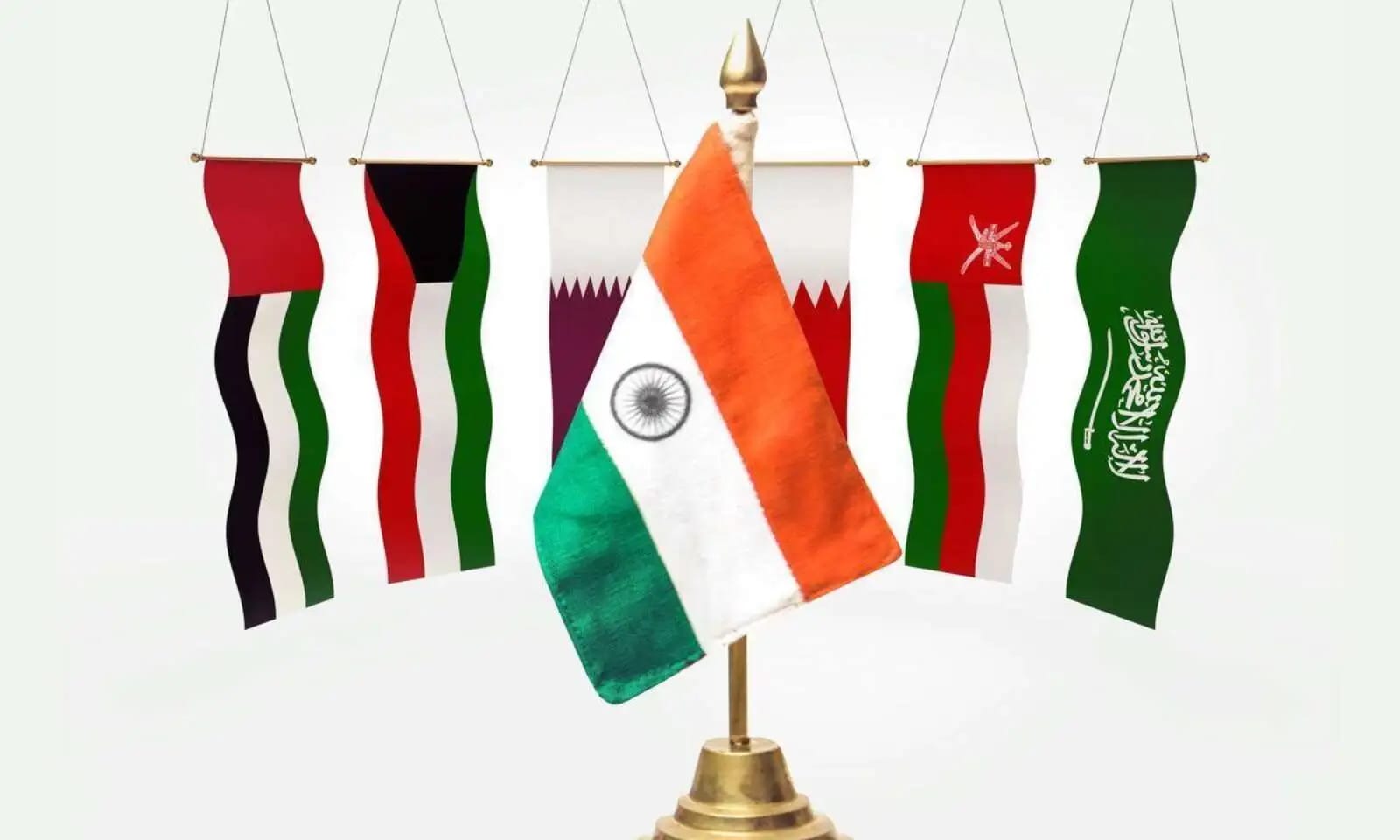
Gulf states (such as Saudi Arabia, UAE and Qatar) have condemned Iranian attacks on their territory while expressing concern over broader instability. Oil markets are volatile, with expectations of short-term price spikes.
India has expressed deep concern over the escalation following U.S.–Israel strikes on Iran and subsequent regional violence, urging all parties to exercise restraint, avoid further escalation, and prioritise the safety of civilians while stressing that the sovereignty and territorial integrity of all states must be respected.
The Ministry of External Affairs emphasised that dialogue and diplomacy should be pursued to ease tensions and noted that Indian missions are in touch with nationals in the region and have issued advisories for them to stay vigilant and follow local security guidance. India has also advised its citizens, including in Iran and Israel, to exercise utmost caution, restrict unnecessary movement, and remain aware of emergency procedures as the situation unfolds.
Ending Note
The operation is ongoing and likely to extend over multiple days. Israeli air strikes continue, and Iranian retaliation waves persist. A near-total communications blackout in Iran and widespread airspace restrictions complicate real-time assessment. The risk of further regional spillover, including potential disruption to the Strait of Hormuz, remains elevated.
Image Credit: Executive Office of the President of the United States
4 thoughts on “Escalation in West Asia: U.S.-Israel Joint Offensive and Iran’s Retaliation”