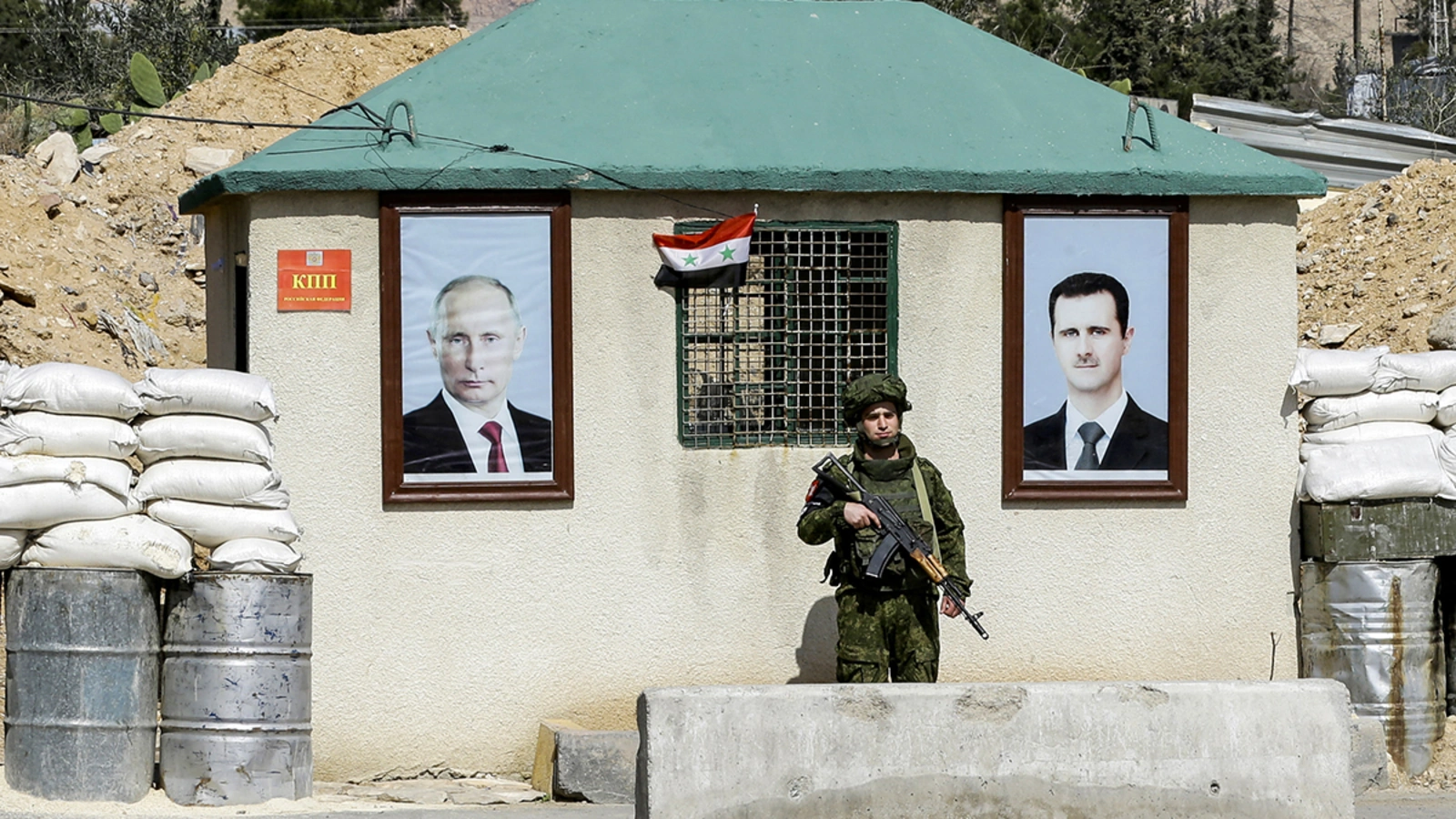
Iraq, Libya, Afghanistan, Bangladesh and now Syria, the list of nations now in chaos after the fall of its governments is growing. There is a common pattern to the beginning of political storms in all these nations, which is the external interference in their domestic affairs by the United States. This model of toppling governments and replacing it with friendly options have failed everywhere. But the US is not reluctant to meddle with the affairs of other nations and especially when it comes to Asia, where they have geopolitical interests.
Category: Middle East and North Africa
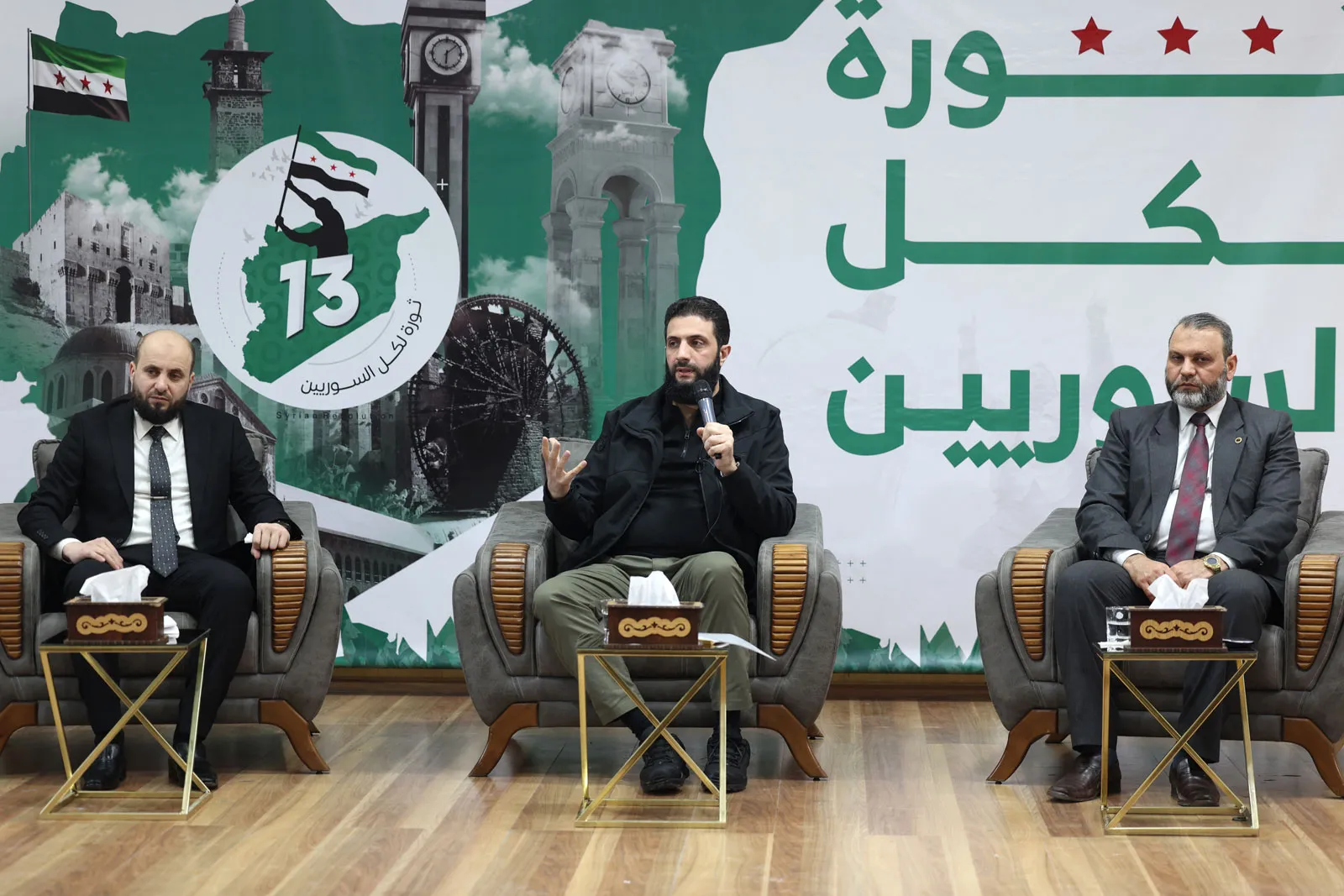
Hayat Tahrir al-Sham’s Takeover of Syria is Another Chapter in Islamist Revival
Last week, Hayat Tahrir al-Sham, one of the better-known rebel groups by another name – the Commission for the Liberation of the Levant, took over Damascus. They took Aleppo again and captured the mighty 46th Regiment of the Syrian Army. Second, HTS seized Hamam, the country’s second-largest city, thereby securing its largest territorial gains to date. The victory has wide-ranging implications on the world level, despite HTS’ attempts at rebranding itself as a “post-jihadist” entity committed to the fight against transnational Islam.
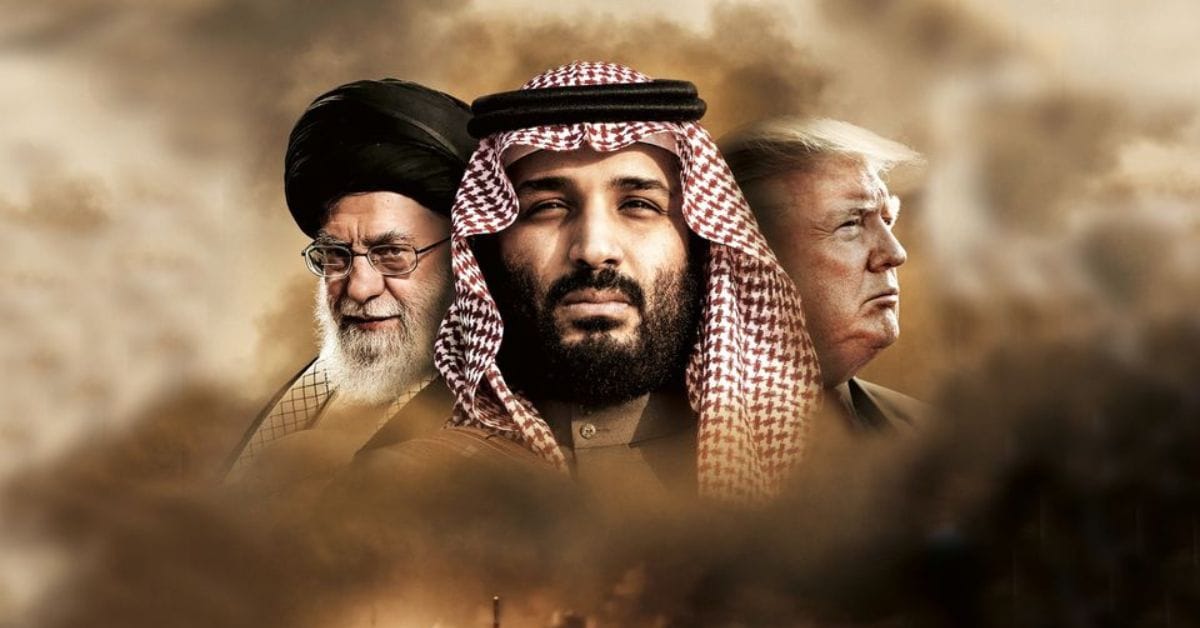
Trump’s 2.0: Testing Period for Saudi-Iran Rapprochement
The shifting geopolitical landscape in West Asia has become particularly evident after the Saudi Arabia-Iran rapprochement. Despite the prevailing instability in the region exacerbated by the Gaza crisis, the détente between these arch-rivals has opened diplomatic channels to bolster cooperation. Amid rising pragmatism in the Gulf, Donald Trump’s victory in the presidential elections has brought United States policy in the region into the spotlight.
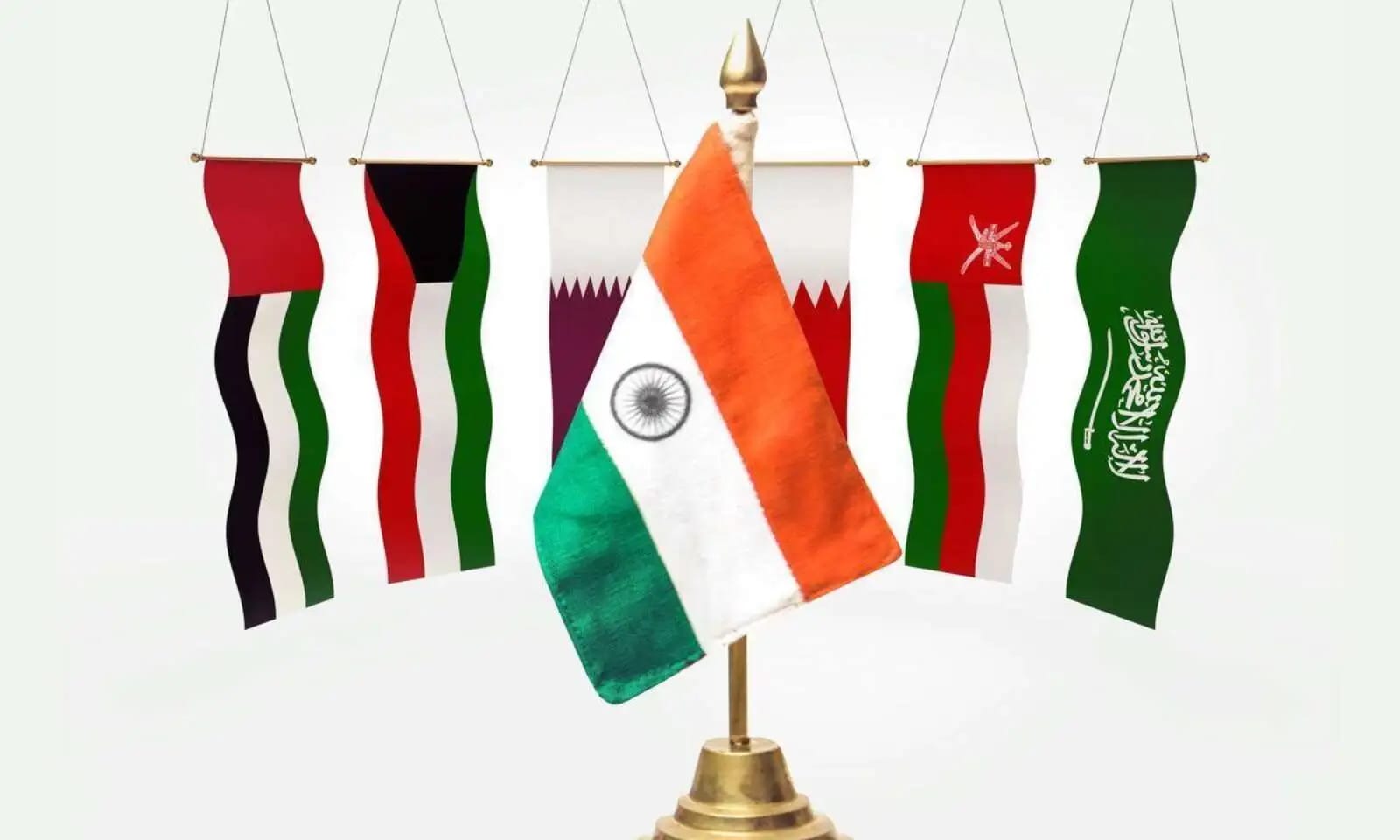
India-GCC Relations: A Comprehensive Partnership
India’s relationship with the Gulf Cooperation Council (GCC) is a pivotal aspect of its foreign policy, driven by a blend of historical ties, economic interdependence, energy needs, and cultural connections. The region’s significance for India is underpinned by its strategic location, shared interests in regional stability, and the presence of a large Indian diaspora. With 8.9 million Indians residing in GCC countries—constituting 66% of India’s global diaspora—and bilateral trade reaching $161.59 billion in FY 2023-24, the GCC represents India’s largest regional trading partner.
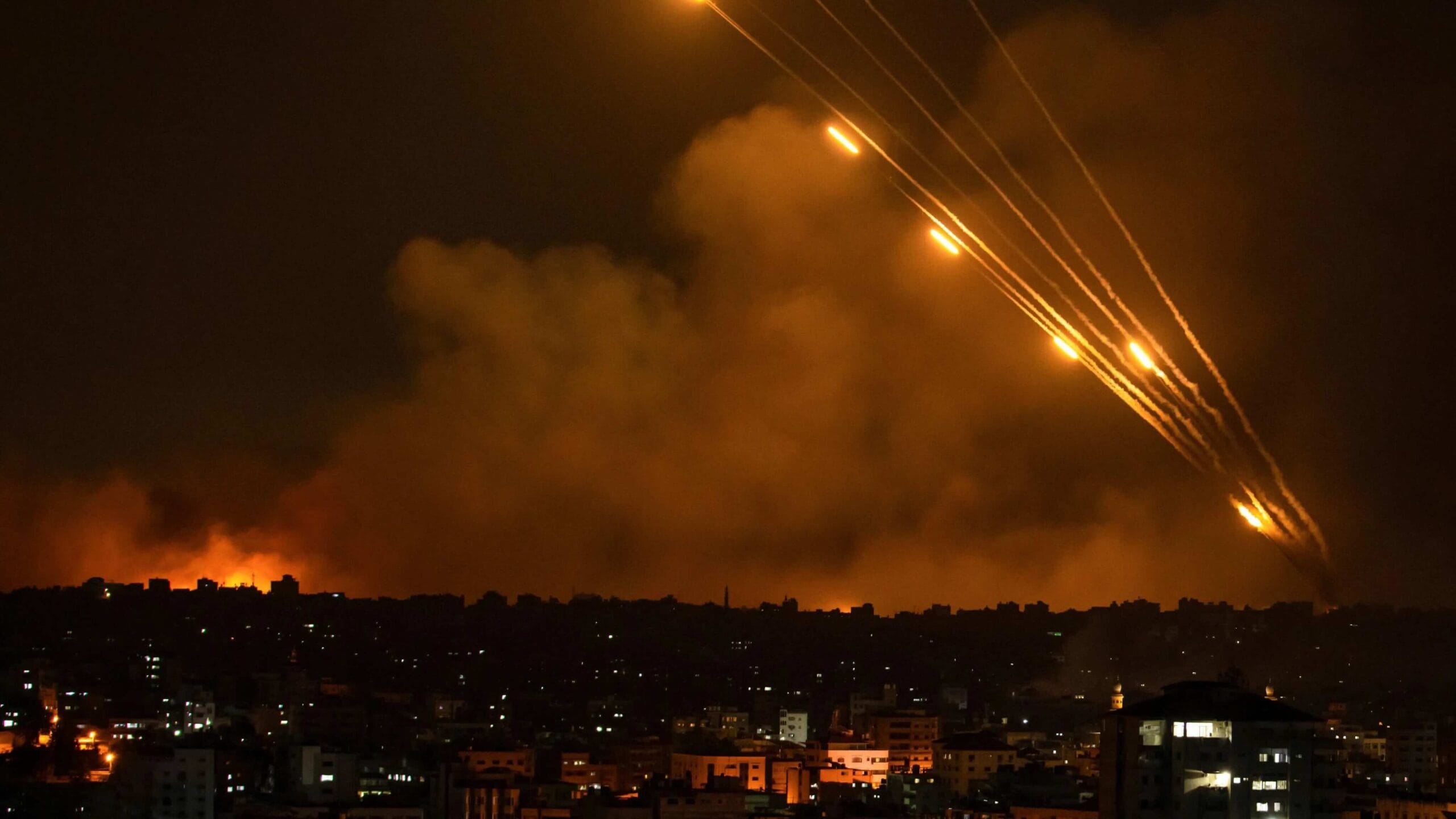
Israel-Hamas War: A Year of Bloodshed and Stalemate
The Israeli-Palestinian conflict has a long history and is a complicated topic. Hundreds of thousands of Palestinians were displaced when the State of Israel was established in 1948. Since then, the region has been defined by decades of violence, including revolutions and wars. The Palestinian Islamist group Hamas first appeared in the 1980s and took over the Gaza Strip in 2007. The organisation has played a significant role in the war, frequently confronting Israel with weapons.
Mossad’s Strategic Gambles in the Middle East
Two years after the US struck the Al-Qaeda chief in Afghanistan, Israel has allegedly carried out an offensive covert operation in Iran, killing its most wanted Hamas chief, Ismail Haniyeh, in a mysterious, sophisticated bomb blast, one of the critical successes in the global terror landscape after the US. However, Intelligence work in complicated situations has always led to playing a zero-sum game where conflict can go in two ways: either all hell breaks loose, or it can be strategically controlled and minimise escalation.
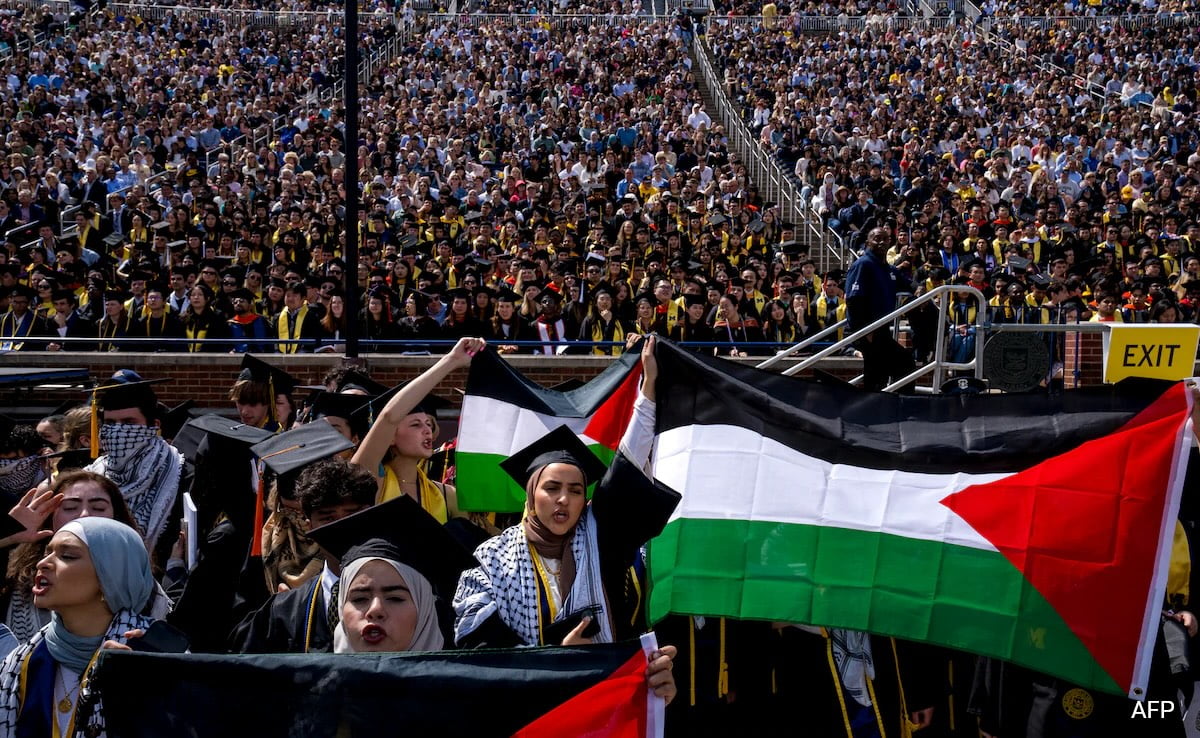
How Far Have University Student Protests Influenced Solidarity with Gaza?
Student protests in solidarity with Palestine have surged at universities worldwide following the escalation of the Israel-Hamas conflict in Gaza. Protesters are demanding that their institutions sever ties with Israel and divest from companies supporting the conflict. The protests, largely organised by coalitions of student groups, have spread across the United States, Canada, Europe, and even Australia. Students have set up encampments on campuses to pressure universities into taking action. Protesters argue that universities should not maintain relationships with entities linked to the Israeli-Palestinian dispute and that such ties are inappropriate.
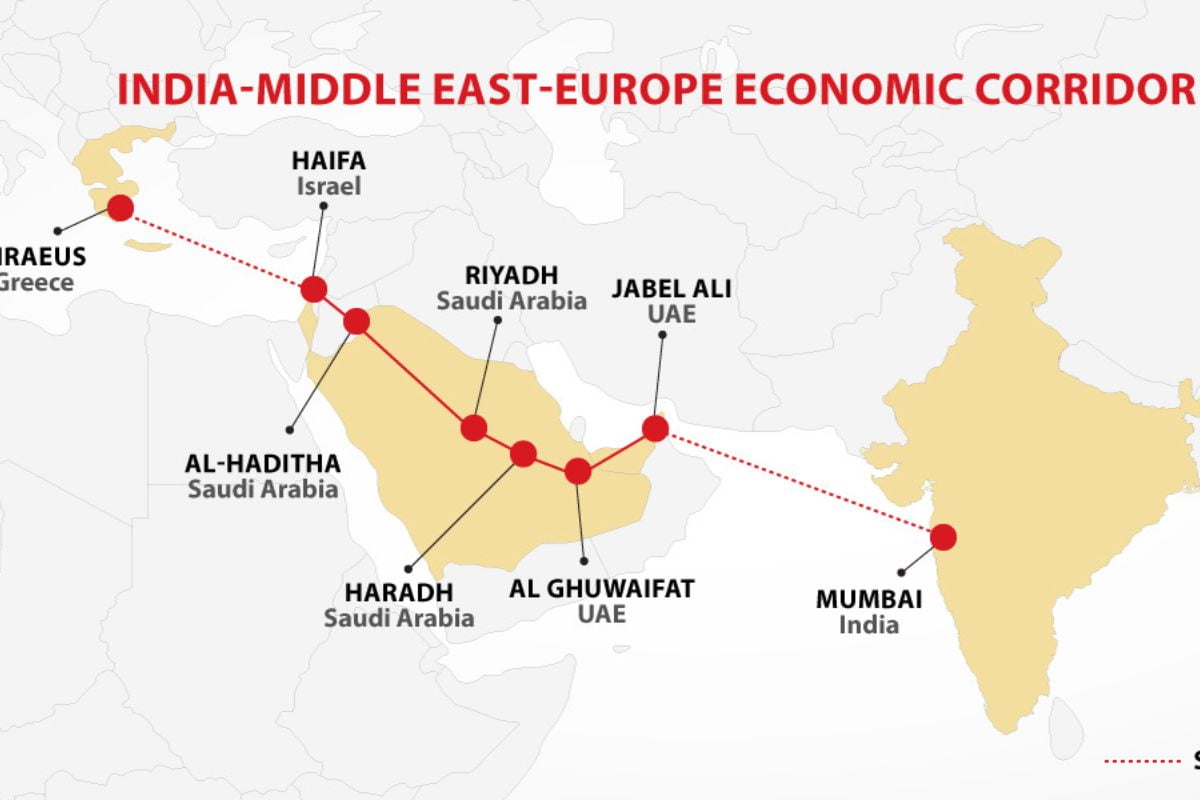
Integrating Oman and Egypt into the India-Middle East-Europe Economic Corridor
As the Israel-Palestine conflict persists, the India-Middle East-Europe Economic Corridor (IMEC), announced in the backdrop of the G20 summit held in Delhi in September, 2023, remains a non-starter. The resolution of the Israel-Palestine conflict is nowhere in sight. As opposed to delaying the implementation of IMEC until the crisis is resolved, the participating nations could look at additional routes that would connect India to Europe bypassing Israel. One such route can connect India to Europe via Oman, Saudi Arabia and Egypt, while the rest of the Gulf Cooperation Council countries can be connected to the corridor via branch routes.
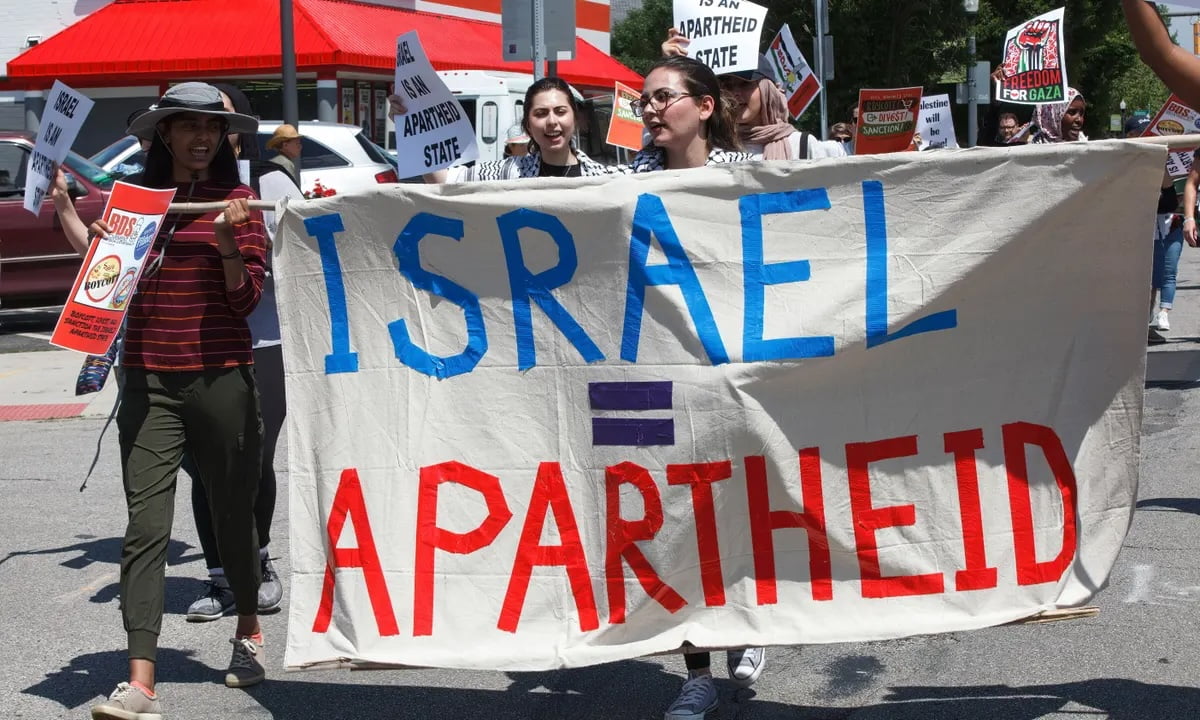
Examining Allegations of Apartheid in the Israel-Palestine Conflict
I noticed that many people who refer to Israel as an apartheid state use the term to describe all of Palestine, including the State of Israel, the West Bank, and Gaza, instead of addressing each part separately. I believe that focusing on each part individually is the best strategy, as the West Bank and Gaza have their own respective authorities and government institutions. It would be unfair to lump them together with Israel. When we consider Israel, there are no signs or indications of apartheid aside from the inflammatory language used by some Knesset members. All citizens, whether Arab or Jewish, are free to do as they please. Similarly, in Gaza, in the absence of any Israelis, it is impossible to speak about apartheid.

Role of Information Warfare in Israel-Hamas War
The Israel-Hamas war serves as a poignant example of how information warfare has become critical component of contemporary conflicts. In context of Israel-Hamas, IW has emerged as a pivotal tool for both sides to influence public opinion and shape international perceptions