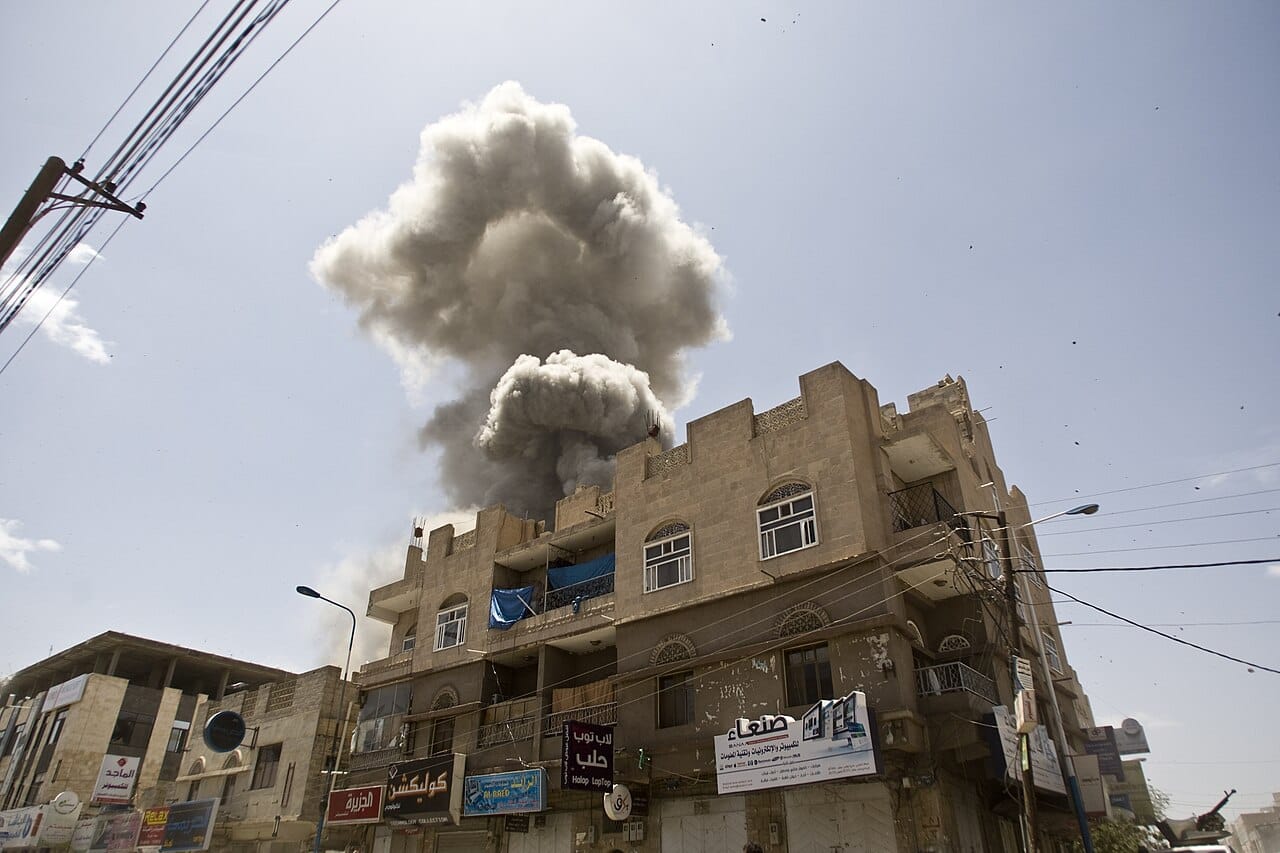
The Yemen crisis is again showing the world that wars do not end just because the fighting stops. They end when the political deals that caused them are fixed, or when those deals completely fail. In late 2025 and early 2026, Saudi airstrikes, land gains by the United Arab Emirates-backed Southern Transitional Council (STC), and worse Saudi-UAE ties have brought back some of the biggest problems in Yemen’s war. This is happening at a time when global shipping routes, energy markets, and regional security are already weak. Yemen is again a local war with worldwide effects.
Category: Middle East and North Africa
Economic Collapse and Political Revolt: Iran on the Edge
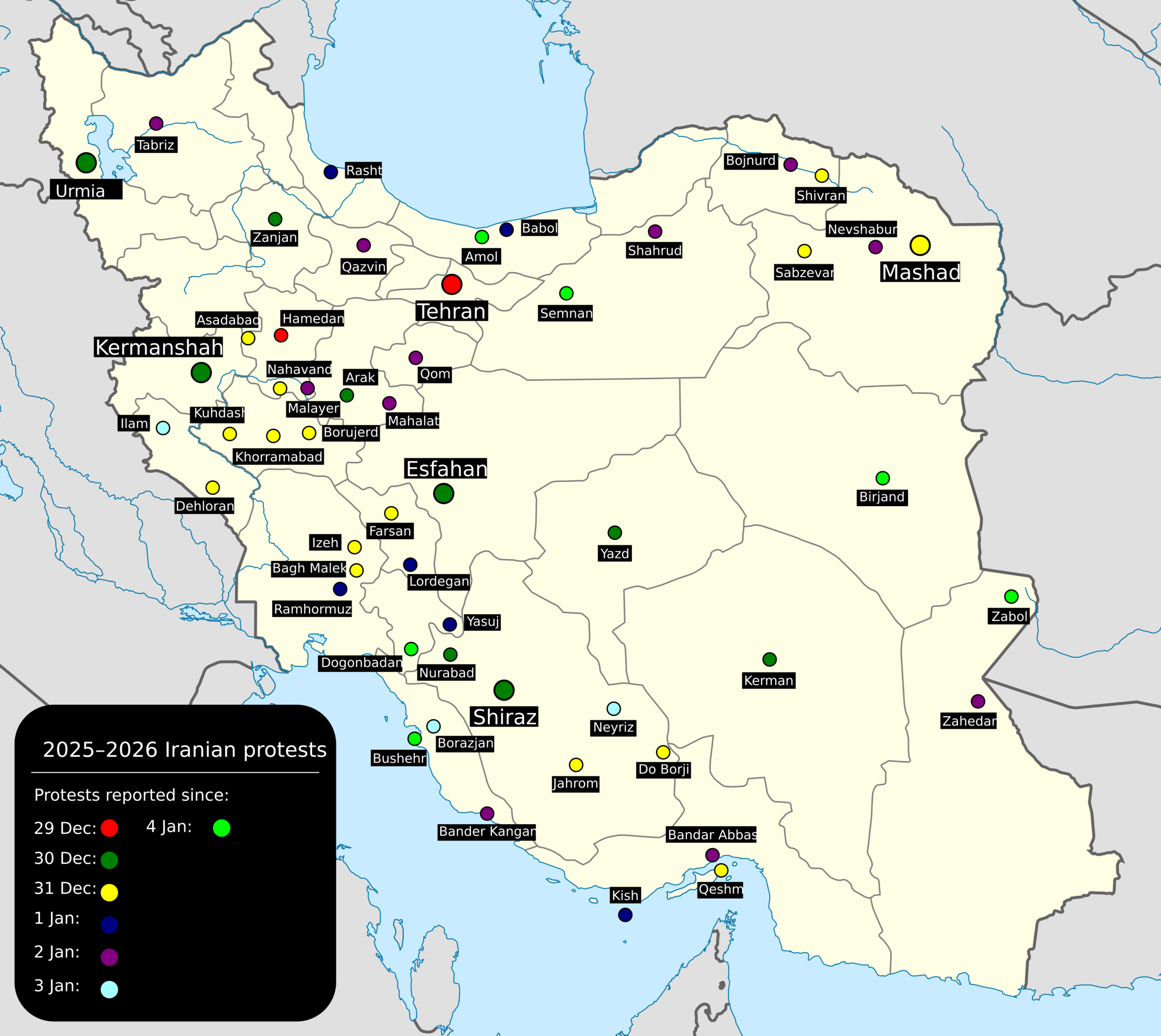
Since the last week of December 2025, Iran has seen its largest uprising in years. The immediate cause was the collapse of the national currency, the rial. Shopkeepers in Tehran’s Grand Bazaar shut their stores in protest, sparking a nationwide demand for political change. What started as an economic complaint quickly escalated into a direct challenge to the theocracy. The unrest spread to at least 78 cities and over 200 locations by early January 2026. This movement, met with harsh repression, has tested the regime’s stability.
Yemen is No Longer About the Houthis
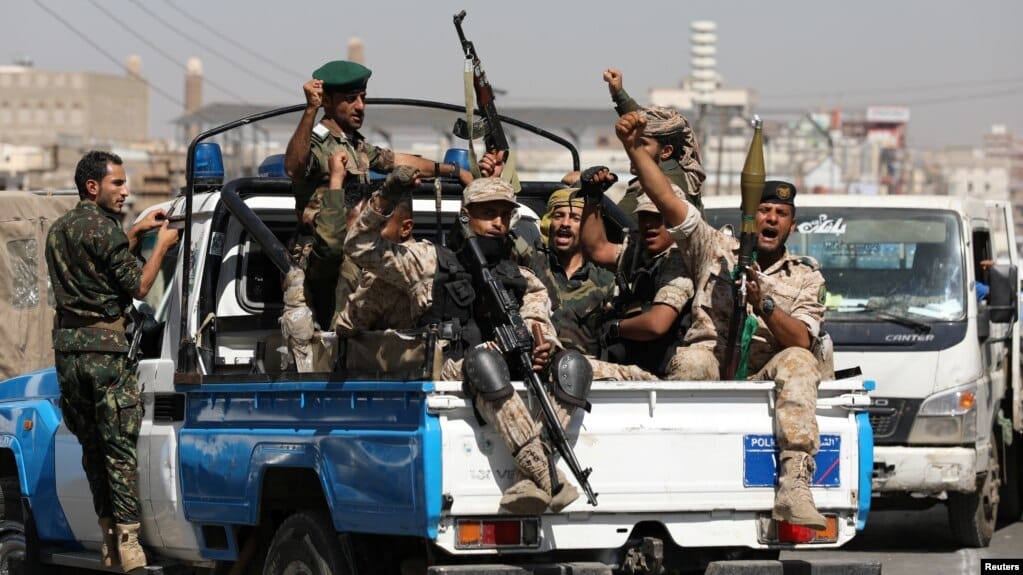
The Yemen war, which has lasted for over a decade, has shifted from a coalition effort against the Houthis to a conflict highlighting a growing divide between Saudi Arabia and the United Arab Emirates (UAE). What started as a coordinated effort has turned into a struggle for influence, territory, and strategic gain, with Yemen as the primary battleground.
Israel-Hamas Conflict is Deadliest for Modern Journalism
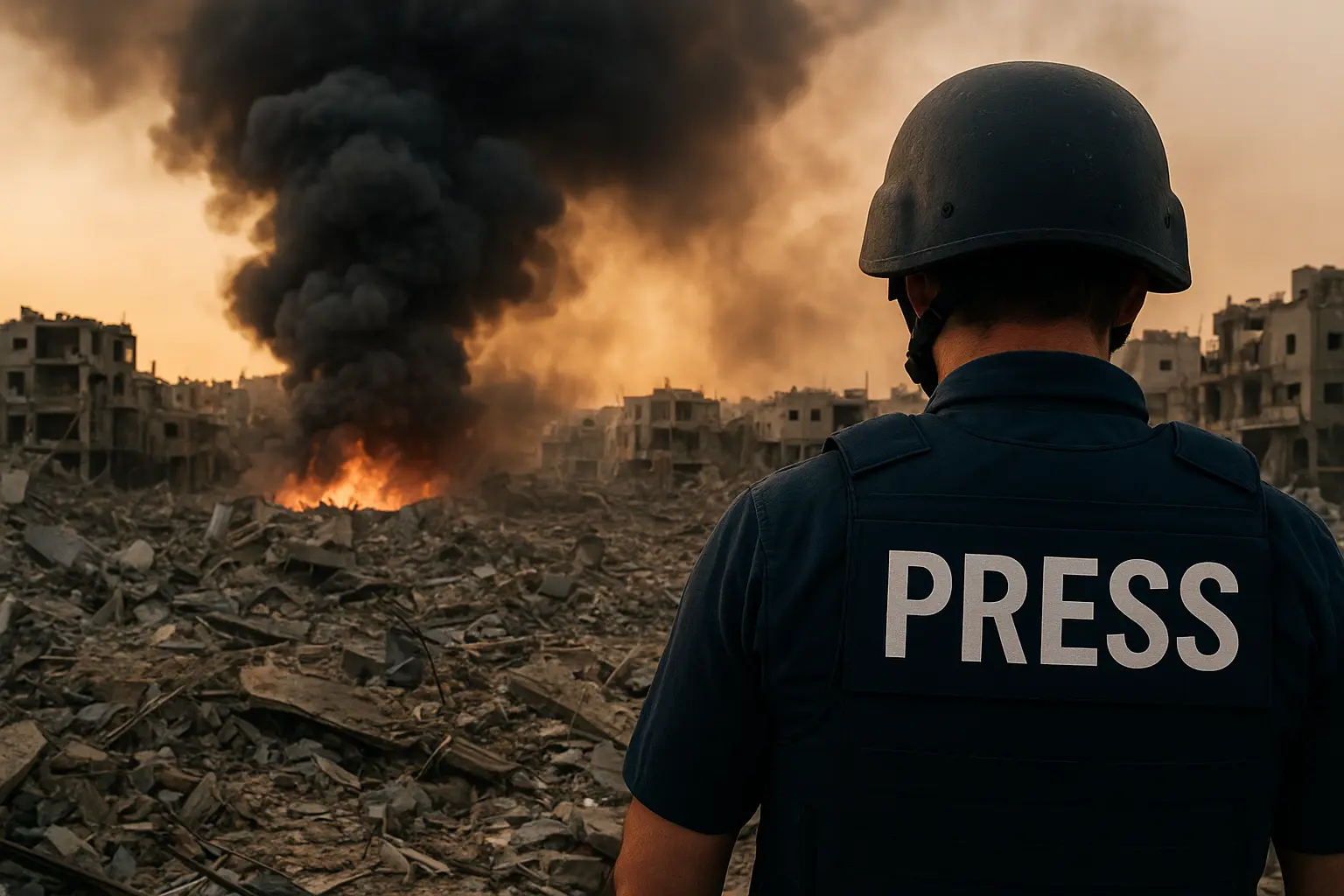
Israel–Hamas war has made a historic impact on media. Following recent events like the assault that killed four Al Jazeera staff in Gaza on 10th August 2025, this article examines why Gaza has become the most hazardous mission in modern journalism, how both Palestinian and Israeli governments restrict reporting, and what institutional safeguard is absent. It further addresses how accusations regarding journalists’ loyalties become increasingly politicised and how reporting by Al Jazeera has become controversial.

The Vital Role of Cultural Diplomacy in International Relations
Apart from the traditional notion of hard power that involves quantifiable military and economic might, soft power as a facet of power has found political resonance in the realm of international relations in recent decades. Pioneered by Harvard scholar Joseph Nye, soft power is a non-coercive facet of power that has become increasingly important in maintaining hegemony in the world. Soft power entails the art of subtly influencing outcomes by shaping the preferences of other countries and actors outside your own country via the tactics of attraction, appeal, and persuasion.
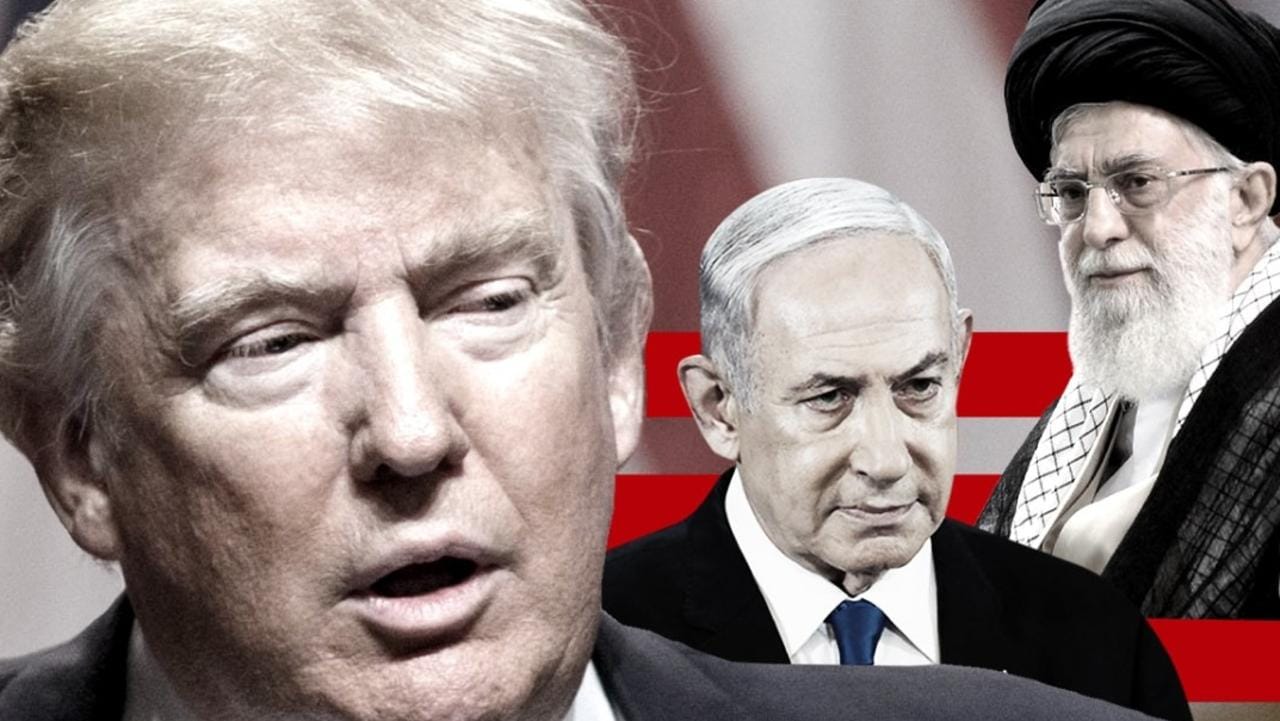
Trump’s Middle East Gamble
Since President Donald Trump’s inauguration for his second term in January 2025, the geopolitical landscape in the Middle East has undergone profound changes. The administration’s renewed assertiveness has reignited longstanding disputes and strategic rivalries, most notably among Iran, Israel, and the United States. This article provides a comprehensive, practical analysis of these developments—detailing U.S. military engagements, Iran’s nuclear ambitions, Israel’s strategic recalculations, and the broader regional and international ramifications.
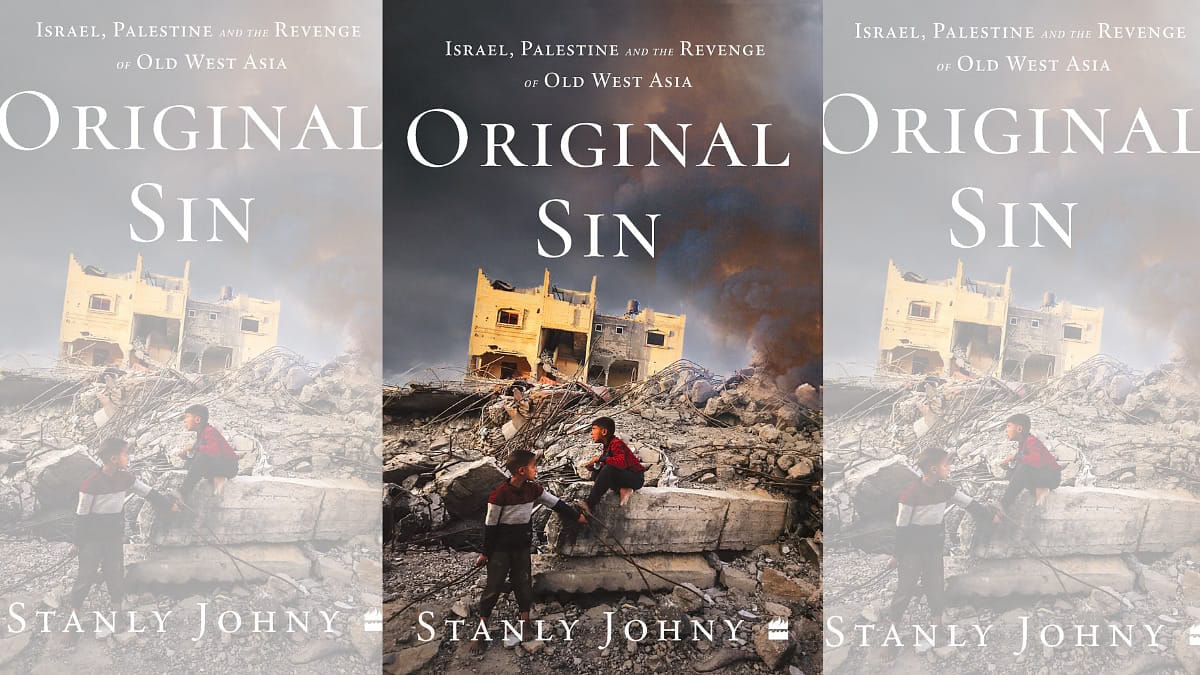
Original Sin: Israel, Palestine and the Revenge of Old West Asia
West Asia is crucial for its geostrategic location, energy security and homes for the oldest religions. Despite its importance, wars and conflict have been contentious affairs in the region. The conflict between Israel and Palestine for their homeland has been the centre of the regional countries’ domestic and foreign politics. Every event has stories of two sides: the one Western media, governments, and diplomats tell or write about, and the second one is what really happened during the events. The first sets the narrative according to their requirements, and the second one will bring people closer to the truth, where they are free to perceive or understand the events according to their observation.
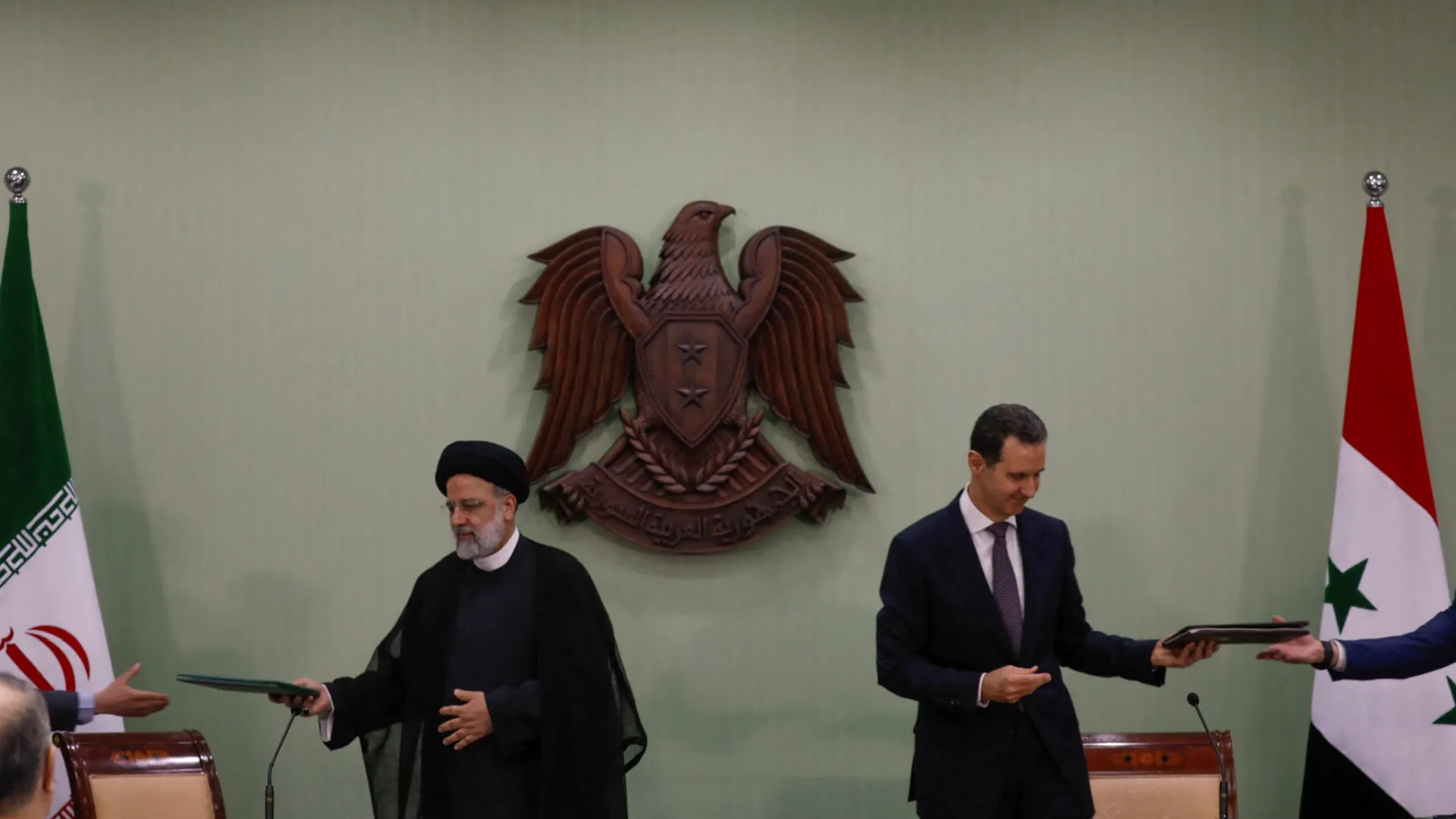
Iran in Syria: A Strategic Setback, Not a Defeat
The blitzkrieg campaign by the Syrian rebel coalition headed by the Hayat Tahrir Al-Sham (HTS) leader Abu Mohammed al-Jolani ended the five-decade rule of the Assad family in Syria. President Bashar al-Assad was removed from power after an arduous and long decade of protest by the rebel groups. Amidst the dramatic shift, the future stakes of Iran in Syria have come into the spotlight. Being a prominent ally of Assad, Iran has faced strategic setback in a country crucial to enhancing its strategic depth. Nevertheless, it is too early to determine the aspect of strategic defeat as Tehran has the vitality to recalibrate its policy.
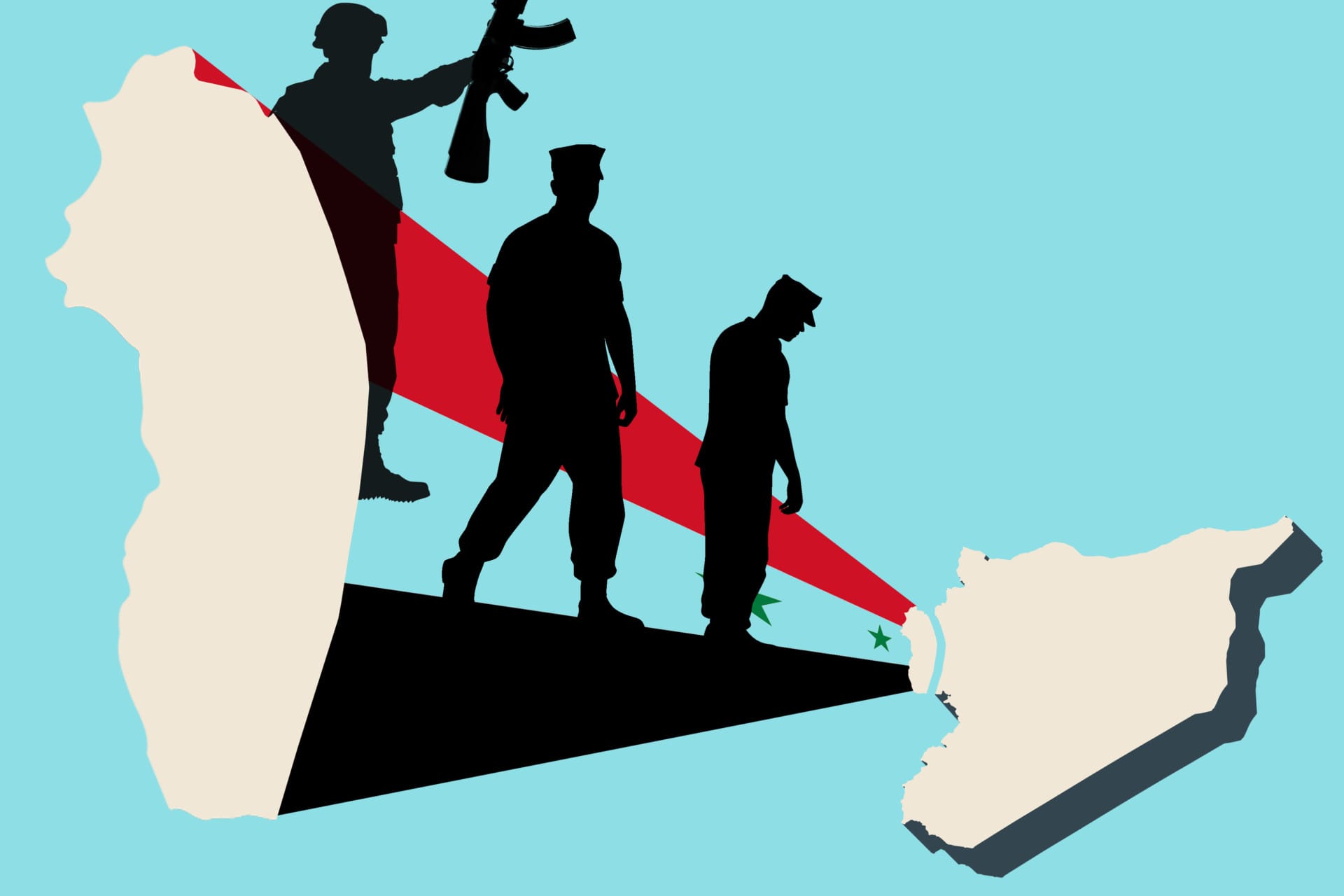
The Impact of Water Scarcity, Climate Change and Conflict in Syria
This article critically examines the nexus between water scarcity, climate change, and conflict in Syria, drawing from key academic and policy sources. The analysis highlights the multifaceted drivers of the Syrian crisis, including long-standing political, economic, and environmental challenges. Specifically, it explores how climatic stressors exacerbated by global warming have contributed to instability and conflict in the region while discussing policy interventions aimed at mitigating the adverse impacts of water insecurity. The Syrian conflict, which began in 2012, has been influenced by a complex array of factors including political repression, economic disruption, and social grievances.
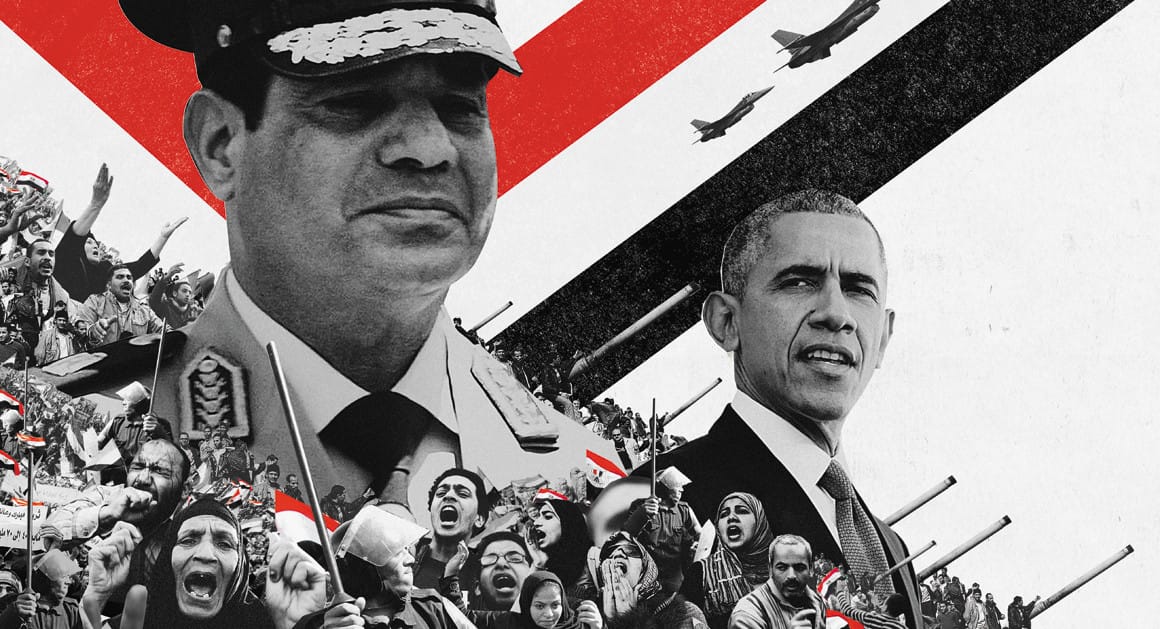
Fall of Dictators and Unfinished Revolutions in the Middle East
The Middle East in 2011 witnessed a wave of revolutions that was called the Arab Spring, through which people rose in revolt against decades-old dictatorships and oppressive regimes. For the first time, social media played a greater role in mobilising people and raising their voices over the world. Among the Middle East, one country receiving great traction to the movement was Libya. Colonel Muammar Gaddafi has ruled the nation for 42 years. Although the regime was infamous for human rights violations, suppressed dissent and censorship, the country remained politically stable and economically in good flowing condition.