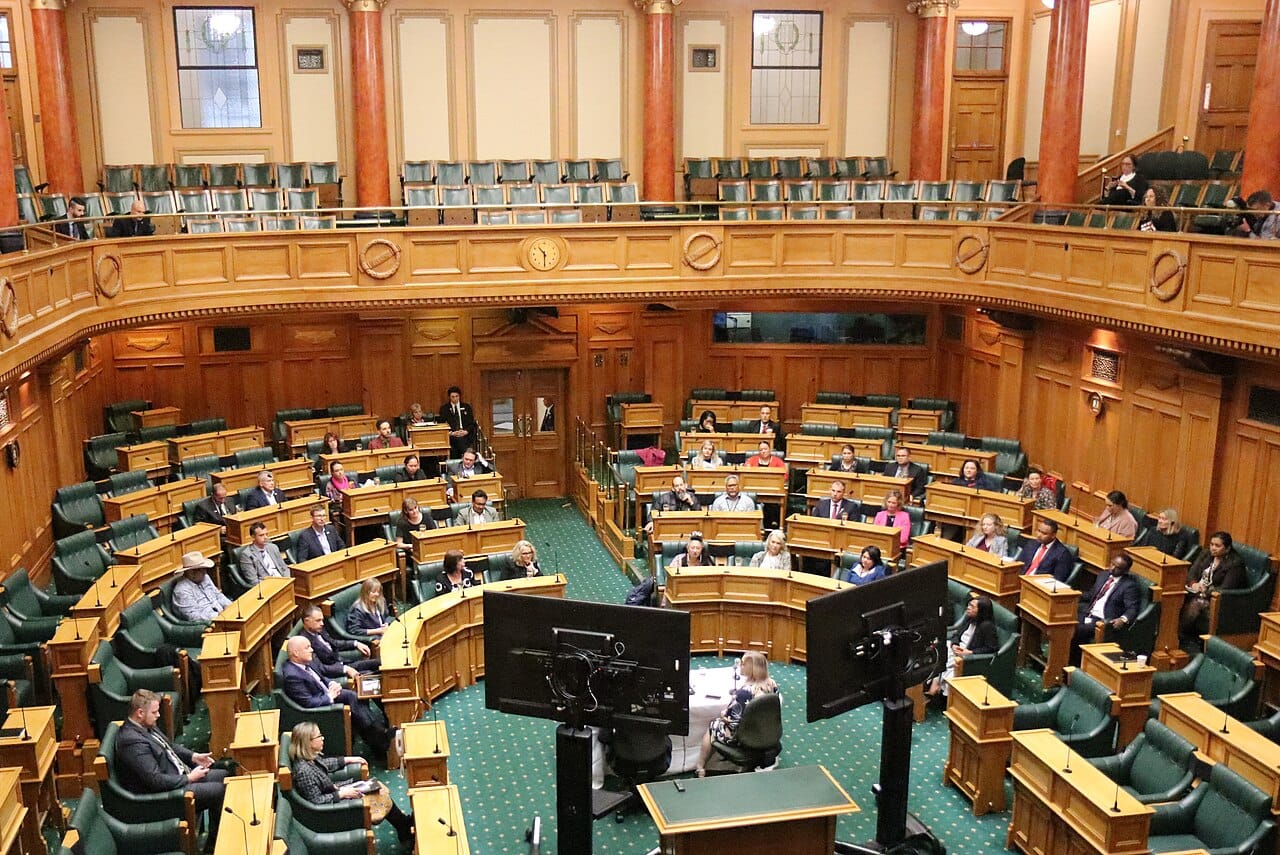
On 1 March 2026, Prime Minister Christopher Luxon and Foreign Minister Winston Peters issued a joint statement addressing the American and Israeli strikes on Iran. Their response was carefully calibrated. They neither endorsed the attacks nor openly opposed them. Instead, they noted that New Zealand recognised the operations as intended to prevent Iran from continuing to pose a threat to international peace and security. The phrasing felt notably restrained, almost to the point of detachment.
Category: Iran War 2026
How Britain became a Belligerent without Declaring it
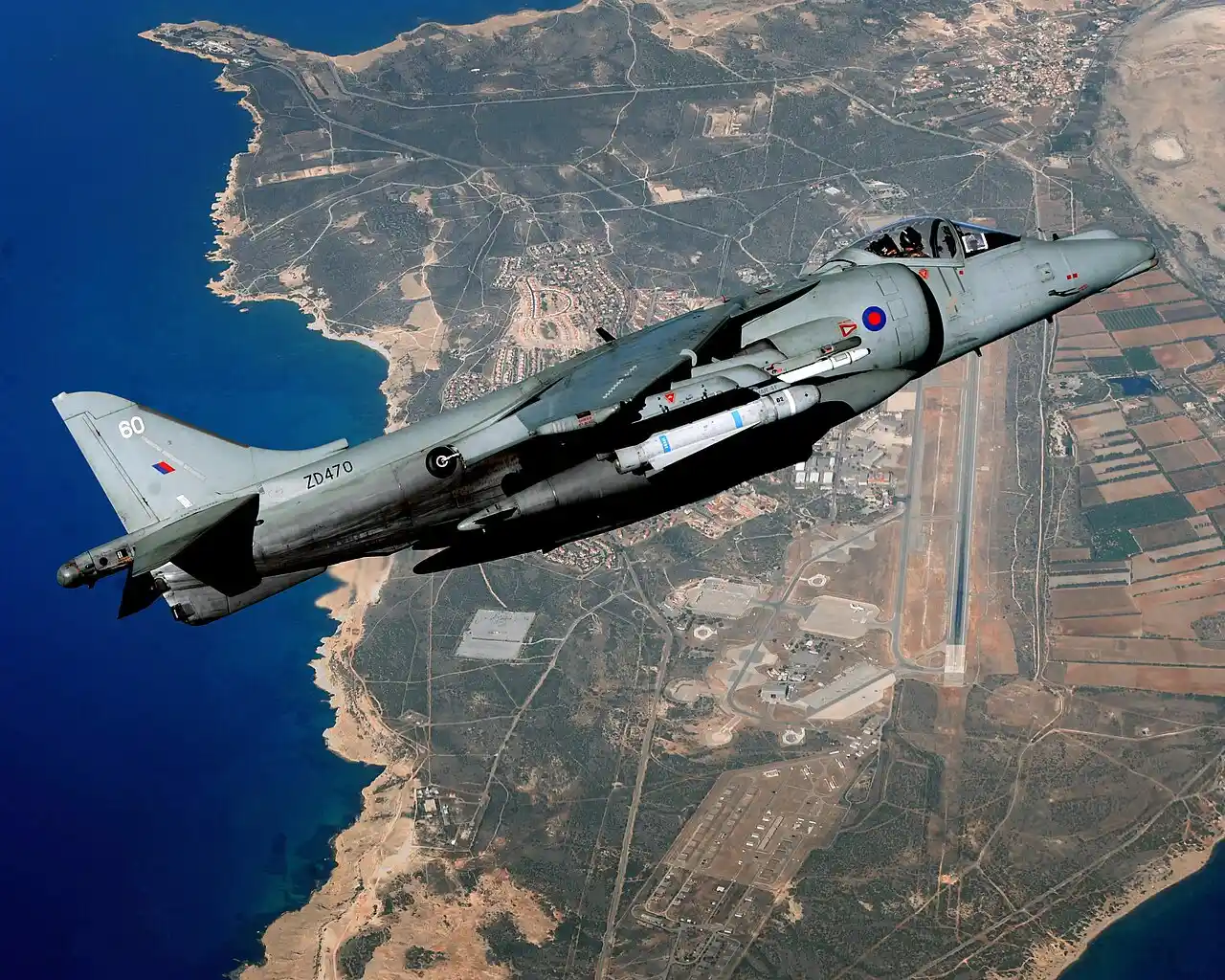
On the evening of 1 March 2026, Sir Keir Starmer addressed the House of Commons and set out a seemingly firm boundary. Britain, he stated, would permit American forces to use selected UK bases for narrowly defined defensive operations against Iranian missile sites nothing beyond that. There would be no British aircraft conducting strikes and no deployment of troops into active combat. His language was deliberate and restrained. Yet within an hour, a drone struck the runway at RAF Akrotiri in Cyprus. The aircraft involved had taken off before Starmer had even finished speaking.
Mojtaba Khamenei and Iran’s Legitimacy Crisis
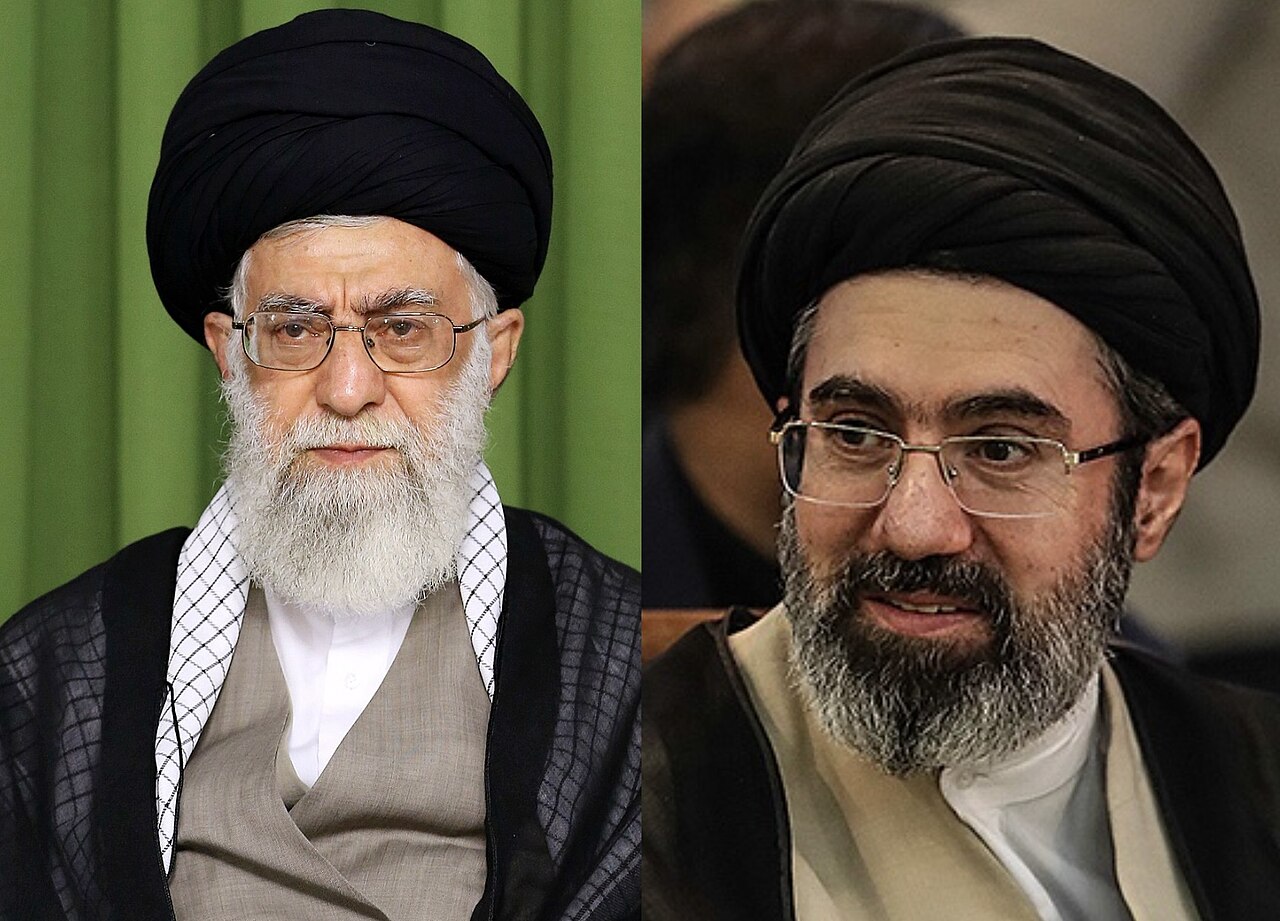
On 12 March 2026, Iran’s state television broadcast what officials described as the first statement from the country’s newly appointed Supreme Leader. Rather than hearing directly from Mojtaba Khamenei, viewers were shown a still image of him while a news presenter read the statement aloud. There was no recorded speech, no live appearance, and no video message. The individual constitutionally designated as Supreme Commander of the Armed Forces, protector of the Islamic Revolution, and earthly representative of the Hidden Imam had not appeared publicly or spoken since his appointment three days earlier.
Churchill’s Oil vs. Modi’s LPG: What WW2 tells us about Energy
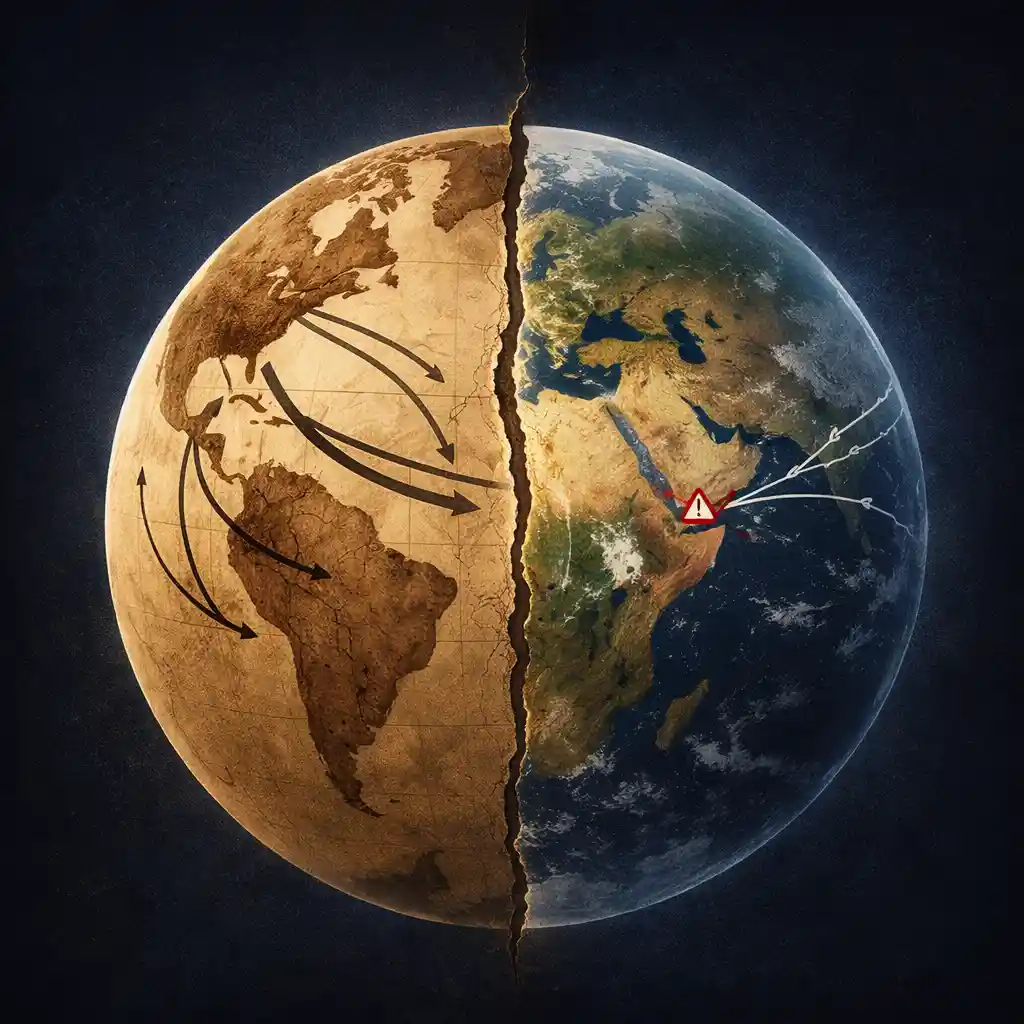
There is a temptation, watching India’s LPG crisis unfold in March 2026, to invoke the Second World War as a counterpoint, an era when civilisation itself was at stake, yet somehow, fuel still moved, kitchens still burned, and industrial supply chains held together well enough to sustain a global war effort. The comparison is emotionally satisfying. It is also, at first glance, historically plausible. But the data tells a more complicated and ultimately more instructive story
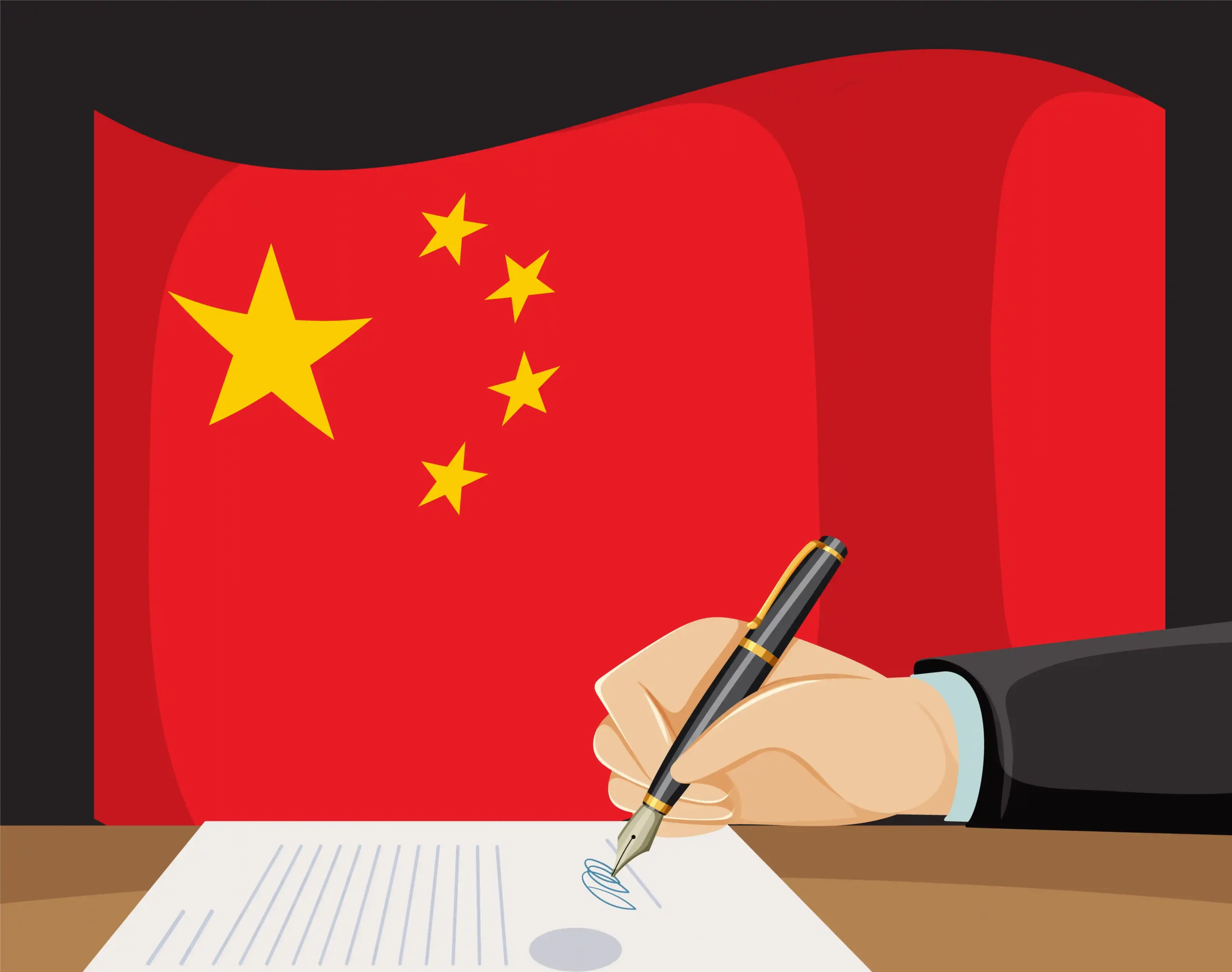
While the Missiles Fall, Beijing Watches and Learns
The public record on China’s response to the Iran war is clear and unremarkable. Since US and Israeli forces launched Operation Epic Fury on February 28, Beijing has condemned the strikes as violations of international law, called for an immediate ceasefire, and dispatched Special Envoy Zhai Jun to the region. It has evacuated over 3,000 Chinese citizens from Iran. Foreign Minister Wang Yi has made calls to counterparts in Russia, Iran, Oman, France, Israel, Saudi Arabia, and the UAE.
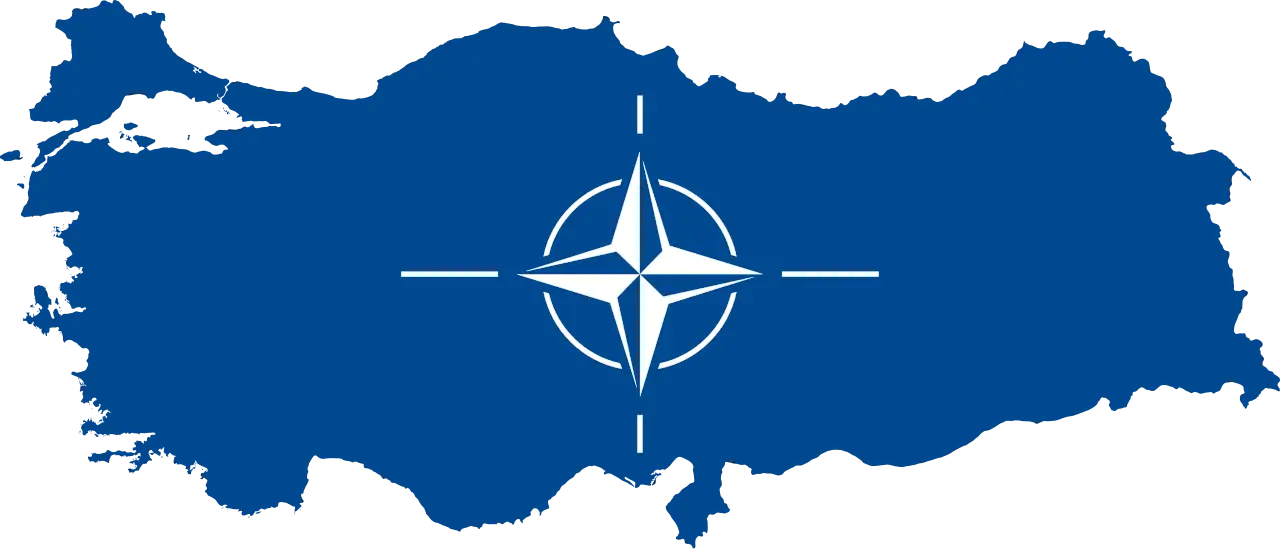
NATO’s Most Dangerous Member Just Got More Dangerous
When the United States and Israel launched strikes on Iran on February 28, 2026, every NATO member was forced to decide where it stood. Most followed Washington’s lead quietly, if not enthusiastically. Spain refused use of its bases and triggered a furious response from the White House. France and Germany called for restraint. Turkey reacted in a way that was more complex than the other countries. It condemned the strikes as a violation of international law and blocked coalition forces from using its airspace and bases. When Iran’s Supreme Leader was assassinated, Turkey publicly mourned the loss
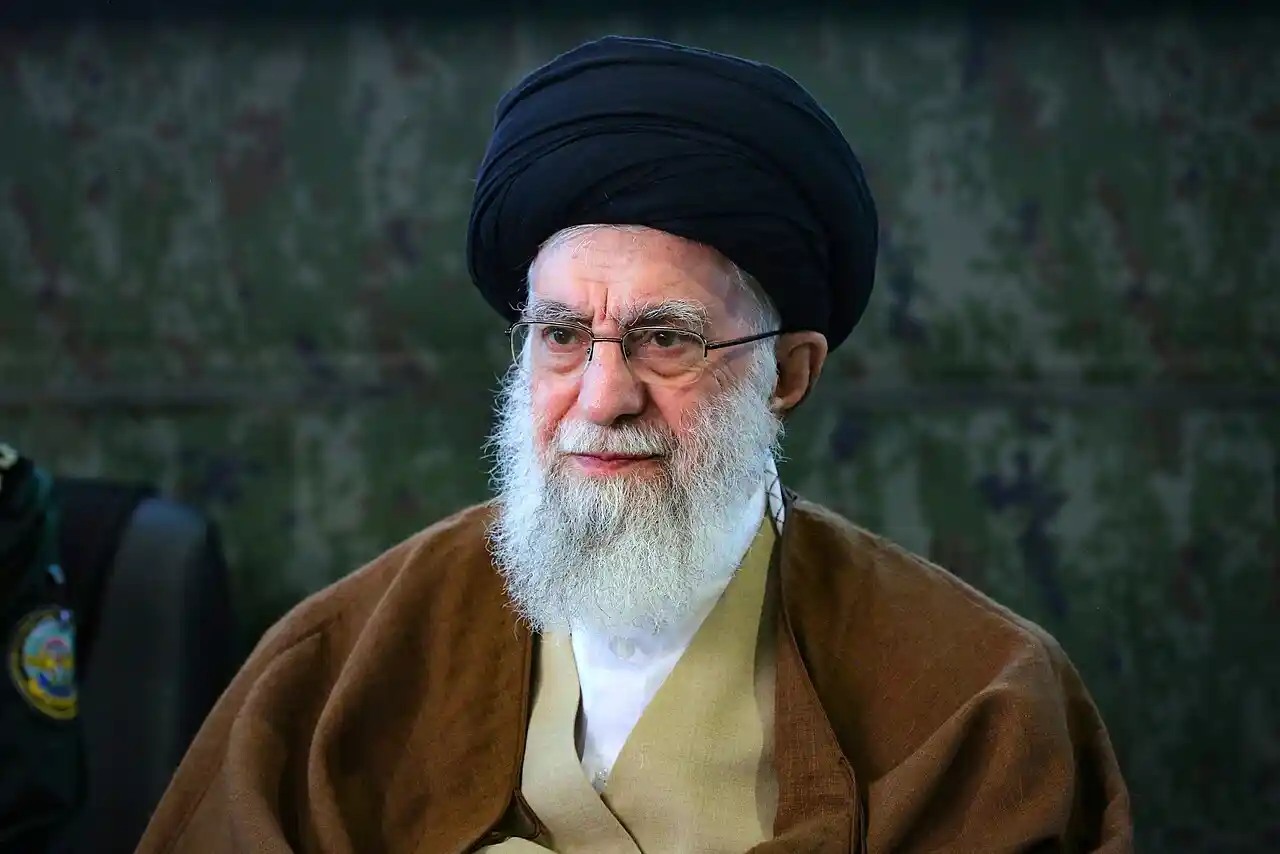
Assassination of Khamenei, India’s Silence and the Crisis of International Morality
After bunker-buster bombs dropped by American bombers killed Iran’s Supreme Leader, Ayatollah Ali Khamenei, along with his merely 14-month-old granddaughter, close relatives, and high-ranking officials, the Iranian government declared him a “martyr” and announced 40 days of national mourning. The incident has drawn mixed reactions globally. Some countries condemned it, while others maintained silence or expressed support. However, in recent days, a strange trend was visible on social media. After the news of Khamenei’s killing, in some sections of India there was more celebration than mourning