
The global luxury industry, long reliant on the wealthiest clientele, is facing a critical crossroads. As prices soar, even the affluent are beginning to feel the pinch, particularly in key markets like China. Luxury brands, which have historically thrived on exclusivity and high margins, are now confronting the dual challenge of maintaining their elite status while appealing to a broader, more aspirational customer base. The question at the heart of the industry’s future: Can luxury remain exclusive without pricing itself out of the market?
Category: Analysis
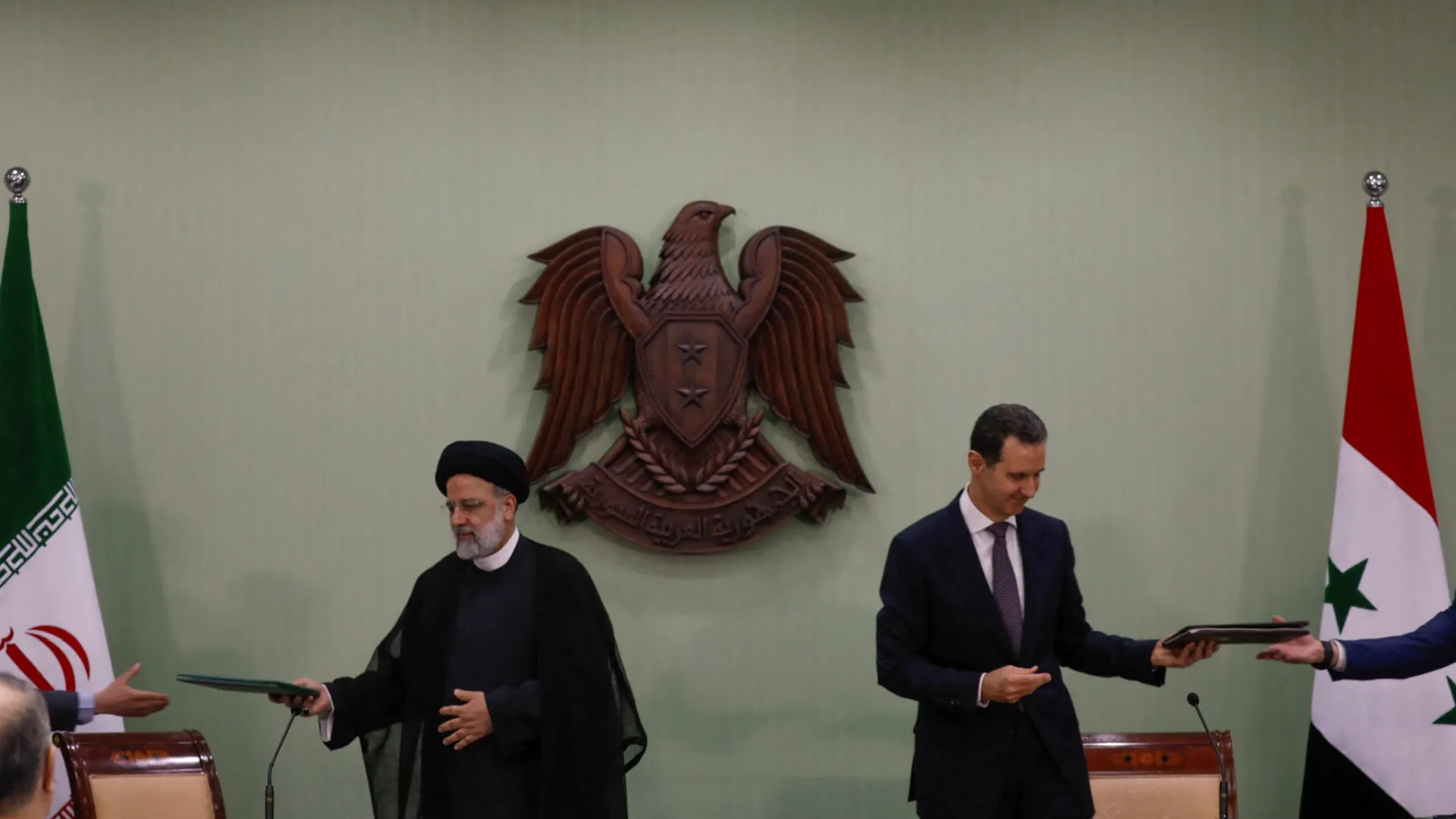
Iran in Syria: A Strategic Setback, Not a Defeat
The blitzkrieg campaign by the Syrian rebel coalition headed by the Hayat Tahrir Al-Sham (HTS) leader Abu Mohammed al-Jolani ended the five-decade rule of the Assad family in Syria. President Bashar al-Assad was removed from power after an arduous and long decade of protest by the rebel groups. Amidst the dramatic shift, the future stakes of Iran in Syria have come into the spotlight. Being a prominent ally of Assad, Iran has faced strategic setback in a country crucial to enhancing its strategic depth. Nevertheless, it is too early to determine the aspect of strategic defeat as Tehran has the vitality to recalibrate its policy.
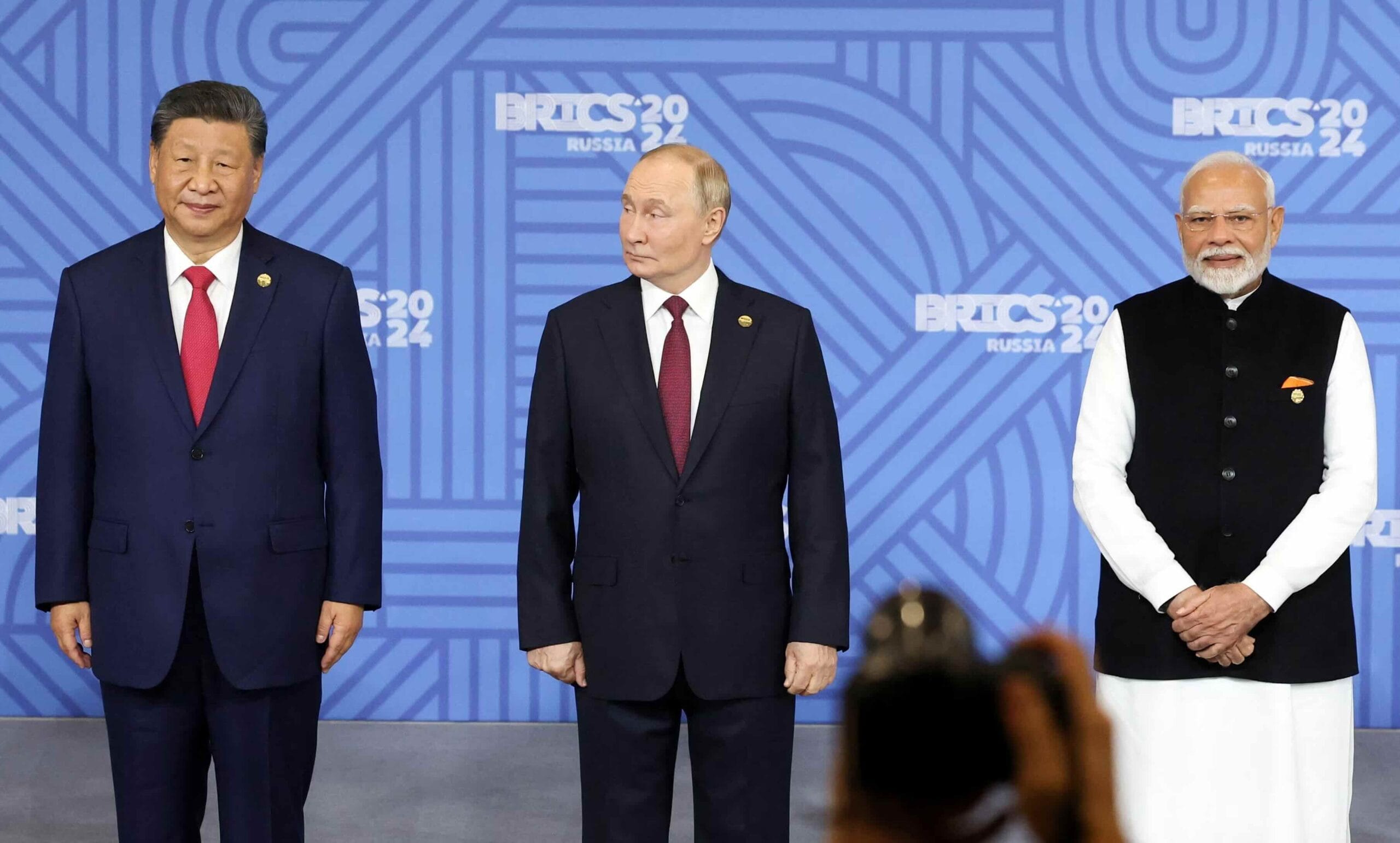
BRICS: India’s Position in the Emerging Global South Alliances
The BRICS (Brazil, Russia, India, China, and South Africa) grouping has been the forerunner of global economic and political developments for over a decade. The BRICS countries account for over 40% of the world’s population and over 25% of global GDP. They are also among the fastest-growing economies in the world. India is an important player in the BRICS grouping. It is the second most populous country in the world and the sixth largest economy. India has also been growing swiftly in recent years, with GDP growth comprising over 7% per year over the past decade.
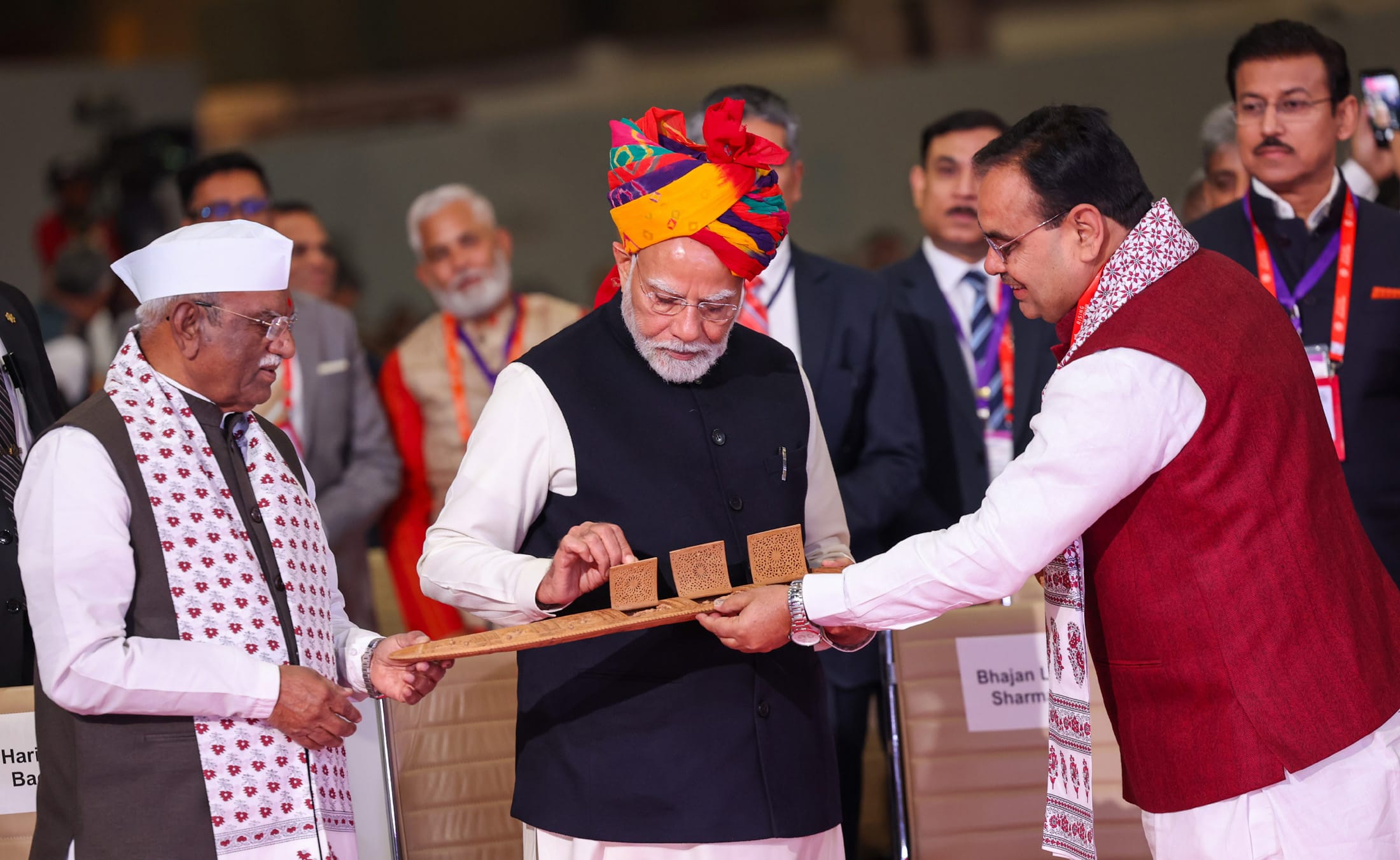
Para Diplomacy: Driving the Rising Rajasthan Investment Summit
Para diplomacy can be understood as the actions initiated by states, provinces, or cities to establish international relations and promote their commercial interests. It also gives regions leverage to engage foreign investors and governments hence opening doors for partnership and capital investment. Rajasthan has adopted this concept in practicing its tourism policies by holding road shows and investor meets nationally and internationally. Such efforts are in the pursuit of introducing itself to a network of potential investors and marketing the state as the hub of opportunities in different fields.

Indo-China Border: A Perspective on Six-Point Consensus
The 23rd round of discussions between India and China’s special representatives on the boundary issue marks an important milestone in their bilateral relationship, particularly after a prolonged gap of five years. The agreement reached in Beijing, comprising six key points, reflects both progress and the complexities that existed in the India-China border dispute. While this consensus signals both parties desire for stabilising relations, it also highlights the deep seated security challenges that continue to shape the interactions.
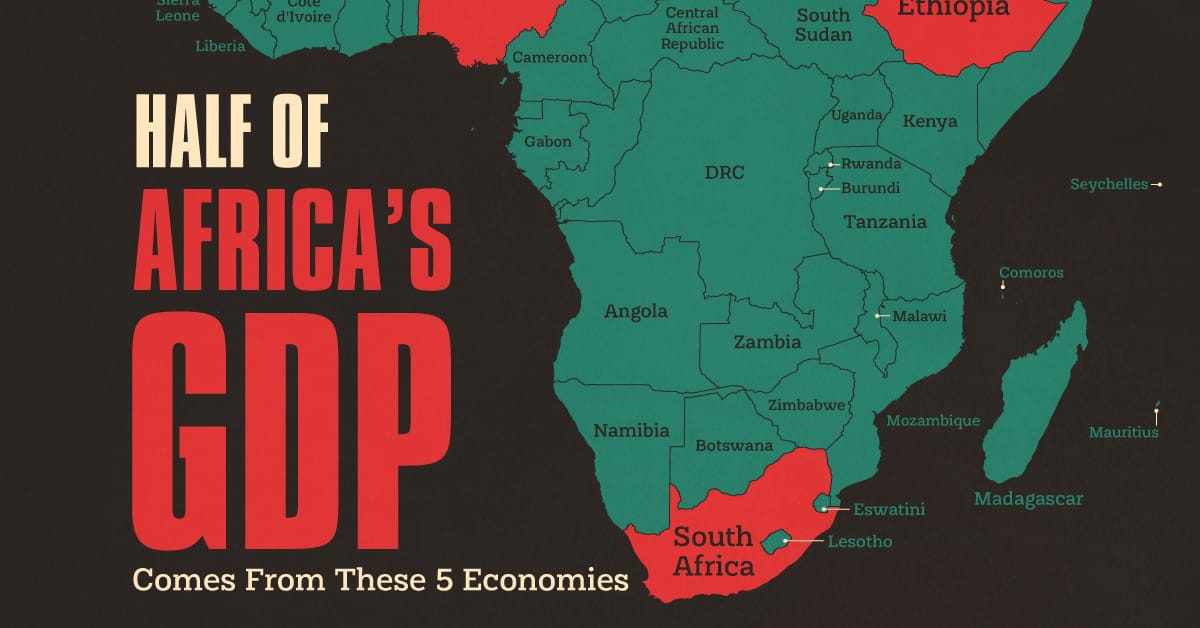
African Economies will Flourish in 2025
In October the IMF described a “two-track growth pattern” in sub-Saharan Africa. On one track are most of the 23 countries with sizeable exports of non-renewable commodities such as oil, gold or diamonds. These include Angola, Nigeria and South Africa. As prices for their exports sagged, their GDPs per person have dropped in the past decade. Most resource-rich countries have also been focused more on dividing the spoils of the boom years than on using the proceeds to build resilient economies.
Special Packages: Unpacking India’s Fiscal Federalism
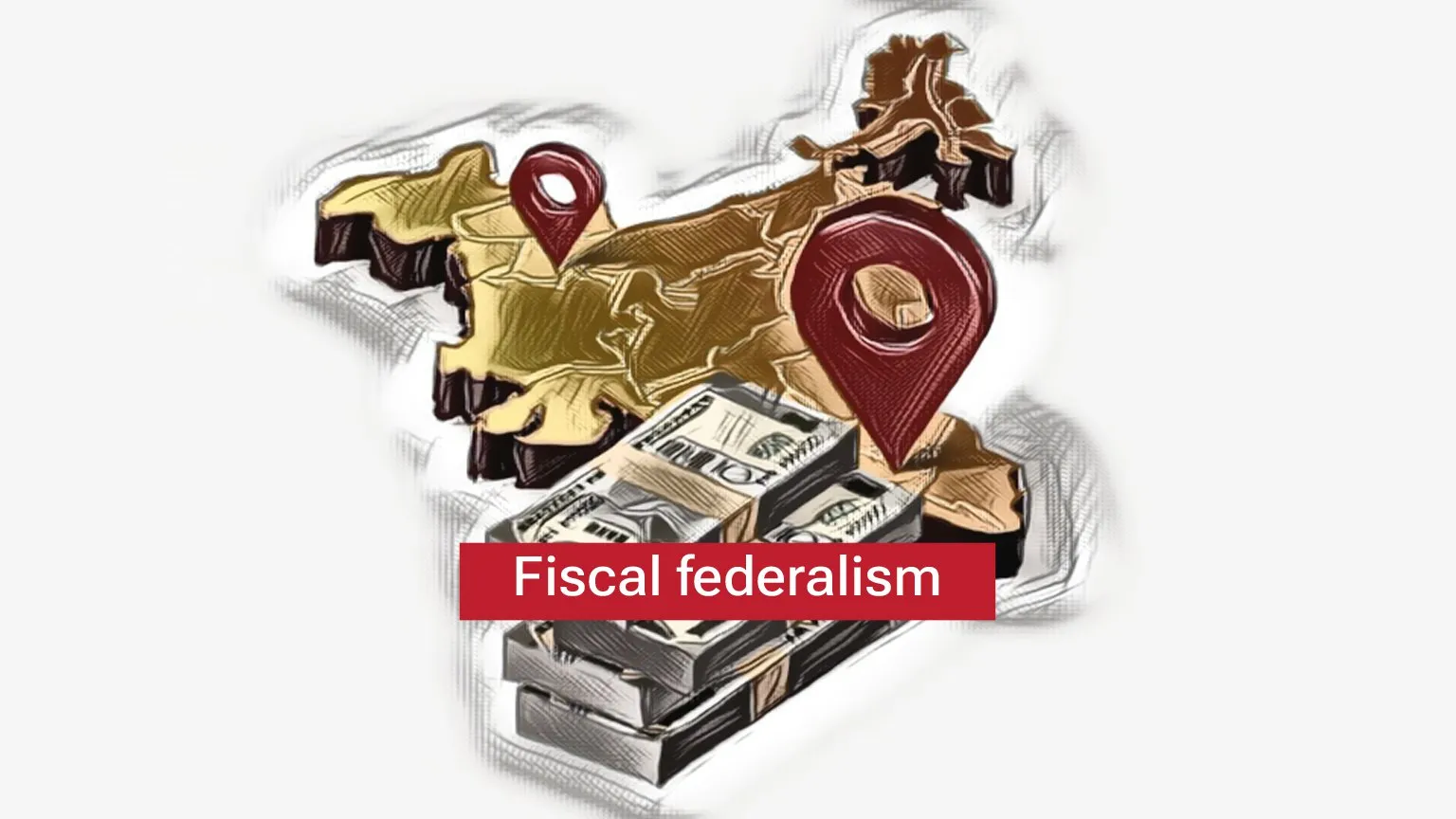
Earlier this year, the chief ministers of Bihar and Andhra Pradesh had demanded special financial packages for their respective states from the Centre. Special Packages for both states were announced in the Union Budget 2024-25. The issues catered in the package ranged from subjects like Irrigation, Flood Mitigation, Purvodaya: Vikas Bhi, Virasat Bhi, Airports, Medical Colleges, Sports Infrastructure, Highways, Industrial Corridors and Tourism development. Special Packages refer to the support provided to states facing geographical and socio-economic challenges, offering them additional financial assistance and other benefits.

China’s Economic Policy for 2025
On December 9, 2024, the Political Bureau (Politburo) of the Central Committee (CC) of the Communist Party of China (CPC) convened a meeting to discuss the country’s economic policy priorities for the year 2025 and the broader and deeper challenges facing the Chinese economy. The headline of the readout is “CPC Central Committee Political Bureau Holds Meeting to Analyze and Research 2025 Economic Work, Study and Deploy Party Conduct, Clean Governance and Anti-Corruption Work, CPC General Secretary Xi Jinping Presides Over Meeting.
The Impact of Water Scarcity, Climate Change and Conflict in Syria
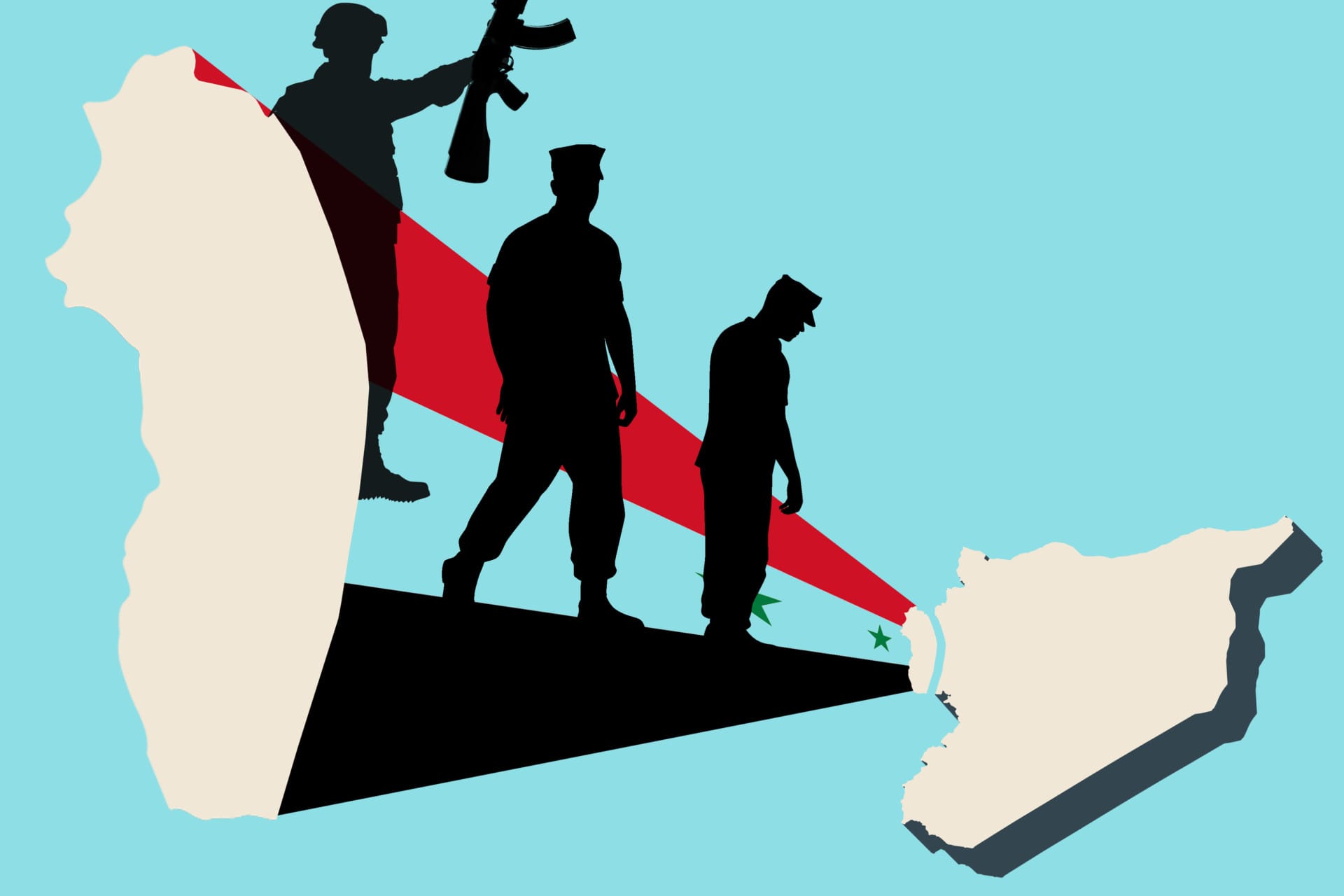
This article critically examines the nexus between water scarcity, climate change, and conflict in Syria, drawing from key academic and policy sources. The analysis highlights the multifaceted drivers of the Syrian crisis, including long-standing political, economic, and environmental challenges. Specifically, it explores how climatic stressors exacerbated by global warming have contributed to instability and conflict in the region while discussing policy interventions aimed at mitigating the adverse impacts of water insecurity. The Syrian conflict, which began in 2012, has been influenced by a complex array of factors including political repression, economic disruption, and social grievances.
The Role of Women in Terrorism Financing
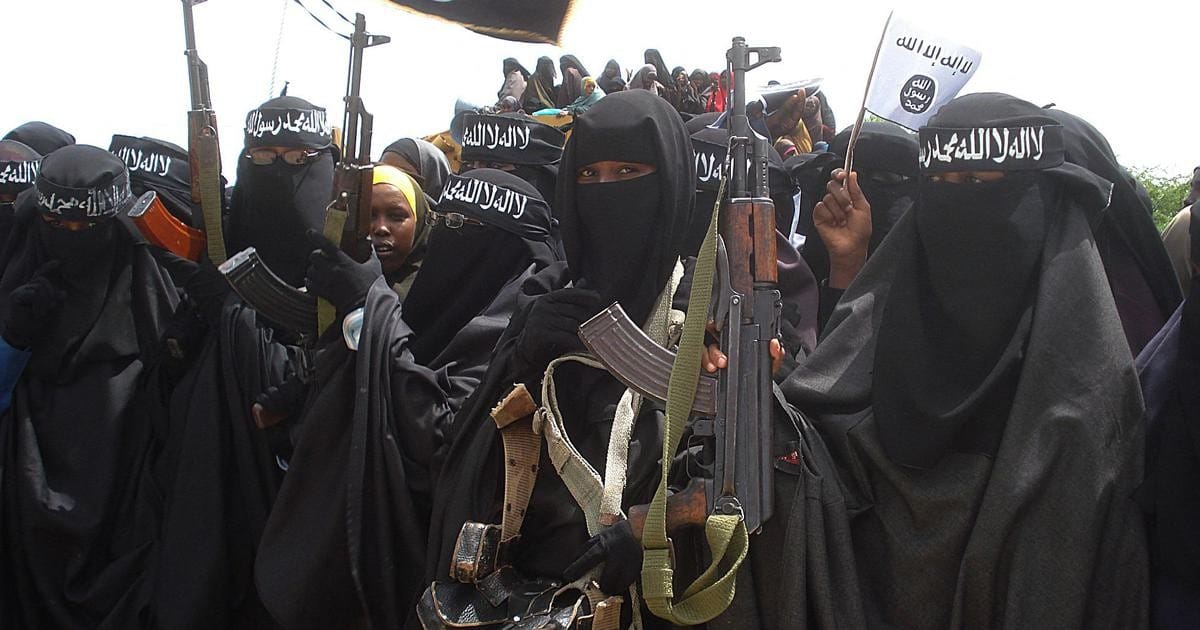
Terrorism is a complex and multifaceted phenomenon characterised by the use of violence and intimidation, especially against civilians, in the pursuit of political, ideological, or religious aims. Changing government policy, gaining independence for a territory, furthering religious views, or promoting a certain ideology are some of the objectives that motivate terrorism. The primary objective of terrorism is to evoke fear and panic in people who are not the direct victims. This kind of anxiety has the power to topple governments, undermine public trust in the government, and destabilise nations. Terrorist acts are often designed to attract media attention and spread the group’s message to a broader audience.