The attack on (mostly Hindu) tourists triggered a nation wide call for swift military action and the same was promptly delivered by the Indian Armed Forces during early hours on 7th May 2025, codenamed Operation Sindoor. This article is a general briefing about the India’s swift military operation against Pakistan followed by ongoing retaliatory attacks and ending with aftermath along with remarks containing public and international reactions.
Category: Analysis
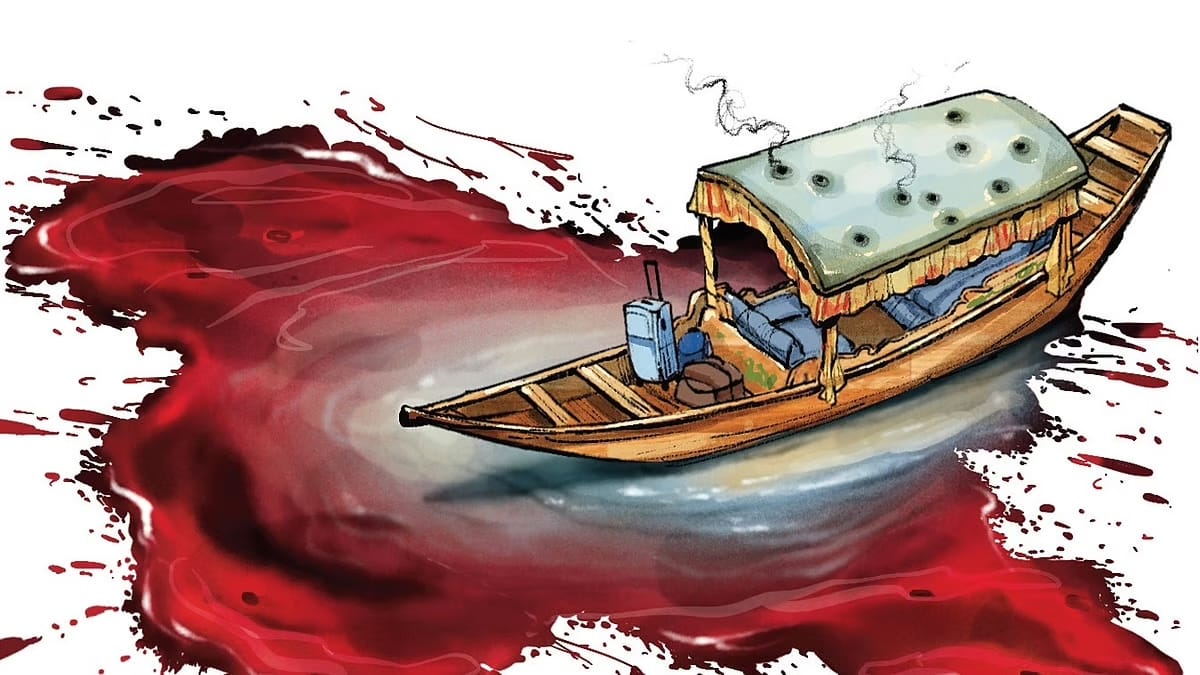
Decoding the Pahalgam Terror Attack through an Intelligence Lens
While my previous article (commentary) discussed the potential link between these two attacks and how they fit into the ongoing proxy conflict between India and Pakistan — more specifically between their respective intelligence agencies, namely the Research and Analysis Wing (R&AW) and the Inter-Services Intelligence (ISI) — in this article, I argue that Pakistan’s military, particularly its Special Service Group (SSG) (Pakistan’s special forces), must be behind this attack, with planning support from the ISI-backed groups, Lashkar-e-Taiba (LeT) and The Resistance Front (TRF).

India and the FATF: Earning the Watchdog’s Praise
In a move, though not as relatively new as it is significant, the Financial Action Task Force (FATF) decided to place India in the “Regular Follow-Up” category, its highest rating category. For perspective, the FATF places the member countries into four groups: Regular follow-up, Enhanced follow-up, Grey list, and Black list (ordered from best to worst). With this, India joined the umbrella of France, Italy, and the UK. There is a comprehensive list of criteria which a member under evaluation needs to meet in order to find a place in the above list.

Trump’s Tariffs Impact on the Auto Sector and Global Supply Chains
Starting on March 4, President Trump’s significant tariffs will take effect. These tariffs include a 20% levy on Chinese imports, a substantial 25% tariff on products from its North American neighbours, Mexico and Canada, and an additional 10% tariff on Canadian oil and energy imports. This radical shift will have far-reaching implications for the U.S. automotive industry, potentially leading to increased costs for manufacturers and consumers and potentially reshaping global trade dynamics in the automotive sector. The auto industry is one of the most heavily affected by international trade policies in the US, with substantial volumes of finished vehicles and auto parts coming from Mexico and Canada.
The Vital Role of Cultural Diplomacy in International Relations
Apart from the traditional notion of hard power that involves quantifiable military and economic might, soft power as a facet of power has found political resonance in the realm of international relations in recent decades. Pioneered by Harvard scholar Joseph Nye, soft power is a non-coercive facet of power that has become increasingly important in maintaining hegemony in the world. Soft power entails the art of subtly influencing outcomes by shaping the preferences of other countries and actors outside your own country via the tactics of attraction, appeal, and persuasion.
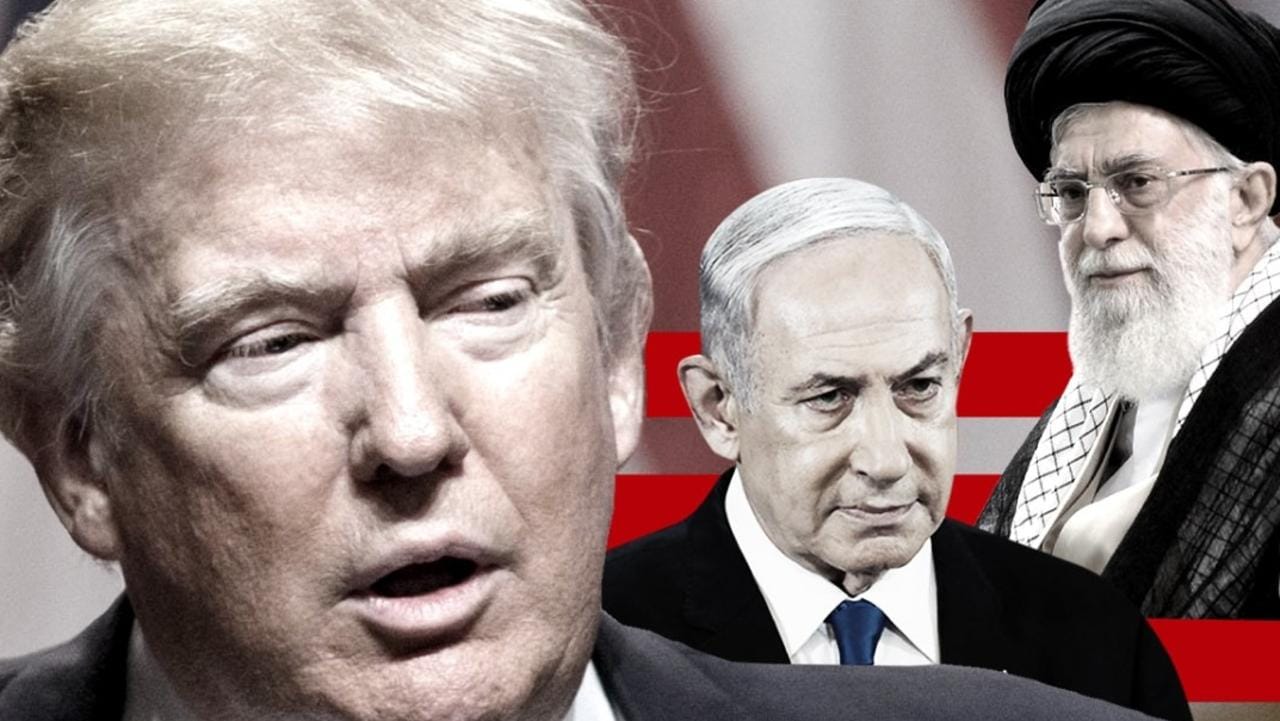
Trump’s Middle East Gamble
Since President Donald Trump’s inauguration for his second term in January 2025, the geopolitical landscape in the Middle East has undergone profound changes. The administration’s renewed assertiveness has reignited longstanding disputes and strategic rivalries, most notably among Iran, Israel, and the United States. This article provides a comprehensive, practical analysis of these developments—detailing U.S. military engagements, Iran’s nuclear ambitions, Israel’s strategic recalculations, and the broader regional and international ramifications.

Geopolitics of Rwanda-Congo Conflict: Regional Tensions by M23
The Democratic Republic of Congo (DRC) has long been plagued by conflict, with the eastern region serving as a battleground for various armed groups. Among these, the March 23 Movement (M23) has emerged as one of the most significant, with its resurgence in recent years once again drawing attention to the deep-seated tensions between Rwanda and the DRC. This article provides a historical background to the conflict, focusing on M23’s origins, its ties to Rwanda, and the broader geopolitical implications, including international exposure and the failures of global diplomacy.

Balochistan Terror Attack: A New Phase in Insurgency?
Balochistan, Pakistan’s largest yet most underdeveloped province, has been a hotspot for insurgency, terrorism, and geopolitical contestation. The recent terror attack in Balochistan, which targeted security forces, infrastructure, and civilians, has once again underscored the province’s precarious security situation. Beyond its domestic impact, the attack carries significant regional and international implications, particularly for Pakistan’s relations with India, China, Iran, and Western powers. This article provides an in-depth analysis of the attack’s origins, the regional and global responses, and the effectiveness of counterterrorism efforts.
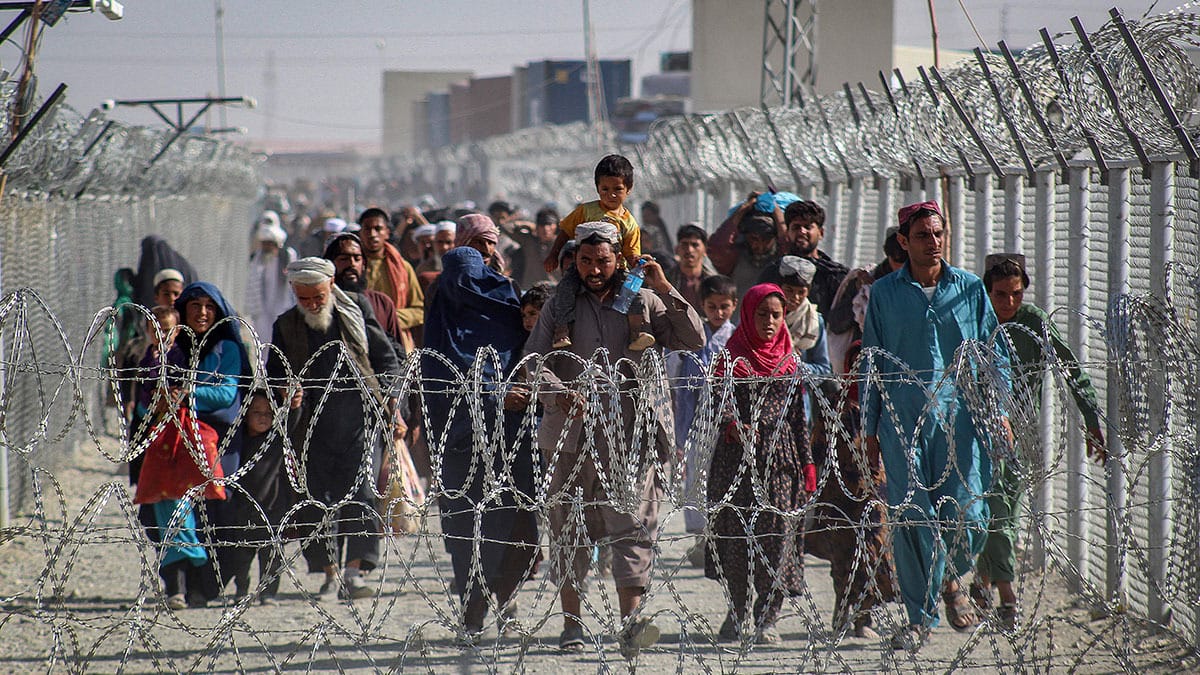
Afghan Refugee Crisis: Assessing Pakistan’s Shifting Policies
Least-developed countries host the largest number of refugees, according to UNHCR. In Asia and the Pacific, 90% of all refugees are concentrated in three nations: Iran (3.4 million), Pakistan (1.7 million), and Bangladesh (952,400), with Iran and Pakistan sheltering one of the largest Afghan refugee populations. Once a safe haven for Afghans fleeing persecution, Pakistan’s stance has now drastically shifted. The Pakistan Interior Ministry has advised all Afghan nationals to leave by March 31, 2025, with Afghan Citizen Card (ACC) holders required to depart voluntarily before the deadline or face deportation from April 1, 2025. This directive falls under Pakistan’s Illegal Foreigners Repatriation Program (IFRP), in effect since November 1, 2023.
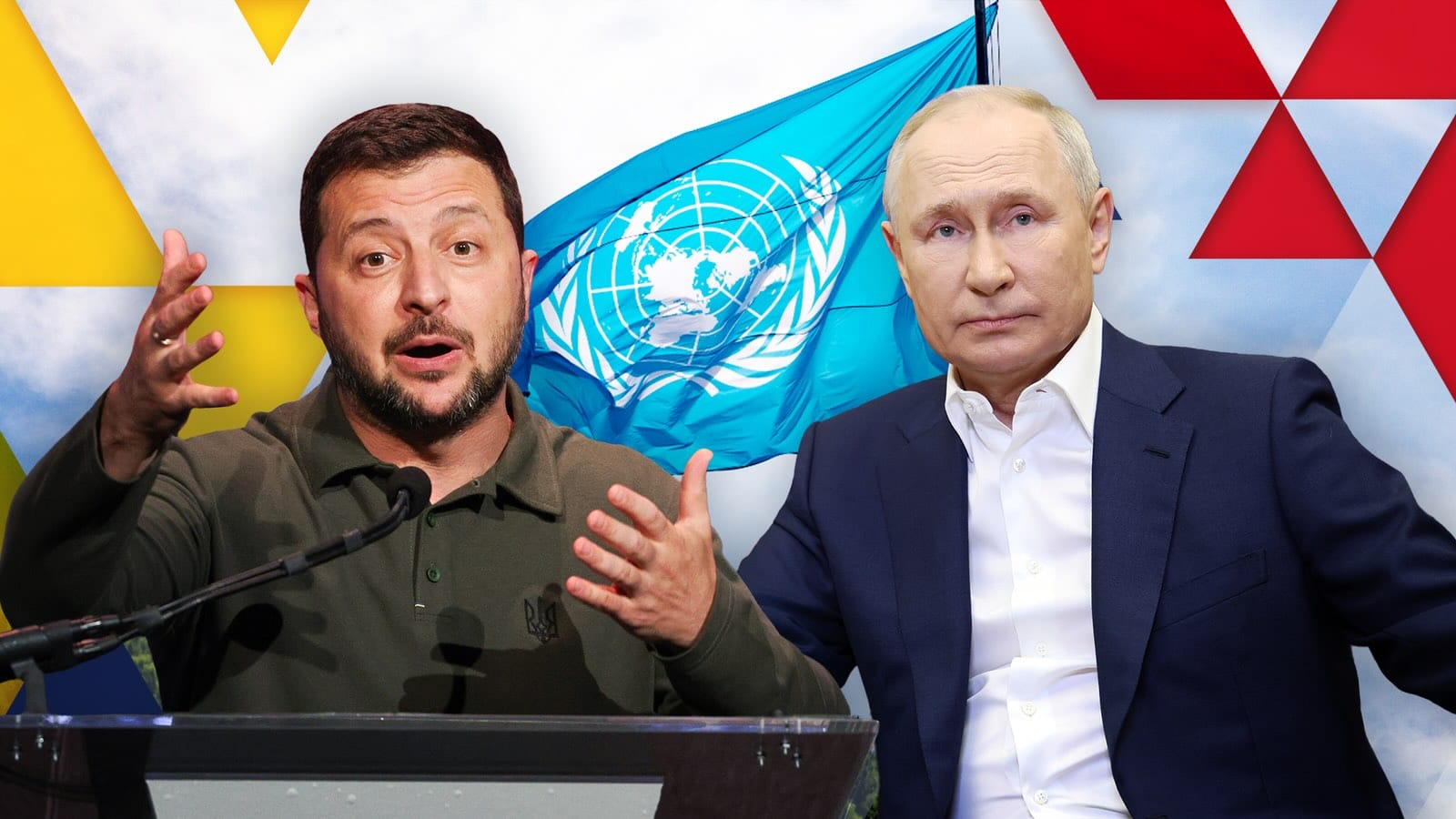
Can the United Nations still Resolve Modern Conflicts?
The United Nations (UN), formed in 1945 with the lofty goal of averting world conflict and encouraging international cooperation, has been a beacon of hope and multilateralism. Over the years, the UN has shifted its focus from simple state mediation to complicated peacekeeping, peace enforcement, conflict prevention, and post-war reconstruction. Its methodologies were mostly inter-positional during the Cold War. As crises became increasingly complicated, especially after the disintegration of the Soviet Union, international warfare (direct war) was replaced by a rise in domestic civil wars, ethnic conflicts, and political tensions among powerful states.