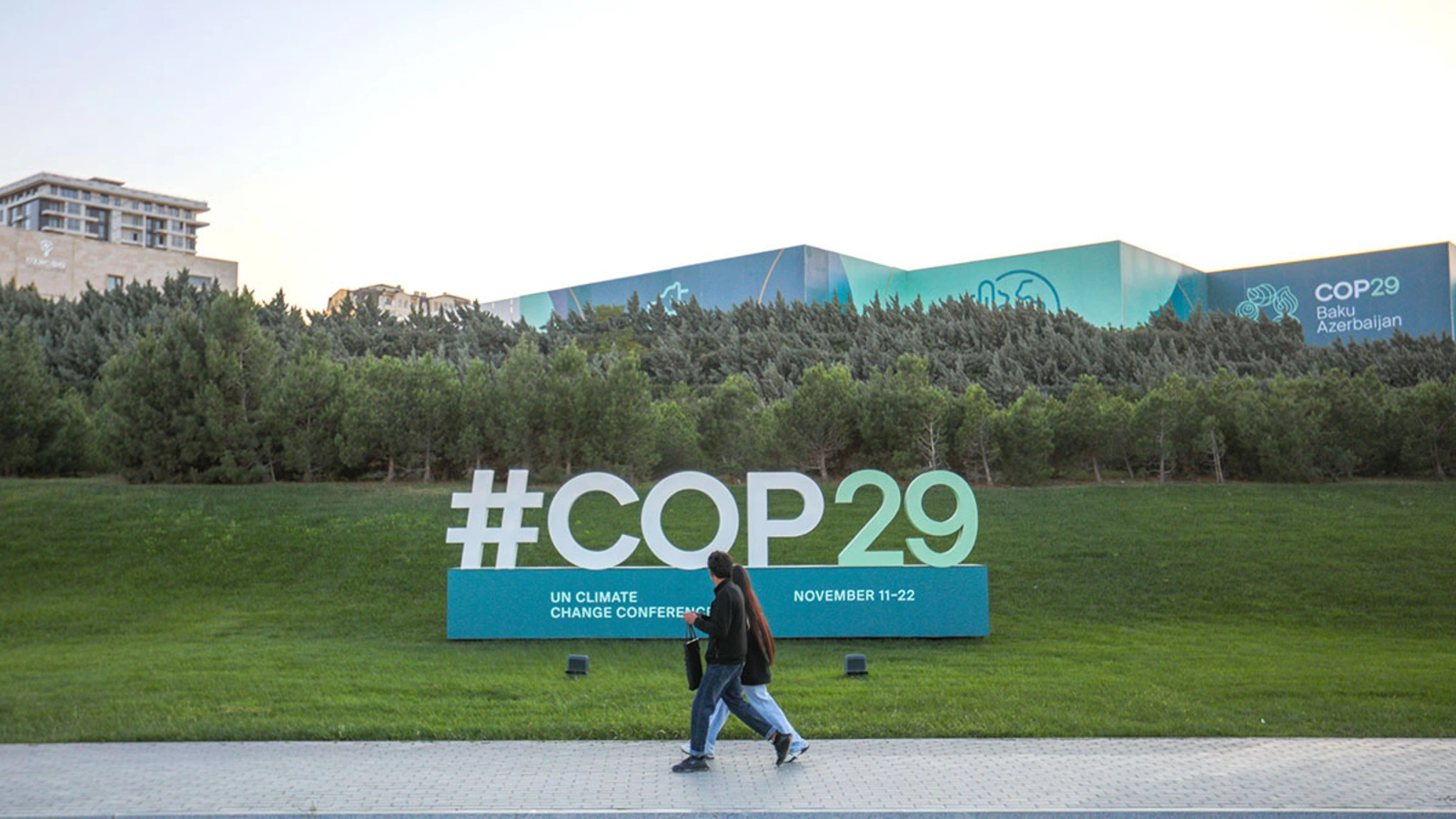
The multilateral UN Framework on Climate Change, which was established to address climate change, once again revealed disappointing results from the pledges made by developed countries at its COP29 climate financing summit in Baku, Azerbaijan. The unsettling start from the Azerbaijani president’s stirring statement that fossil fuels are a “gift from God” kicked off the meeting drawing disparagement from figures such as Greta Thunberg who referred Azerbaijan as “an authoritarian petro-state.”
Category: Analysis

Decoding the Economy of an Isolationist Country
Being one of the most isolated, secretive, dark and censored countries in the world, North Korea continues to baffle audiences and surpass trends of journalistic opportunity. It has one of the largest militaries in the world, a staggering domestic infrastructure and much speculation as to what goes on inside the closed-to-exhibition country. The citizens aren’t allowed to venture outside and no official economic data has been published since 1965, which is both scary and bold at the same time.
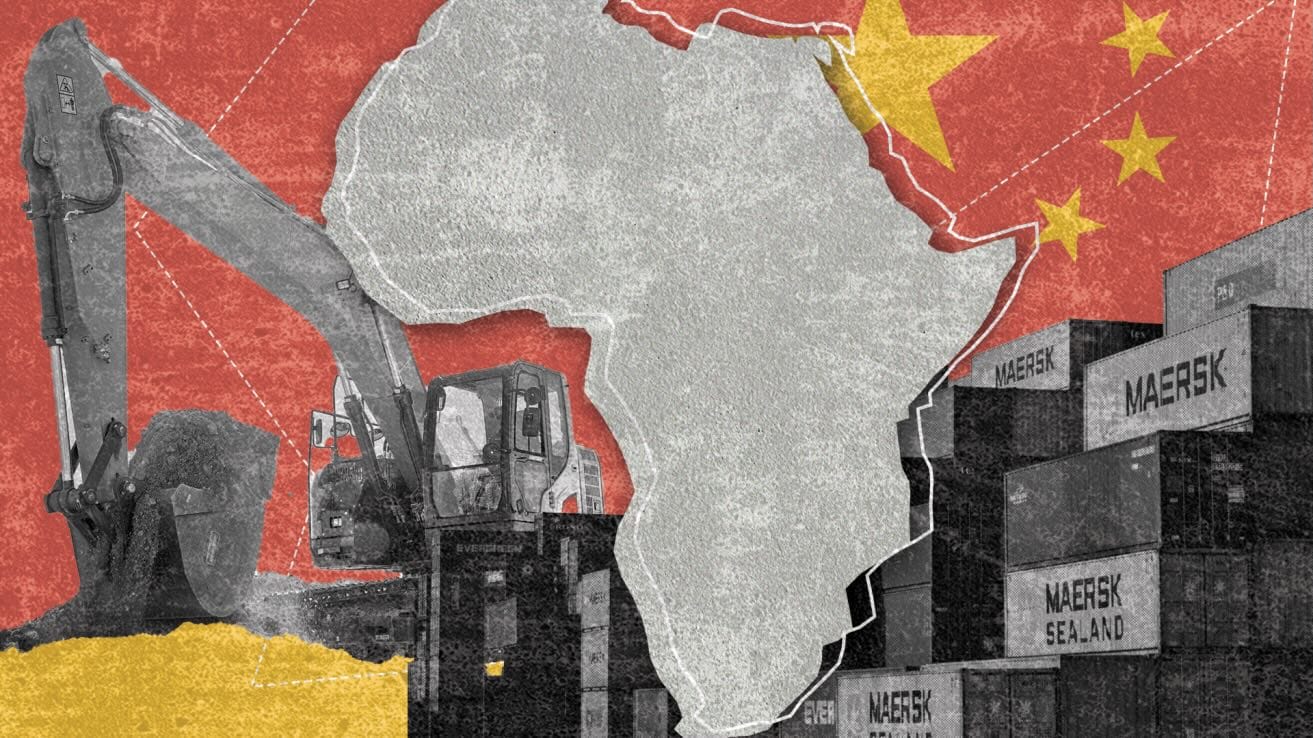
Which Road is the Belt and Road Initiative Leading to?
A huge surprise is that the true scale of the debt – thought to be at hundreds of billions of dollars – is not known. Many of the loans are covered in secrecy. As this fares dangerously for the future of the world entirely, there is still an angle of security to it as the BRI might not be dead, but evolving into an alligator underwater.
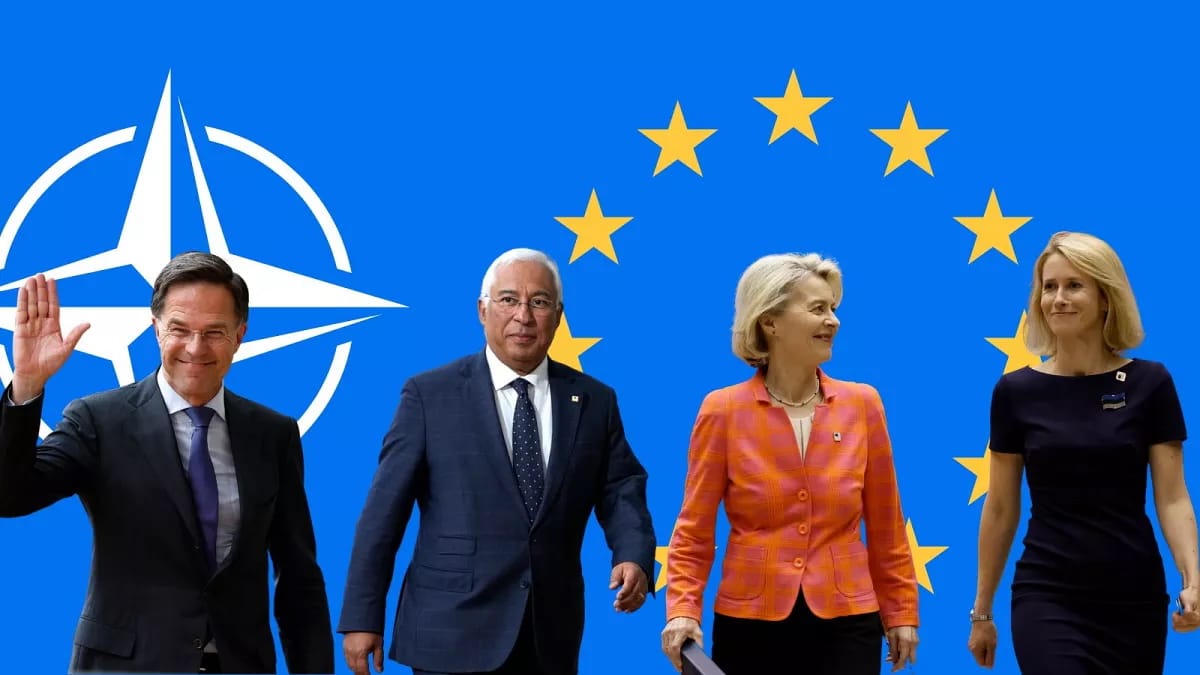
Time for Europe: Forging a New Path Ahead
The US Elections are over and the victory is resoundingly for Donald Trump. Europe leaders are nervous about what it would mean for Europe, NATO and the war in Ukraine. European Union, the largest regional bloc, still doesn’t speak in one voice. French President Emmanuel Macron has been leading the charge in forging an independent Europe. Since the end of World War 2, Europe has been tangled with the US in all the ways possible which has created an atmosphere of dependence on the US.
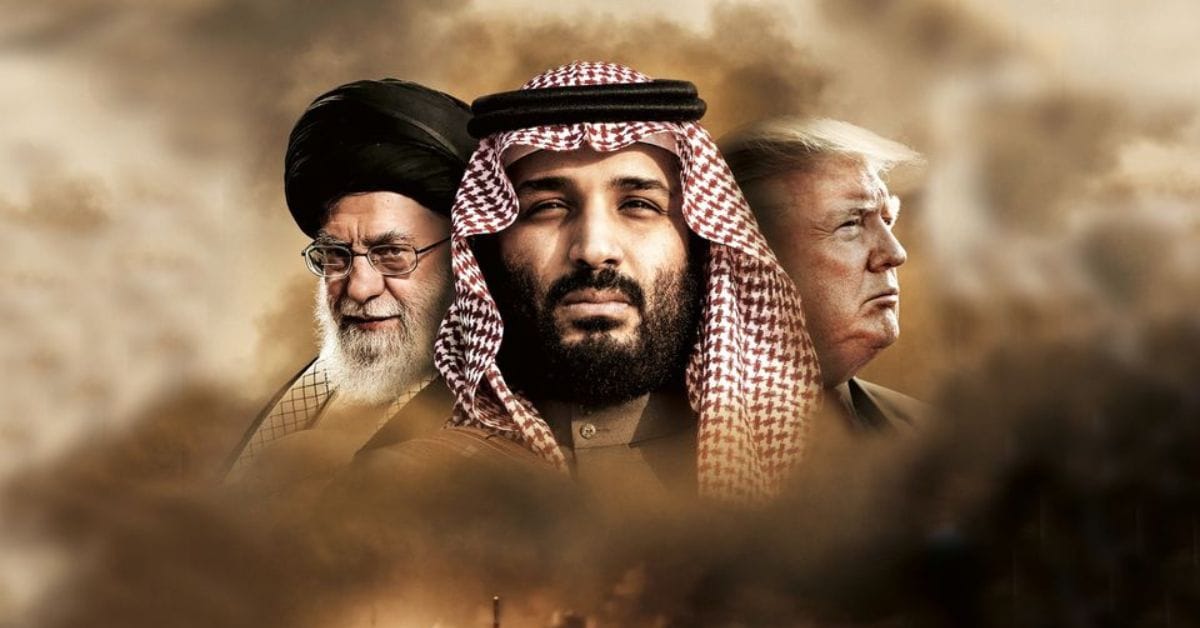
Trump’s 2.0: Testing Period for Saudi-Iran Rapprochement
The shifting geopolitical landscape in West Asia has become particularly evident after the Saudi Arabia-Iran rapprochement. Despite the prevailing instability in the region exacerbated by the Gaza crisis, the détente between these arch-rivals has opened diplomatic channels to bolster cooperation. Amid rising pragmatism in the Gulf, Donald Trump’s victory in the presidential elections has brought United States policy in the region into the spotlight.
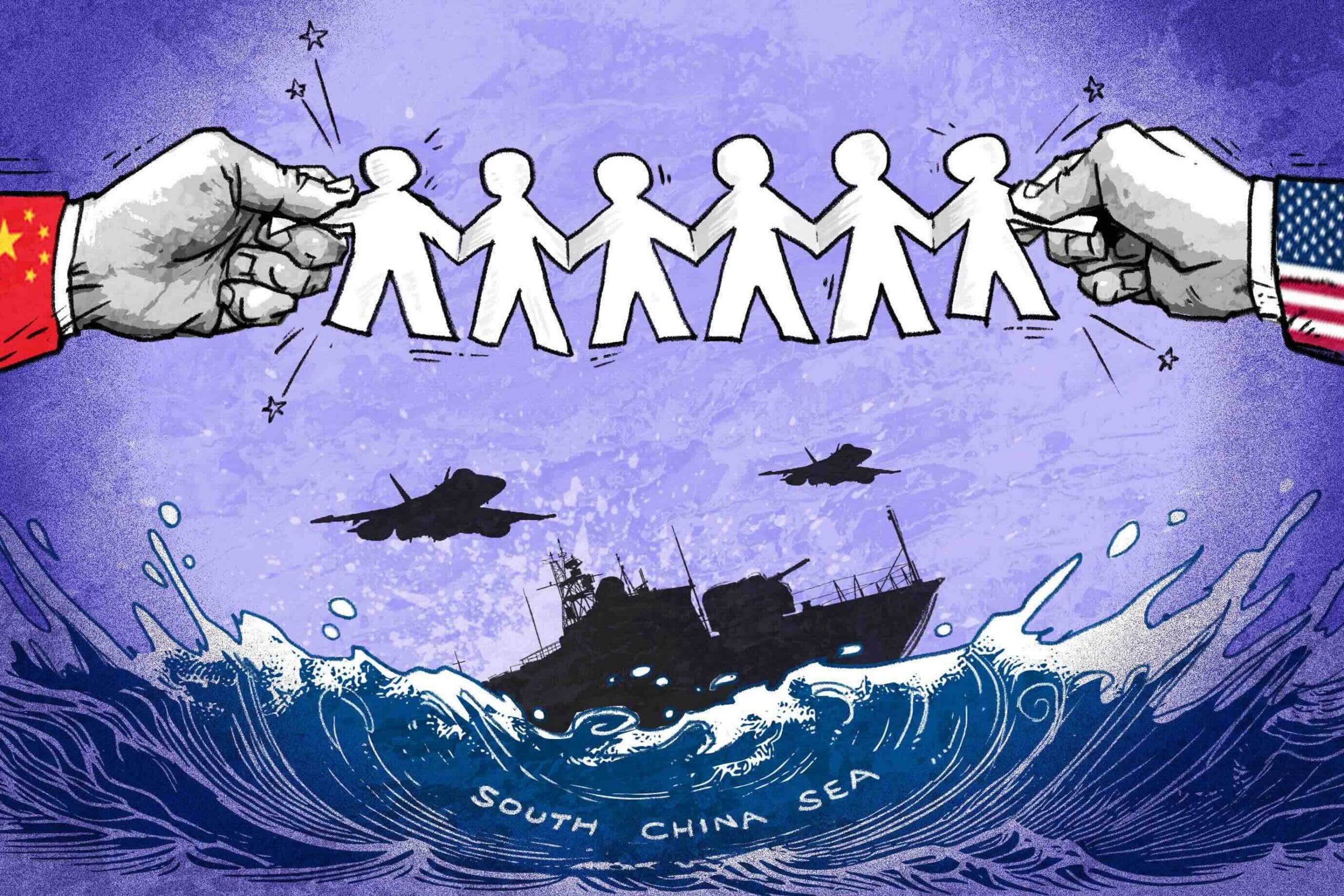
Asia’s Cauldron: The South China Sea and the End of a Stable Pacific
Historically it is the competition for land that provokes tensions between the states, over time the world has seen this shift towards the blue territories as Kaplan calls it. Two explanations for the same could be economic mercantile trade and the dynamic shift of attention from Eurasia to East Asia which is largely maritime. Kaplan says that seas can act as a seed or a dodger in creating tensions and even invasions. However, the likelihood is quite tilted towards aggression.
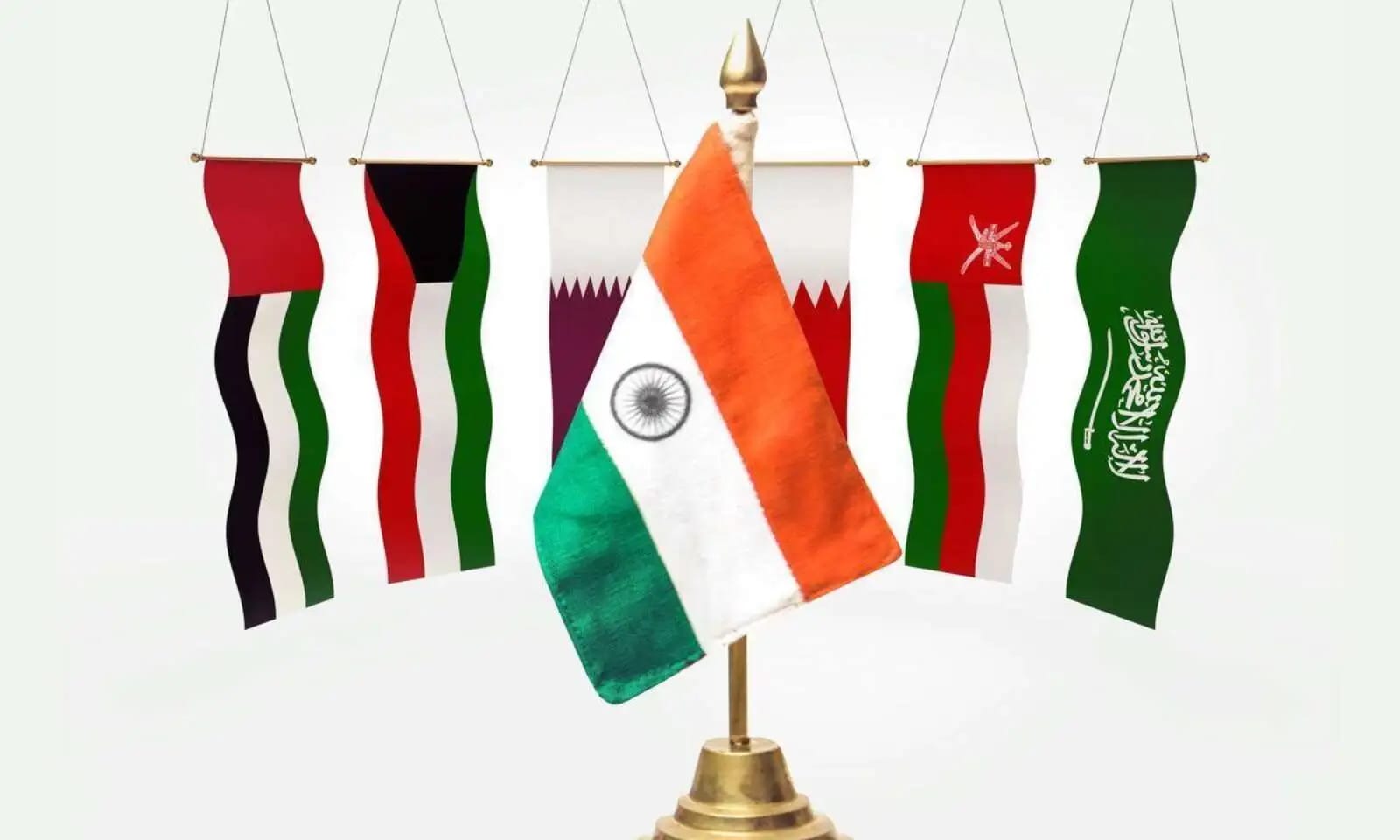
India-GCC Relations: A Comprehensive Partnership
India’s relationship with the Gulf Cooperation Council (GCC) is a pivotal aspect of its foreign policy, driven by a blend of historical ties, economic interdependence, energy needs, and cultural connections. The region’s significance for India is underpinned by its strategic location, shared interests in regional stability, and the presence of a large Indian diaspora. With 8.9 million Indians residing in GCC countries—constituting 66% of India’s global diaspora—and bilateral trade reaching $161.59 billion in FY 2023-24, the GCC represents India’s largest regional trading partner.
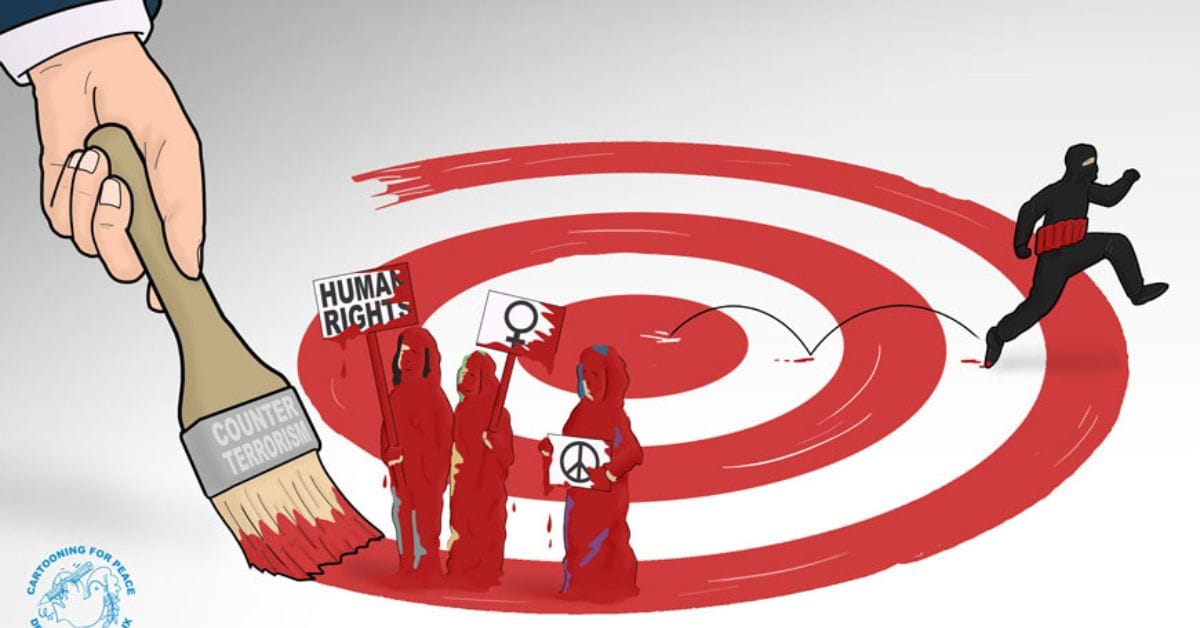
Can Terrorism Ever Be Morally Permissible?
Jaggar’s work on terrorism, titled What Is Terrorism, Why Is It Wrong, and Could It Ever Be Morally Permissible, will be analysed to examine how the author […]
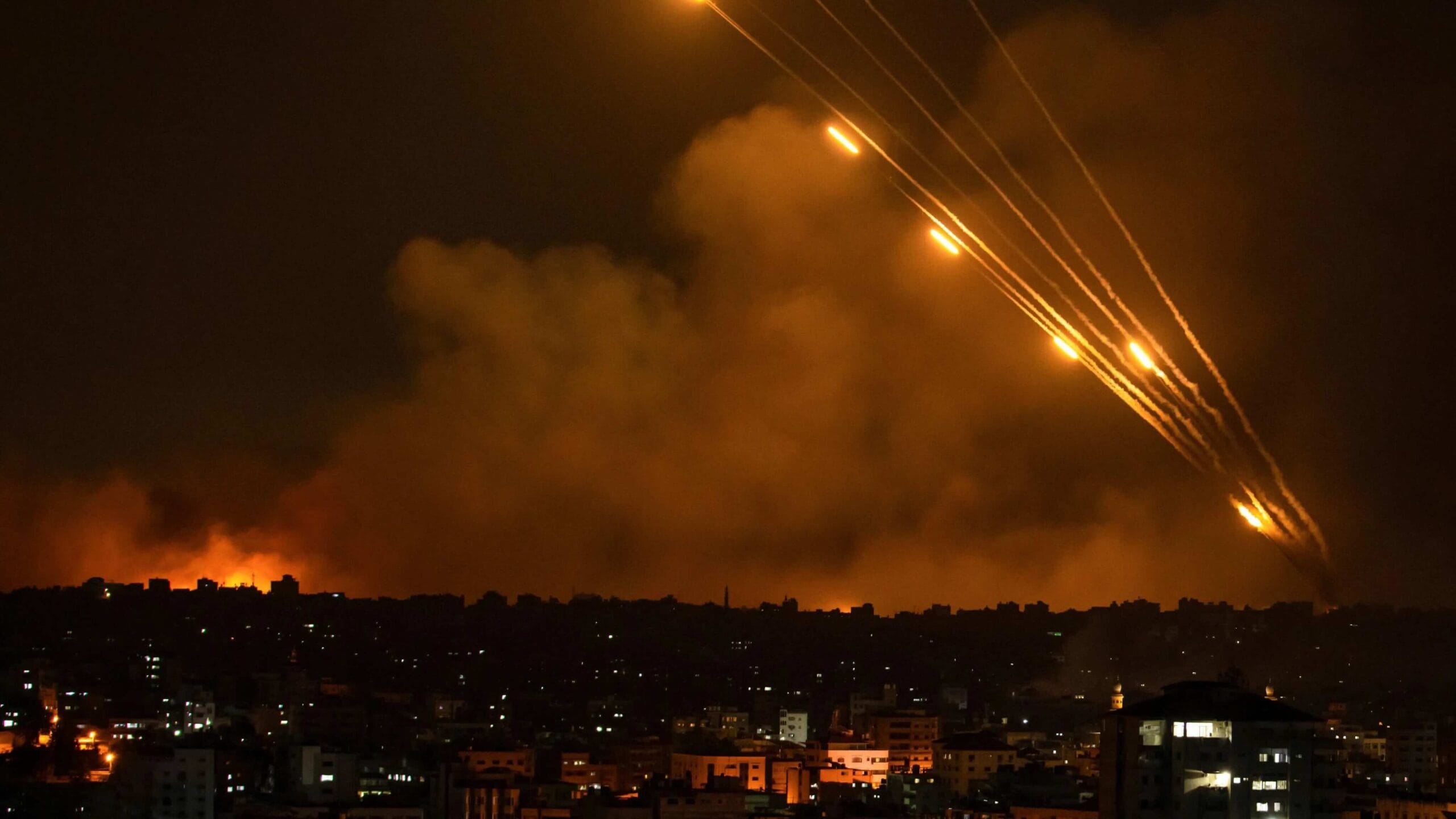
Israel-Hamas War: A Year of Bloodshed and Stalemate
The Israeli-Palestinian conflict has a long history and is a complicated topic. Hundreds of thousands of Palestinians were displaced when the State of Israel was established in 1948. Since then, the region has been defined by decades of violence, including revolutions and wars. The Palestinian Islamist group Hamas first appeared in the 1980s and took over the Gaza Strip in 2007. The organisation has played a significant role in the war, frequently confronting Israel with weapons.
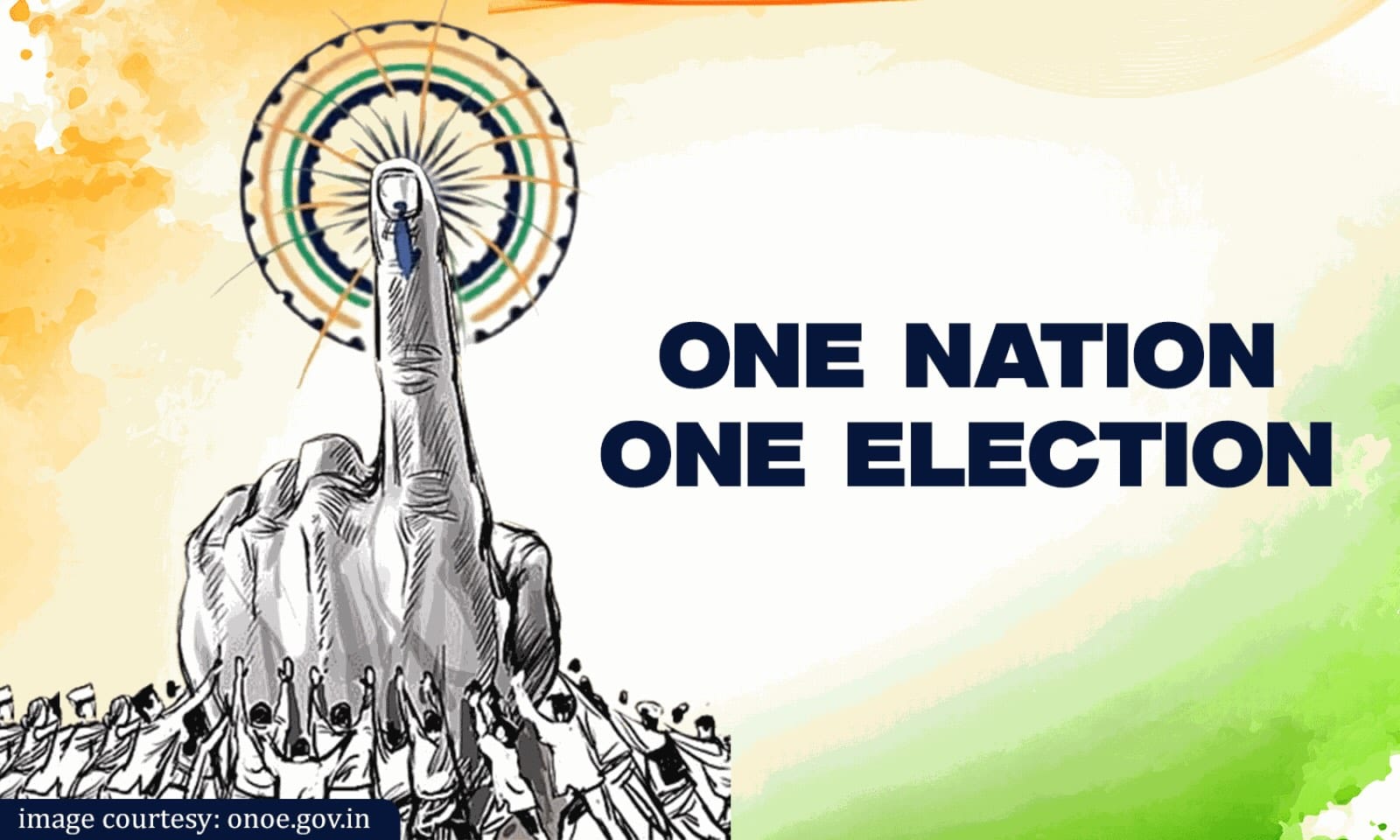
Simultaneous Elections in India: One Nation, One Election
A major Debate which has surfaced on the socio-political landscape of Indian political system is the issue of One Nation, One Election which arose in 1983 when Election Commission and later Dinesh Goswami Committee professed for continuing the norm of One Nation One election, which was initially prevalent till 1967. But due to various reasons this issue was put under carpet and yet the country is discussing this in 2024 again.