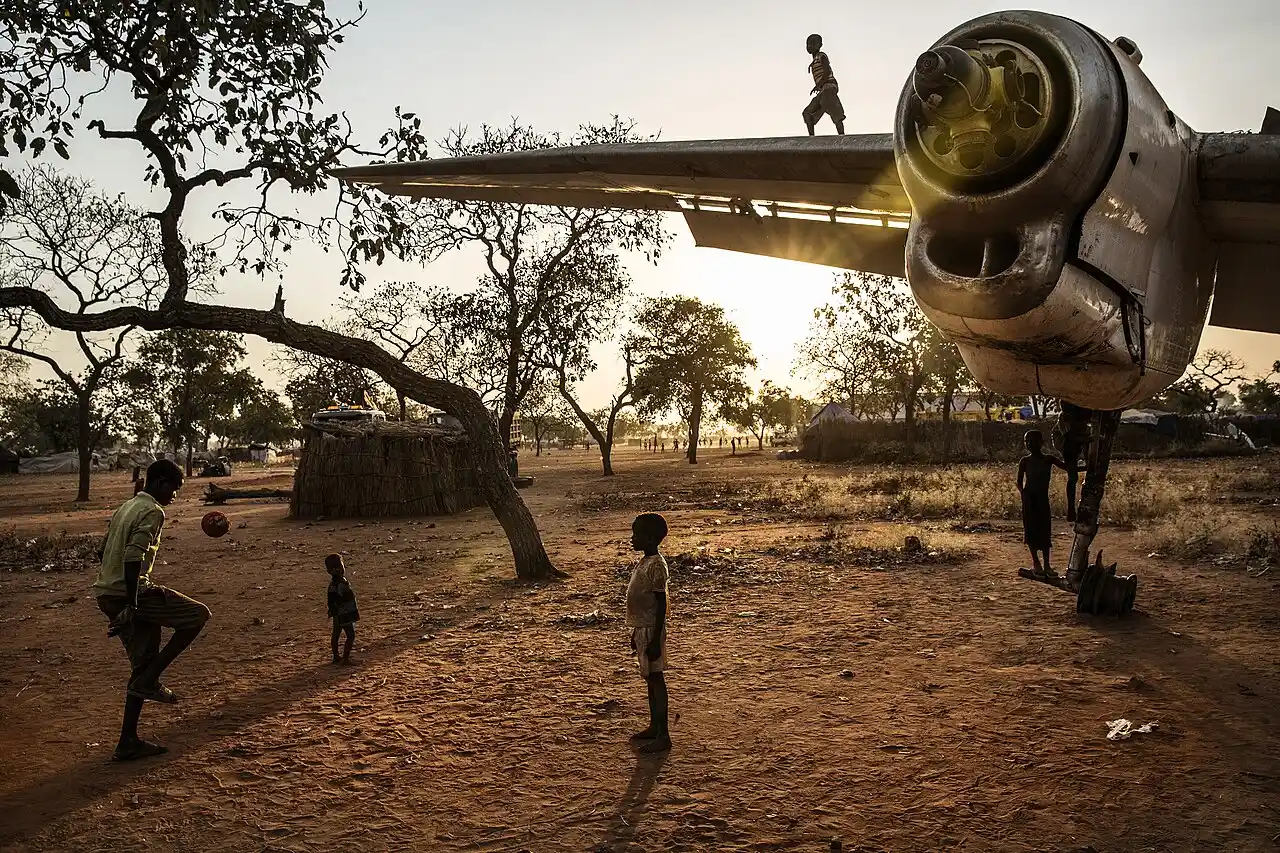
Sudan and South Sudan are close to a dangerous regional crisis. However, their conflicts are not combining into one big regional civil war because their internal issues are very different and do not easily connect. Sudan’s war, which has lasted over 1,000 days since April 2023, involves the Sudanese Armed Forces, led by Abdel Fattah al-Burhan, fighting against the Rapid Support Forces, led by Mohamed Hamdan Dagalo (Hemedti). This is a harsh battle for control of the country, driven by personal goals, money from gold mines in Darfur, and support from other countries.
Category: Africa
10 Conflicts to Watch in 2026
As we moved into 2026, the world is no longer merely “watching” conflicts – it is living with them. Civil war in Sudan has deepened into a regional humanitarian catastrophe, Ukraine remains locked in a war of attrition with global consequences, India-Pakistan tensions continue to cast a long shadow over South Asia and multiple theatres across Central Africa are sliding into protracted violence. This special newsletter revisits the evolving conflict landscape and examine what these wars reveal about power, governance and the fragility of the current global order and why their trajectories in 2026 matter far beyond their immediate borders.
The Sokoto Strike: A New Front in the United States’ War on Terror
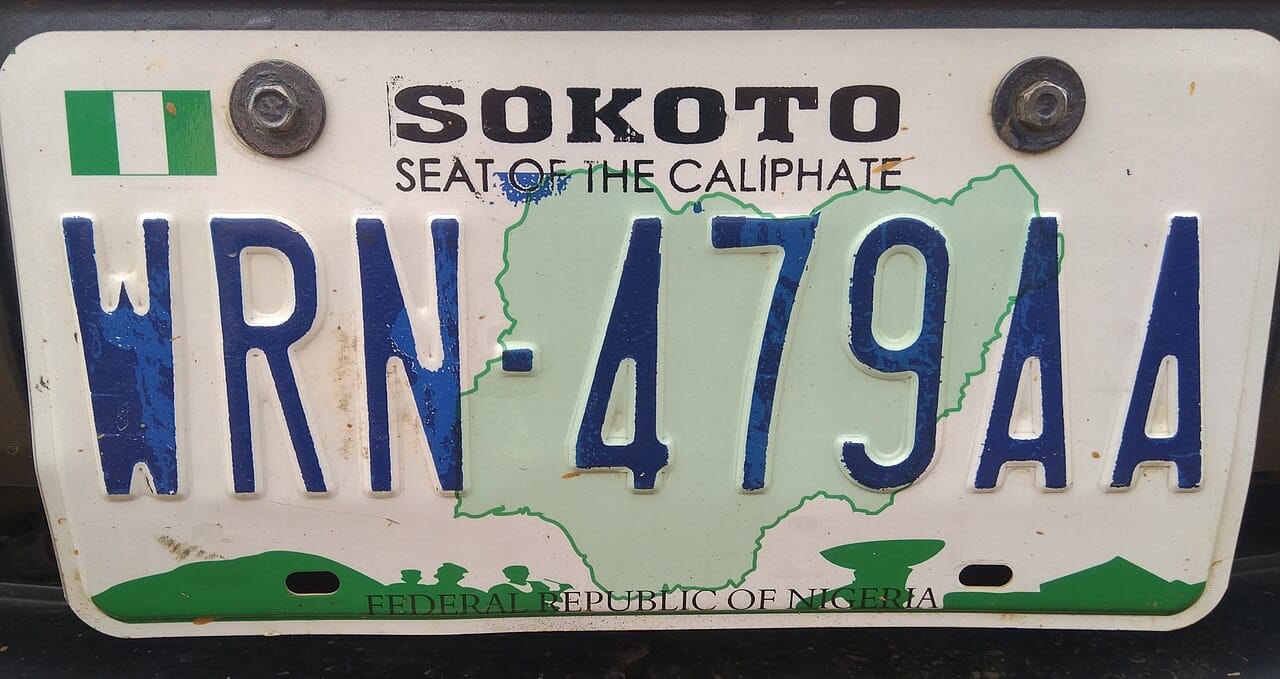
In the early hours of December 25, 2025, a series of Tomahawk cruise missiles launched from an American warship in the Gulf of Guinea flew north over West Africa. Their target was not a typical base for jihadism in the Middle East but camps in the remote Bauni forest of Nigeria’s northwestern Sokoto State, near the Niger border. This unprecedented U.S. military strike, approved by President Donald Trump and conducted with Nigeria’s consent, aimed at militants connected to the Islamic State (ISIS). It marked a dramatic start to a new and complex front in the global fight against terrorism, highlighting the troubling shift of jihadist violence into sub-Saharan Africa.
Nigeria’s Enduring Crisis and the World’s Difficult Choice
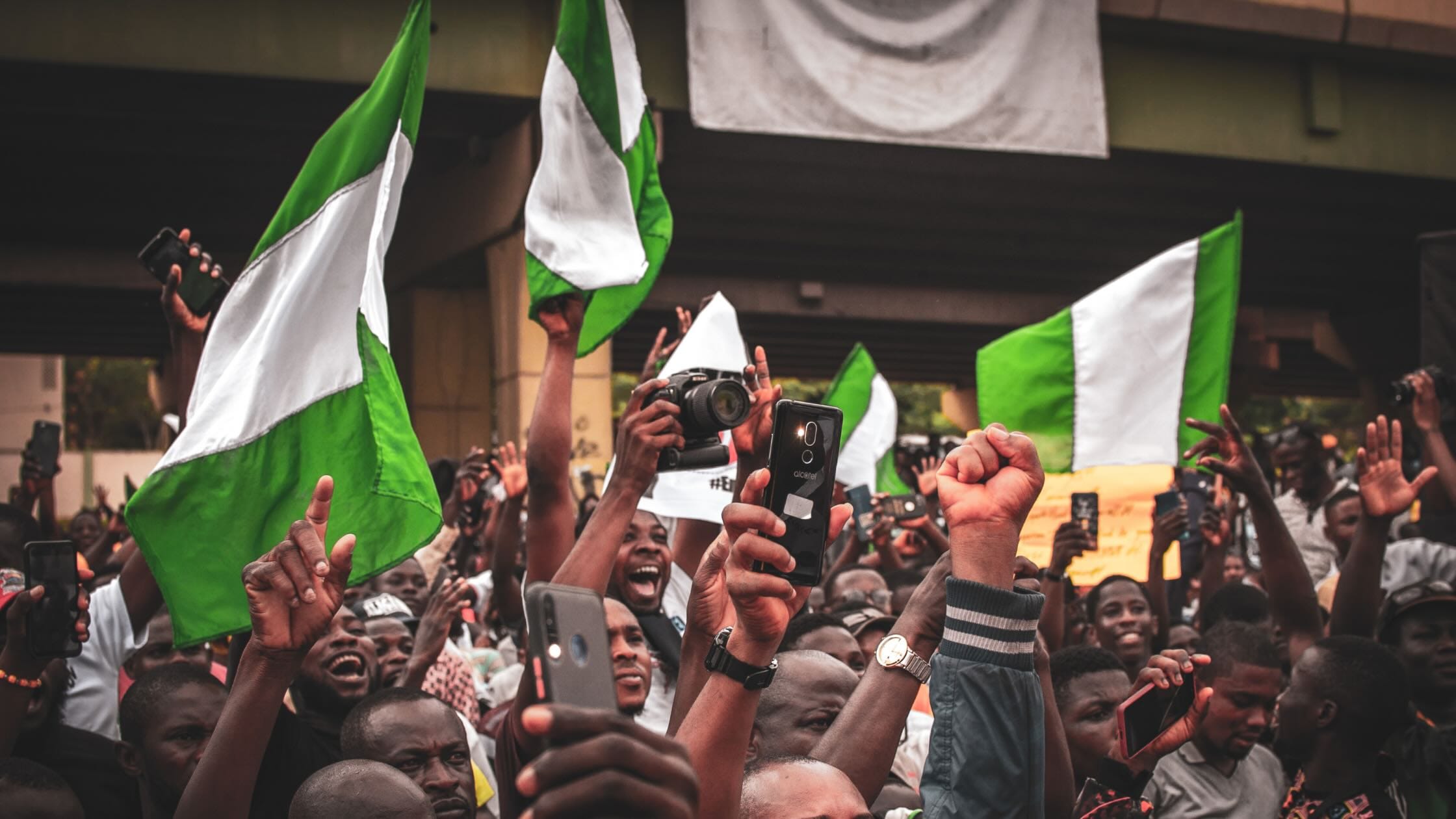
A social media post from a world leader can sometimes bring attention to a forgotten crisis. In late 2025, President Donald Trump did just that, threatening to cut off all aid and enter Nigeria “guns-a-blazing” if the government continued to “allow the killing of Christians.” The post created a significant shift in international diplomacy, forcing a complex conflict in West Africa onto the global stage. It framed the crisis in stark moral terms: a religious genocide calling for Western intervention. However, the reality in Nigeria is far more complicated, rooted in a history of deep religious and ethnic divisions.
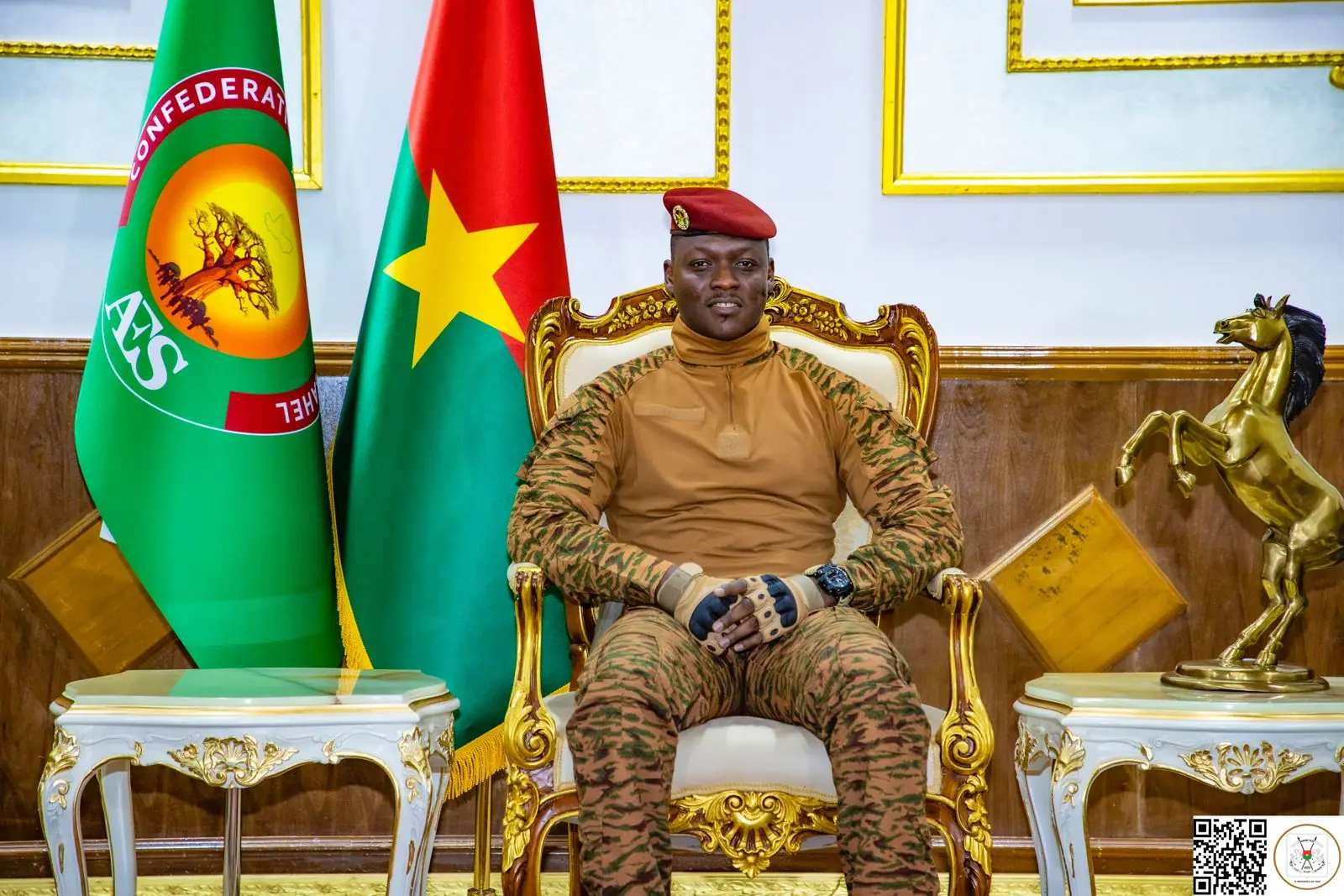
The New Face of Africa’s Decolonisation
Empires don’t abdicate softly. Armies withdraw, banners come down, but lips remain. For more than a half-century since formal independence, Burkina Faso—as was a large swath of francophone Africa—maintained French as an official language. It was the language of court, school and the state. Now, with President Ibrahim Traoré (the second youngest head of state in the world), this colonial baggage has been intentionally scrubbed off. French has been reduced to a “working language” while Mooré, Dioula, Fulfulde, Bissa and other native languages achieve official status.

Geopolitics of Rwanda-Congo Conflict: Regional Tensions by M23
The Democratic Republic of Congo (DRC) has long been plagued by conflict, with the eastern region serving as a battleground for various armed groups. Among these, the March 23 Movement (M23) has emerged as one of the most significant, with its resurgence in recent years once again drawing attention to the deep-seated tensions between Rwanda and the DRC. This article provides a historical background to the conflict, focusing on M23’s origins, its ties to Rwanda, and the broader geopolitical implications, including international exposure and the failures of global diplomacy.
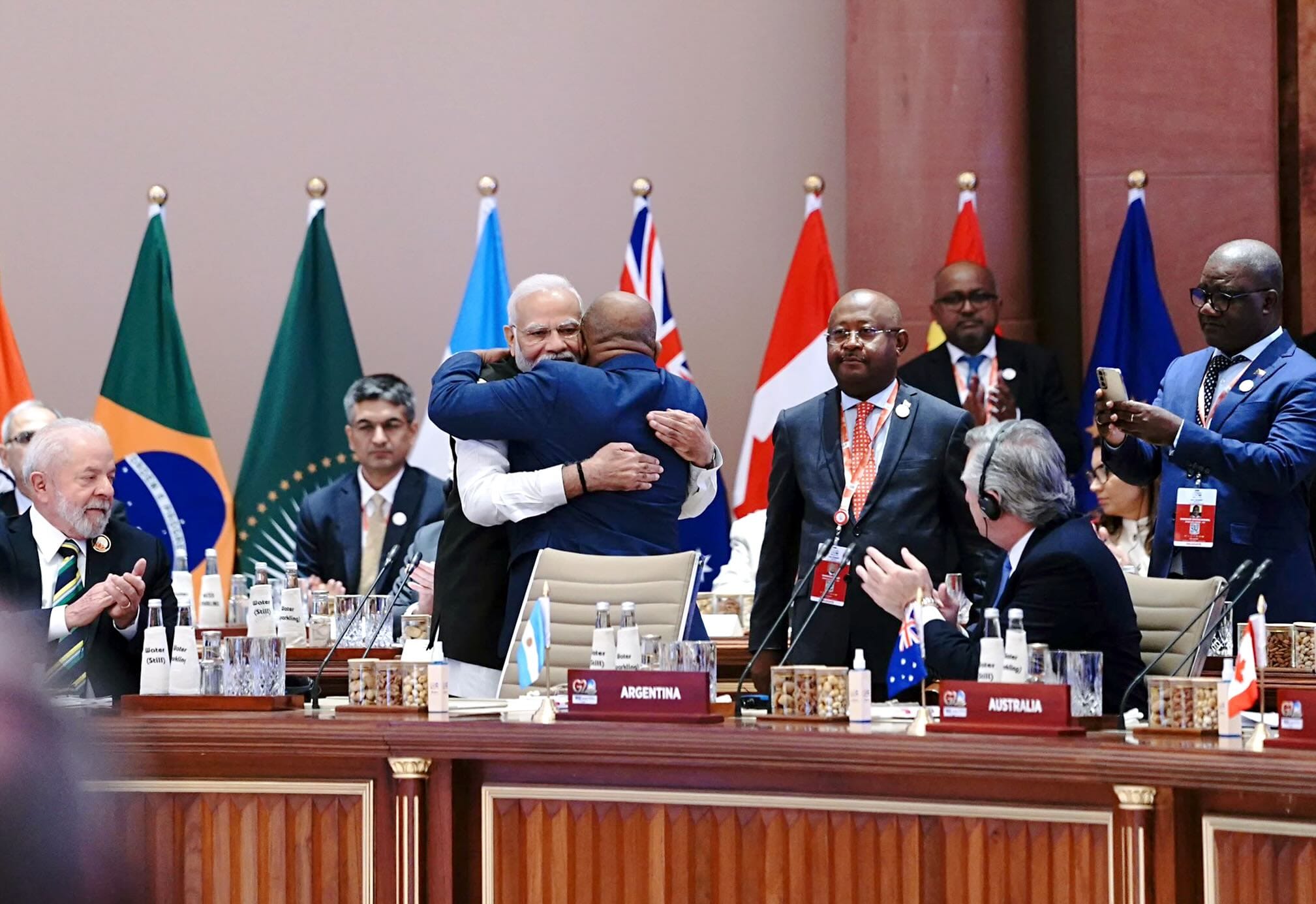
India’s ‘Engage Africa’ Policy: Changing Dynamics
Indian foreign policy is constantly evolving and adapting to the changing global landscape. India has updated its foreign policy towards connecting eastern and western countries, Act East and Look West. Africa is the focal point of India’s Global South Policy.
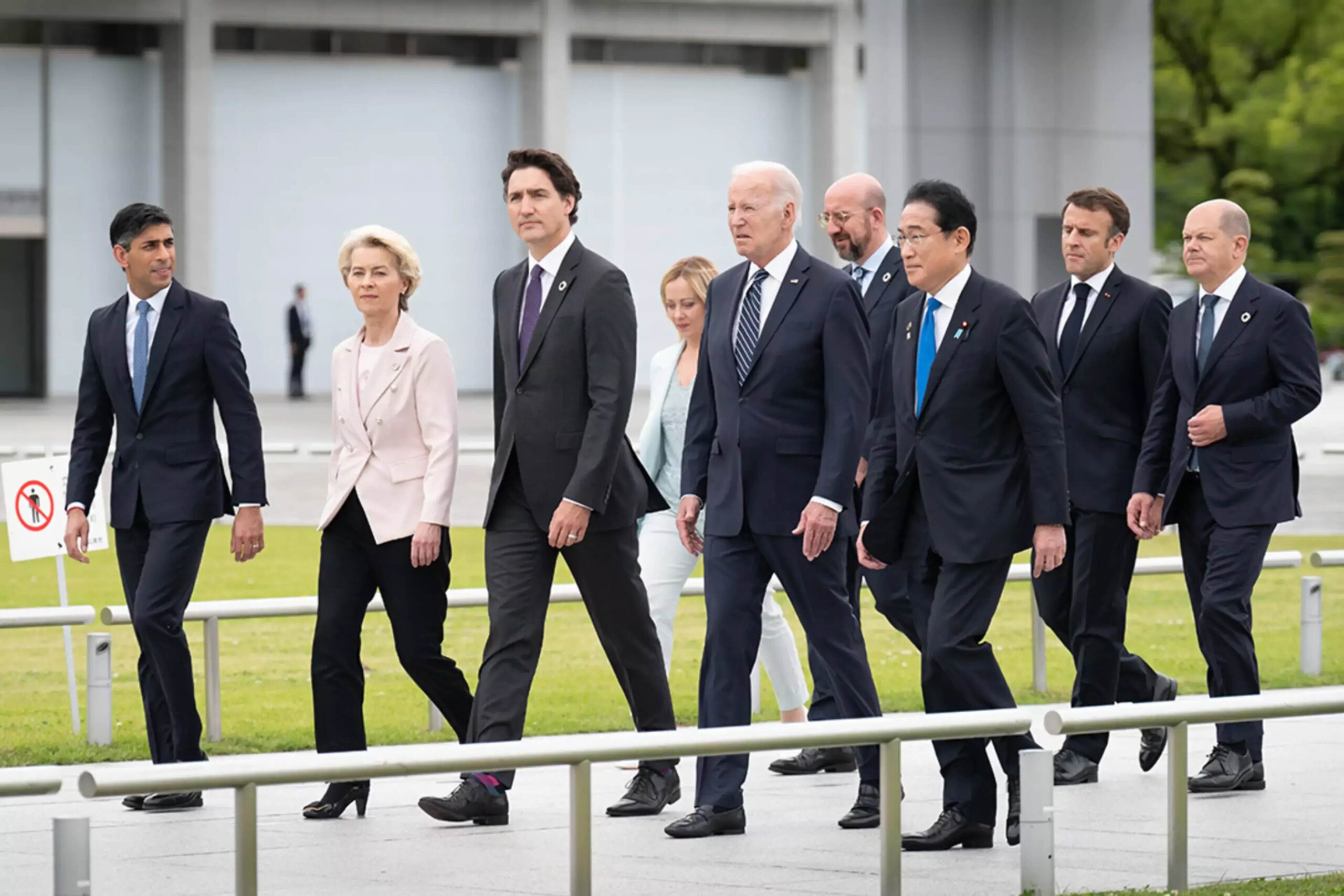
The Group of Seven is the new Saviour of Africa
Group of Seven (G7) is an informal grouping of advanced democracies (Canada, France, Germany, Italy, Japan, United Kingdom and the United States) that meets annually to coordinate global economic policy and address other transnational issues. The G7 plays a significant role in global governance, as its member countries are among the world’s largest economies and have a substantial impact on international relations. The G7’s engagement in Africa is crucial for sustainable development, as the continent faces numerous challenges, including poverty, climate change, and security threats.