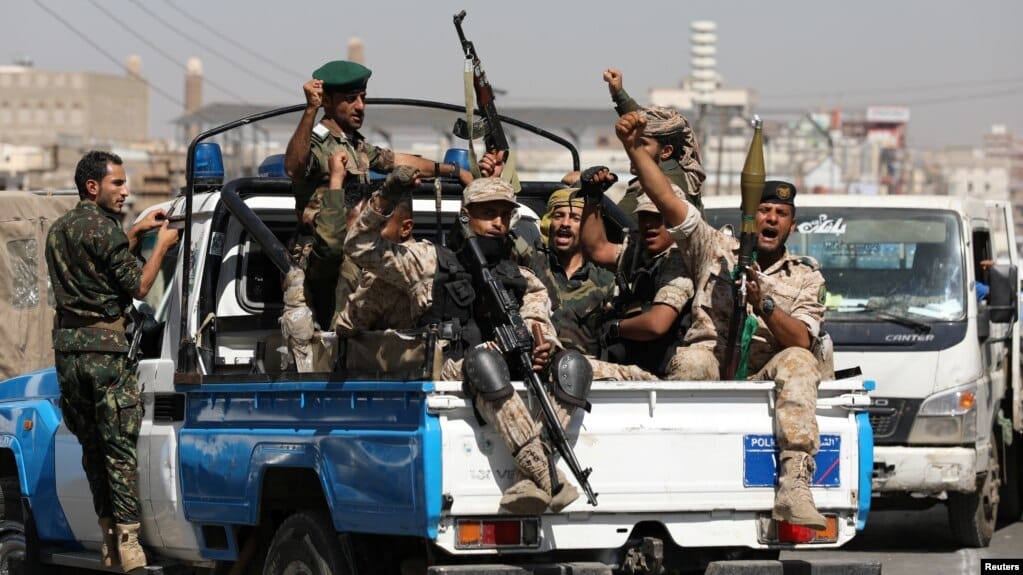
The Yemen war, which has lasted for over a decade, has shifted from a coalition effort against the Houthis to a conflict highlighting a growing divide between Saudi Arabia and the United Arab Emirates (UAE). What started as a coordinated effort has turned into a struggle for influence, territory, and strategic gain, with Yemen as the primary battleground.
Author: Jaiee Ashtekar

The Sokoto Strike: A New Front in the United States’ War on Terror
In the early hours of December 25, 2025, a series of Tomahawk cruise missiles launched from an American warship in the Gulf of Guinea flew north over West Africa. Their target was not a typical base for jihadism in the Middle East but camps in the remote Bauni forest of Nigeria’s northwestern Sokoto State, near the Niger border. This unprecedented U.S. military strike, approved by President Donald Trump and conducted with Nigeria’s consent, aimed at militants connected to the Islamic State (ISIS). It marked a dramatic start to a new and complex front in the global fight against terrorism, highlighting the troubling shift of jihadist violence into sub-Saharan Africa.
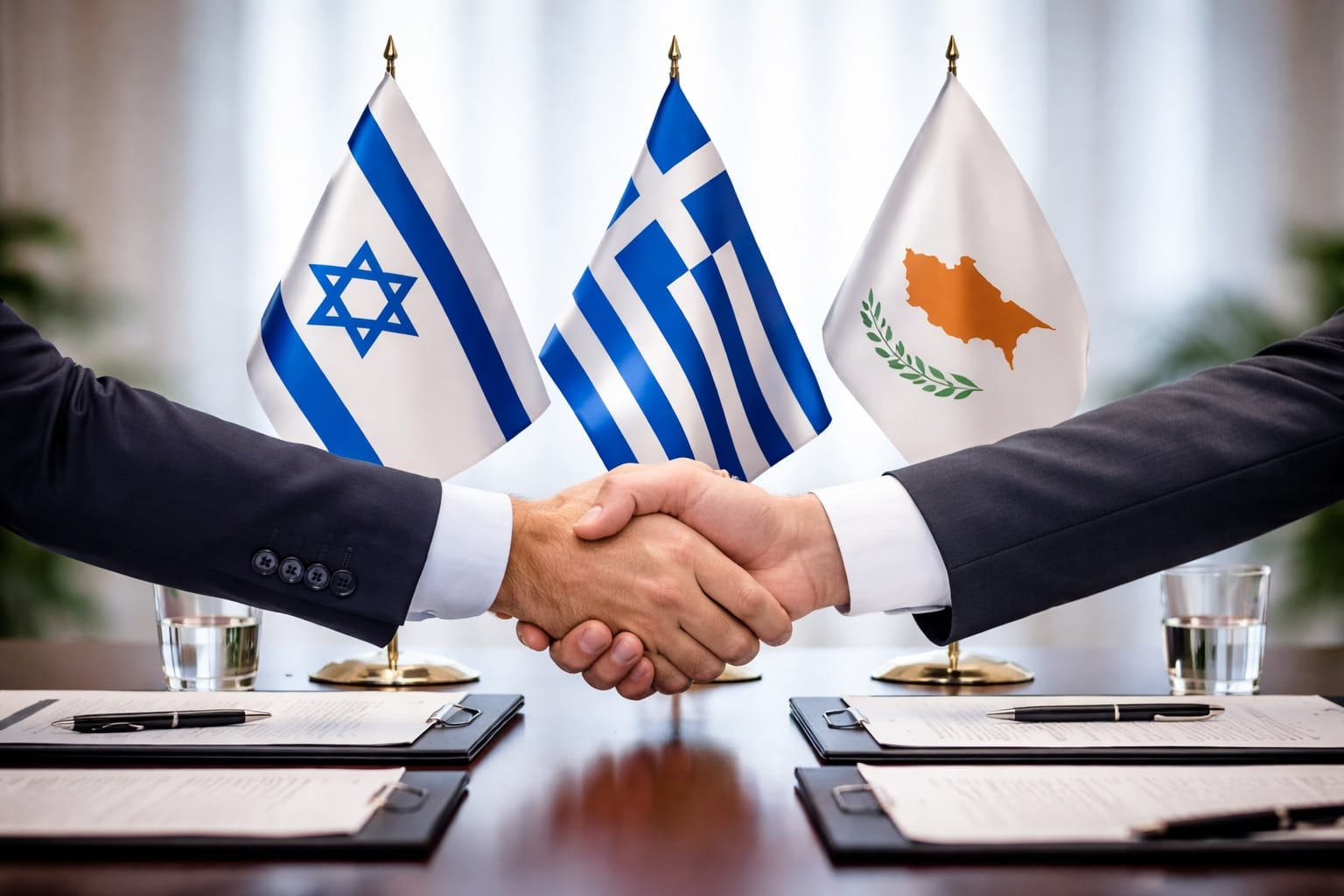
The Israel-Greece-Cyprus Military Pact and Regional Power Shifts
The Eastern Mediterranean has become the centre of a significant geopolitical shift. This change is marked by the recent formalisation of a military cooperation plan between Israel, Greece, and Cyprus. Signed on December 28, 2025, this agreement for 2026 establishes a framework for joint exercises, training, strategic discussions, and crisis response among the three countries, which share strategic interests and regional goals. This pact comes amid ongoing conflict in Gaza and rising tensions with Iran. It signals a clear effort to strengthen a strategic partnership that could affect security and energy dynamics in a volatile region.
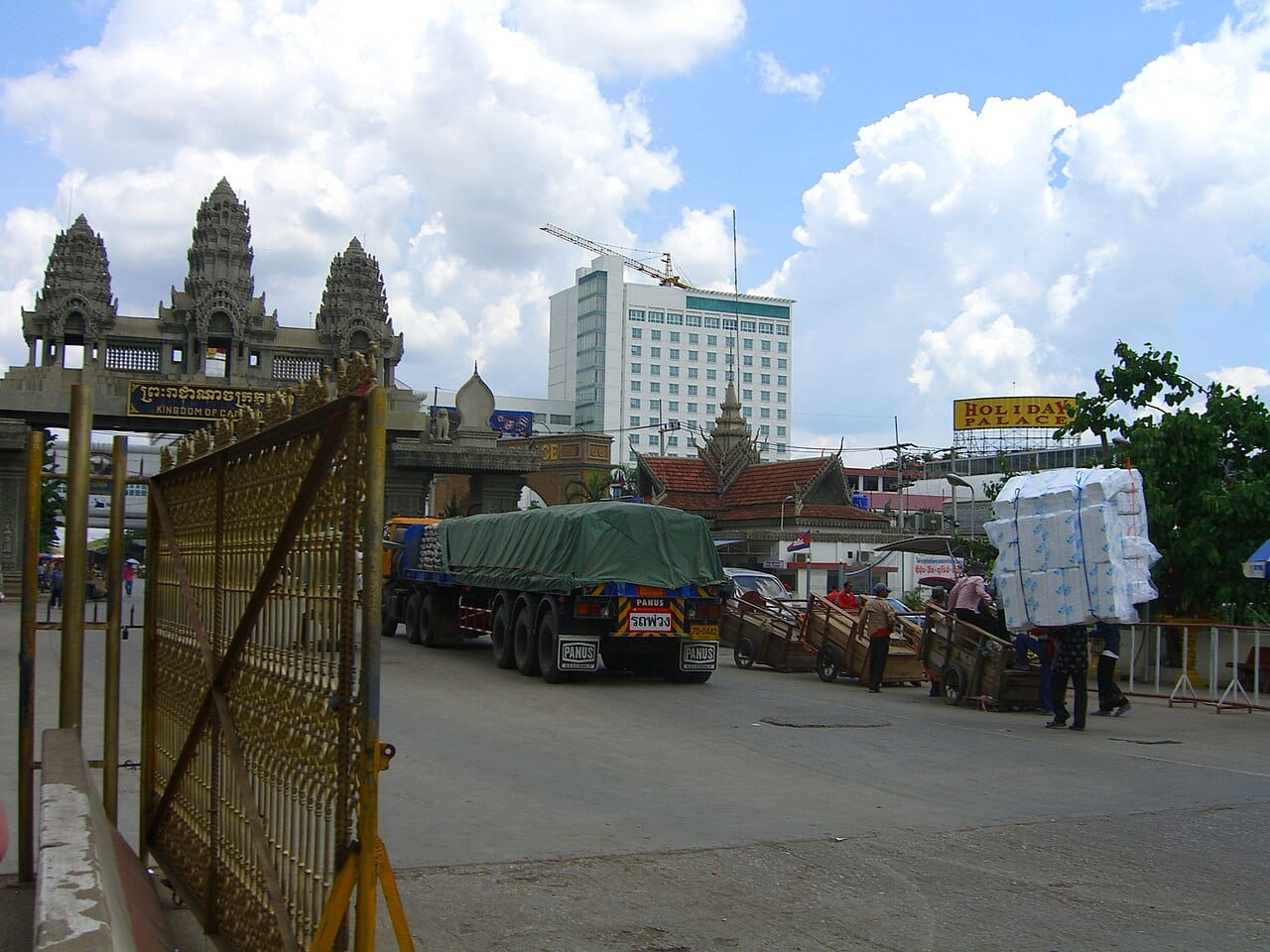
Why are Thailand and Cambodia Fighting at the Border?
Thailand and Cambodia’s border clashes in December 2025 represent a serious increase in their long-standing territorial dispute. This flare-up was ignited by mutual accusations of ceasefire violations and led to airstrikes, ground assaults, and severe civilian suffering. The conflict has its roots in unclear colonial maps concerning the Preah Vihear temple. The fighting resumed after a fragile U.S.-brokered truce from July fell apart amid landmine incidents and ongoing skirmishes. As of December 19, the fighting continued without resolution, displacing thousands and drawing international condemnation.
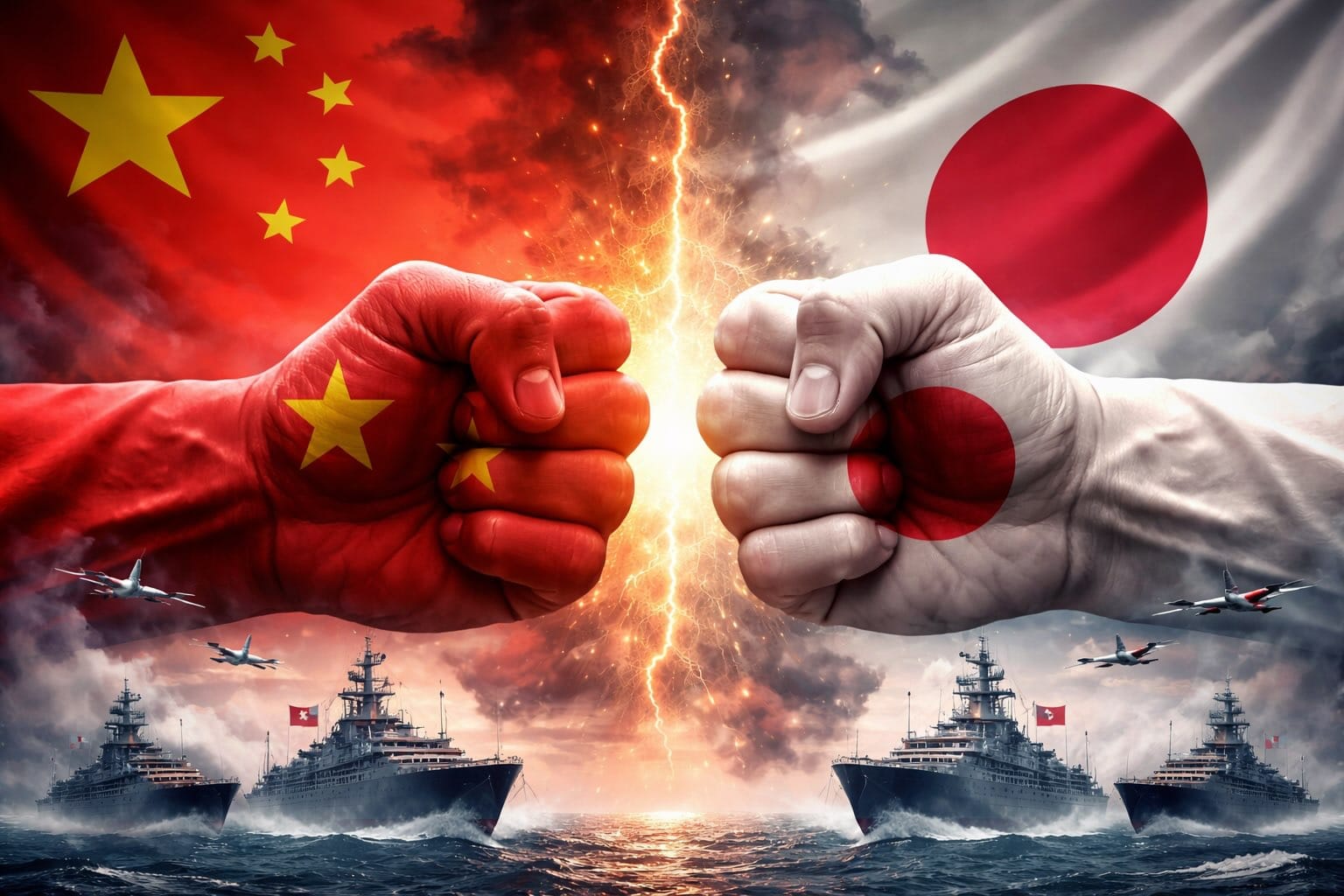
Can Asia’s Greatest Rivalry Step Back from War?
In the icy waters southeast of Okinawa, a Japanese F-15 pilot’s cockpit alarm issues a serious warning. A Chinese J-15 fighter jet has locked its fire-control radar onto the aircraft, a modern equivalent of pointing a loaded gun. In Tokyo, officials urgently summon the Chinese ambassador. In Beijing, state media threatens “severe consequences.” This incident on December 7, 2025, was not an isolated near-miss. It marked the latest and most concerning trigger in a diplomatic crisis that has pushed Asia’s two biggest powers to the brink of conflict, a situation both deny wanting but seem unable to escape.
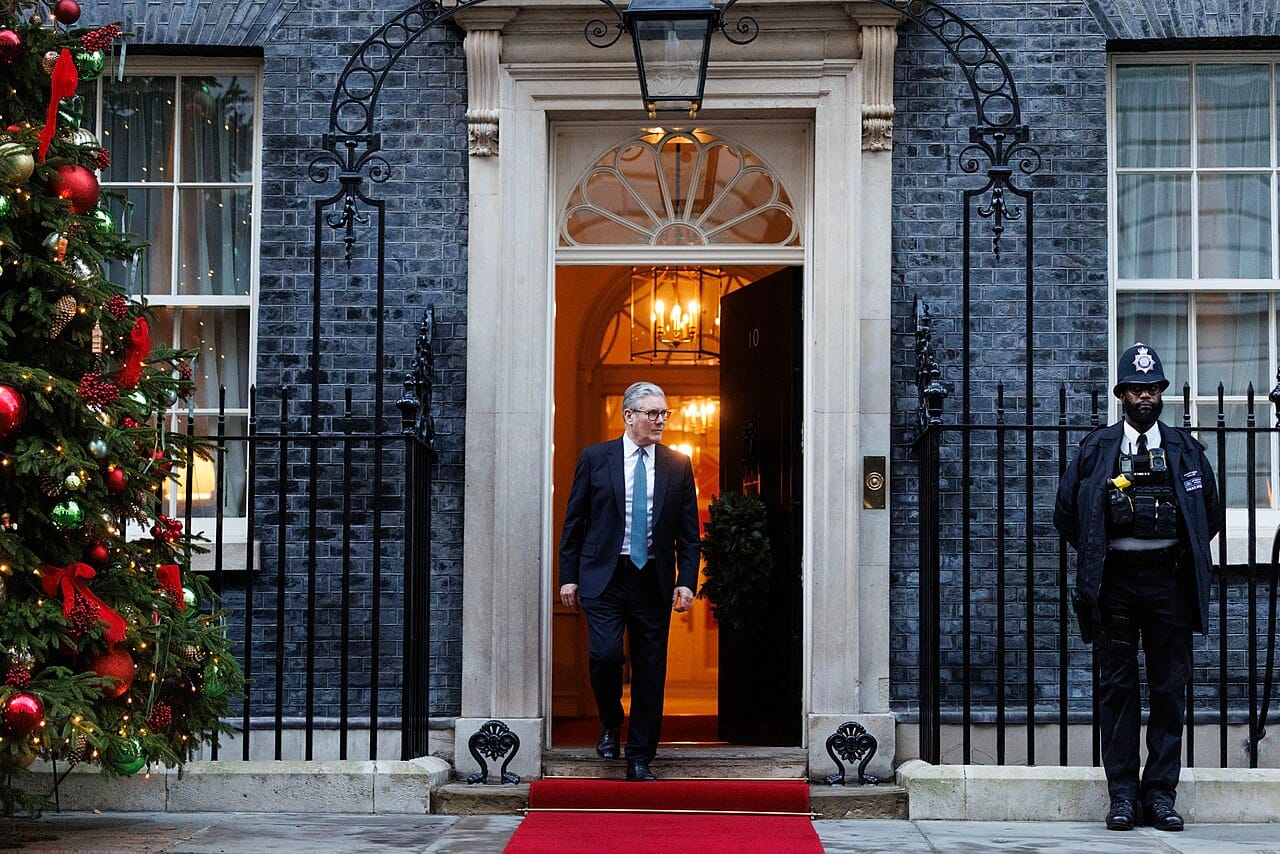
United Kingdom’s Adrift in a Sea of Political Fragments
The United Kingdom, a nation whose name suggests unity, is facing a deep political breakdown. Barely eighteen months after Sir Keir Starmer’s Labour Party achieved a historic majority, the political scene has splintered into various factions, rebellious parties, and widespread public disappointment. The long-standing divide between Conservatives versus Labour has become irrelevant. Instead, we see a chaotic, multi-party contest where the governing party sits in third place in the polls, a rising nationalist right dictates the agenda, and the authority of the Prime Minister faces open challenges from within his own party. This situation is not just a minor setback for a new government; it marks a fundamental shift in British democracy, sparked by the upheaval of Brexit and intensified by global instability.
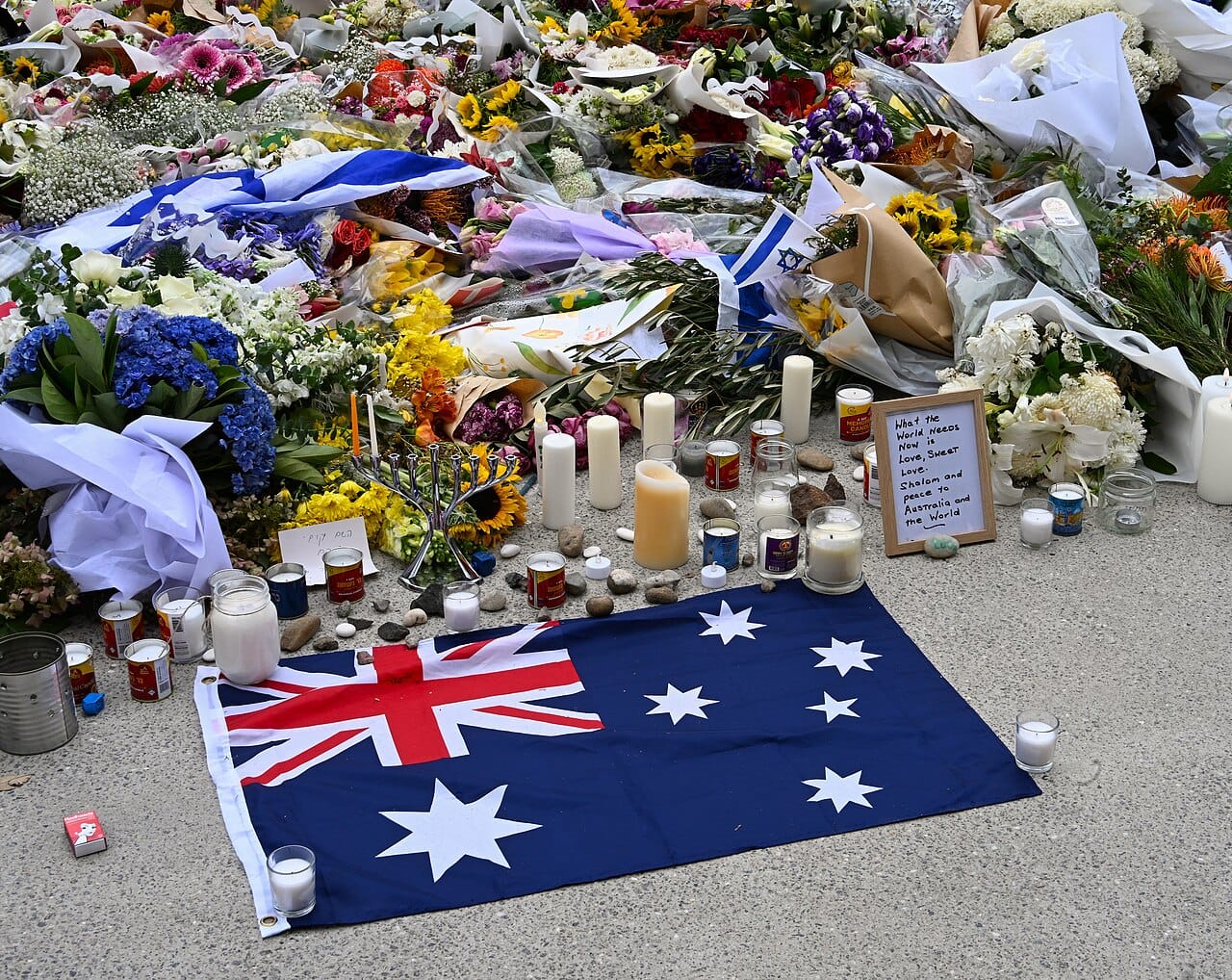
Bondi Beach Massacre: A National Trauma and a Global Warning
A place known for sun, surf, and carefree Australian summers was forever marked this week. On the evening of December 14, 2025, families gathered at Sydney’s Bondi Beach to celebrate the first night of Hanukkah. Suddenly, gunfire shattered the peaceful evening. In a brutal attack, two gunmen opened fire on a crowd of nearly a thousand people, turning a celebration into one of Australia’s darkest moments. Authorities have declared this a terrorist incident inspired by the Islamic State. The attack killed sixteen people, including a ten-year-old girl and an 87-year-old Holocaust survivor, and injured over forty more. Beyond the shocking numbers lies a deep national trauma that raises urgent questions about domestic security, rising hatred, and Australia’s role in an unstable world.

The 26/11 Attacks and the Unfinished War on Terror
On November 26, 2008, ten young men from Pakistan sailed unnoticed through the dark waters toward India’s financial capital, leaving a trail of violence in their wake. They had already murdered the crew of an Indian fishing trawler, the Kuber, and now they were approaching Mumbai’s coastline in inflatable dinghies. Their landing at two separate locations in Colaba around 8:00-9:00 PM marked the beginning of a sixty-hour siege that would claim 175 lives, injure over 300, and traumatise a nation. As we stand seventeen years removed from those terrifying nights, the trail of 26/11 continue to shape geopolitics, counter-terrorism strategies, and the lives of survivors in ways both profound and disturbing.

Nigeria’s Enduring Crisis and the World’s Difficult Choice
A social media post from a world leader can sometimes bring attention to a forgotten crisis. In late 2025, President Donald Trump did just that, threatening to cut off all aid and enter Nigeria “guns-a-blazing” if the government continued to “allow the killing of Christians.” The post created a significant shift in international diplomacy, forcing a complex conflict in West Africa onto the global stage. It framed the crisis in stark moral terms: a religious genocide calling for Western intervention. However, the reality in Nigeria is far more complicated, rooted in a history of deep religious and ethnic divisions.

The Caribbean Powder Keg: A Formula for an Unwanted War
Global attention is fixed on the tense standoff between the US and Venezuela, marked by military posturing and combative language. This situation does not resemble a conventional war; rather, it is a precarious confrontation that could escalate into widespread conflict with a single misstep. The Trump administration has deployed an impressive naval fleet to the Caribbean – a collection of destroyers and amphibious assault vessels executing operations against ships labeled as drug traffickers. Officially aimed at addressing narcotics issues, the real motivation appears to be a high-stakes geopolitical manoeuvre that threatens to unsettle Latin America and involve foreign powers.