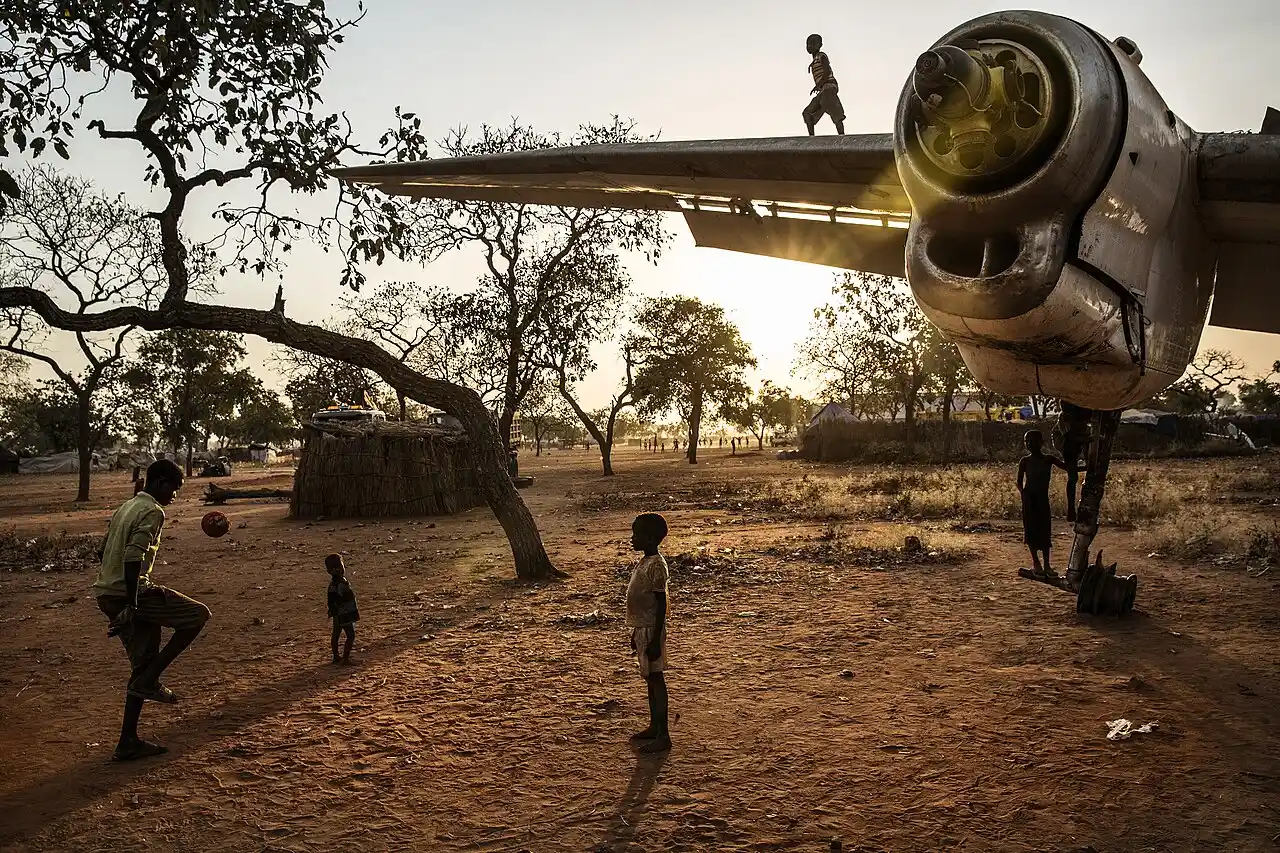
Sudan and South Sudan are close to a dangerous regional crisis. However, their conflicts are not combining into one big regional civil war because their internal issues are very different and do not easily connect. Sudan’s war, which has lasted over 1,000 days since April 2023, involves the Sudanese Armed Forces, led by Abdel Fattah al-Burhan, fighting against the Rapid Support Forces, led by Mohamed Hamdan Dagalo (Hemedti). This is a harsh battle for control of the country, driven by personal goals, money from gold mines in Darfur, and support from other countries.
Author: Harshit Tokas
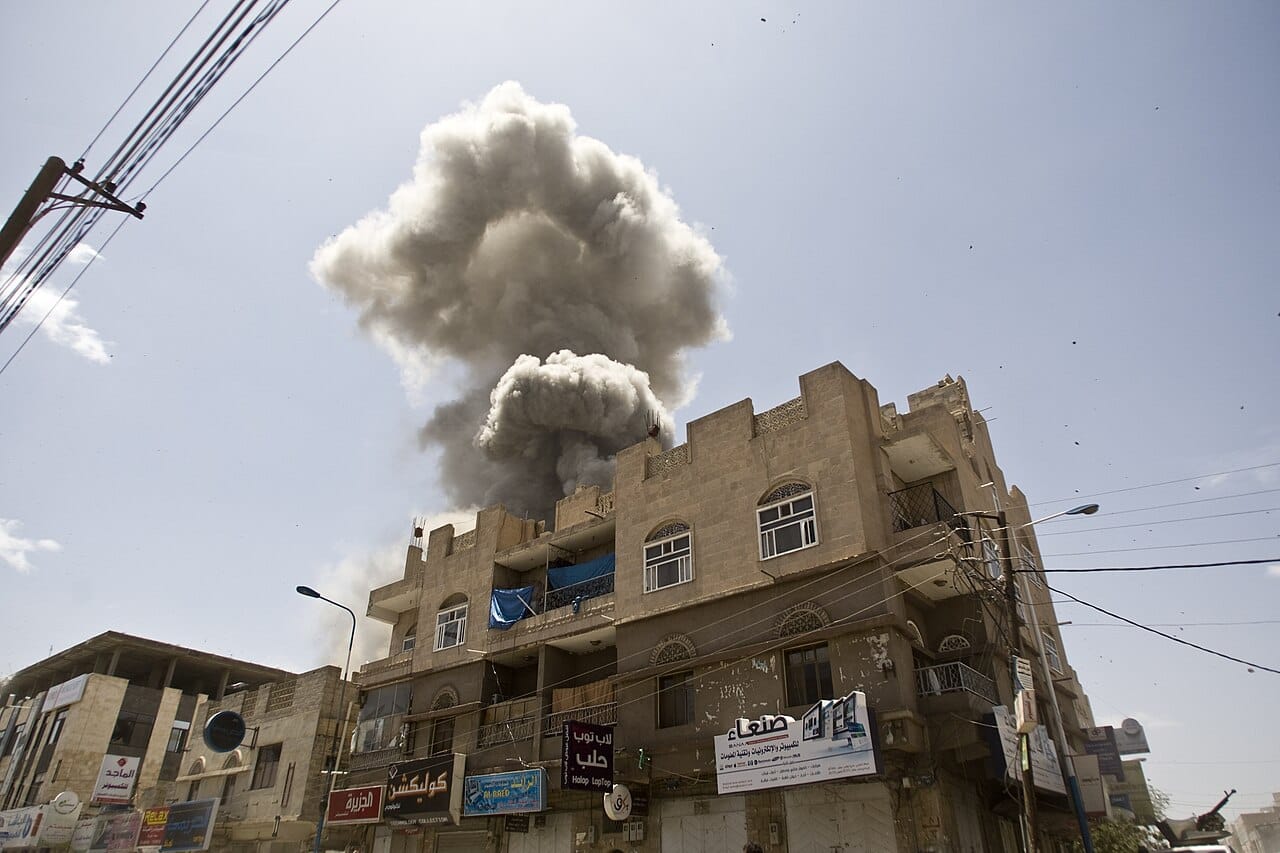
Yemen’s Fractured War and the Fragile Politics that Keep it Alive
The Yemen crisis is again showing the world that wars do not end just because the fighting stops. They end when the political deals that caused them are fixed, or when those deals completely fail. In late 2025 and early 2026, Saudi airstrikes, land gains by the United Arab Emirates-backed Southern Transitional Council (STC), and worse Saudi-UAE ties have brought back some of the biggest problems in Yemen’s war. This is happening at a time when global shipping routes, energy markets, and regional security are already weak. Yemen is again a local war with worldwide effects.

BRICS 2026: Can India Reclaim Multilateralism?
India’s acceptance of the BRICS presidency in 2026 occurs during a period characterised by substantial transformation in global politics. The global economy persists in a state of instability as a consequence of resurgent protectionism, nationalist trade policies, and increasing geopolitical tensions. The tariffs, threats, and unilateral actions undertaken by President Donald Trump have contributed to heightened instability in global market systems. Concurrently, developing economies within the Global South, grappling with debt-related pressures, energy market volatility, and disparities resulting from the post-pandemic context, are advocating for a more equitable global order.