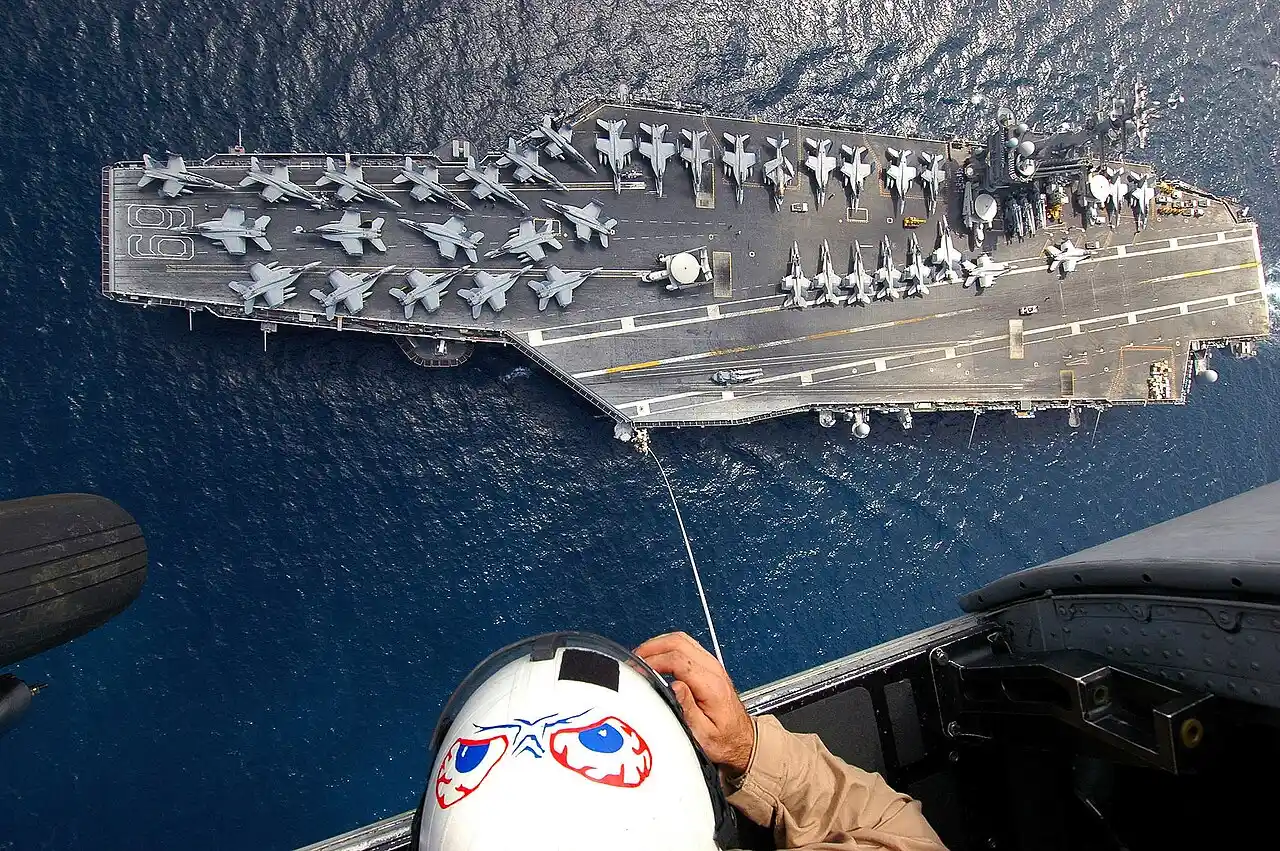
In the age of great power competition, wars are increasingly waged by proxy. Instead of meeting on the battlefield, major powers are armed, financed, informed, and militarily assisted partners fighting each other in other regions. From Europe to the Middle East, today’s wars more and more look like external powers are fighting on different sides, supporting, but not formally joining, the fight. This growing dependence on proxy warfare marks a transformation of international conflict at its core.
Author: Archita Gaur

Is Modern Industrial Policy a Return to Mercantilism?
In the post-Cold War decades, globalisation developed along a distinctly liberal economic logic. The US-led multilateral trade regime was conceived essentially as a framework under which open markets, comparative advantage, and multilateral trade would lead to prosperity and stability. Production networks extended beyond borders, but this process was driven by cost efficiency and market rationalisation, not strategic government direction.

War without an End: Disability and the Politics of Survival
The Convention on the Rights of Persons with Disabilities described disabled people as rights-holders even during war, not as charity recipients. Article 11 of the Convention acknowledges that armed conflict and humanitarian emergencies exacerbate vulnerabilities, rather than just creating new ones. The framework considers disability as a pre-existing social reality, making neglect during war as a failure of state responsibility. Despite this, implementation during prolonged wars remains weak, exposing the gap between legal recognition and lived reality.