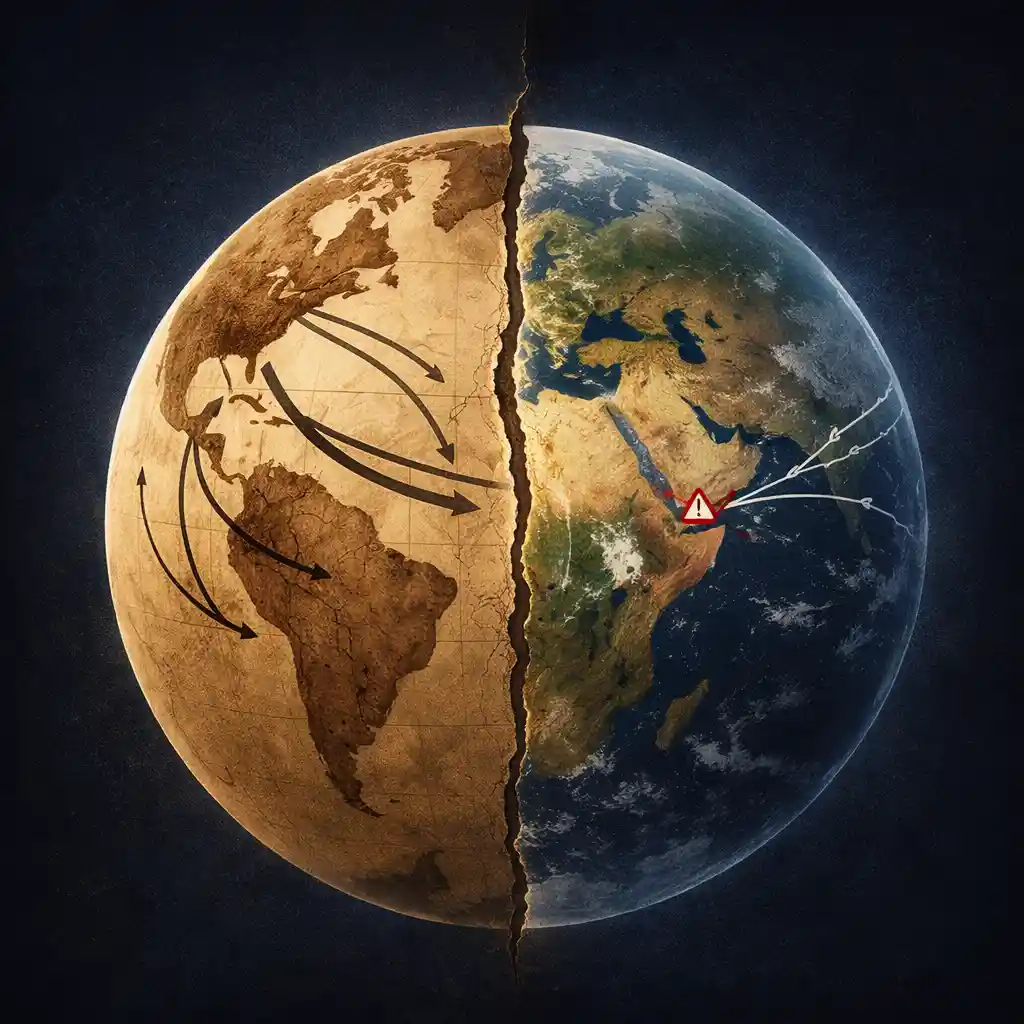
There is a temptation, watching India’s LPG crisis unfold in March 2026, to invoke the Second World War as a counterpoint, an era when civilisation itself was at stake, yet somehow, fuel still moved, kitchens still burned, and industrial supply chains held together well enough to sustain a global war effort. The comparison is emotionally satisfying. It is also, at first glance, historically plausible. But the data tells a more complicated and ultimately more instructive story
Author: Anirudh Phadke
While the Missiles Fall, Beijing Watches and Learns
The public record on China’s response to the Iran war is clear and unremarkable. Since US and Israeli forces launched Operation Epic Fury on February 28, Beijing has condemned the strikes as violations of international law, called for an immediate ceasefire, and dispatched Special Envoy Zhai Jun to the region. It has evacuated over 3,000 Chinese citizens from Iran. Foreign Minister Wang Yi has made calls to counterparts in Russia, Iran, Oman, France, Israel, Saudi Arabia, and the UAE.
NATO’s Most Dangerous Member Just Got More Dangerous
When the United States and Israel launched strikes on Iran on February 28, 2026, every NATO member was forced to decide where it stood. Most followed Washington’s lead quietly, if not enthusiastically. Spain refused use of its bases and triggered a furious response from the White House. France and Germany called for restraint. Turkey reacted in a way that was more complex than the other countries. It condemned the strikes as a violation of international law and blocked coalition forces from using its airspace and bases. When Iran’s Supreme Leader was assassinated, Turkey publicly mourned the loss
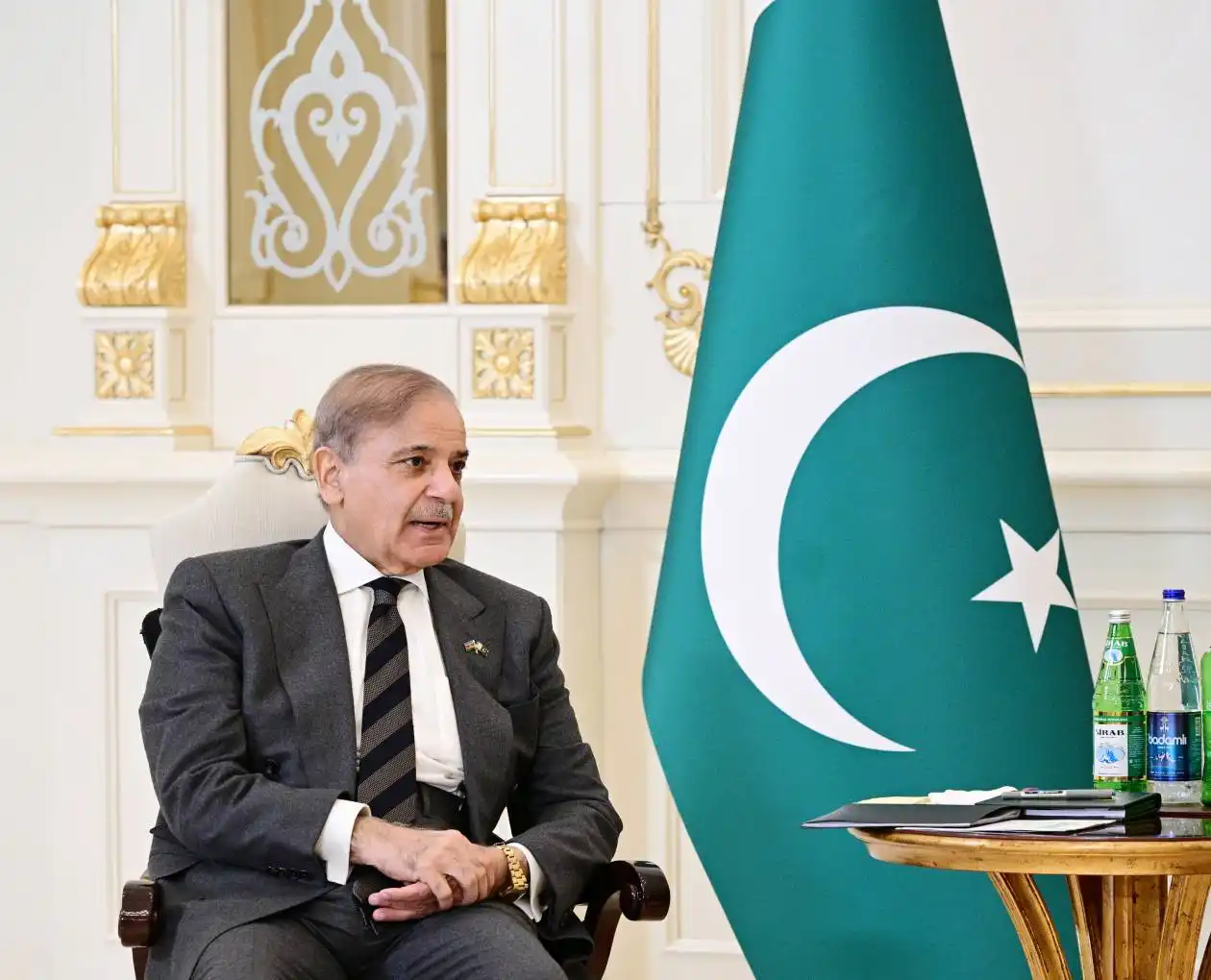
The Four Fault Lines the Iran War just Cracked Open in Pakistan
When the United States and Israel launched coordinated strikes against Iran on February 28, 2026, every country in the region was forced to pick a lane. Most found one, if only rhetorically. The Gulf states condemned Iran’s retaliatory missile barrages on their soil. China called for restraint and dispatched an envoy. Turkey blocked use of its airspace. India said nothing, and meant it. Pakistan could not afford to say nothing. And it could not afford to say something.
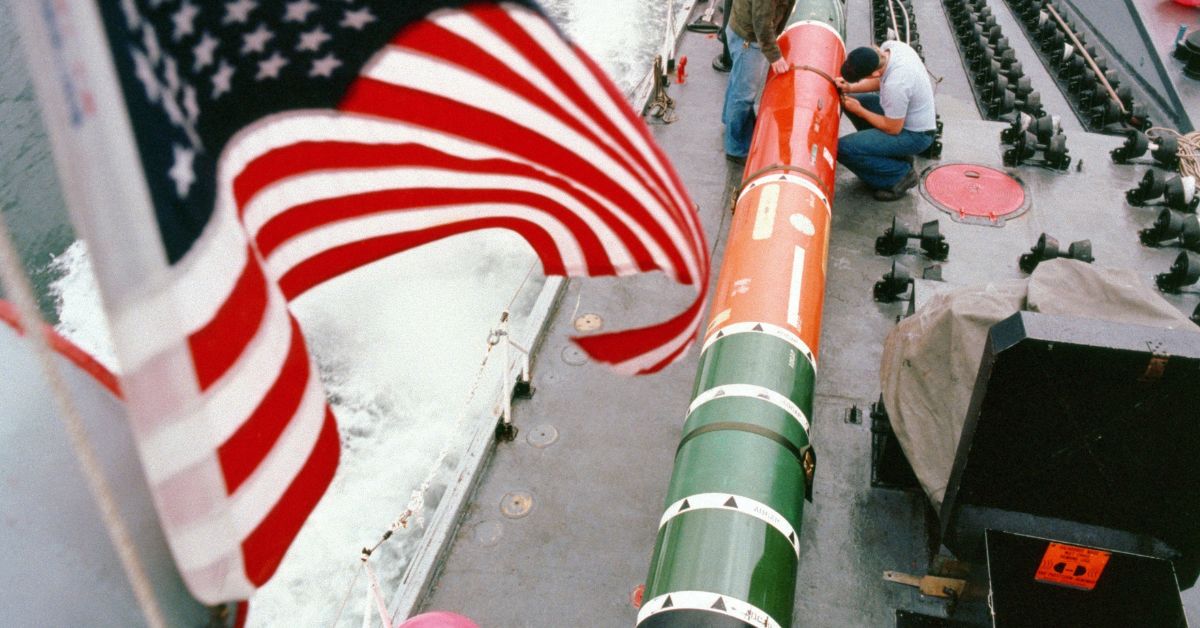
Was the Sinking of IRIS Dena by the United States a War Crime?
At 5:08 in the morning of March 4, 2026, a distress call crackled out from a position roughly 40 nautical miles south of Galle, Sri Lanka. By the time Sri Lankan naval vessels reached the coordinates, IRIS Dena, an Iranian Moudge-class frigate, commissioned in 2021, carrying approximately 180 sailors had already vanished beneath the Indian Ocean. What remained were spreading oil slicks, floating debris, and men treading water far from shore. The US government later confirmed, with apparent pride, that one of its nuclear-powered attack submarines had fired a single Mark 48 torpedo at the vessel.
10 Conflicts to Watch in 2026
As we moved into 2026, the world is no longer merely “watching” conflicts – it is living with them. Civil war in Sudan has deepened into a regional humanitarian catastrophe, Ukraine remains locked in a war of attrition with global consequences, India-Pakistan tensions continue to cast a long shadow over South Asia and multiple theatres across Central Africa are sliding into protracted violence. This special newsletter revisits the evolving conflict landscape and examine what these wars reveal about power, governance and the fragility of the current global order and why their trajectories in 2026 matter far beyond their immediate borders.
Operation Sindoor: Justice is Served by the Indian Army
The attack on (mostly Hindu) tourists triggered a nation wide call for swift military action and the same was promptly delivered by the Indian Armed Forces during early hours on 7th May 2025, codenamed Operation Sindoor. This article is a general briefing about the India’s swift military operation against Pakistan followed by ongoing retaliatory attacks and ending with aftermath along with remarks containing public and international reactions.

2+2=5, the Mathematical Fallacy Distorting Truth through Politics
In George Orwell’s 1984, “2 + 2 = 5” is used a metaphor of power over truth i.e., if the government regime says something is true, you’re forced to believe it. In this commentary, I will explore this simple arithmetic falsehood that is often used metaphorically to represent government propaganda, symbolising the manipulation of truth across different periods of modern history, including the World Wars and contemporary times. I will also interpret this fallacy in the context of the Kashmir’s Pahalgam terror attack by Pakistan-backed militants.
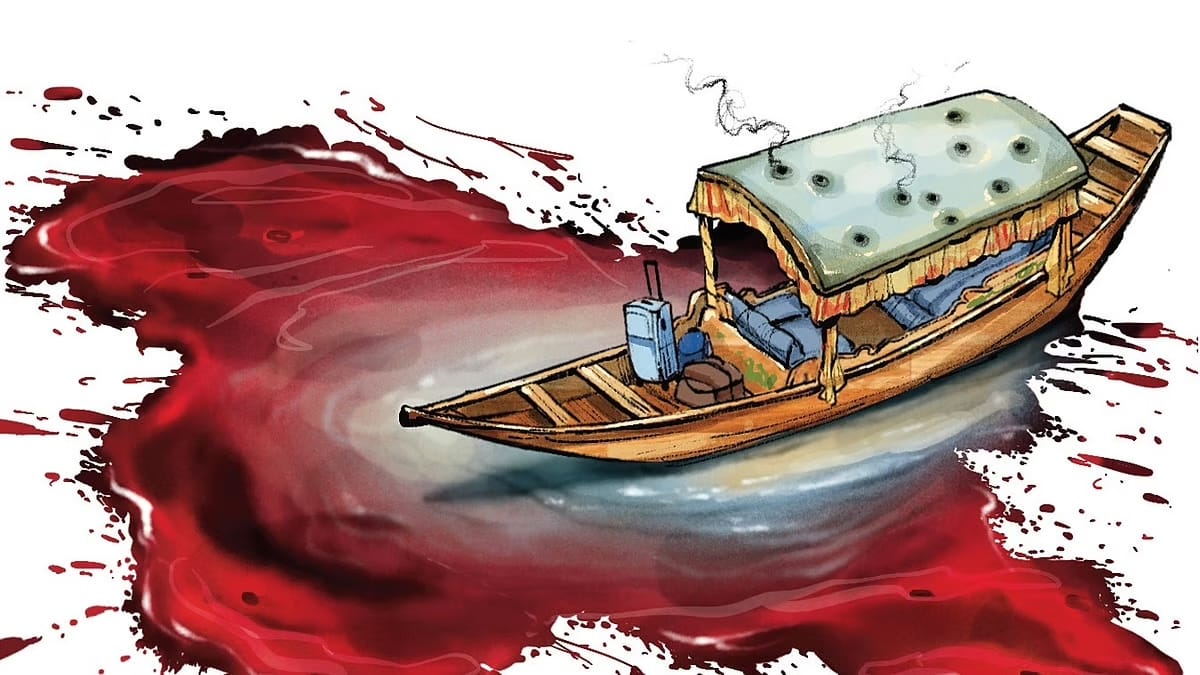
Decoding the Pahalgam Terror Attack through an Intelligence Lens
While my previous article (commentary) discussed the potential link between these two attacks and how they fit into the ongoing proxy conflict between India and Pakistan — more specifically between their respective intelligence agencies, namely the Research and Analysis Wing (R&AW) and the Inter-Services Intelligence (ISI) — in this article, I argue that Pakistan’s military, particularly its Special Service Group (SSG) (Pakistan’s special forces), must be behind this attack, with planning support from the ISI-backed groups, Lashkar-e-Taiba (LeT) and The Resistance Front (TRF).
Is the Pahalgam Attack a Retaliation for the Jaffar Express Hijacking?
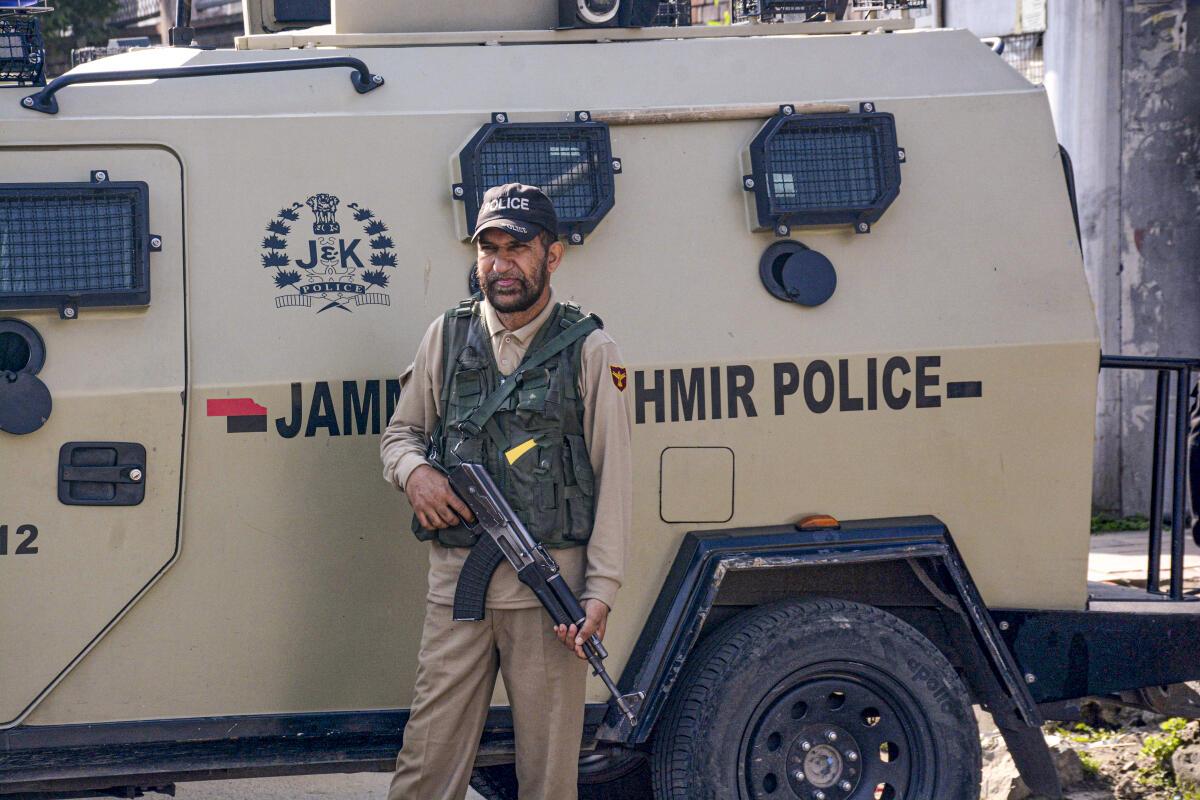
While it’s speculative, I find a connection with the unfortunate event of the targeted killing of Hindus by Islamic terrorists in Pahalgam yesterday, which fits within highly recognisable pattern of proxy conflicts and covert retaliatory attacks that have long characterised India-Pakistan dynamics especially around Kashmir and Balochistan. The connection forms in such a way that the Pahalgam attack, perpetrated by militants of the Pakistan-linked terror outfit The Resistance Front (TRF), is directly a predecessor to the Jaffar Express hijacking (11th March 2025), which was carried out by militants of the Balochistan Liberation Front (BLA), an outfit that Pakistan claims has links with India.