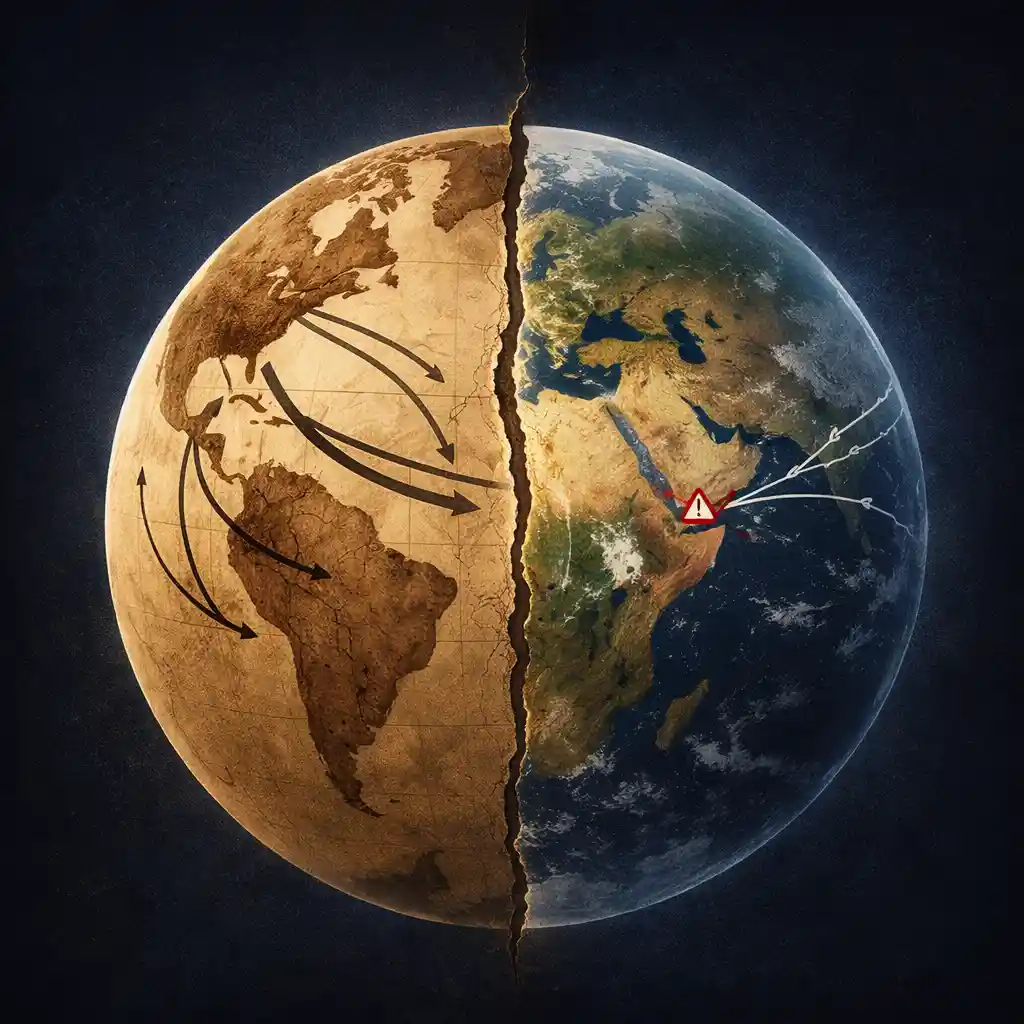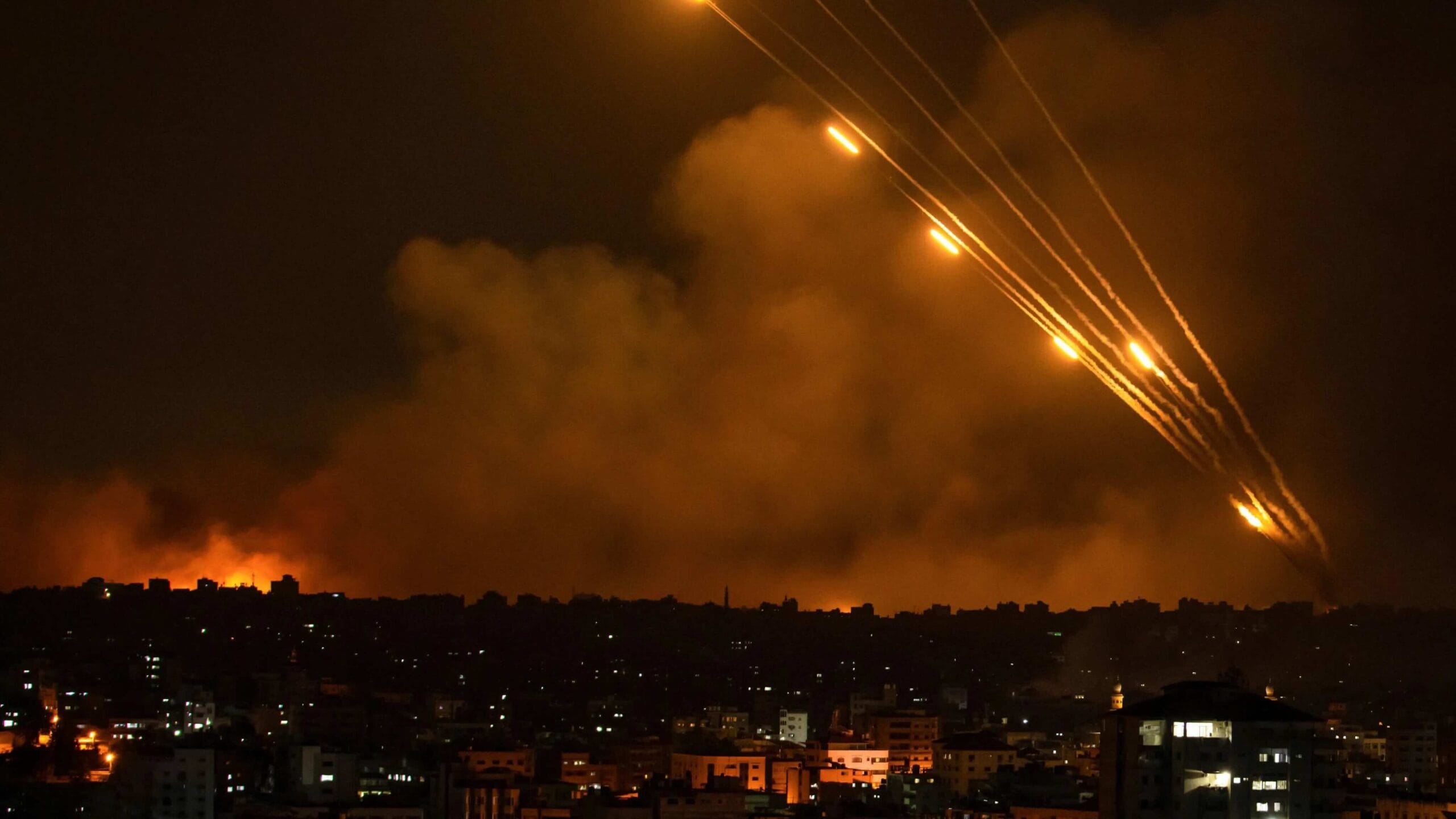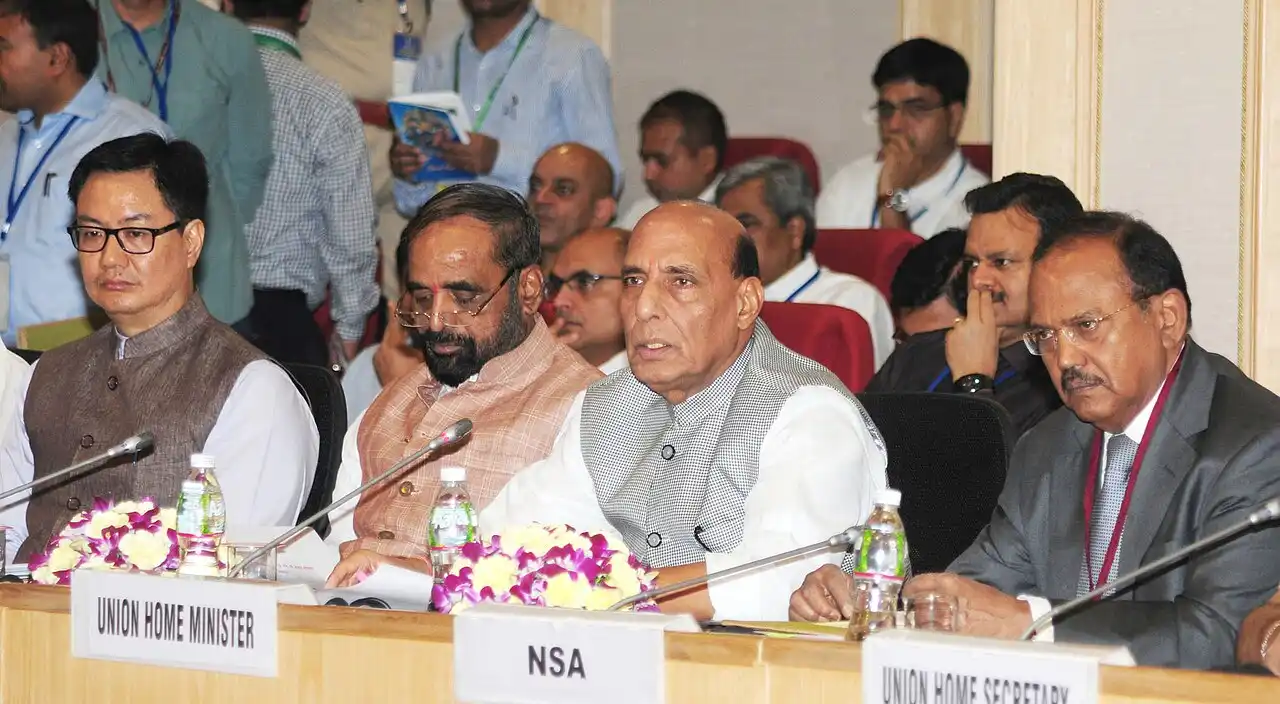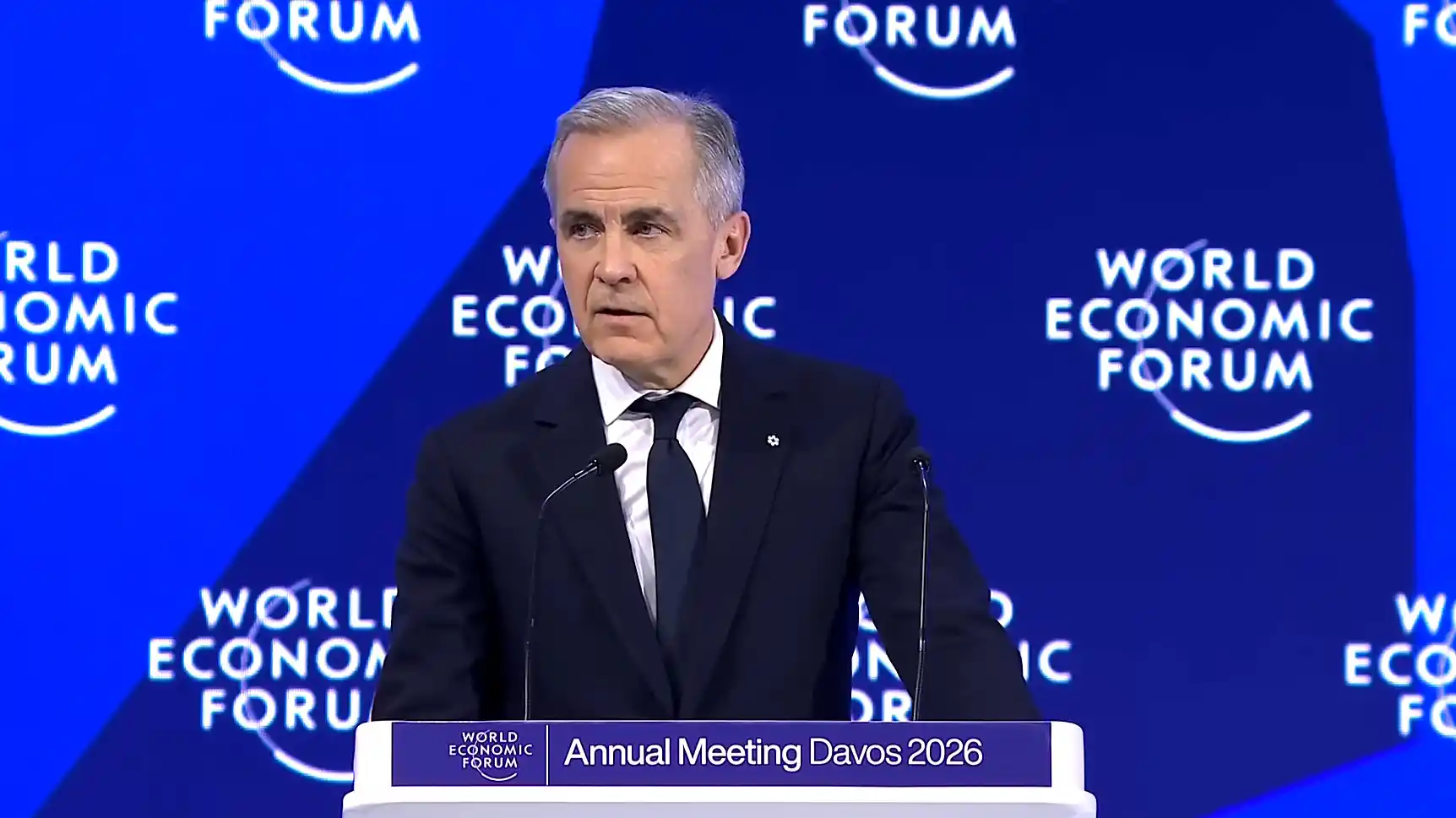
The World Economic Forum held its 2026 Annual Meeting with the theme “A Spirit of Dialogue,” once again transforming the alpine silence of Davos into motorcades, guarded passageways, and rushed diplomacy. This year, however, the atmosphere was everything from formal. Davos 2026 took place in a world that is becoming more and more defined by technological advancements, geopolitical division, and concerns about climate change.
It was more of a high-altitude stress test to see if collaboration still had political oxygen than a celebration of globalisation’s victories. Supply chains were described by executives as security assets. Economic policy was presented by heads of state as a geopolitical strategy. Technology leaders also claimed that computer power, data, and electricity are now just as important as oil. If Davos has always been a barometer of elite consensus, this year it measured something closer to nervous pragmatism.
From Grand Globalism to Strategic Realism
The comfortable language of seamless interconnectedness that had previously characterised the forum’s tone had vanished. A lexicon of “resilience,” “sovereignty,” and “de-risking” replaced it. Reducing sensitivity to geopolitical shocks from energy reliance to semiconductor supply chains was a topic of open discussion among European officials. Developing countries lobbied for more equitable access to technology and climate funds.
In the meantime, investors sought ventures free from political unrest. The corridors spoke for themselves: bilateral talks centred more on specialised partnerships; defence manufacturing elsewhere, sustainable energy infrastructure there, vital minerals here, than on nebulous international ambitions. Davos has not abandoned cooperation; it has narrowed it into smaller, harder coalitions built around shared strategic interests.
Zelenskyy’s Moral Reckoning with Europe
One of the summit’s most memorable events was Volodymyr Zelenskyy’s special address, which once again brought geopolitics out of theory and into raw reality. Zelenskyy’s message was clear: Europe risks being locked in cycles of reluctance if aggressiveness advances more quickly than diplomacy. His address went beyond emotional appeal to institutional challenge, advocating for speedier military support, the transfer of frozen Russian assets into reconstruction funds, and enforceable long-term security assurances for Ukraine. What made his speech memorable was the way he framed Ukraine as a test case for the international order’s credibility, rather than just a battleground.
He hinted that if democratic governments were unable to protect sovereignty in this case forcefully, the precedent would spread well beyond Eastern Europe. Discomfort lurked behind the clapping. Many leaders privately acknowledged their electorates’ political exhaustion, while also seeing the clear strategic stakes Zelenskyy described. Davos 2026 thus exposed a widening gap between geopolitical necessity and domestic political will.
Musk and the Geopolitics of Technology
Elon Musk stood for the power of technological growth, whereas Zelenskyy symbolised the urgent necessity for conflict. In his high-profile interview, Musk portrayed a future characterised by robotics, artificial intelligence, and an abundance of energy, implying that infrastructure rather than ideas is now the real bottleneck of modern society. He said that which nations spearhead the next economic revolution would depend on electricity grids, semiconductor manufacturing, and regulatory flexibility. He predicted the quick commercialisation of autonomous gadgets, denounced trade barriers that hinder the use of renewable energy, and urged governments to set strategic goals for computers and energy.
There was a huge round of applause. The underlying significance was more obvious, though: private technology companies may now influence economic trends just as effectively as the government. Musk’s vision is predicated on market-driven solutions, speed, and scalability. However, it also brings up unsettling issues around the ownership of computational infrastructure, the concentration of technological power that controls data flows, and whose interests influence the regulations. Davos 2026 made it clear that technology is no longer a sector; it is a geopolitical force.
Climate: Quieter, but no Less Consequential
In contrast to other years when climate action grabbed headlines, Davos 2026 embraced sustainability with sustained urgency rather than dramatic flair.Investors were particularly interested in climate adaptation infrastructure, resilient agriculture, green hydrogen, bankable transitions, and renewable grids. Governments sought out dependable financing sources rather than making grandiose promises. The shift was a reflection of realism: financial architecture and legal clarity are now necessary to build climate ambition rather than depending just on summit declarations.
But there were also concerns that long-term climate collaboration will be overshadowed by geopolitical rivalry, particularly if energy security begins to favour fossil fuels during emergencies once again. The challenge ahead is whether green transition can remain a shared global project in an era increasingly defined by strategic rivalry.
The New Davos Calculus: Power, not Platitudes
Three themes dominated the week’s serious conversations: First, economic policy is now security policy. From semiconductors to rare earth minerals, nations are redesigning trade around strategic resilience rather than cost efficiency. Secondly, the technology is rewriting the global hierarchy. AI leadership, energy capacity and digital infrastructure increasingly determine national influence. Third, multilateralism is giving way to modular coalitions. Universal agreements are harder to achieve; targeted alliances are becoming the default. Davos, in this sense, has evolved from a forum of global consensus into a marketplace of strategic alignment.
The Persistent Criticism
However, the Forum is still frequently criticised for elitism, carbon-intensive travel, and a perceived gap between idealistic rhetoric and tangible outcomes. According to civil society organisations, decisions that affect billions of people are made in locations that are inaccessible to the general public. Critics question whether legally binding international law can ever be replaced by voluntary promises.
In response, the WEF claims that dialogue is beneficial to the public as it is one of the only venues where organisations, corporations, and governments may engage equally. The truth is probably somewhere in the centre. Although Davos does not create global policy, it certainly influences the partnerships, concepts, and signals that eventually lead to it.
A Critical Afterword: Dialogue or Design of a New Order?
Davos 2026 did more than highlight a world in distress; it showcased a world undergoing a quiet transformation. Zelenskyy’s call to action emphasises the precariousness of collective security when democratic systems waver. Musk’s faith in technology signals a power shift towards those who control infrastructure rather than geographical territories. Discussions on climate change suggest that collaboration is increasingly confined to financially sustainable areas, moving away from broad global efforts.
A significant question looms over the Alpine setting: Will the future be shaped by institutions built for shared stability, or by networks of strategic interests tied together by capital, technology, and crisis management? If security becomes transactional, technology is centralised, and cooperation is selective, we risk more than just fragmentation. We could be entering a new global era where influence is less about diplomacy and more about the control of infrastructure.
Davos 2026 offered dialogue. Whether that dialogue translates into equitable stability or merely manages a transition toward sharper inequality of power remains unresolved. Perhaps that is the Forum’s greatest paradox: it brings the world together precisely at the moment when the world is learning how to operate apart. The snow will melt long before that paradox does.
All the views and opinions expressed are those of the author. Image Credit: World Economic Forum.
About the Author
Jaiee Ashtekar holds a bachelor’s degree and a master’s degree in political science from the University of Mumbai. She holds a post-graduate diploma in international relations from the University of Strathclyde, United Kingdom (UK). She has done projects titled “Kashmir through Political Perception” and “Water issues between India and Pakistan”.