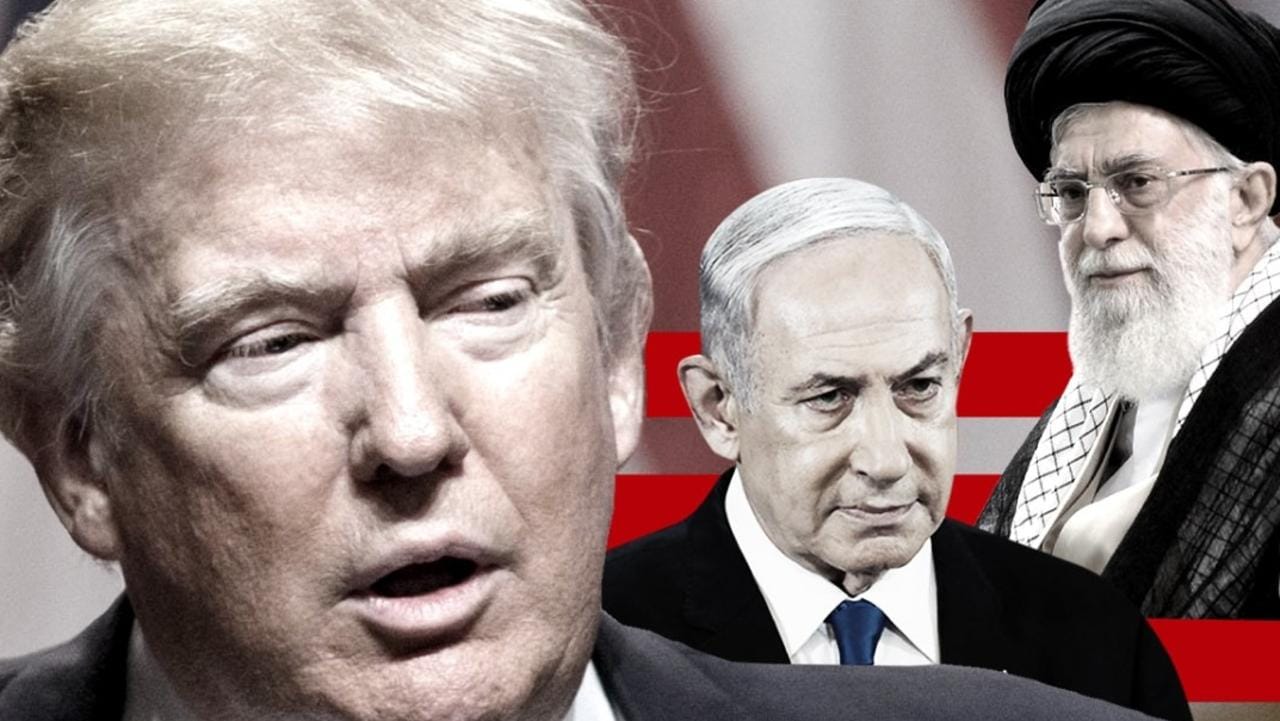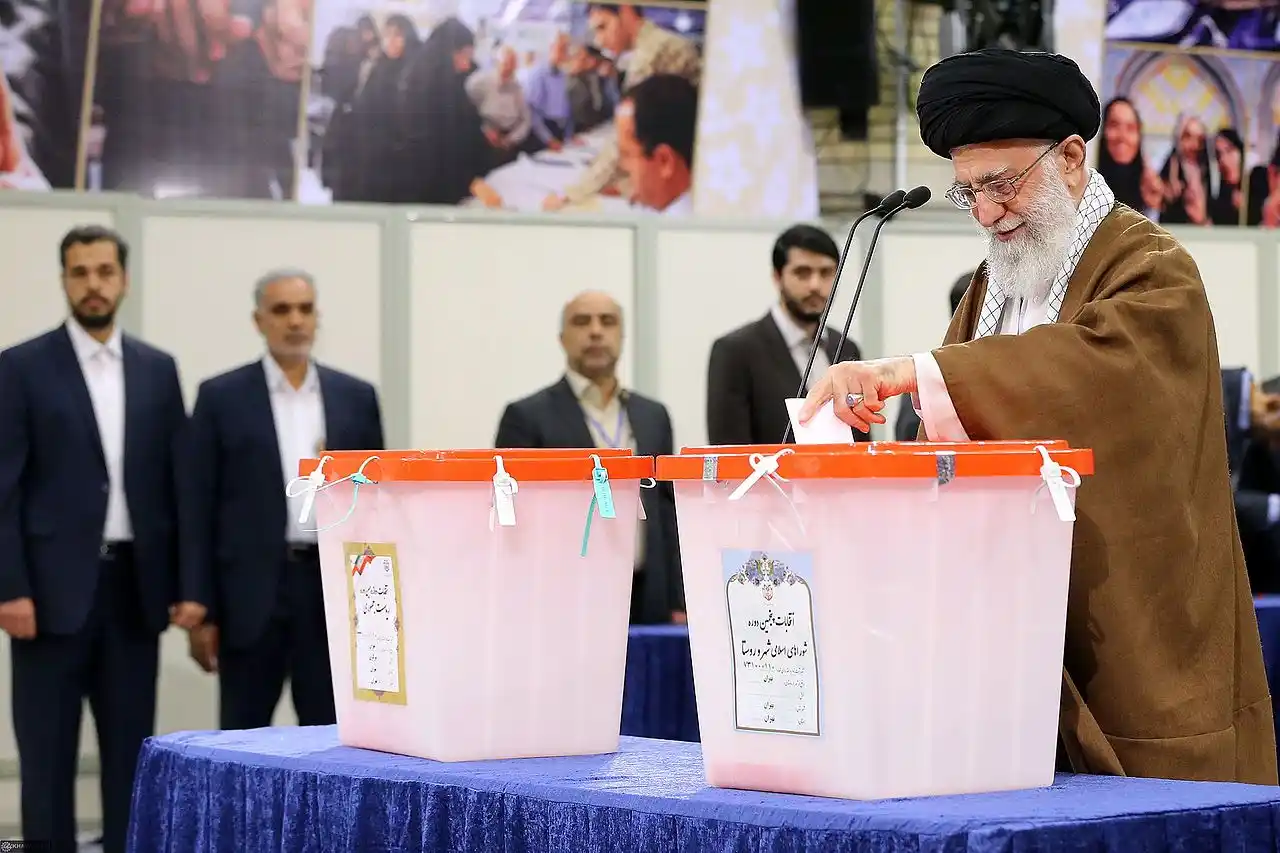
For twenty years, Iran’s nuclear program has been a key point of contention in U.S.–Iran relations. After the U.S. exited the 2015 Joint Comprehensive Plan of Action (JCPOA), Tehran gradually increased its enrichment levels beyond the established limits. Diplomatic attempts in 2025 led to indirect talks facilitated by Oman and Italy, but these efforts fell apart due to escalating tensions, particularly following a 12-day conflict involving U.S. and Israeli attacks on Iranian nuclear and military facilities in June 2025.
That conflict significantly undermined trust and completely halted earlier negotiation avenues. As of early February 2026, reports from both official sources and the media suggest that Washington and Tehran are cautiously gearing up to restart discussions, indicating a possible improvement in diplomatic relations that have been strained for almost a year.
Preparations for Talks in Istanbul
Multiple authoritative sources report that U.S. and Iranian delegations are scheduled to meet in Istanbul later this week to discuss reopening negotiations on Iran’s nuclear program. These talks are being framed as an effort to avert outright military escalation. According to Reuters and other outlets, U.S. Special Envoy Steve Witkoff and Iranian Foreign Minister Abbas Araghchi are expected to lead their respective sides. The meetings may also involve regional intermediaries and representatives from states such as Qatar, Saudi Arabia, the UAE, Egypt, and Turkey in various capacities.
Iran’s president, Masoud Pezeshkian, has publicly instructed his foreign minister to pursue what Tehran calls “fair and equitable negotiations,” explicitly conditioned on a diplomatic environment free from military threats and coercion.
Iranian Positions and Preconditions
Iran is emphasising its sovereign right to pursue nuclear technology for peaceful purposes and is signalling an openness to negotiations ‘strictly within the framework of nuclear issues’, excluding broader U.S. demands on missile programs or regional proxy activity. Tehran also maintains that any dialogue must occur without threats or ultimatum.
Iran’s authorities have asserted once more that they do not intend to develop nuclear weapons, despite their enrichment of uranium to a purity of 60 percent, which is near weapons-grade and significantly exceeds the levels required for peaceful uses. Simultaneously, the political discourse in Tehran maintains a sharp tone: certain officials emphasise that the Iranian government is ready for military confrontation should diplomatic efforts fail, underscoring a two-pronged strategy of negotiation backed by deterrence.
U.S. Strategy: Diplomacy Coupled with Coercion
The United States, under President Donald Trump, appears to be implementing a dual strategy. It aims for a negotiated resolution while simultaneously deploying military resources in the area to exert pressure. Reports suggest an increase in U.S. naval presence, including a carrier strike group. These moves are part of a broader strategy to convey strength and readiness to resort to military action if diplomatic efforts fail.
Trump has cautioned that a collapse in negotiations could result in severe repercussions and seems to be leveraging the possibility of escalation for strategic advantage. Nevertheless, the administration prefers a negotiated agreement that would curtail Iran’s nuclear pursuits and enhance stability in the region.
Importantly, the demands from Washington are said to encompass:
- A decrease or halt of uranium enrichment activities that exceed civilian requirements,
- Restrictions on the development of ballistic missiles,
- Limitations on Iran’s backing of armed proxies in the region.
These U.S. stipulations align with enduring security apprehensions voiced by key U.S. allies in the area, especially Israel and Gulf Arab nations, although their impact on the negotiations is indirect.
Strategic and Regional Implications
Preventing Escalations After Prior Hostilities
The upcoming discussions arrive at a time of significant instability. The Middle East has faced:
- The strikes in June 2025 by the United States and Israel targeting Iranian nuclear sites,
- An increasingly advanced Iranian nuclear program nearing weapons-grade enrichment,
- A heightened U.S. military presence across various Gulf nations,
- Internal unrest within Iran, which has intensified international pressure.
The revival of negotiations is largely viewed as a strategy by both countries to prevent a more extensive conflict that could involve the entire region. Iran’s nuclear initiatives represent one area of tension, while the other involves a broader geopolitical rivalry that contrasts U.S. security priorities with Iranian influence in the region.
Role of Regional and Global Actors
Regional diplomacy efforts are evident as Turkey, Qatar, Egypt and other nations take on roles as mediators. Their participation highlights the concerns throughout the Middle East about the potential for increased hostilities. Global powers including Russia, have publicly called for moderation and backed negotiations, contending that military actions would further destabilise the region. The larger conflict surrounding Iran’s nuclear ambitions is not just a bilateral issue; it intertwines with Israeli security needs, strategic calculations by Gulf Arab states, and the interests of major powers in the area.
Challenges and Outlook
A major structural obstacle in the renewed Iran–U.S. nuclear negotiations is the profoundly rooted disagreement over essential nuclear rights and restrictions, particularly Iran’s demand for its sovereign uranium enrichment program and the U.S. request for considerable limitations or the end of enrichment beyond peaceful uses. Tehran perceives enrichment as a fundamental aspect of its entitlement under the Nuclear Non-Proliferation Treaty, framed as a matter of sovereign technological independence, while Washington and its partners see advanced levels of enrichment as a proliferation threat that cannot be accepted in any sustainable agreement.
These conflicting positions have historically hindered comprehensive agreements, with both sides unable to come to terms on whether Iran can maintain its enrichment capacity and, if so, under which limits and safeguards, as past discussions have demonstrated. A continuous challenge is the lack of trust and difficulties in verification. As Iran went beyond the thresholds established by the 2015 agreement, distrust grew, making it harder for either party to agree on verification measures that would allow extensive access for the International Atomic Energy Agency and real-time monitoring. In the absence of strong verification frameworks that Washington finds credible, U.S. decision-makers are hesitant to contemplate significant sanctions relief, while Tehran is concerned that invasive inspections could be used for political advantage.
Sanctions and economic pressures continue to be a point of strategic tension. Tehran is seeking significant relief from U.S. and multilateral sanctions that have severely affected its economy due to the extended “maximum pressure” strategy. In contrast, U.S. and European negotiators are reluctant to fully remove sanctions without clear, enduring commitments from Iran regarding nuclear limitations, a traditional credibility capability dilemma that has consistently stalled discussions. In addition to nuclear limitations, wider security issues such as U.S. demands concerning Iran’s ballistic missile program and its backing of regional proxy groups represent non-nuclear matters that Tehran views as red lines. Iran argues these issues lie beyond the valid scope of negotiations, while Washington considers them essential to an all-encompassing security agreement, thereby complicating the dialogue.
Political and domestic pressures from both sides further complicate the situation. In Tehran, hard-liners’ resistance to making concessions on enrichment and defence capabilities limits the negotiators’ flexibility, while in Washington, political divisions and public sentiment restrict the administration’s ability to negotiate. These internal factors create uneven incentives, preventing either side from being fully able to make the necessary compromises for a breakthrough, with both fearing domestic backlash if the talks do not succeed. Lastly, external geopolitical players and regional rivalries create additional limitations. Israel’s strong opposition to any easing of Iranian nuclear capabilities, along with the strategic concerns of Gulf states, influences U.S. leverage and Iranian risk assessments, often driving both governments toward more extreme positions instead of carefully considered concessions.
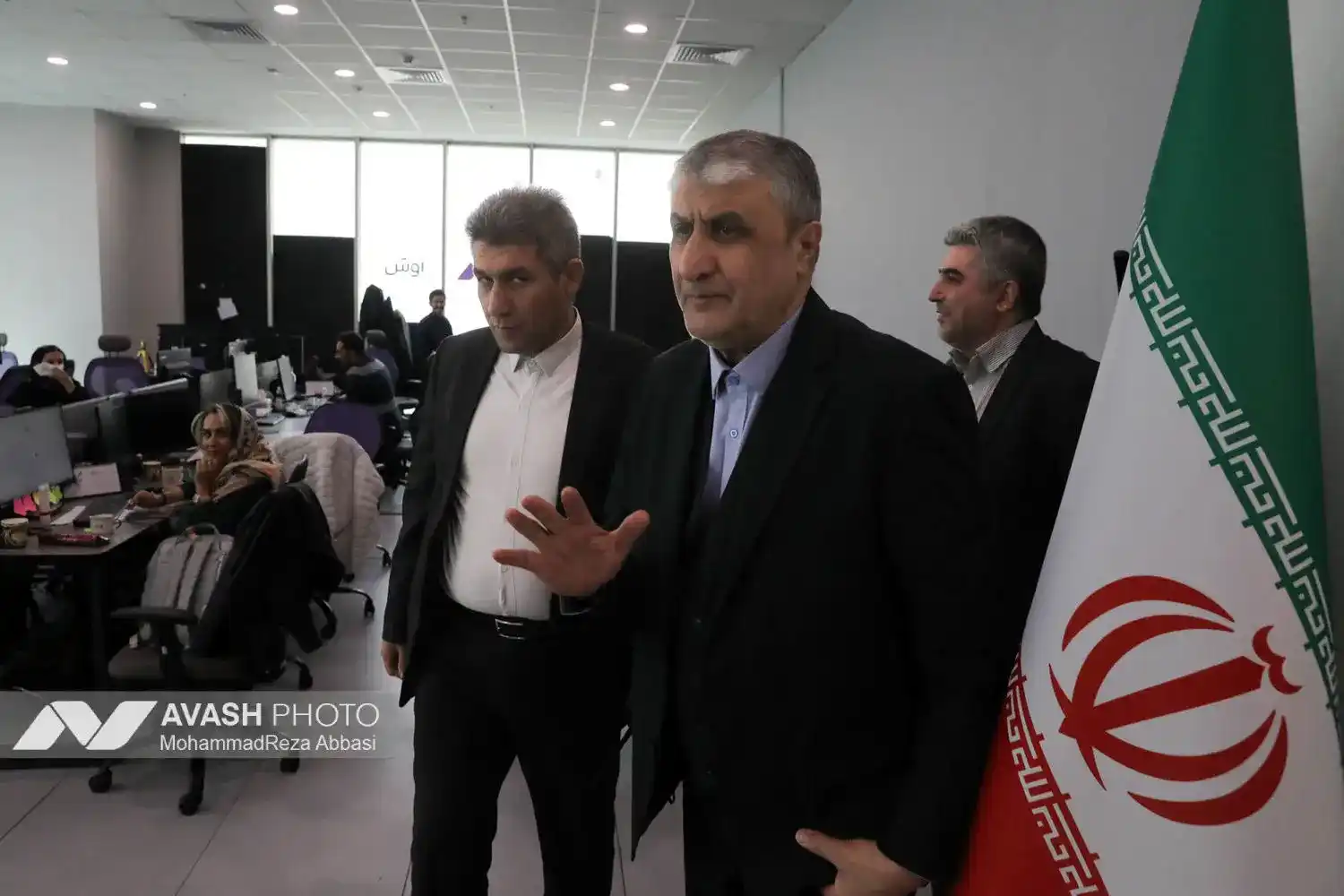
All the views and opinions expressed are those of the author. Image Credit: Avash Media | Mohammadreza Abbasi.
About the Author
Jaiee Ashtekar holds a bachelor’s degree and a master’s degree in political science from the University of Mumbai. She holds a post-graduate diploma in international relations from the University of Strathclyde, United Kingdom (UK). She has done projects titled “Kashmir through Political Perception” and “Water issues between India and Pakistan”.